Abandoned Train Stations That Became Art Spaces

Abandoned train stations evoke a sense of history and forgotten journeys. Some have been reinvented as vibrant art spaces, blending heritage with creativity. These sites host exhibitions, performances, and murals that transform once desolate platforms into cultural hubs. This renaissance preserves their architectural charm while reimagining their purpose. The following profiles showcase eight remarkable examples worldwide where art and architecture coalesce in abandoned train stations.
Estación Mapocho, Santiago, Chile
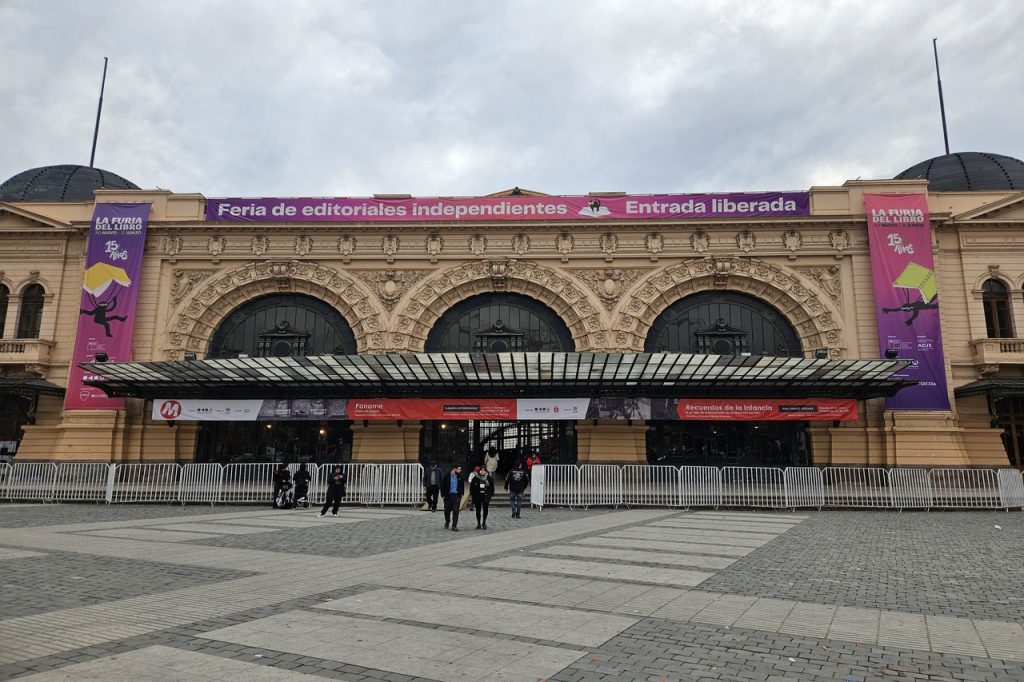
Estacion Mapocho was built in 1913 and operated as a bustling railway hub before closure. After years of abandonment, it was restored into a dynamic cultural center. The station’s grand European influenced architecture creates a striking stage for art exhibitions, concerts, and festivals. This restoration balanced historical preservation with modern use, fostering engagement that celebrates both Chile’s history and contemporary artistic expression. Visitors enjoy the blend of old world charm with vibrant creativity.
Varshavsky Station, St. Petersburg, Russia
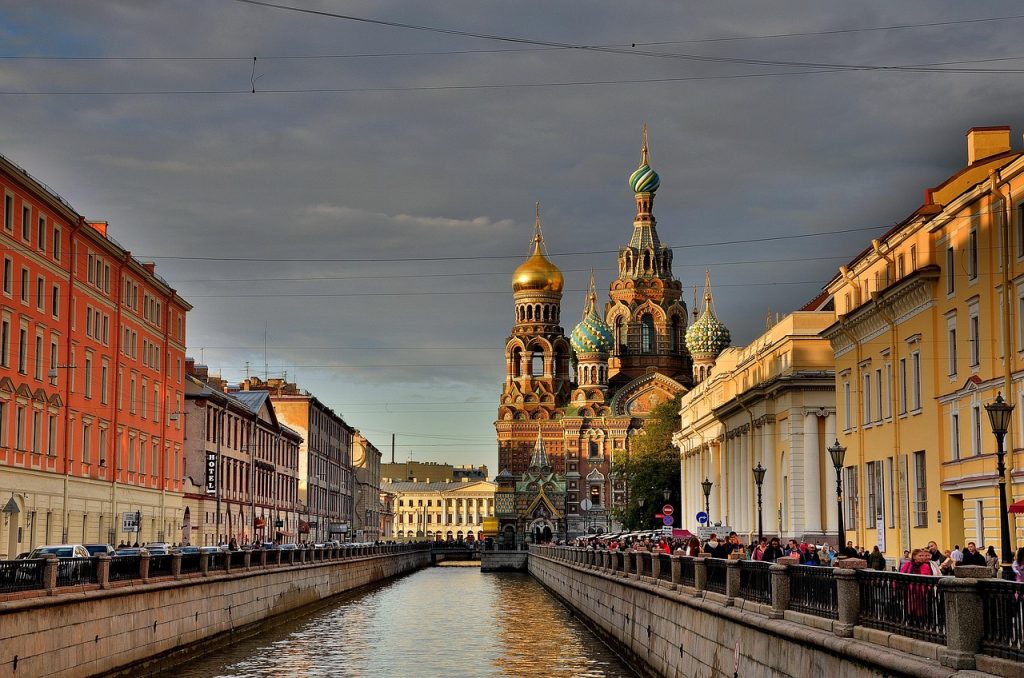
Constructed in the mid-19th century, Varshavsky Station was once a vital gateway in St. Petersburg. Though train service ended in 2001, the building remains a significant architectural landmark. It has been repurposed into a mixed use space featuring shops and entertainment, while retaining its historical structure. Its Victorian charm draws photographers and visitors interested in the fusion of urban renewal and heritage. The station reflects how old transit hubs can adapt to modern cultural needs without losing identity.
Wing Railway Station, Buckinghamshire, England
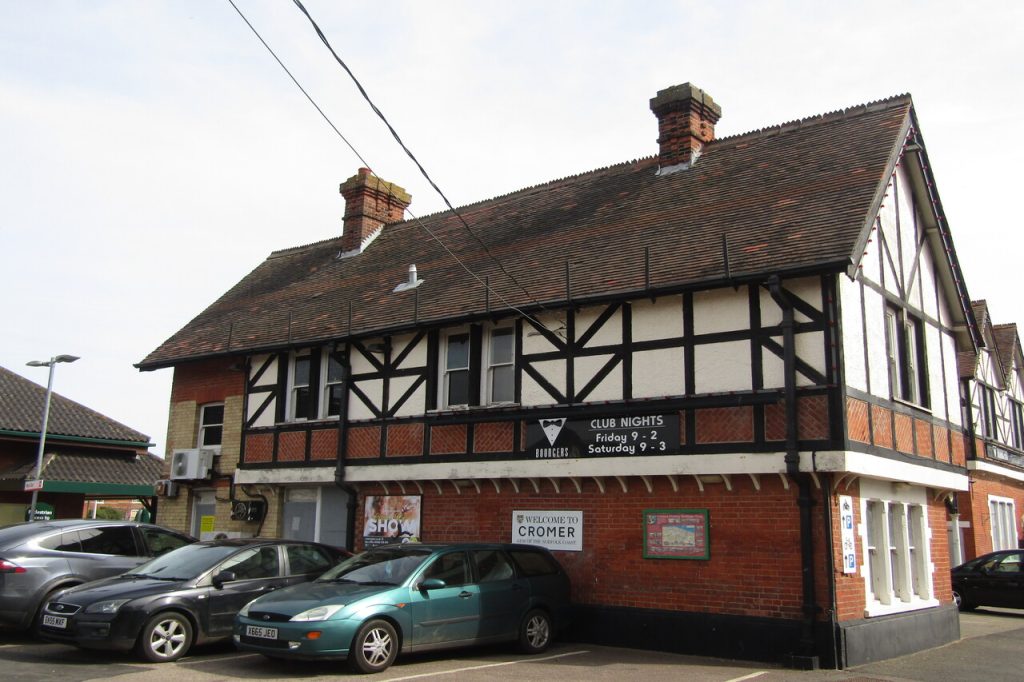
Closed in 1963, Wing Railway Station remains an evocative relic of rural England’s rail past. Its Victorian style architecture and setting near the village of Wing provide a nostalgic atmosphere. Though largely deteriorated inside, the station’s surviving exterior attracts history enthusiasts and artists inspired by its quiet dignity. This abandoned station symbolizes a bygone era in transportation and serves as a canvas for heritage projects that honor the legacy of countryside railways and their cultural importance.
Alexandroupolis Stations, Greece
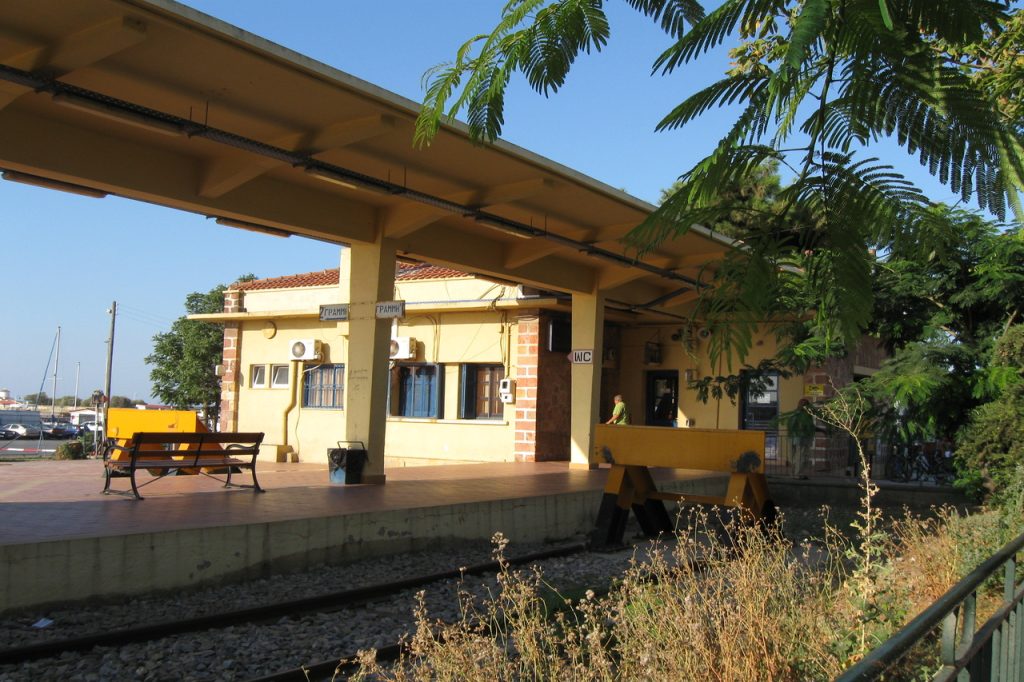
Several stations in Alexandroupolis have been abandoned but revived by local artists and activists. Graffiti murals, installations, and performances animate the spaces, transforming them into artistic showcases. These efforts not only preserve the stations’ architectural features but also foster community engagement and social discourse. The stations have become platforms for exploring historical memory and contemporary culture, turning once forgotten transit sites into active cultural venues that connect art, history, and local identity.
Canfranc International Railway Station, Spain
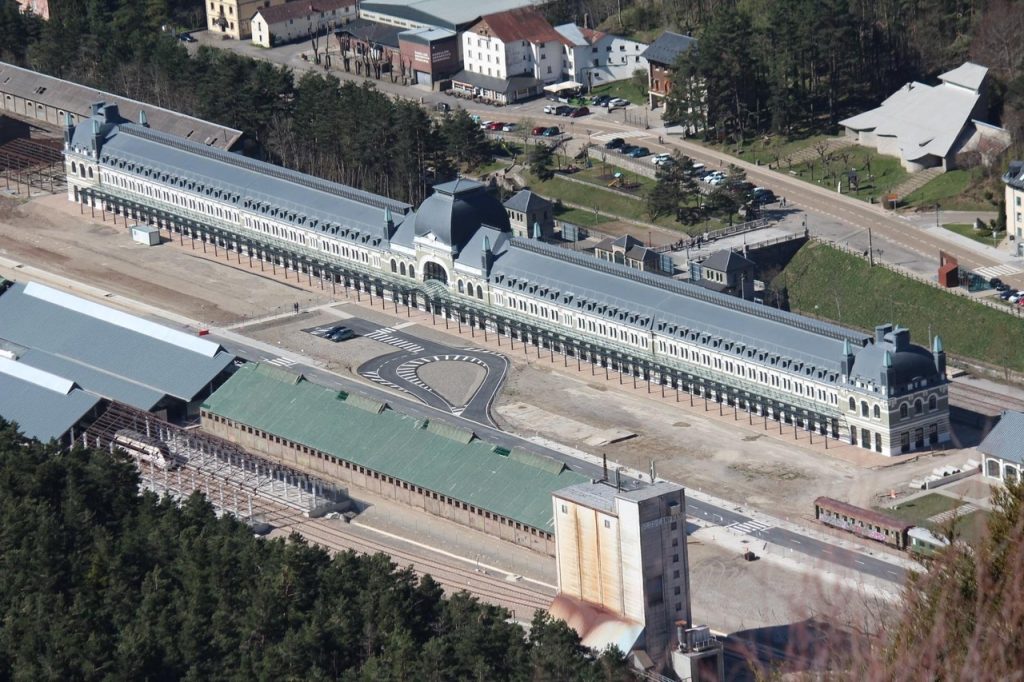
Once Europe’s grand connection between Spain and France, Canfranc Station opened in 1928 and closed in the 1970s. Its vast, neo baroque architecture stands abandoned yet majestic. Today it sparks interest among urban explorers and artists who utilize the station for installations and exhibitions. The station’s haunting beauty and massive scale inspire creative works that reflect themes of travel, abandonment, and memory. Efforts to restore parts aim at reviving its cultural and historical importance within the region.
Michigan Central Station, Detroit, USA
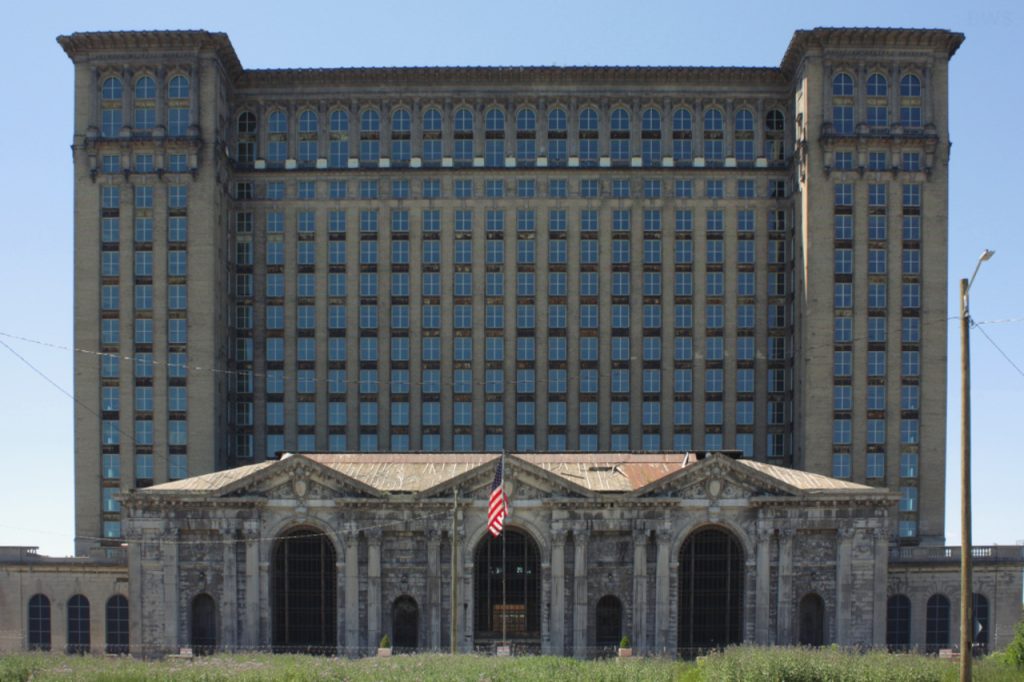
Opened in 1913, Michigan Central Station symbolizes Detroit’s rise and decline. After decades of disuse and decay, it is now a focus for revitalization with art playing a key role. Murals, exhibitions, and creative community projects animate the vast interior, linking heritage to Detroit’s ongoing cultural resurgence. The station’s monumental Beaux Arts architecture reflects both grandeur and resilience. Its transformation demonstrates how forgotten landmarks can inspire new urban identities through art and preservation.
Delancey Underground (Lowline), New York City, USA
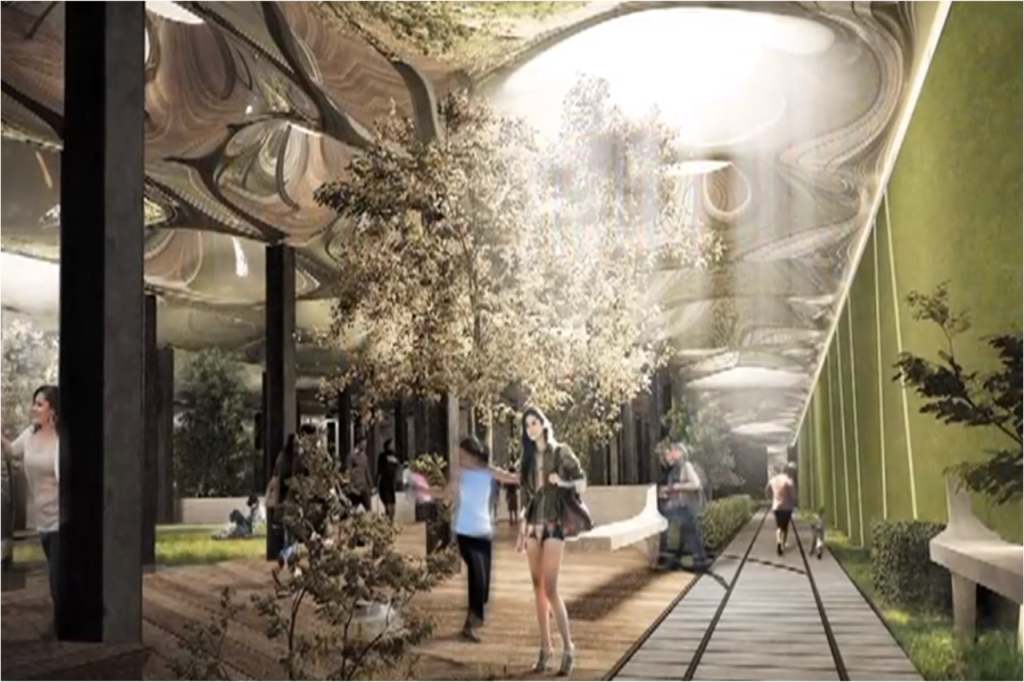
The Delancey Underground space, once part of Williamsburg Bridge’s trolley terminal, closed for decades before being transformed into Lowline, an underground park and art venue. Innovative use of sunlight technology allows plants and artwork to thrive in this subterranean environment. The Lowline combines urban renewal with environmental art, creating an experimental cultural site beneath the city. This reimagining exemplifies how disused transit spaces can become green, artistic sanctuaries that delight and educate the public.
Toledo Metro Station, Naples, Italy
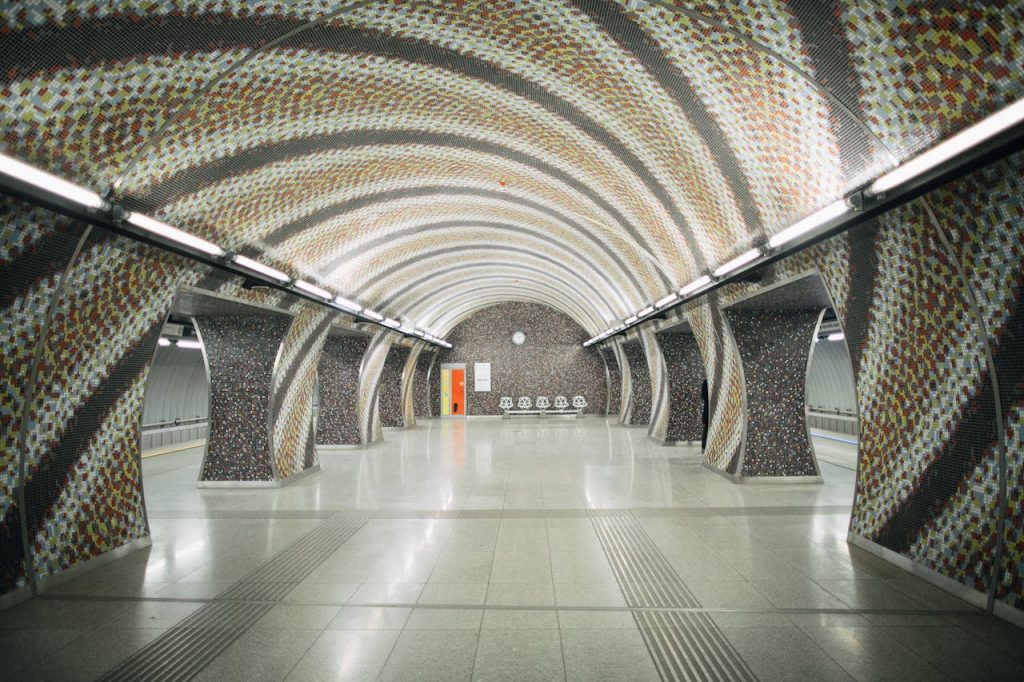
Toledo Metro Station is celebrated as one of the world’s most beautiful transit spaces, blending utility and art. While still an operational station, its stunning mosaics and light installations have transformed it into an immersive art environment. Designed by renowned artists, Toledo showcases how metro stations can transcend function, becoming public art museums visited for their aesthetic experience. This project redefines underground transit as a cultural journey, enriching everyday commute with beauty and creativity.