Did you Know About this Island with Plants that Exist Nowhere Else on Earth
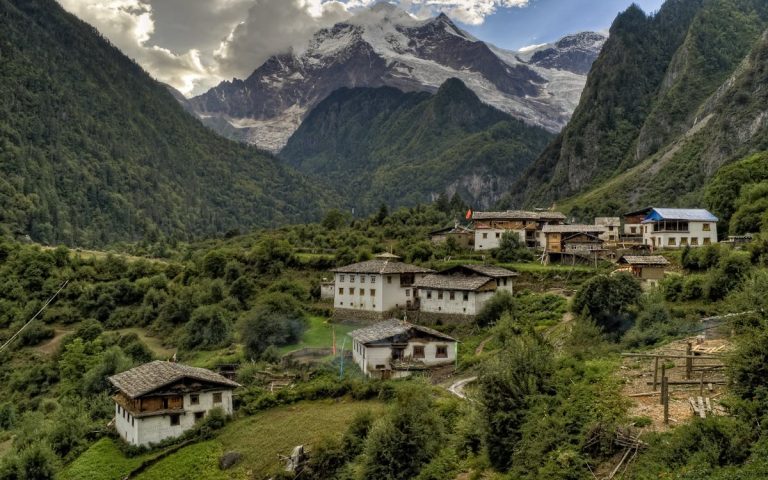
Socotra does not look like most islands people picture. Its beaches, mountains and bottle-shaped trees have made it one of the most talked-about remote destinations in the world.
What makes the island stand out most is not just its scenery. It is the fact that many of its plants and animals exist nowhere else on Earth, giving this Yemeni archipelago an importance far beyond tourism.
1. Socotra is one of the most isolated islands on the planet
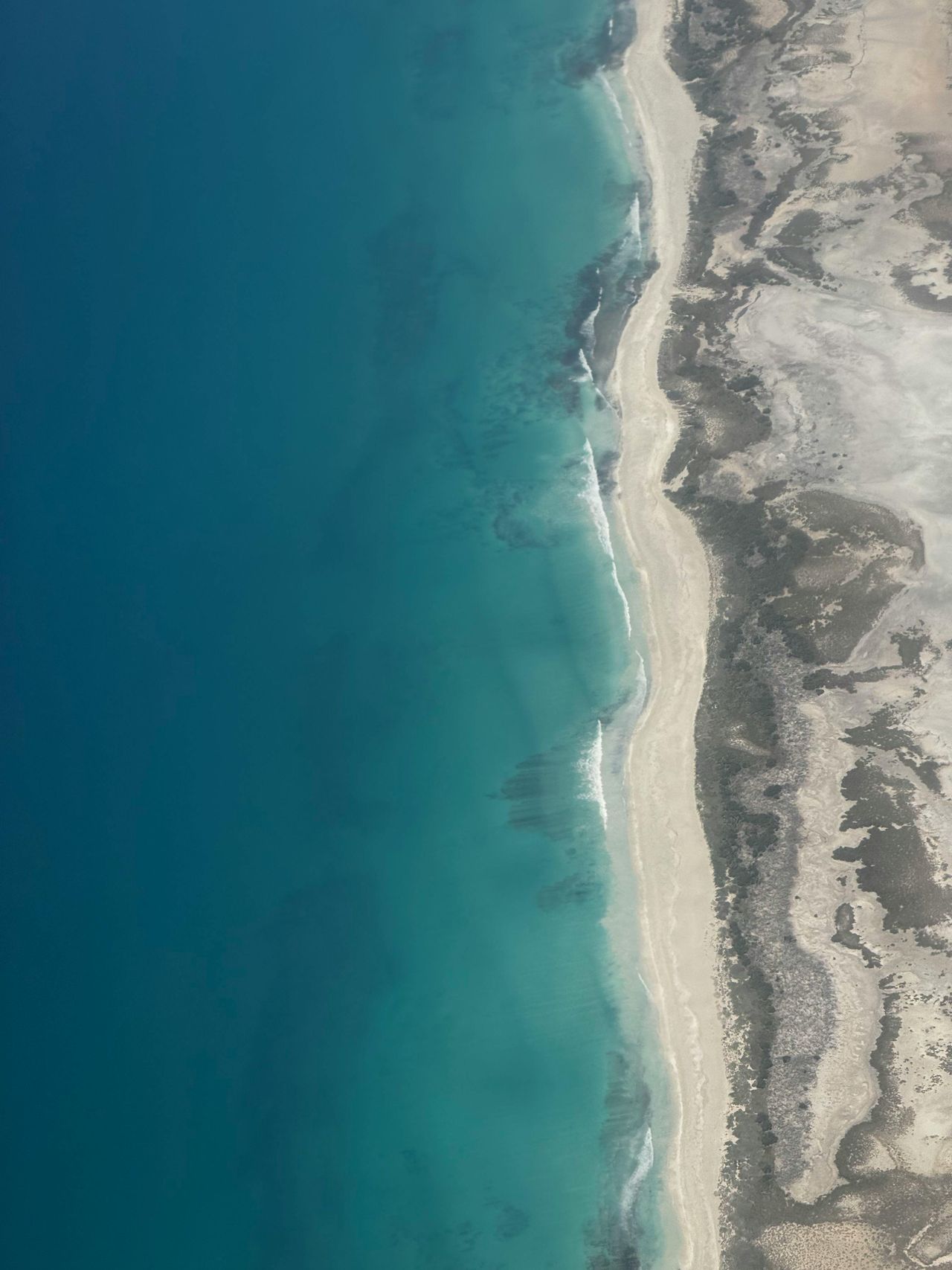
Socotra sits in the Arabian Sea, about 240 miles east of the Horn of Africa and roughly 380 kilometers south of mainland Yemen. That distance matters because long isolation helped shape a landscape and ecosystem unlike almost anywhere else. Scientists have long described the island as a natural laboratory of evolution.
The Socotra archipelago includes the main island of Socotra and three smaller islands, Abd al Kuri, Samhah and Darsa. Together they cover about 3,796 square kilometers, with the main island accounting for nearly all of the population and most of the biodiversity that draws global attention. According to UNESCO, the archipelago holds exceptional biological value because of its long geological separation from surrounding landmasses.
That isolation is why visitors often compare Socotra to another planet. The comparison is common in travel coverage, but the science behind it is straightforward. Species evolved here under tough, dry conditions with little outside competition, producing plants with unusual shapes and survival strategies.
For travelers, the remoteness is part of the appeal and part of the challenge. Flights have historically been limited, infrastructure is basic, and political conditions linked to Yemen can affect access. That means Socotra remains far less visited than many famous island destinations, even as global curiosity continues to grow.
2. The dragon’s blood tree is the island’s best-known symbol
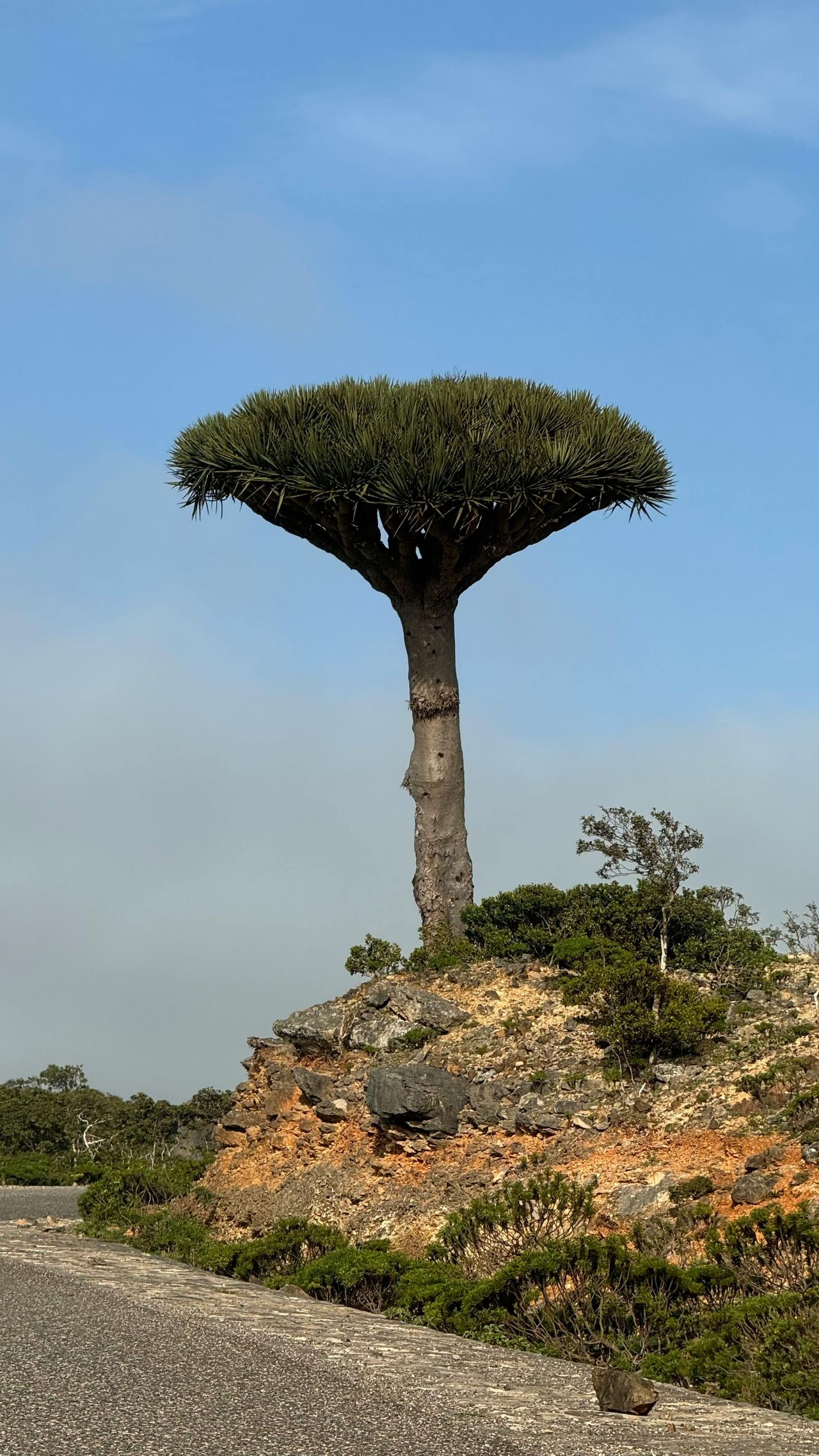
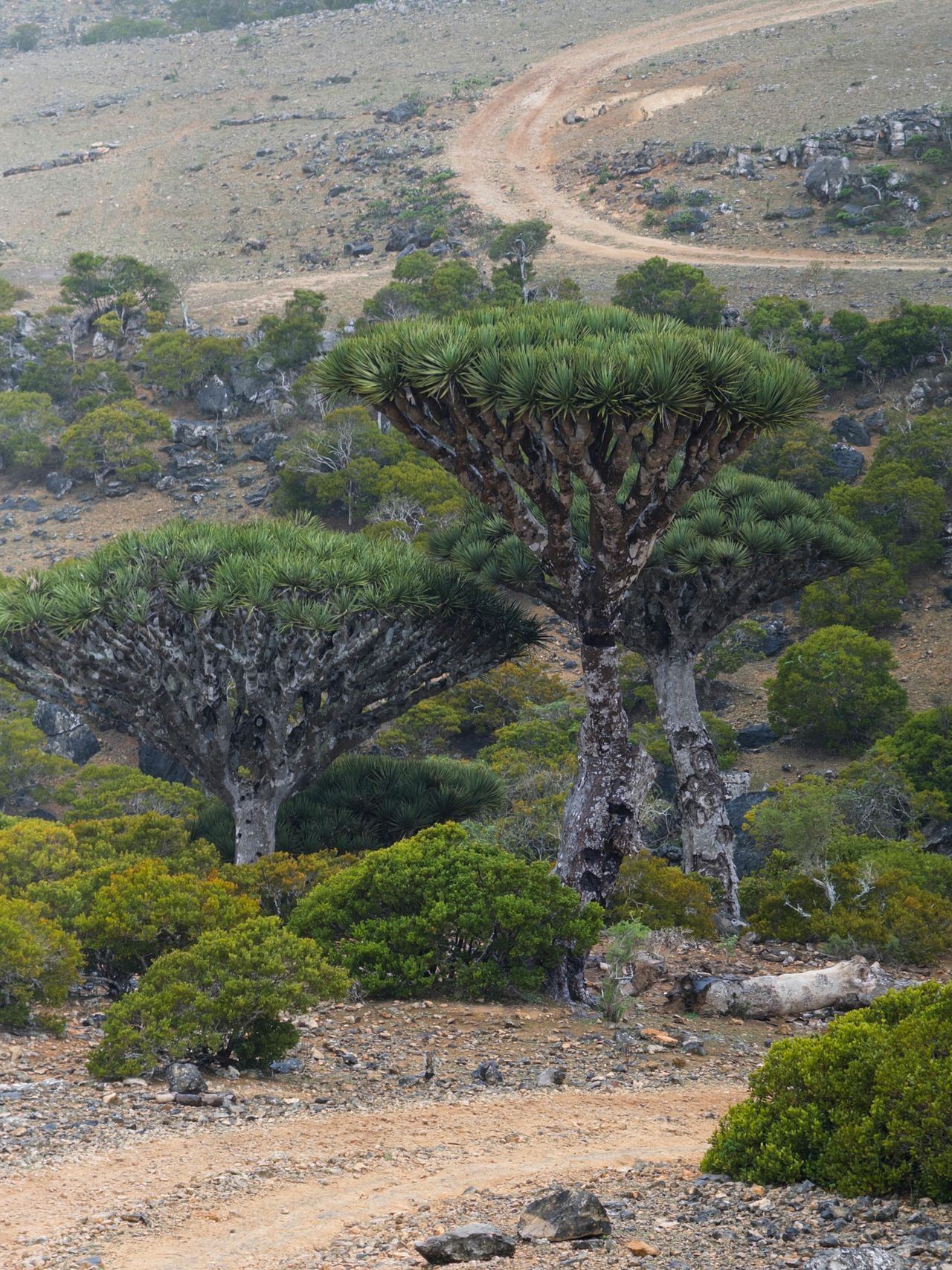
If there is one image most closely tied to Socotra, it is the dragon’s blood tree. Known scientifically as Dracaena cinnabari, the tree has a dense, umbrella-shaped crown that helps shade its roots and reduce water loss in the island’s dry climate. Its red sap, often called dragon’s blood, gave the species its famous name.
For centuries, that resin was valued for uses ranging from dye and varnish to traditional medicine. Historical trade records show the island was known to merchants in antiquity, and products linked to Socotra moved through regional trade networks. Today, the tree is better known as a symbol of rare biodiversity than as a commercial export.
Researchers and conservation groups have warned that regeneration of dragon’s blood trees is becoming more difficult in some areas. A mix of pressures, including climate stress, grazing by goats, and severe weather, has reduced the number of young trees surviving to maturity. Experts say that matters because these trees support other species and help define the island’s ecosystem.
Photographs of these trees often drive social media interest in Socotra, but the fascination is not just visual. Their survival has become a real conservation issue. Scientists studying the species say the tree is a marker for how climate and land-use changes are affecting the island more broadly.
3. Hundreds of species found there exist nowhere else
Socotra’s biodiversity is remarkable even by island standards. UNESCO has said about 37% of the archipelago’s plant species are endemic, meaning they occur nowhere else on Earth. The same is true for significant shares of its reptiles, land snails and other organisms, making the islands a globally important conservation hotspot.
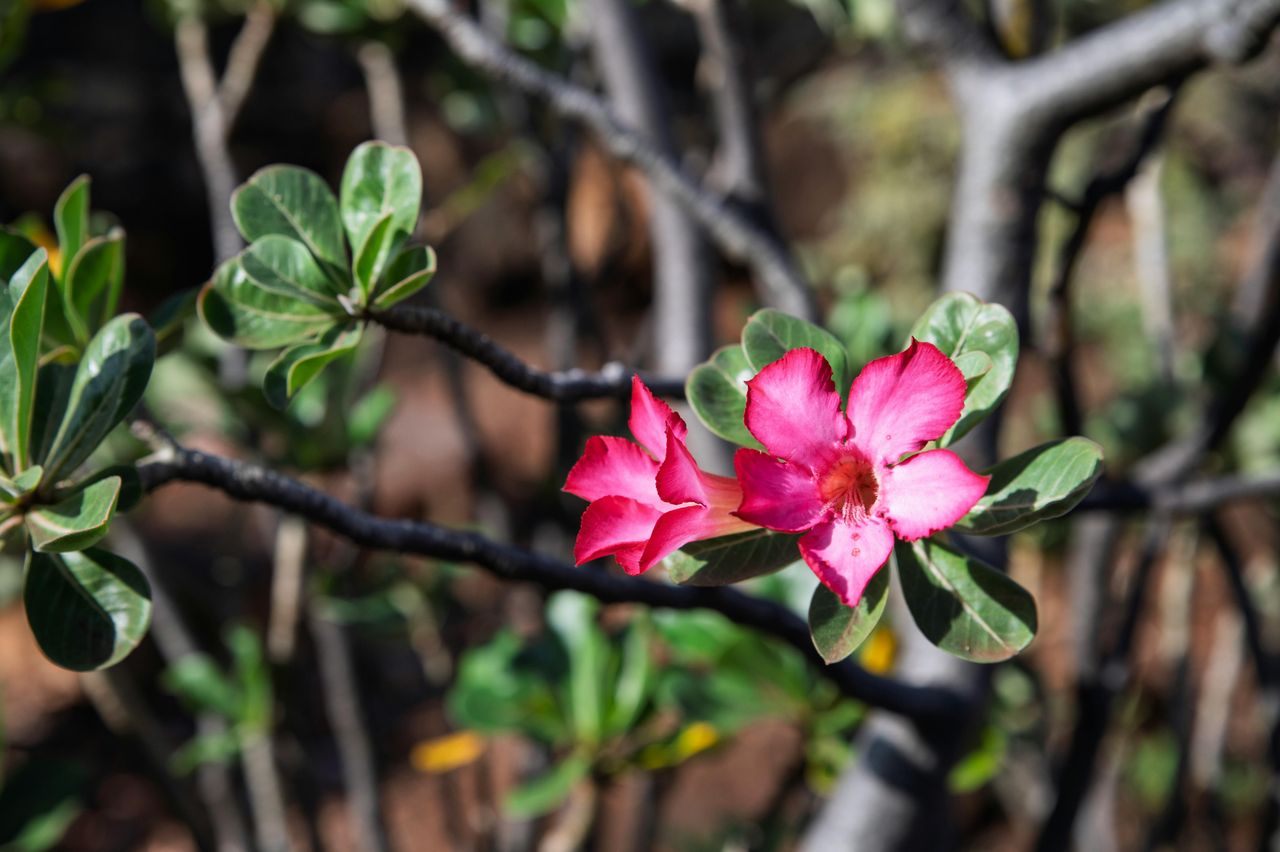
Among the plants, some of the most striking are the desert rose, Dendrosicyos socotranus, often called the cucumber tree, and Boswellia species that produce frankincense. Many have swollen trunks, compact crowns, or other features that help them hold water and survive in heat and wind. These are not just odd-looking plants. They are evidence of evolution under harsh and isolated conditions.
The island is also home to birds, marine life and limestone cave systems that add to its ecological value. BirdLife International and other groups have highlighted Socotra as an important place for both resident and migratory birds. Coral reefs and coastal waters around the archipelago also support diverse marine species.
For a general audience, the simplest way to understand Socotra is to think of it as an island where evolution had room to improvise. In the continental United States, people often think of the Galápagos as the gold standard for unusual island wildlife. Socotra belongs in that same global conversation, especially when it comes to plants.
4. Its rare ecosystem is under growing pressure
Socotra’s uniqueness does not shield it from risk. Conservation experts have pointed to climate change, more intense cyclones, overgrazing, invasive species and expanding development as major threats to the islands’ fragile habitats. Storms in recent years have damaged vegetation and local infrastructure, showing how exposed the archipelago is to extreme weather.
The dragon’s blood tree has become a widely cited example, but it is not the only species under pressure. Seedlings of several endemic plants struggle when goats feed on young growth before it can establish. In dry places with thin soils, recovery can be slow, which means losses can last for years.
There is also a human side to the story. Roughly 50,000 to 60,000 people live on Socotra, and many families depend on fishing, livestock and small-scale trade. Conservation rules have to work alongside daily life, not against it, if they are going to last.
UNESCO designated the Socotra Archipelago a World Heritage Site in 2008, a move that underscored its international importance. Since then, researchers, local communities and environmental groups have pushed for stronger protection while balancing economic needs. That balance is now one of the central questions shaping Socotra’s future.
5. Why Socotra matters to travelers, scientists and the wider world

For travelers, Socotra represents a kind of rarity that is increasingly hard to find. In an era when many top destinations are heavily developed, the island still feels remote, wild and biologically distinct. That makes it appealing to adventure travelers, photographers and nature-focused visitors looking for something beyond a standard beach trip.
For scientists, the island is valuable because it helps answer larger questions about evolution, resilience and extinction. Studying plants that adapted to drought, wind and isolation can reveal how species survive environmental stress over long periods. Those lessons matter well beyond the Arabian Sea, especially as ecosystems around the world face climate pressure.
For the wider public, Socotra is also a reminder that some of Earth’s most important places are not the most famous or the easiest to reach. Its landscapes may look surreal, but the story is grounded in hard science and real conservation concerns. The island is not just beautiful. It is irreplaceable.
That is why renewed interest in Socotra matters. More attention can support tourism and awareness, but it can also increase pressure if growth is unmanaged. The challenge ahead is making sure the island remains what makes it special now: a living home for plants and habitats found nowhere else on Earth.