How Portugal’s Sun Spots Are Becoming Stressful Instead of Relaxing

Portugal still sells a simple promise: warm light, ocean air, long lunches, and a slower pulse. For a long time, that feeling came easily.
Now, some of the most famous sunny places ask for constant planning. The view is gorgeous, but the experience can feel crowded and hurried.
Popularity is the main driver, but it shows up in small ways. Narrow streets, limited parking, and compact beaches were never built for nonstop peak-season demand.
That creates a strange mismatch between what people expect and what they get. The destination looks calm, yet the day can feel like a series of mini problems to solve.
The Mood Shift in Portugal’s Brightest Getaways
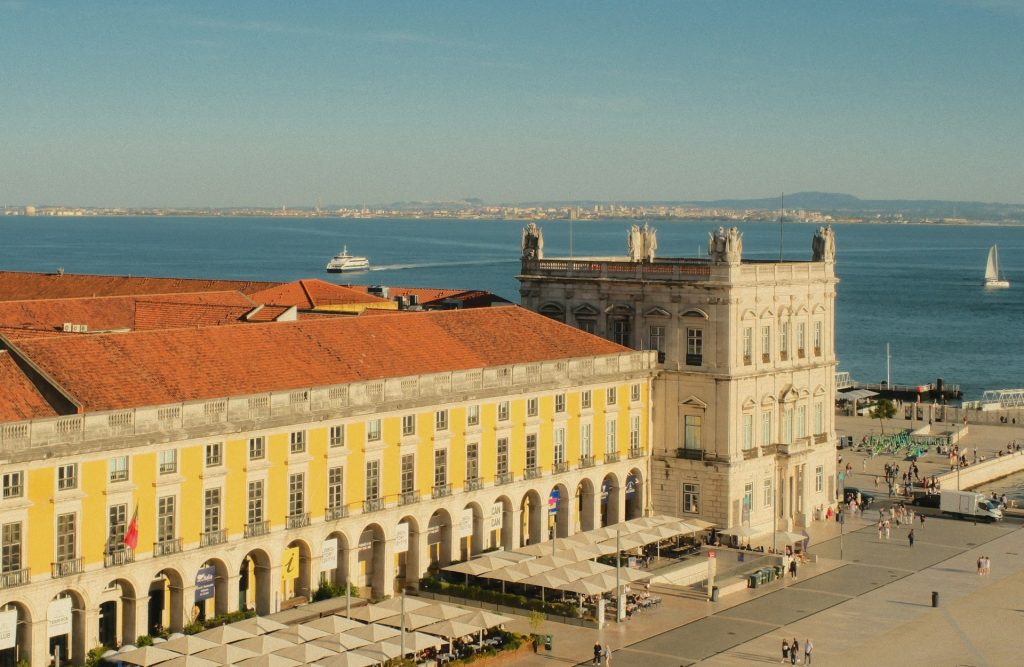
A place can be stunning and still feel mentally loud. The stress often comes from density rather than anything dramatic.
When everything is busy, the brain stays in alert mode. Even minor inconveniences feel heavier when they repeat.
Heat adds friction to every decision. Waiting, walking, and searching all take more out of a person in strong sun.
The result is a quieter kind of tension. People are not angry at Portugal, but they are not truly relaxing either.
When Relaxation Turns Into Crowd Management
The day starts early because the best spots fill up fast.
Parking becomes the first challenge, especially near famous beaches and cliff viewpoints.
Lines appear in places that used to feel effortless, like cafés, restrooms, and seaside kiosks.
Even the beach can feel competitive, with umbrellas staked out like territory.
Once it is packed, simple comfort takes work. Finding shade, a clean restroom, or a calm patch of sand can become a long loop of walking and waiting.
Noise matters, but constant motion matters more. When people are always moving around you, the mind never fully settles into that slow, beach-day rhythm.
There is also the pressure to make it worth it. When time is limited, every delay feels like it is stealing part of the trip.
A calmer day usually comes from fewer targets. Pick one main place, arrive early, and let the rest of the schedule breathe.
Heat and Sun Exposure Add a New Kind of Pressure
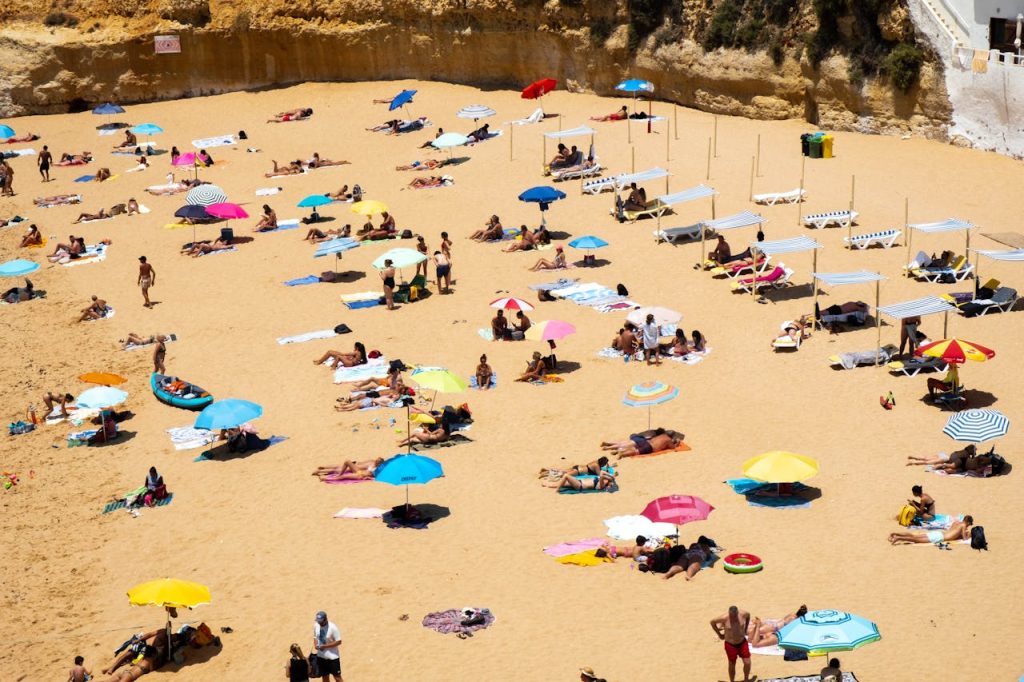
Portugal’s sun is beautiful, but it is demanding. On hot days, patience drops faster than people expect.
Dehydration sneaks up because ocean breezes can hide how much fluid the body is losing. By mid-afternoon, tiredness turns small annoyances into bigger reactions.
Strong sun pushes crowds into the same shaded edges. That makes beaches feel tighter, even when the coastline is wide.
The best hours can be the hardest hours. If the plan ignores shade breaks and water, the day starts feeling like endurance.
The Price Creep That Makes Everything Feel Tighter
Costs rise the closer you get to the most famous sun spots.
Parking fees and tolls can add a surprising layer of pressure.
Menus often jump in high-demand areas, even for simple meals.
Value starts to feel like a question that follows every choice.
That mental math is exhausting. Instead of drifting, people compare options, second-guess decisions, and worry about being overcharged.
It also changes behavior in ways that reduce enjoyment. Travelers rush through meals, skip breaks, or pack the day too tightly to justify the expense.
When expectations are high, disappointment lands harder. A crowded beach feels worse when it also felt expensive.
A better approach is to budget for ease, not just activities. Paying a bit more for timing, location, or comfort can actually protect the mood.
The Local-Tourist Tension That Changes the Atmosphere
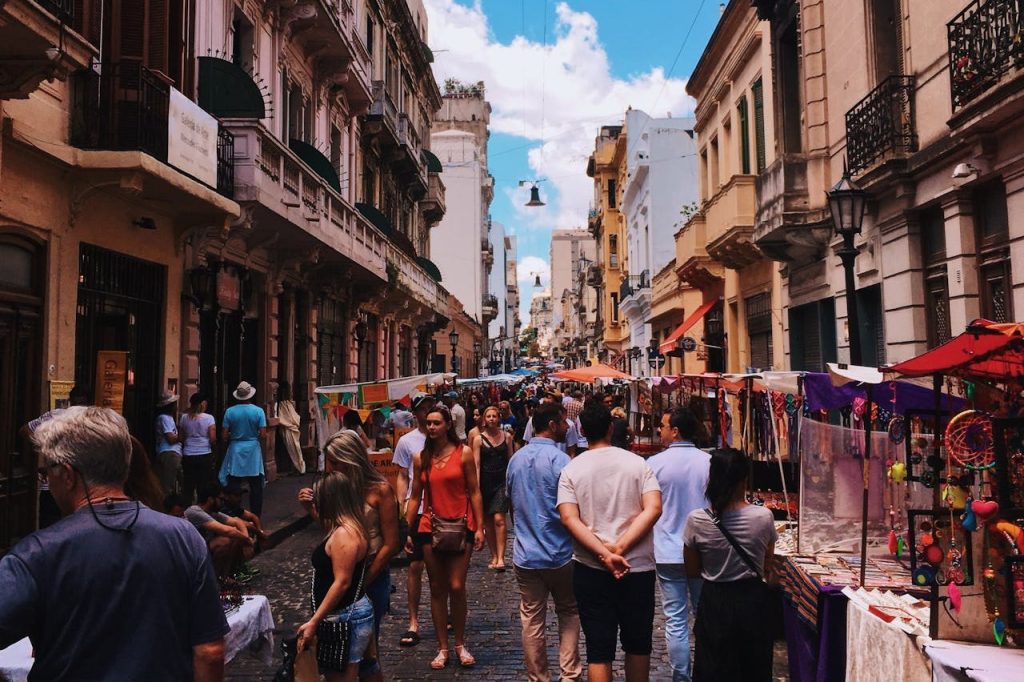
Most interactions in Portugal are still warm. But crowd fatigue affects residents and visitors in predictable ways.
In heavily visited areas, daily routines get disrupted for months. Traffic, noise, and packed public spaces wear people down.
Travelers can sense that strain in small moments. Service may be quicker, rules may be stricter, and patience can run thinner.
None of this means people are unkind. It just means the atmosphere can feel less unhurried than the country’s reputation suggests.
Environmental Wear That Makes Paradise Feel Fragile
Overused dunes show the damage first.
Footpaths widen as people search for space.
Trash can appear faster than it can be cleared on busy days.
Water demand and waste pressures become more noticeable in heat.
That fragility changes the mood. A beautiful beach feels different when the landscape looks tired, and the day carries a faint sense of guilt.
Wildlife and plant life also take the hit. When people crowd into every corner, habitats shrink and the shoreline loses its natural buffers.
Even the best-managed places can struggle at peak volume. The problem is not one bad visitor, but the sheer number of them.
A calmer trip often lines up with a lighter footprint. Quieter towns, earlier hours, and slower pacing tend to be better for the coast and for the traveler.
Finding Calm in Portugal Without Chasing the Same Postcard
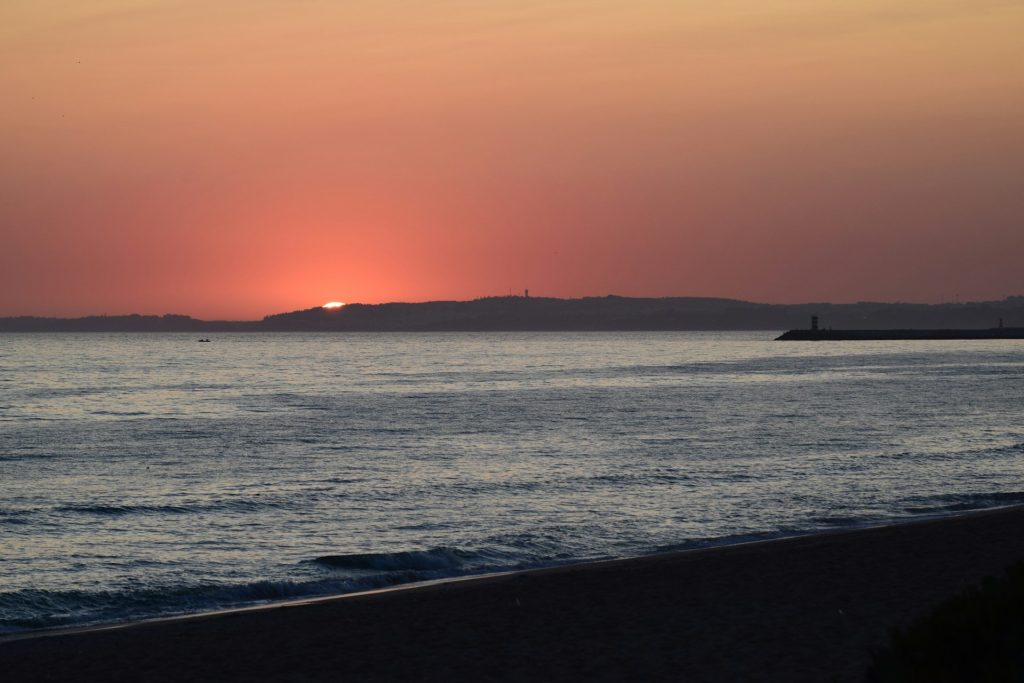
Portugal still has plenty of peaceful sun. The trick is to stop treating the most famous names as the only “real” Portugal.
Smaller coastal villages can feel gentler and more personal. They often offer the same light and sea air with less friction.
Timing changes everything. Early mornings, late afternoons, and shoulder-season weeks restore that relaxed rhythm.
Build the day around comfort, not conquest. Choose one anchor spot, add shade breaks, and let a long lunch do its quiet magic.
Portugal dazzles, yet peak crowds, heat, and rising costs can fray nerves. Go early, pace shade breaks, choose quieter coasts too.