How To Travel Responsibly And Sustainably Across America
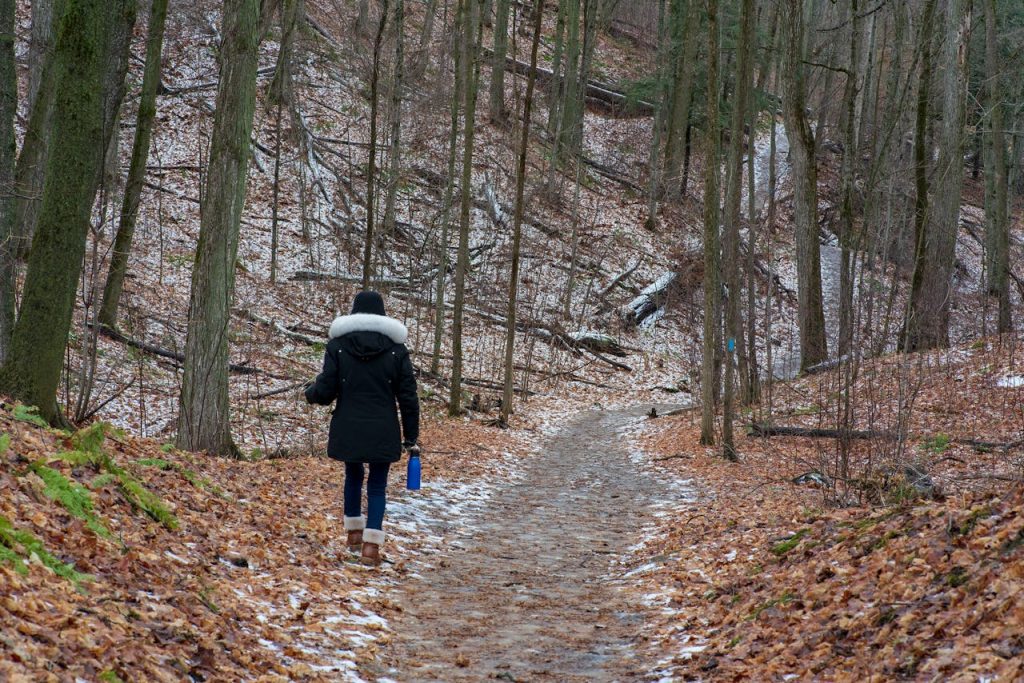
Traveling across America gives you endless choices, but it also asks you to think about the weight of those choices. When you move with intention, you shrink your footprint in ways that actually matter. You cut down waste, support local communities, and help keep natural places intact for the next person who wanders through. None of this slows your trip. If anything, it sharpens it. You see more, spend smarter, and feel connected to the places you pass through. Responsible travel is not about perfection. It is about awareness, steady habits, and a willingness to choose what helps rather than what harms.
1. Choose Low Impact Transportation

You have more options than you think when it comes to cutting your transportation footprint. Trains remain one of the most efficient ways to move long distances in the US, and agencies like Amtrak publish clear emissions data showing that rail produces far fewer greenhouse gases per passenger mile than planes or cars. When you need to drive, pick fuel-efficient or hybrid rentals and plan routes that reduce unnecessary miles. Even small steps count. Walking and biking in cities not only shrink your emissions but also place you closer to local life and small businesses that depend on foot traffic.
2. Support Locally Owned Businesses
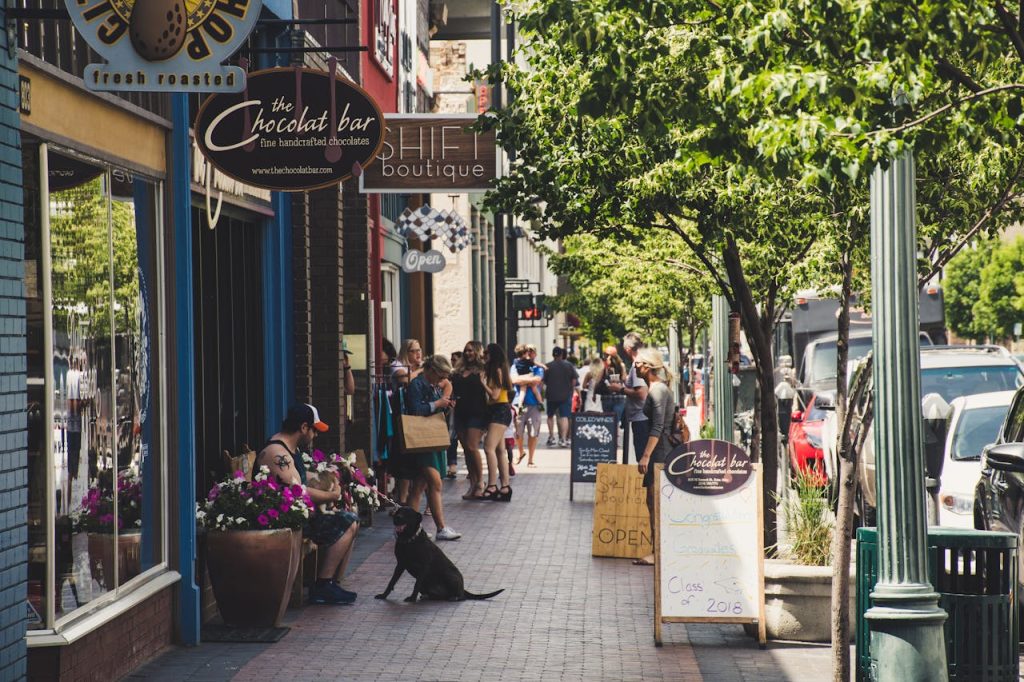
Here is the thing. When you spend your money with local shops, guides, and restaurants, you help keep the economic value of tourism in the community rather than shifting it to large chains. Studies from the American Independent Business Alliance show that locally owned stores return far more of each dollar into nearby wages and services. That means your meals, souvenirs, and tours can directly support the place you are visiting. Ask for regional dishes, seek out crafts made by local artists, and pay attention to where your money flows. You shape the health of a destination with every purchase.
3. Reduce Waste On The Road
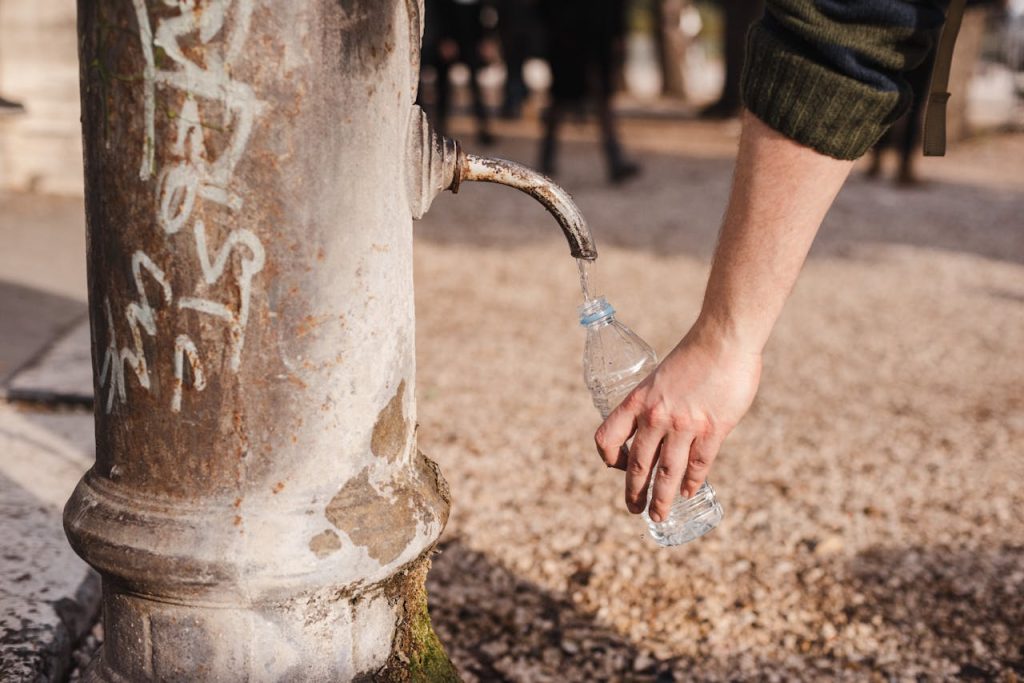
What this really means is preparing before you ever leave home. A reusable bottle, utensils, and a simple tote can prevent dozens of single-use items from ending up in landfills. The Environmental Protection Agency notes that plastic waste remains one of the most persistent problems in recreational areas, especially near popular parks. You can cut your contribution by choosing refill stations, buying snacks in bulk, and avoiding individually wrapped items. When you stop for meals, dine in instead of grabbing disposable containers. These small habits add up quickly and help protect the landscapes you came to see.
4. Learn And Follow Local Rules
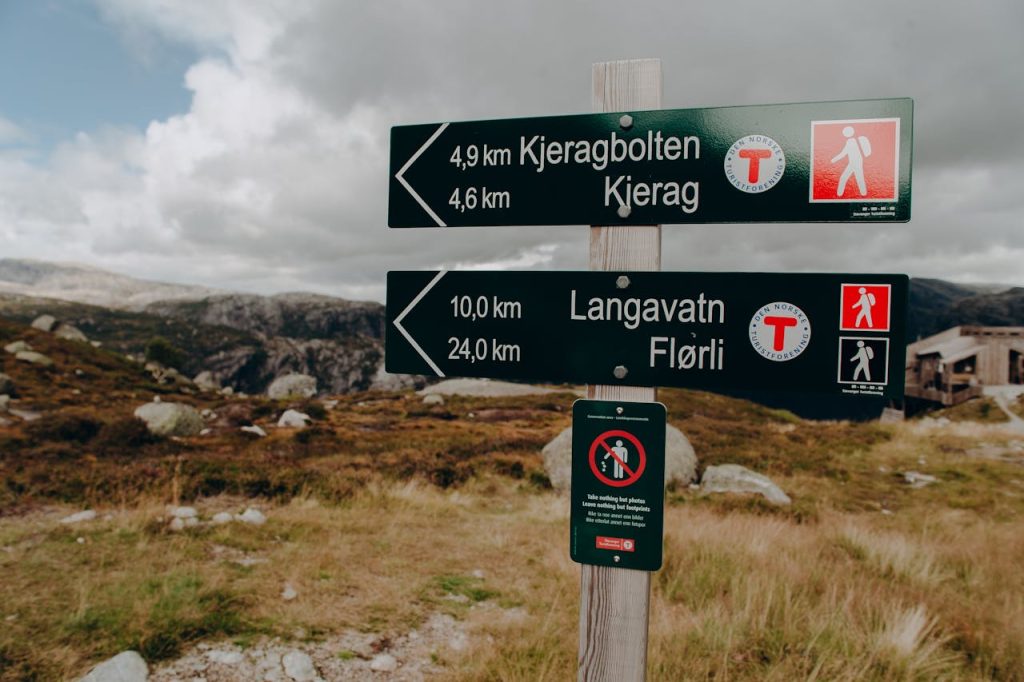
You cannot travel responsibly without knowing how each place protects itself. National parks, tribal lands, and state preserves all publish clear guidelines on wildlife distance, trail access, and campsite limits. These rules exist to guard both you and the environment. Agencies like the National Park Service regularly report that the biggest threats to protected areas come from visitors who move off marked trails or ignore safety guidance. Take a few minutes to read posted signs, follow ranger advice, and avoid disturbing habitats. When you respect the rules, you help keep fragile areas stable for future travelers.
5. Choose Stays That Prioritize Sustainability

Plenty of accommodations now make their sustainability practices public. You can look for energy-efficient systems, water-saving fixtures, and recycling programs that match your own habits. Organizations such as the Global Sustainable Tourism Council provide clear criteria for hotels that reduce waste, limit energy use, and protect local culture. You do not need luxury resorts to travel responsibly. Even small motels and family-run inns often follow strong environmental practices. Ask how they handle laundry, cleaning, and water use. When you choose places that value stewardship, you support an industry model that rewards long-term care instead of short-term gain.