How US Mountain Adventures Lost Their Magic for Women Dreaming of Europe
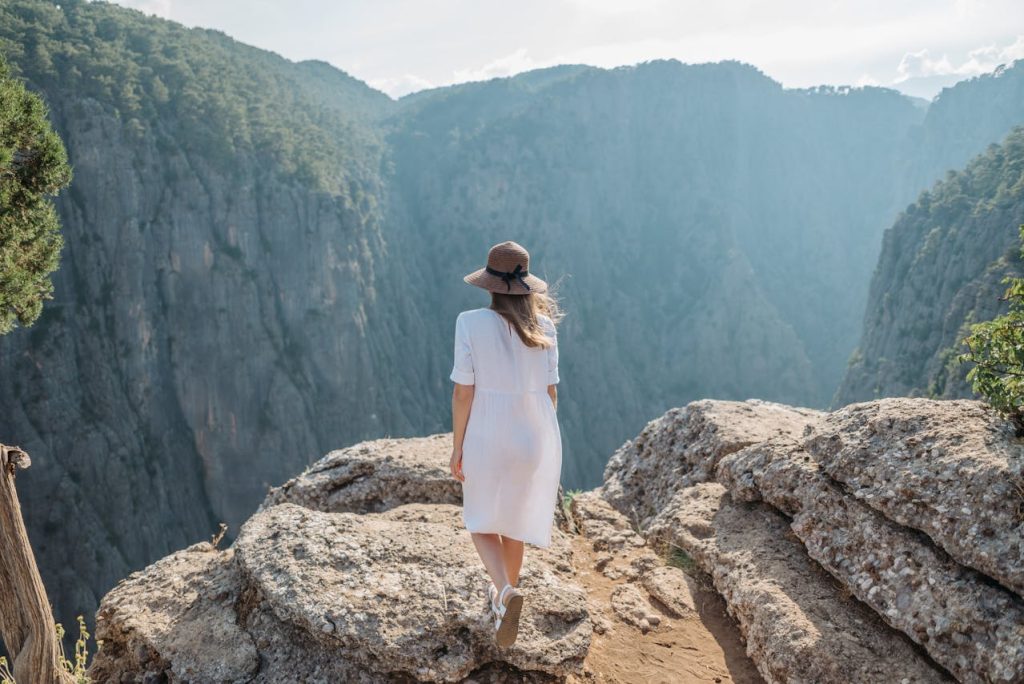
Europe travel plans often become a full mental world long before departure. The mind rehearses train boards, late dinners, and the ease of being a stranger in a beautiful place. When those plans fall apart, the loss feels bigger than a calendar change.
A US mountain trip can look like the clean substitute. Vacation days are still there, bags are still half-packed, and nature still promises a reset. But replacement travel has a hidden cost: it is asked to be joyful and to repair disappointment at the same time.
For many women, the contrast is sharp because the imagined Europe experience is crowded with human texture. Streets stay lively, cafés stay open, and there is always somewhere to slip into when the mood shifts. Mountains can be restorative, but they can also feel quieter than the moment calls for.
The magic does not disappear because the mountains got worse. It fades because the trip is being compared to an untested, perfect itinerary that only existed in imagination. Until that comparison is named, even a great view can land oddly flat.
Europe Sets a Different Kind of Expectation

Europe is often imagined as social by default, even when traveling solo. There is public life everywhere, so small interactions happen without effort, and the day feels full before any big plan begins. That expectation quietly raises the bar.
Mountains reward a different kind of attention. They ask for patience, stamina, and comfort with silence, then pay it back in scale and stillness. When someone is craving street energy, that silence can feel less like peace and more like absence.
This is why a mountain getaway can feel disappointing even when the scenery is stunning. The trip is not failing, it is answering a different question than the one the traveler brought. A city trip feeds novelty through constant change; a mountain trip feeds depth through slow noticing.
The fix starts before the first trailhead. Instead of asking the mountains to deliver Europe, it helps to decide what the mountains are for: calm, confidence, physical momentum, or a break from screens. A clear purpose makes the experience easier to receive.
The Backup-Plan Effect Drains the View
Once a trip becomes the substitute, everything gets graded. The drive feels longer, the coffee stop feels smaller, and the first overlook can feel like it is missing the spark that was supposed to arrive with a passport stamp. Nothing is wrong with the day, yet it keeps getting measured.
Social media turns that measuring into a habit. Europe travel content is constant and edited to look effortless, which can make real-world moments feel ordinary by comparison. The mind starts scanning for proof that the backup plan is good enough.
Loneliness here is not always about being physically alone. It is often about carrying a private disappointment that does not translate well in conversation, especially when people expect a cheerful trip report. That gap between what was hoped for and what can be shared creates distance.
The way out is simple, but not easy: stop forcing the mountain trip to justify itself. Europe can still be a real dream worth returning to. The mountains deserve to be judged on their own terms.
Crowds and Reservation Systems Change the Mood
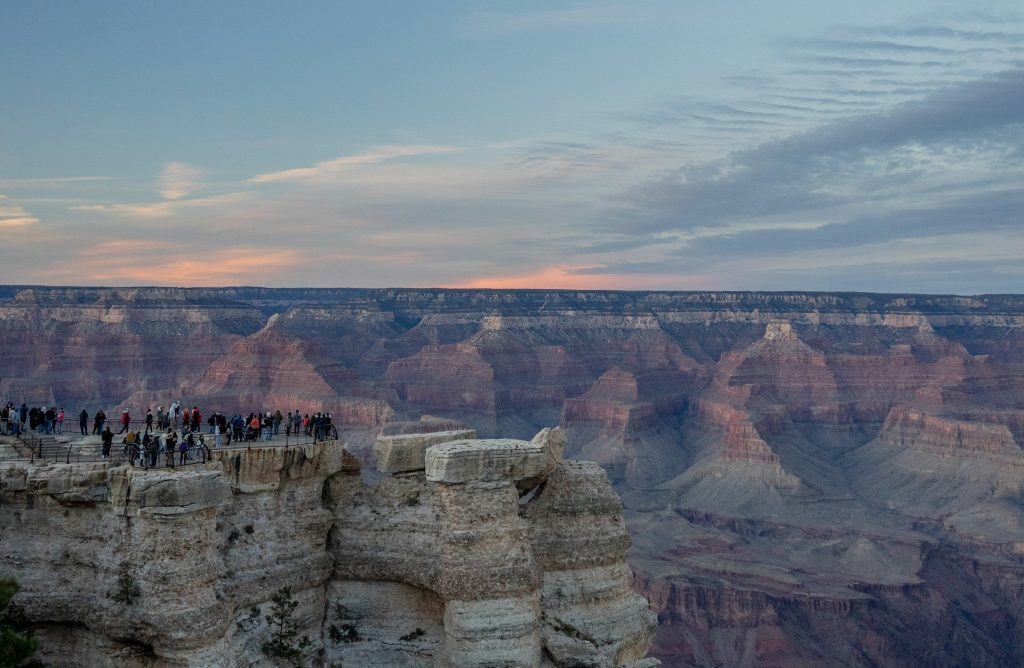
Part of the lost-magic feeling is practical: many iconic mountain places are busier than people expect. The National Park Service reported a record 331.9 million recreation visits in 2024, which helps explain why quiet can feel harder to find even in wide landscapes.
Crowds change the emotional texture fast. Parking lots fill early, viewpoints turn into lines, and the day starts to feel managed rather than discovered. Even a short wait can break the spell when someone arrived looking for spaciousness.
The systems built to manage demand can add friction too. Arches National Park has warned that timed-entry reservations may be needed to visit in 2026, with updates posted as plans finalize.
For someone already worn down by travel plans collapsing, more planning rules can feel like the same headache in a different outfit. The mountains still deliver beauty, but the path to it can feel like a small administrative project.
Safety Math Can Make Solitude Feel Heavy
Solitude is part of the appeal of mountain trips, but it comes with calculations that quietly consume energy. Many women do a constant scan: distance to help, shifting weather, daylight, trail traffic, and what the parking area feels like. That mental load can blunt the sense of ease.
The National Park Service puts it plainly in its hiking safety guidance: it is safer to hike with a companion, and solo hikers should take extra measures to be prepared. This is practical advice, but it also explains why some trips feel less carefree than the photos suggest.
Europe is often imagined as buffered by public life. If something feels off, there is usually a café, a museum, or simply more people nearby. On a remote trail, the same moment can feel bigger because options feel fewer.
Safety planning helps because it lowers the background stress. A clear route plan, realistic mileage, and trails that match the day’s energy can turn vigilance into quiet confidence. When the mind relaxes, wonder has room to show up.
The Social Texture Is Different Than a City Trip
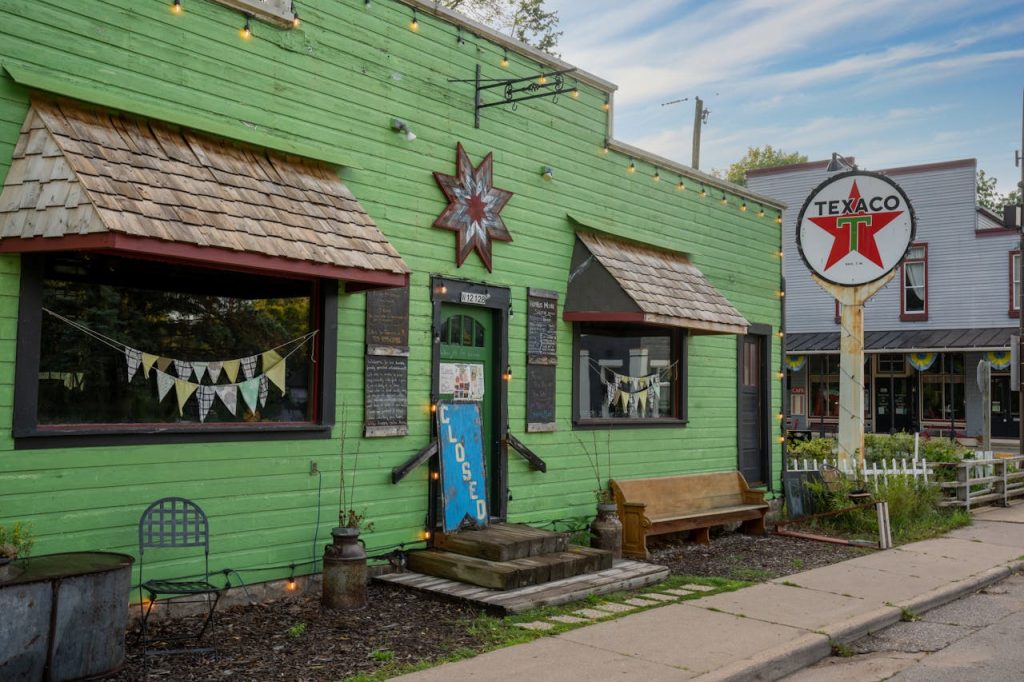
A city trip offers constant micro-contact: overheard conversations, shopkeepers, small courtesies, and the feeling of being part of a moving crowd. Even when someone wants solitude, it is the kind they can step into and out of at will. That flexibility is part of what people miss when Europe plans fall apart.
Mountain trips are more private by design. The day can be long stretches of driving, hiking, and looking out, with fewer spontaneous human moments to break up the internal dialogue. If disappointment is already riding along, privacy can amplify it.
This is where women’s travel expectations can clash with the setting. Many women plan trips that balance independence with a sense of shared atmosphere, even if they are traveling alone. When the atmosphere is mostly silence, the trip can feel emotionally thin unless something else fills it.
What helps is building in small, human anchors. A ranger talk, a local diner, a bookstore stop, or a short guided walk can add social texture without turning the trip into a crowd chase. The goal is not constant interaction, just enough contact to keep the day from feeling sealed off.
Ethics and Leave No Trace Can Become Performance
Outdoor ethics matter, and most travelers want to do the right thing. But the modern emphasis on doing everything correctly can create a subtle performance layer: where to park, how loud to be, how to pass on trail, how close is too close for wildlife. That self-monitoring can sap joy.
Leave No Trace guidance emphasizes planning ahead, knowing regulations, and even scheduling trips to avoid times of high use. It is good stewardship, but it can also make a spontaneous getaway feel like it comes with homework.
For women who are already running a safety checklist, extra rules can feel like one more job. The trip becomes about managing impact, managing risk, and managing perception. Enjoyment gets delayed.
The answer is not ignoring principles. It is simplifying: pick a few core habits you will follow well, and let the rest be handled by preparation and common sense. When responsibility feels natural, it stops crowding out wonder.
Rebuilding Magic Through Connection and Structure
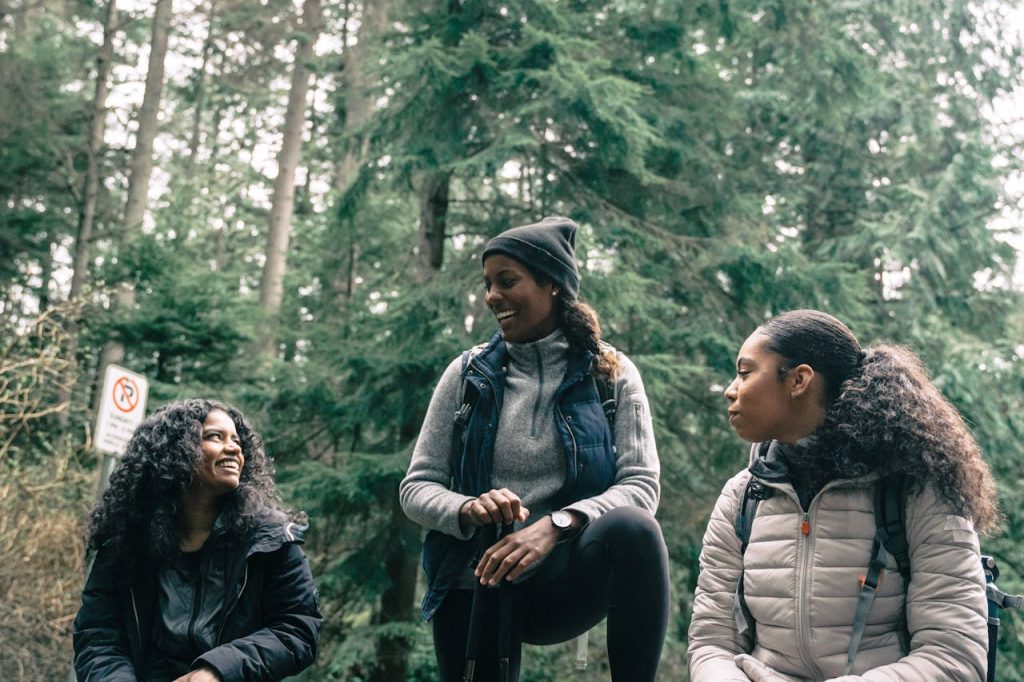
The biggest mistake is trying to erase the Europe disappointment. A canceled dream deserves acknowledgment, not a forced smile. Once that truth is allowed, the mountain trip stops being a consolation prize and starts being a choice again.
Loneliness is also not a personal failure. The U.S. Surgeon General’s advisory frames social connection as foundational to health and argues it deserves serious attention at a societal level. That framing helps explain why disrupted plans can hit deeper than people expect.
Then comes design. Add connection on purpose: pick a town with a market day, book one guided experience, meet a friend for one meal, or stay somewhere with a walkable main street. Tiny social moments can change the emotional shape of the entire trip.
Finally, give the trip gentle structure. A morning ritual, a midday non-hike stop, and an evening wind-down walk can keep the days from blurring together. Structure creates story, and story is what people were chasing in Europe in the first place.
Letting the Mountains Be Their Own Kind of Beautiful
US mountains did not lose their magic permanently. What changed is the expectation placed on them when a Europe dream is sitting in the passenger seat, quietly grading every stop. Once the comparison loosens, the same landscape can feel fresh again.
For many women, the most satisfying mountain trips blend beauty with ease. That means choosing routes that feel safe, timing visits to reduce crowd stress, and giving the day space for small comforts. Magic often returns through basics, not grand gestures.
It also helps to treat uncertainty like a normal part of travel rather than a threat to enjoyment. The American Psychological Association’s tips on uncertainty emphasize focusing on what is controllable and avoiding obsessive rumination. That mindset fits perfectly when plans have already been shaken.
Europe can remain a real goal for later, without being the standard that ruins everything else. The mountains can still be a refuge, but they work best when they are allowed to be themselves. A trip stops feeling lonely when it stops apologizing for what it is.