How Younger Travelers Are Redefining Culture, Priorities, And Purpose Amid Global Conflicts

I used to default to the historic crossroads of the Eastern Mediterranean and the Levant for major milestone trips.
The plan always centered on ancient heritage sites, bustling bazaars, and seamless border access between diverse cultures.
Now, looking toward 2025 and 2026, the reality of geopolitical instability, unpredictable airspace restrictions, and heightened disruption risk makes that old default feel precarious.
Navigating unpredictable security environments no longer feels like an adventure. Tourism studies suggest modern travelers prioritize destinations offering political stability, transparent entry rules, and emotional ease over historically volatile hotspots.
That is the shift. The focus now turns toward places providing reliable infrastructure, democratic stability, and secure borders without the looming threat of sudden travel logistical nightmares.
Montevideo, Uruguay
Montevideo offers a profound sense of political stability and civic calm that the unpredictable Eastern Mediterranean region simply cannot match.
Conflict researchers explain that shifting toward neutral democratic strongholds allows travelers to engage with local culture without the underlying anxiety of sudden border closures.
The decision to pivot to South America reflects a deep desire for planning flexibility and emotional safety over the high stress of navigating geopolitical fault lines.
Economic researchers report that anchoring travel in a stable capital drastically reduces disruption risk and the need for complex premium travel insurance.
Planners appreciate how this approach stabilizes long term budgeting since the city avoids the sudden cost pressure spikes associated with volatile zones.
The local infrastructure reliability ensures seamless daily movement and secure public spaces. That is why the math changes.
The city features exceptional walkability alongside vibrant coastal access and a relaxed major metro amenity scale.
Experts flag potential downsides regarding distance from major global transit hubs which increases initial flight costs.
Regional price variation heavily impacts the area making it more expensive than neighboring South American nations. Health system navigation requires careful planning for foreigners seeking specific private health access.
Wellington, New Zealand
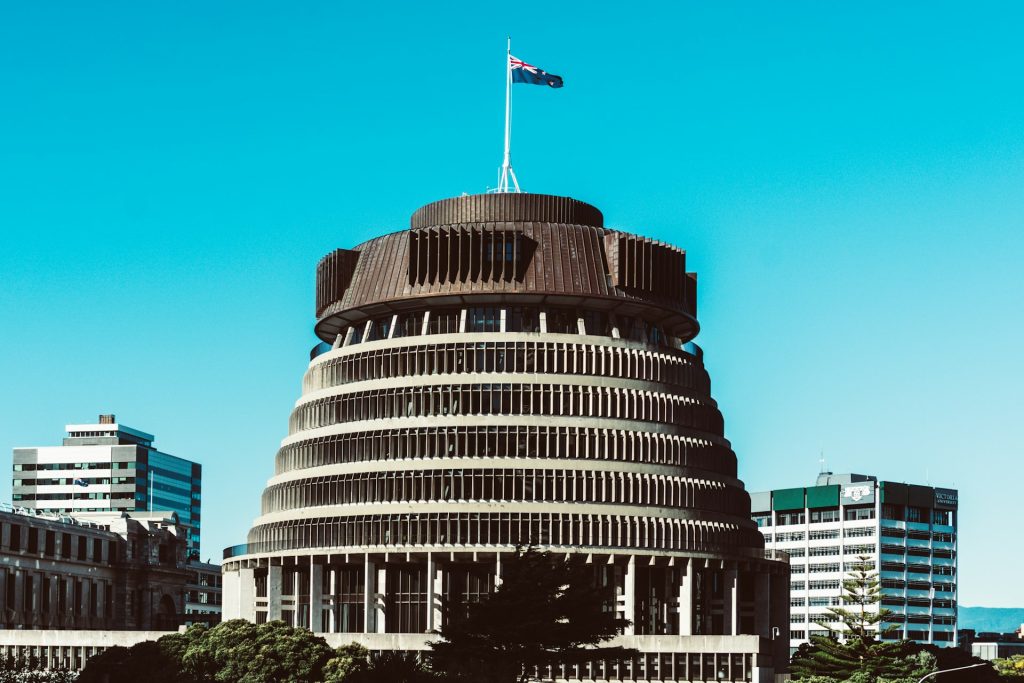
Wellington provides an ideal environment for secure exploration that the high risk Eastern Mediterranean corridor makes entirely impossible.
According to risk analysts choosing an isolated but highly developed island nation effectively eliminates exposure to regional land conflicts and sudden multinational border closures.
Travelers find that establishing a base in a politically transparent capital replaces the exhausting vigilance required in volatile regions with genuine psychological comfort.
Tourism studies suggest the cost pressure of securing refundable flights and premium evacuation insurance for unstable regions rapidly depletes travel funds.
Staying anchored in this Pacific hub leverages strong infrastructure reliability and highly predictable entry rules.
Museum professionals note that engaging deeply with national heritage sites here offers rich cultural interpretation without the intense security checkpoints required elsewhere.
The destination offers a thriving transit culture combined with brilliant coastal access and accessible mountain towns nearby.
Economic researchers warn inflation exposure remains a reality in New Zealand driving up daily dining and housing driven lodging pressure.
Distance from family in the Northern Hemisphere concerns some travelers managing limited vacation time. The maritime climate includes sudden wind and rain shifts which dampens the appeal for travelers seeking guaranteed sunshine. That tradeoff matters.
Kyoto, Japan
Kyoto provides the profound cultural grounding that highly volatile crossroads simply cannot guarantee during times of global disruption.
Heritage institutions note the city maintains meticulous crowd control policies at major heritage sites ensuring peaceful museum interpretation without the chaos of disorganized emerging markets.
The decision to embrace a highly developed cultural capital replaces the deep anxiety of volatile border access with genuine psychological comfort.
Economic researchers report that favorable currency effects currently make long term budgeting highly predictable for international visitors seeking stability.
Risk analysts warn that remaining in unstable zones often means sacrificing reliable private health access whereas established Japanese hubs offer world class medical infrastructure.
Planners appreciate how avoiding conflict zones drastically reduces disruption risk and lowers daily travel logistics costs. That is why the math changes.
The city features exceptional walkability alongside beautifully preserved historic districts and a highly functional local transit culture.
Experts flag potential downsides regarding language barriers during complex administrative tasks or emergency situations.
Housing driven lodging pressure remains exceptionally high during peak spring and autumn seasons requiring advanced booking strategies.
Navigating strict local etiquette rules often requires a steep learning curve for international arrivals. That tradeoff matters.
Bergen, Norway
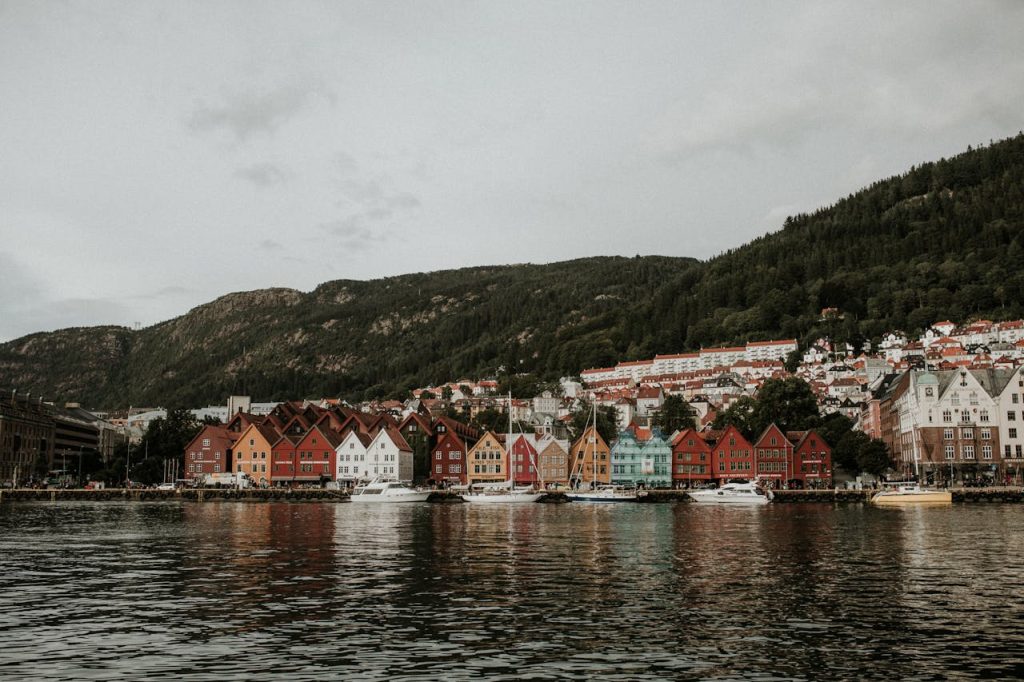
Bergen serves as a highly secure anchor city that completely eliminates the need to navigate the unpredictable airspace of the old Eastern Mediterranean default.
Experts say choosing a high trust Nordic society mitigates disruption risk while still providing world class cultural infrastructure and profound historical depth.
According to heritage institutions settling into a historic European port allows visitors to appreciate complex maritime traditions within an incredibly safe civic environment.
The strategy avoids the constant anxiety found when booking transit through regions prone to sudden diplomatic crises.
Planners note that avoiding volatile areas provides substantial relief from the aggressive insurance premiums currently impacting global travel logistics.
The location is defined by distinct four season living and major metro amenities scaled down to a comfortable community level.
Risk analysts note currency effects do not typically favor international visitors here requiring a robust travel budget.
Understanding residency rules or extended entry rules requires navigating strict local bureaucracies. The dark winter months present severe climate stress for travelers accustomed to temperate equatorial environments.
Quebec City, Canada
Quebec City serves as a highly secure cultural anchor that completely replaces the need to navigate the exhausting travel logistics of far flung unstable regions. Experts say choosing a high trust North American hub mitigates the anxiety of suddenly shifting residency rules found in less stable nations.
Conflict researchers explain that democratic stability provides the ultimate emotional safety net for international visitors seeking peace of mind.
The robust local infrastructure reliability ensures seamless daily movement without the threat of sudden transit strikes or supply shortages.
Travelers find that establishing a base in a politically transparent regional capital replaces the exhausting vigilance required in conflict adjacent regions with genuine relaxation.
The location offers a vibrant small city pace combined with immediate mountain towns nearby and distinct seasonal charm.
Risk analysts note the area experiences severe climate stress during deep winter months which complicates local transit and outdoor exploration.
Understanding the dominant Francophone culture requires visitors to navigate significant language barriers outside the primary historic zones.
Distance from major international airline hubs adds extra domestic flight connections for global arrivals.