Is Solo Female Travel Actually Getting Safer or Are We Just Getting Better at Pretending It Is?
Solo female travel is no longer niche. Airlines, tour companies, hotel brands, and tourism boards now openly market to women traveling alone.
But the big question has not gone away. As bookings rise and social media sells independence as normal, recent reporting and industry data suggest safety may be improving in some ways while public messaging often makes those gains look bigger and more universal than they really are.
1. More women are traveling alone, and that changes the picture
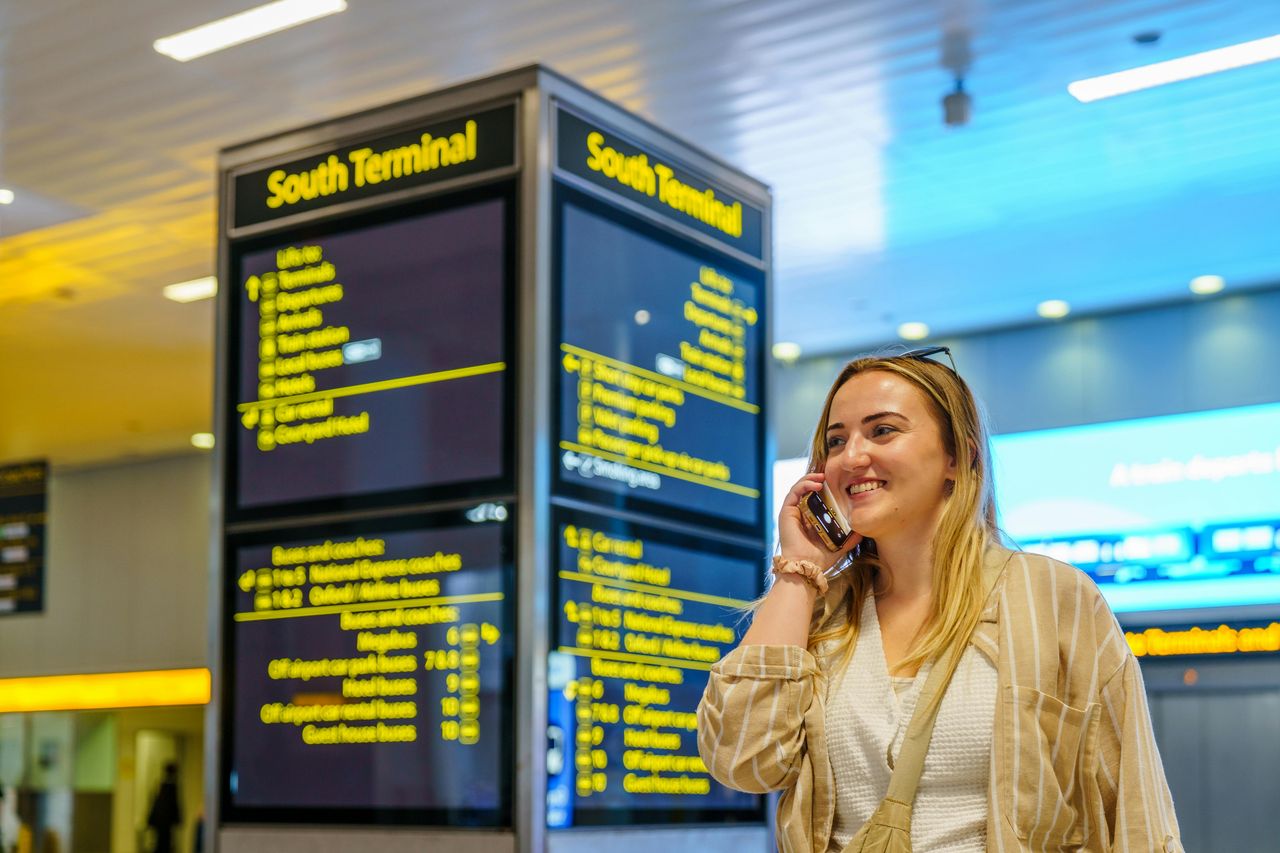
The clearest fact in this story is that solo female travel has grown fast. Booking platforms, group tour operators, and travel advisers have reported steady demand from women traveling without partners, friends, or family, especially since the pandemic recovery period. Several travel companies have said women make up the majority of solo travel bookings, and some brands now build entire products around that market.
That rise matters because raw incident counts can look worse when participation goes up. If more women are taking solo trips, more reports of theft, harassment, stalking, or assault may surface even if risk per traveler is flat or modestly lower. Experts in travel risk often warn that popularity and safety are not the same thing.
At the same time, visibility has changed behavior. Women now share route tips, hotel warnings, taxi scams, and neighborhood advice in real time through videos, forums, and group chats. That kind of information was harder to find a decade ago, and many travelers say it helps them avoid obvious trouble spots before a trip even begins.
2. Some safety tools are better than they used to be
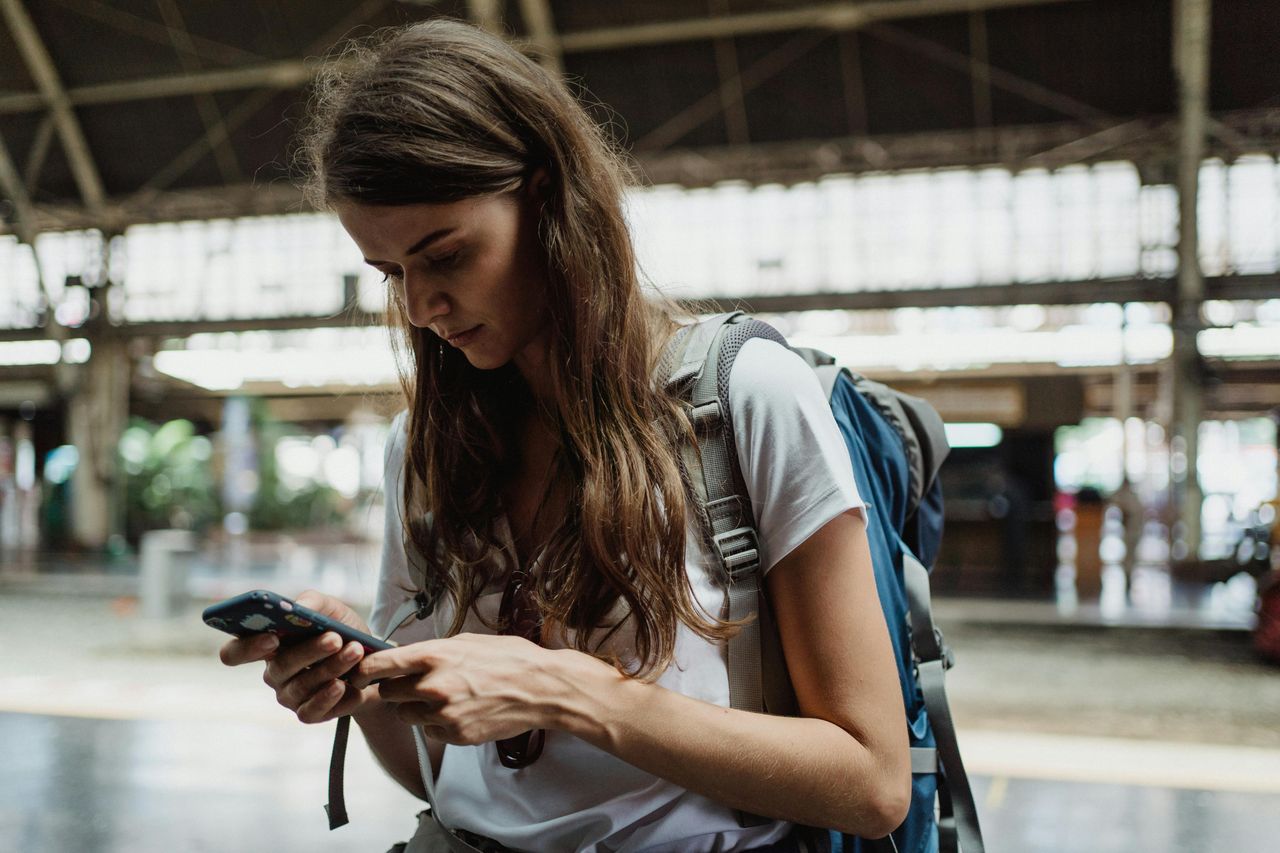
In practical terms, solo travel in 2026 comes with more built-in safety tools than it did in earlier years. Smartphone location sharing, in-app ride tracking, digital room keys, emergency contact features, translation apps, and better mobile banking alerts have all made it easier to react quickly when something feels off. For many travelers, that lowers stress and improves day-to-day decision making.
Hotels and hostels have also adjusted. More properties now advertise 24-hour front desks, women-only dorms, monitored entrances, and verified driver partnerships. Large travel companies increasingly offer airport transfers, live chat support, and safety briefings as selling points, especially in destinations trying to attract first-time solo visitors.
Still, technology has limits. Ride-share records do not prevent every assault, and location sharing only works if someone is paying attention. Travel security specialists often note that tools can reduce exposure to common problems like getting lost or overcharged, but they do not erase deeper risks such as gender-based violence, weak policing, or poor legal protections in some destinations.
3. Harassment remains common, even where violent crime is low
One reason the safety debate feels unresolved is that women often measure danger differently than official crime tables do. A city may post relatively low homicide or robbery rates and still leave solo female travelers dealing with catcalling, unwanted attention, drink tampering fears, persistent following, or pressure in nightlife districts. Those incidents may never appear cleanly in tourism promotion.
That gap shows up repeatedly in surveys. Women frequently report changing clothes, routes, check-in times, and transportation choices to reduce attention. They avoid ground-floor rooms, limit evening walks, and share itineraries as routine practice. Those are not signs of panic, but they do suggest that many travelers still feel responsible for managing risks that destination marketing rarely spells out.
Public agencies have become somewhat more direct. The U.S. State Department continues to issue destination-specific guidance based on crime, civil unrest, terrorism, health, and wrongful detention concerns. But those advisories are broad and not designed specifically around gender. That means women still rely heavily on word of mouth, recent traveler accounts, and local context that official ratings can miss.
4. Social media has made travel advice better and risk perception messier
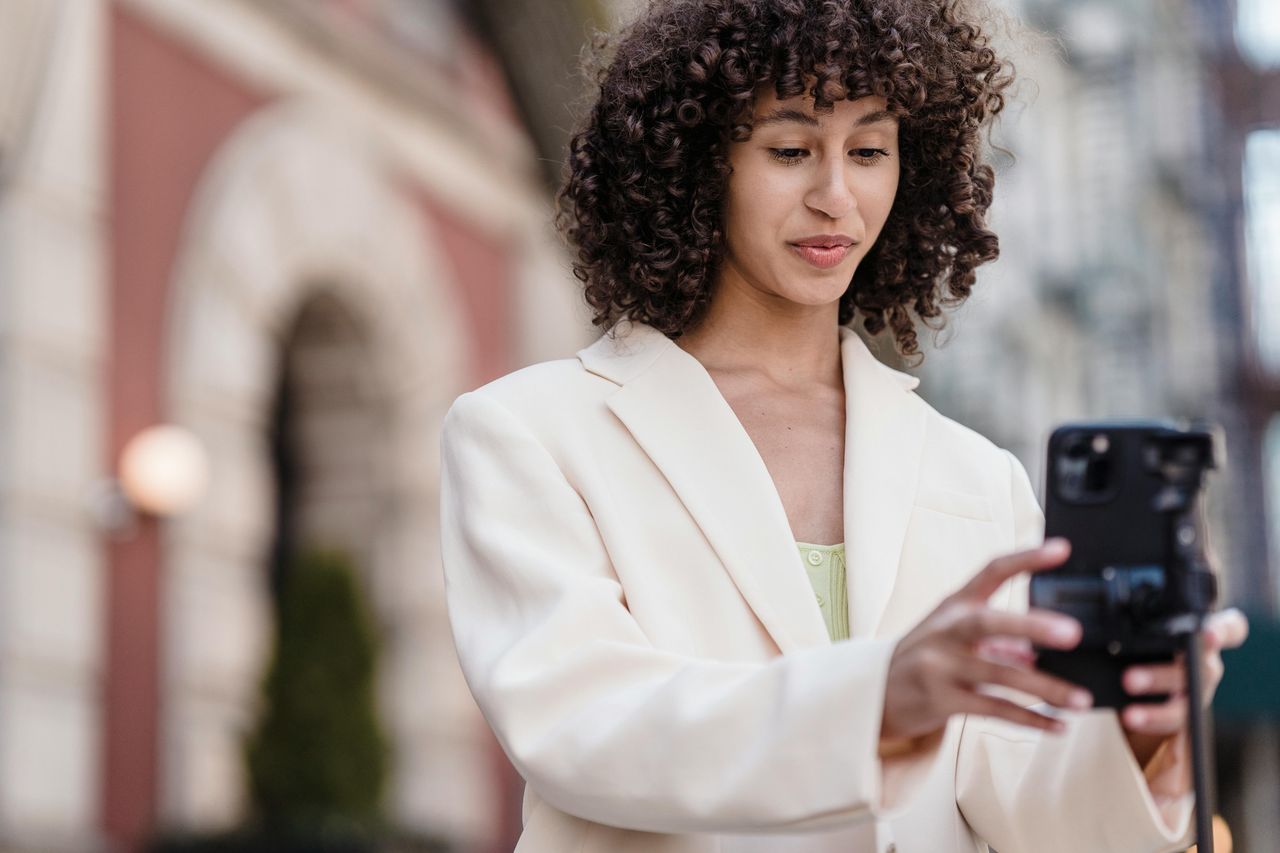
Platforms packed with hotel reviews, neighborhood walkthroughs, and scam warnings have made solo planning easier. A traveler can now see street conditions, transit layouts, and late-night arrival advice before booking. That kind of detail can genuinely improve safety, especially for first-time solo travelers trying to avoid avoidable mistakes.
But the same platforms can also blur reality. A destination may look effortless if creators post rooftop breakfasts and “felt totally safe” captions without mentioning private transfers, premium neighborhoods, daytime-only filming, or local fixers. Viewers can come away thinking confidence alone is protection, when in reality many trips are carefully controlled.
Researchers and travel advisers have increasingly warned against treating viral content as risk assessment. Online confidence can normalize underprepared travel and make women feel as if caution is old-fashioned or fearful. In practice, experienced solo travelers usually do the opposite. They read recent reviews, check arrival logistics, identify backup lodging, and know how they will get help before anything goes wrong.
5. The honest answer is yes in some ways, no in others
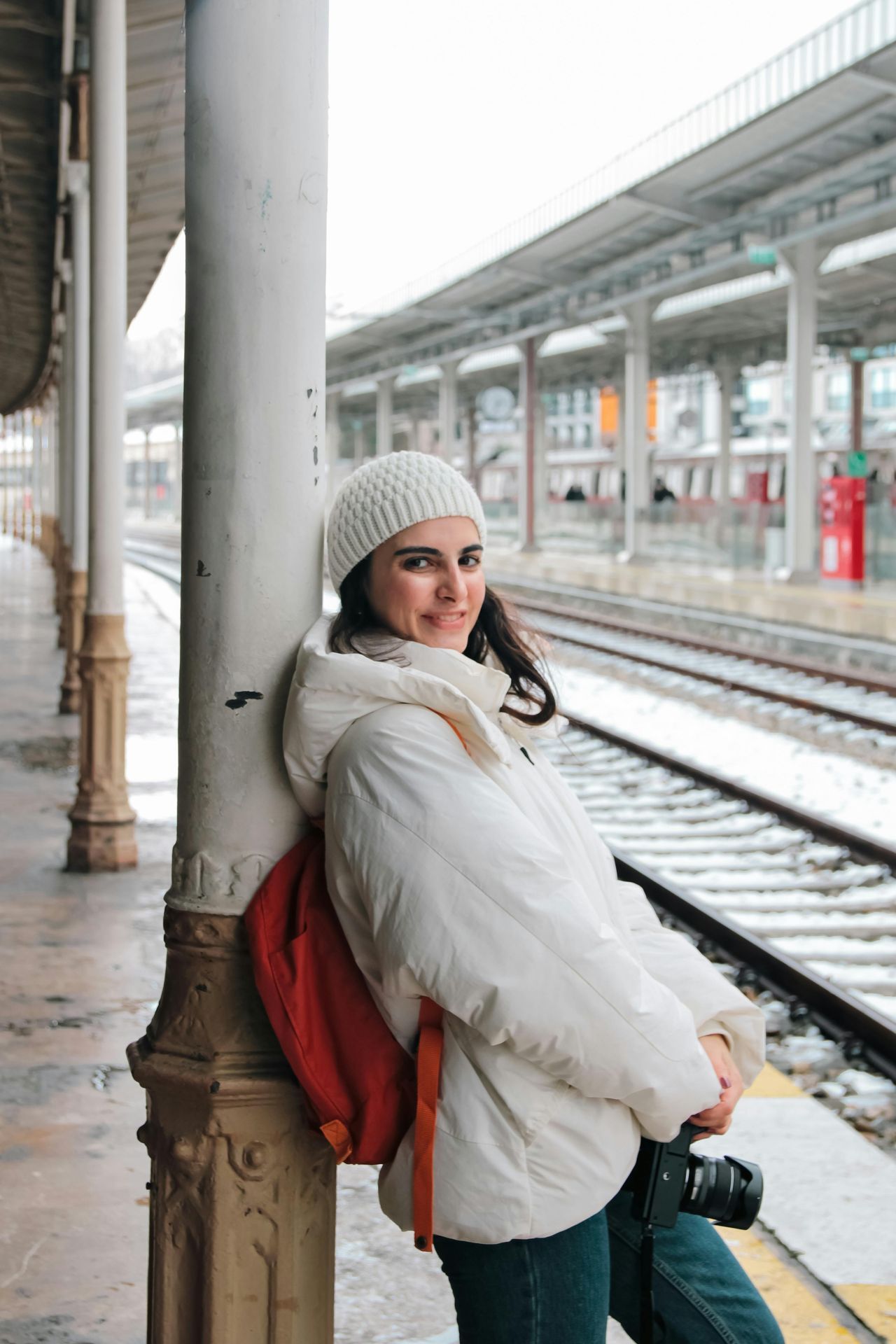
So is solo female travel getting safer? In some respects, yes. Better information, stronger digital tools, wider public discussion of harassment, and improved travel products have helped many women move through the world with more control than they had in the past. Some destinations have also invested in lighting, public transit security, tourism policing, and hospitality training, all of which can make a real difference.
But that does not mean the underlying risk has changed everywhere, or changed equally. A polished tourism campaign cannot fix weak law enforcement, poor prosecution of sexual violence, unsafe transit connections, or cultural norms that leave women exposed to persistent harassment. In many places, the burden still falls on the traveler to anticipate problems and build her own safety net.
That is why the current moment looks like both progress and performance. Solo female travel is more possible, more visible, and in many cases more manageable than before. Yet the smartest reading of the trend is not that women are imagining danger less. It is that many have become exceptionally skilled at navigating it.