Planned to Retire in Florida, but These 10 States Have Taken Its Place – Here’s Why
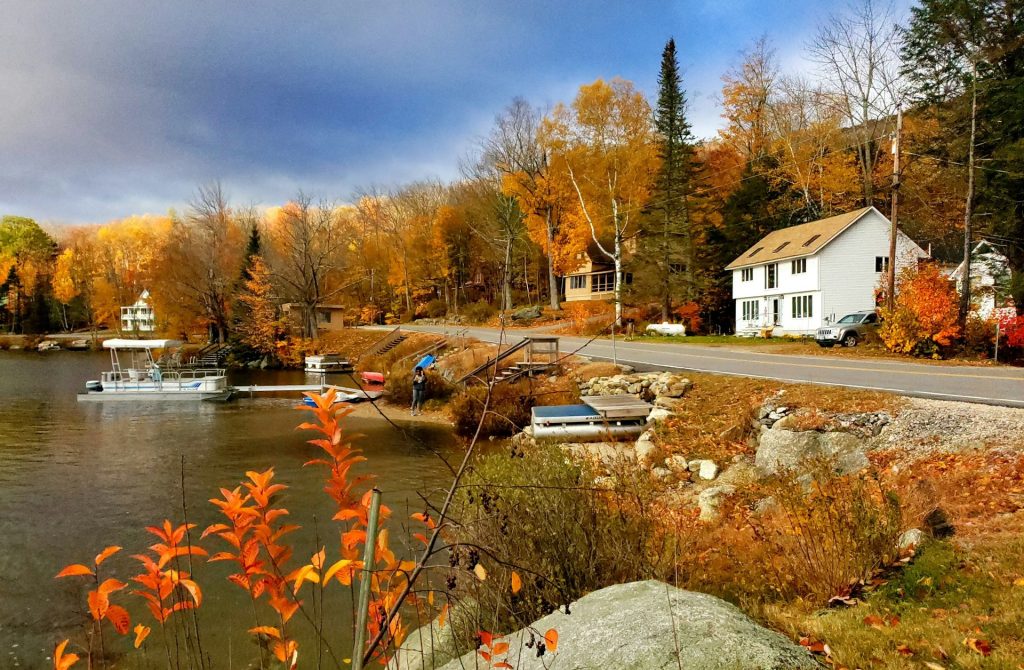
Florida used to feel like the default retirement answer: warm winters, beach air, and an easy social calendar. Lately, more planners have started weighing day to day costs, crowding in fast growing metros, and the extra work that comes with storm season.
That has not ended Florida’s appeal. It has simply widened the map. These states keep the comfort retirees want, but trade the peninsula feel for steadier routines, strong medical hubs, or towns that stay pleasant after the honeymoon phase.
Each option below wins in a slightly different way, which is why the right choice often comes down to lifestyle details, not hype. Over time.
South Carolina

South Carolina offers warm winters and coastal charm, but it often feels less frantic than the biggest Florida hubs. Retirees choose beach towns, lowcountry landscapes, or inland communities with golf, gardens, and evening walks, all within reach of airports and major medical systems.
Charleston, Columbia, and Greenville anchor health care and cultural life, while smaller towns keep errands short and neighbors familiar. Housing varies by county, yet many areas feel easier to navigate than saturated resort strips.
Storm planning still matters near the water, so many households live a bit inland and treat beach days as an easy drive.
North Carolina

North Carolina works for retirees who want variety without changing states. Mountains bring cooler nights and blue ridge drives, the Piedmont offers mid sized cities with hospitals and universities, and the coast adds historic neighborhoods with a slower pace than many resort corridors.
The state’s mix of small towns and growing metros makes it easier to tune daily life: walkable districts, arts calendars, and enough airport access for family visits without living in constant traffic.
Coastal weather deserves respect, but many popular retiree communities sit inland enough to keep routines steady while beaches stay close.
Tennessee

Tennessee draws retirees who want warmth, music, and community energy without living on an exposed coastline. Nashville, Knoxville, and Chattanooga offer strong hospital networks and plenty to do, while smaller towns deliver lake life, porches, and local festivals that keep the year feeling social.
Many households like the budgeting clarity, since the tax setup is often simpler than in places with extra layers. That predictability can matter once income becomes more fixed.
Summer humidity is real, and some areas flood, but the trade feels worth it for retirees who prefer hills, rivers, and day trips over beach crowds in peak season.
Georgia

Georgia offers Florida like warmth with more geographic range. Barrier islands and coastal towns bring salt air and quiet mornings, North Georgia adds lakes and foothills, and metro Atlanta anchors the state with major hospitals, specialists, and nonstop flights.
Retirees often like the mix of college town culture, local sports, and neighborhoods built around normal errands, not just visitors. That makes it easier to settle into routines and still have good restaurants and arts nearby.
Humidity can be heavy, but choosing the right pocket, from higher elevations to smaller cities, helps daily life feel calmer and more predictable.
Arizona

Arizona appeals to retirees who want sun without Florida’s humidity and who like planned communities that make friendships easy. The Phoenix and Tucson regions offer wide health care access, clubs and classes, and neighborhoods designed for morning walks and social calendars.
The trade is summer heat, which pushes life toward early starts, shaded paths, and cooler indoor afternoons. Many people also like that quick drives can reach higher elevation towns with pine air and lower temperatures.
For retirees who schedule smartly and treat hydration like a routine, the dry climate can feel steady, bright, and surprisingly comfortable.
Delaware

Delaware suits retirees who still want a coastal mood but prefer a smaller, easier footprint than Florida. Beach towns like Lewes and Rehoboth feel walkable and community focused, and the Mid Atlantic location keeps trips to family in the Northeast simple.
Everyday logistics are a selling point: shorter drives, less sprawl, and fewer places where traffic becomes the default mood, even on summer weekends. Many also like that state rules and fees often feel straightforward when setting up a new home.
Winters are cooler than Florida, yet many retirees accept that swap for calmer seasons, steady services, and a shoreline that feels more local.
New Hampshire
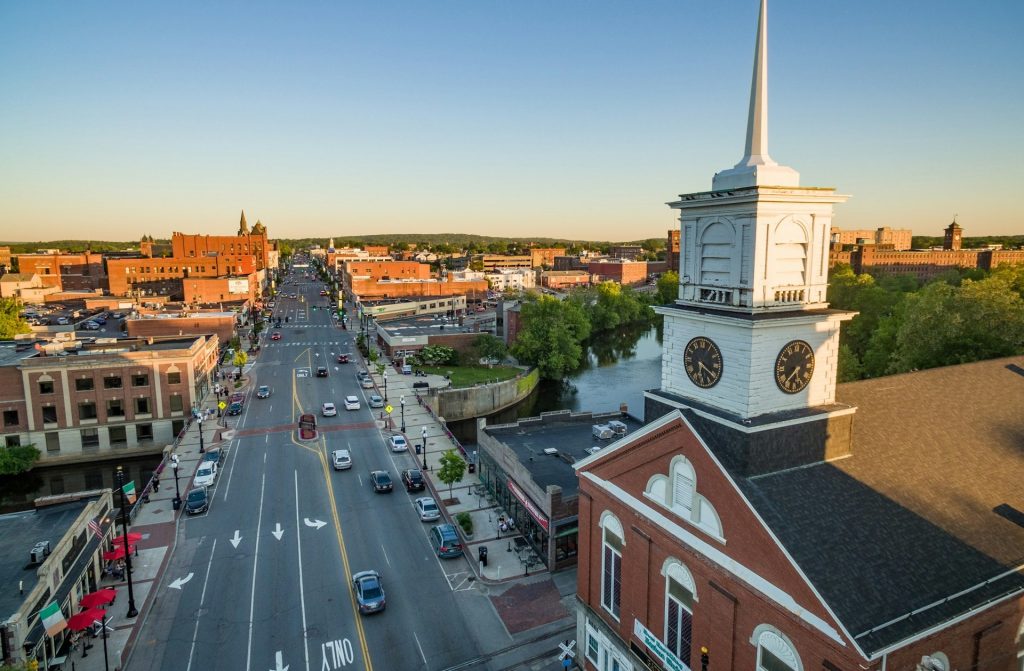
New Hampshire fits retirees who trade palm trees for calm towns, lakes, and a daily pace that feels orderly. The Lakes Region and small cities support an outdoors first routine, and proximity to Boston expands access to specialty care and major airports without metro congestion.
Day to day costs can feel easier to track, and many towns invest in practical services that keep routines smooth. Community life leans grounded: libraries, farmers markets, volunteer groups, and trails that stay part of the week.
Winter is the trade, but for households that prefer crisp air and low humidity, the seasons can feel energizing rather than limiting.
Maine

Maine replaces the tropical dream with a coastal life that feels grounded and local. Working harbors, pine forests, and long summer evenings support slow routines built around walks, seafood, bookstores, and community events.
Portland adds dining, museums, and an airport, while smaller towns offer a quieter baseline once tourist season fades. Many retirees like having solid hospitals within a practical drive, plus neighborhoods where errands stay simple and familiar.
Winter is the trade, but many households prefer clear seasons and cooler summers, especially when the payoff is calm roads and strong community ties year round.
Wyoming
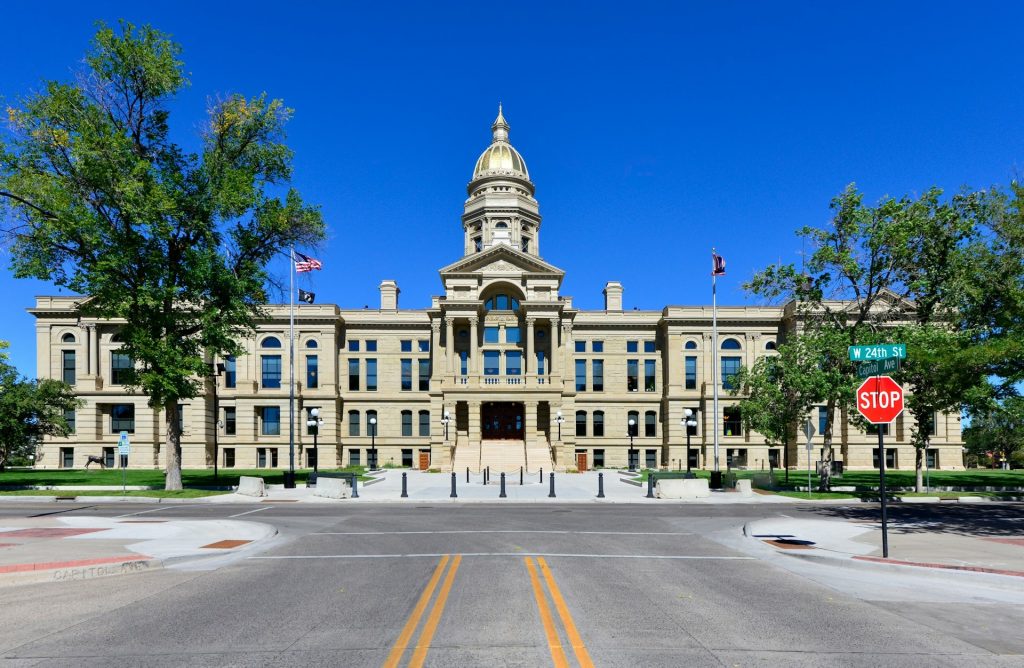
Wyoming attracts retirees who want space, clean air, and days that feel unhurried. Towns like Cheyenne, Casper, and Laramie stay practical, with trails, fishing, and wide open views that make routines feel restorative. Nights often cool down, even in summer.
Many people like the budgeting simplicity and the sense that costs stay plain, not packed with surprises. Housing can also feel more reachable than in many fast growing sunbelt metros. Utilities and traffic are lighter, too.
Health care can be thinner outside regional hubs, so retirees often choose a town near a hospital, plan for specialist trips, and keep winter readiness in mind.
Texas

Texas stays a top retirement pivot because it can pair warmth with major medical centers and a wide range of city sizes. Hill Country towns offer scenery and music, and larger metros provide specialists, airports, and museums when family visits or complex care matters.
The real difference comes down to location. Some places feel relaxed and neighborly, while others bring long drives, heavy traffic, and summer heat that shapes the day. Newer suburbs can feel convenient, but spread out.
Taxes and housing costs vary by county, so many retirees do best in smaller cities where errands, parks, and clinics sit close enough to keep routines simple.