Puerto Rico Is Reinventing Itself as a Travel Destination and Beaches Are the Last Thing on the List
Puerto Rico still has the beaches that made it famous. What is changing is how the island wants to be seen.
Tourism officials, hotel groups and tour operators are increasingly selling Puerto Rico as a destination for food, music, heritage and outdoor adventure, with the coast no longer carrying the whole message. The shift matters for U.S. travelers because Puerto Rico remains one of the easiest Caribbean trips to book, with no passport required for American citizens and a broad push to attract visitors year-round, not only for sand and surf.
A broader tourism message takes shape
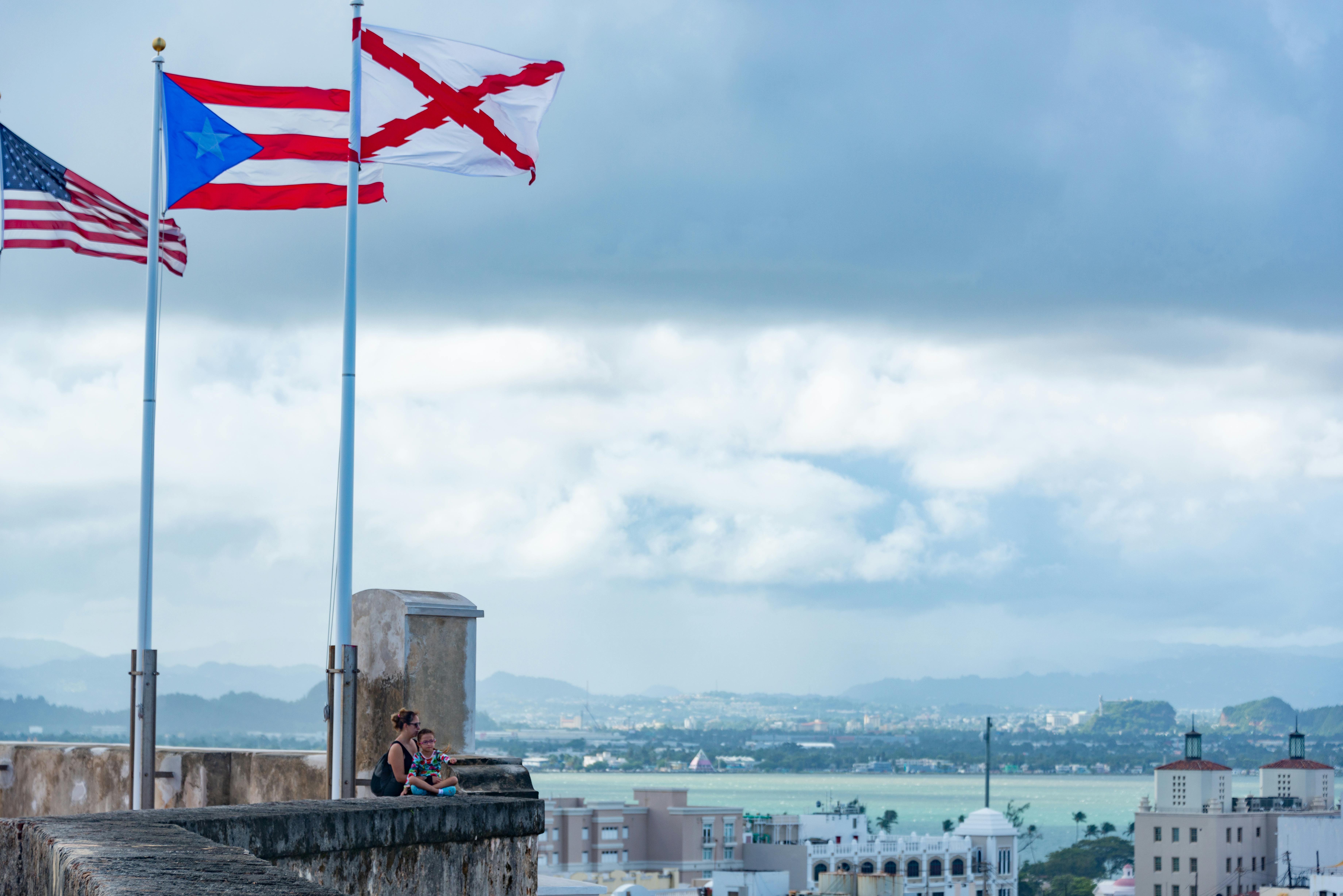
Discover Puerto Rico, the island’s destination marketing organization, has spent the past few years widening the story it tells potential visitors. Campaigns have highlighted neighborhoods in San Juan, Afro-Puerto Rican traditions in Loíza, coffee routes in the mountains and bioluminescent bays in places such as Vieques and Fajardo. The idea is simple: visitors who come for more than a beach day are more likely to stay longer and spend money across more communities.
That message has become more visible as the island’s tourism industry continues to recover and grow after years marked by hurricanes, earthquakes and the pandemic. According to Puerto Rico tourism officials, lodging demand, short-term rental activity and visitor spending have all shown strength in recent years, helped in part by steady airlift from major U.S. cities. Luis Muñoz Marín International Airport in San Juan has repeatedly posted record or near-record passenger levels, underlining how central mainland U.S. travelers are to the local economy.
For many travelers, the old image of Puerto Rico was built around resort strips and postcard beaches. But officials say that narrow picture leaves out much of what makes the island distinct from other warm-weather destinations. By steering attention inland and into smaller towns, the government and tourism sector are also trying to reduce overcrowding in the most visited coastal areas while creating a more resilient tourism model.
Industry analysts say the move mirrors a broader trend in global travel. More vacationers now look for local food, live music, history walks and nature-based activities that feel connected to place. Puerto Rico is leaning into that demand, betting that authenticity can be as powerful a selling point as shoreline views.
Food, music and heritage move to the center

One of the clearest changes is the growing focus on Puerto Rico’s culinary identity. Restaurants in San Juan, Ponce and smaller towns have become a major part of the tourism pitch, with chefs and local food entrepreneurs promoting dishes rooted in Spanish, African and Taíno influence. Travelers are being encouraged to try everything from lechón in Guavate to coffee grown in the central mountains, rather than treating meals as a side note to a resort stay.
Music and festivals are also being used as a front-door attraction. Puerto Rico has long exported reggaetón, salsa and bomba to the world, but tourism planners now want visitors to experience those traditions in the places where they live. Local events, street performances and cultural centers are increasingly part of itineraries marketed by guides and travel companies, especially for weekend breaks from the mainland United States.
Historic districts remain a core draw, but even there the messaging is expanding. Old San Juan still anchors many first-time visits with its blue cobblestones, Spanish colonial forts and walkable streets. Yet the tourism push now more often connects that experience to newer neighborhoods, galleries, bars and community-based tours that tell a fuller story of contemporary Puerto Rican life.
That repositioning has an economic goal. Tourism spending concentrated in a few beach zones tends to benefit a narrower slice of businesses. A visitor who books a food tour, attends a live music event and takes a day trip into the interior spreads dollars further, a point local business owners and tourism officials have repeatedly stressed.
Nature tourism is expanding beyond the shoreline
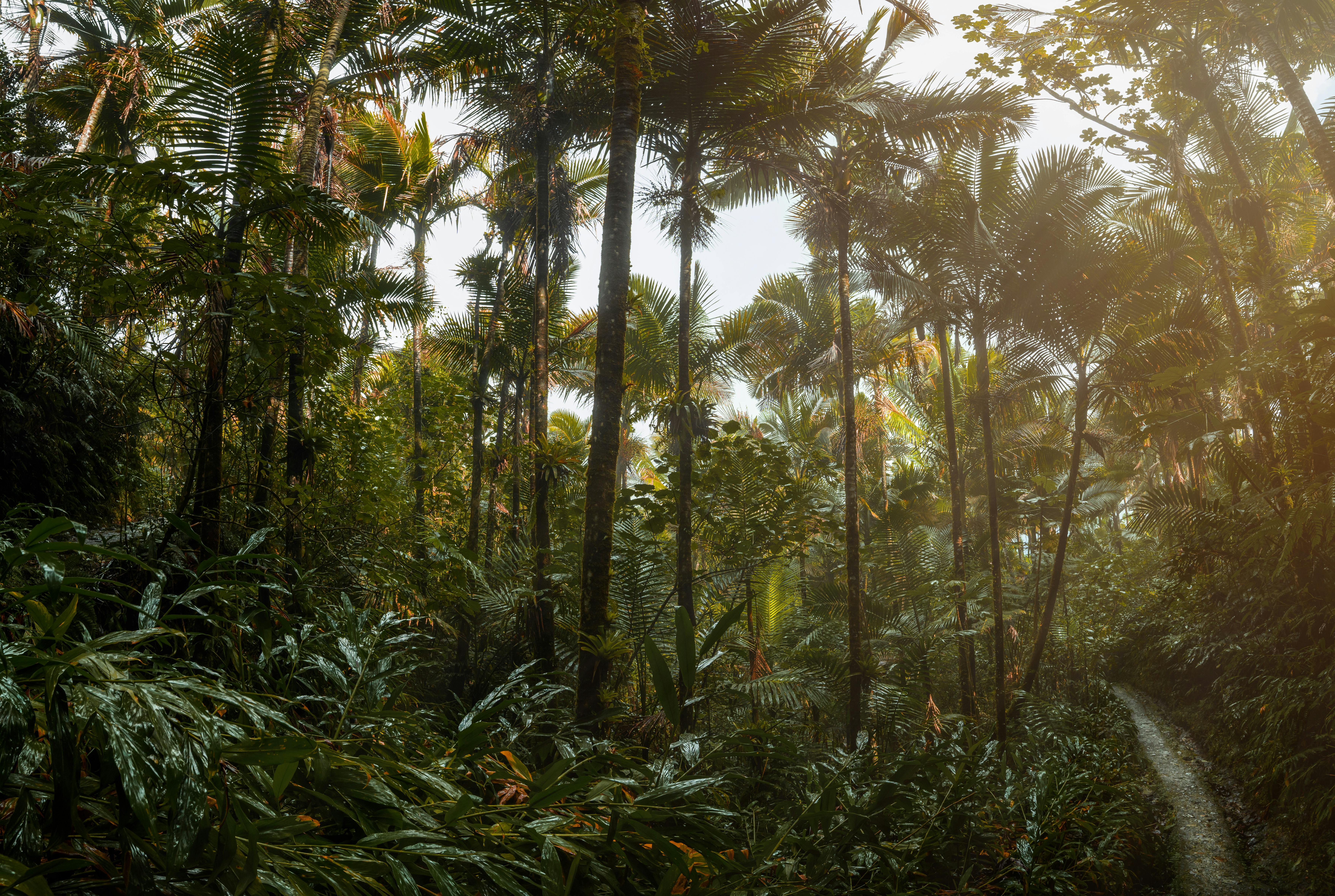
Puerto Rico’s natural appeal has not disappeared. It is simply being framed in a wider way that goes beyond lounging on the sand.
El Yunque National Forest remains one of the island’s best-known attractions and the only tropical rainforest in the U.S. National Forest System. It draws hundreds of thousands of visitors in a typical year, according to federal tourism and forest data, and it has become central to the island’s pitch for hiking, river experiences and eco-tourism. Tour guides say many visitors now build entire trips around the forest, waterfalls and nearby rural communities instead of making a brief stop on the way back to the beach.
The same is true for the island’s famous bioluminescent bays, which rank among Puerto Rico’s most distinctive experiences. Night kayak tours in Vieques, Fajardo and La Parguera give travelers something they cannot easily replicate in many U.S. destinations. Adventure operators have also pushed caving, zip-lining, surfing on the west coast, whale watching in season and mountain biking as reasons to visit in different months of the year.
This broader nature strategy serves another purpose: distributing tourism traffic. Coastal hot spots can face congestion, erosion and environmental strain when visitor numbers spike. Encouraging people to explore forests, coffee haciendas, inland towns and protected areas can ease some of that pressure, though conservation groups say it must be paired with limits, education and strong local oversight to avoid simply moving overcrowding from one place to another.
For U.S. travelers, the appeal is practical as well as experiential. Puerto Rico offers tropical weather, bilingual ease and familiar infrastructure, but with a distinct cultural identity and a wider menu of experiences than many short-haul beach trips. That combination is helping the island stand out in a crowded Caribbean market.
What the shift means for travelers and the island
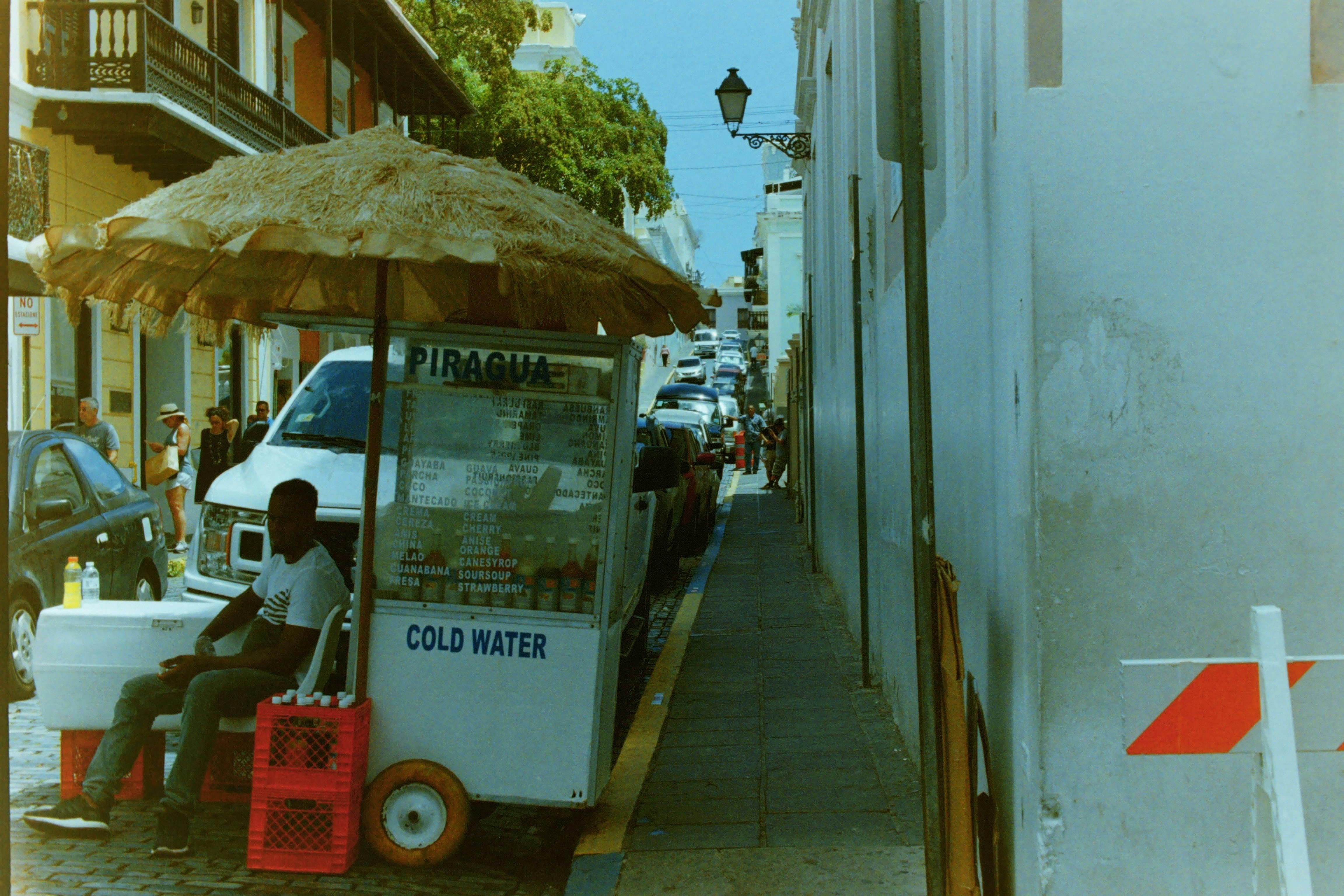
For vacationers, Puerto Rico’s reinvention changes the kind of trip being sold. Instead of a fly-in, stay-put beach break, visitors are being nudged toward multi-stop itineraries that combine city neighborhoods, historic sites, food stops and outdoor excursions. That can mean more planning, but it also creates a trip that feels deeper and less interchangeable with other destinations in the region.
For the island, the stakes are bigger than branding. Tourism is a major economic engine, and officials have argued that future growth needs to be spread more evenly across regions and industries. Hotels, short-term rentals, restaurants, transportation providers and small tour businesses all stand to gain if travelers spend beyond the usual resort corridors and remain on the island longer.
There are still challenges. Puerto Rico continues to face infrastructure concerns, power reliability issues and pressure over housing affordability in some communities with heavy short-term rental growth. Those issues have raised questions about who benefits from tourism and how expansion should be managed. A more diversified visitor economy does not solve those debates on its own, but it gives policymakers more ways to channel demand and support local businesses.
Even so, the direction is becoming clearer. Puerto Rico is not turning away from its beaches, which remain a major draw, but it is no longer content to let them do all the talking. For travelers, that means a destination asking to be experienced in full, from mountain coffee farms to neighborhood music venues, with the sand now just one part of a much larger picture.