Beyond Crime Stats: What Actually Makes a city “Safe” for Women in 2026?
Crime rates still matter, but they no longer tell the whole story. In 2026, city safety for women is increasingly being judged by what happens between home, work, transit stops, and public spaces that women use every day.
That shift is changing how travel planners, local officials, and residents talk about safety. Researchers, city governments, and advocacy groups now say a city can post solid crime numbers and still feel unsafe if women cannot move around freely, get help quickly, or trust the systems meant to protect them.
Safety rankings are expanding beyond police reports

A growing number of 2026 urban safety studies are using broader measures than violent crime and property crime alone. Those measures include street lighting coverage, average emergency response times, late-night transit frequency, harassment reporting tools, shelter capacity, and access to reproductive and mental health care.
That broader approach reflects a long-running criticism from gender policy researchers: official crime totals often miss the incidents that most shape daily behavior. Catcalling, stalking, intimidation on transit, drink spiking fears, coercive control, and underreported domestic violence may not show up cleanly in citywide crime dashboards, but they heavily influence whether women feel able to work late, exercise outdoors, or travel alone.
International surveys from recent years have repeatedly shown a gap between recorded crime and lived experience. Cities with moderate crime can still rank poorly in women’s perception-based safety surveys, while some dense urban areas with higher baseline crime rates score better because of reliable transport, busy public streets, and visible support services.
Urban planners say the practical takeaway is simple: women judge safety as a full journey, not a single incident count. “If a woman has to think about the walk to the station, the wait on the platform, the lighting near her building, and whether anyone will respond if something goes wrong, that is the safety system,” municipal safety consultant Leila Harmon said in a June 2026 briefing on gender-responsive city design.
Transit, lighting, and housing shape daily freedom
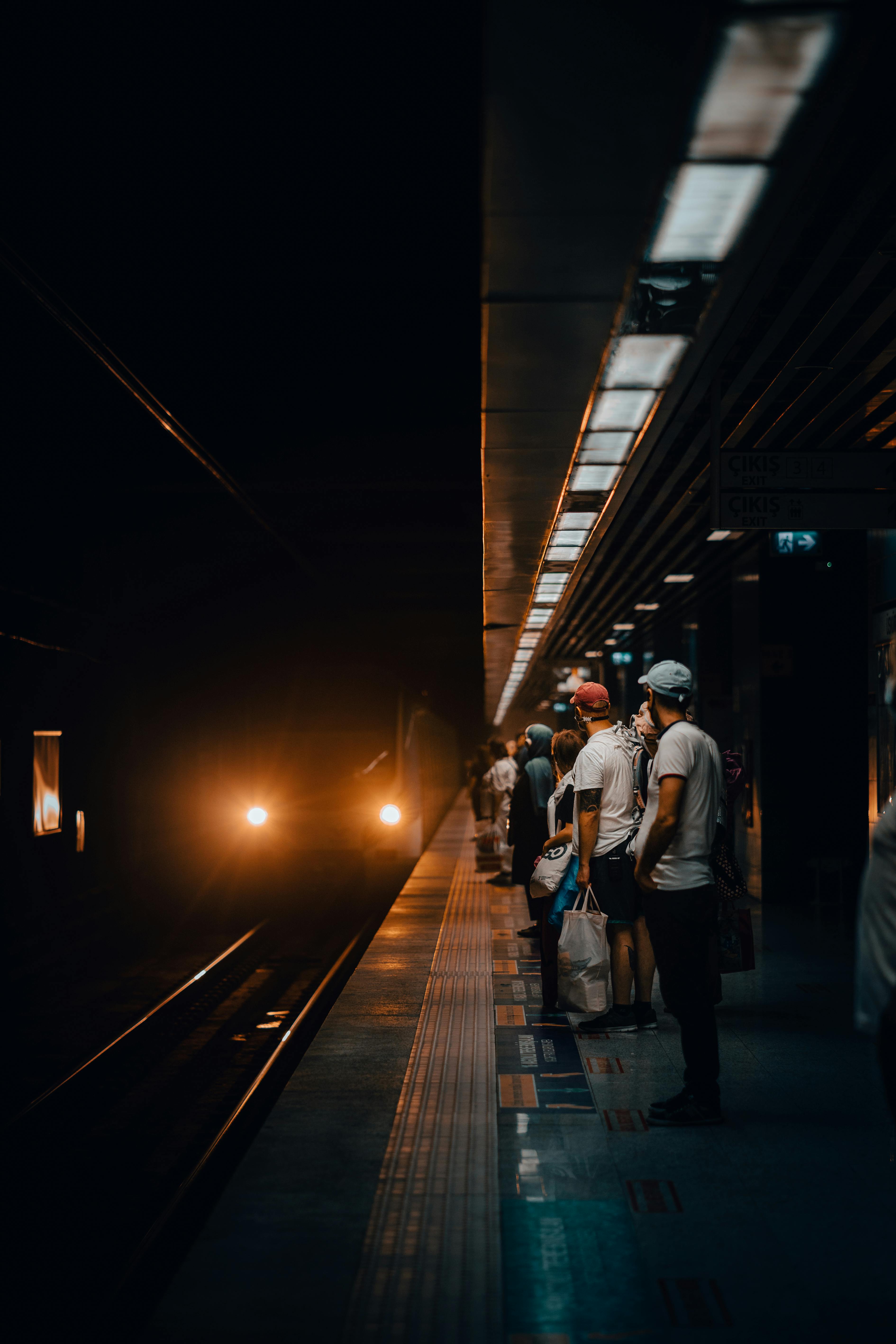
Transportation remains one of the clearest examples of why old safety metrics fall short. A city may report lower assault rates overall, but if buses run infrequently after 10 p.m. or stations are poorly lit, women often change routes, pay more for rides, or avoid jobs and events that require late travel.
Several North American and European cities have spent the past few years redesigning transit with women’s travel patterns in mind. That includes brighter platforms, request-stop bus policies at night, more visible staff presence, panic buttons, better station sightlines, and app-based reporting of harassment. Transit agencies say these changes are not just cosmetic. They affect whether riders feel they can actually use the system.
Housing also plays a larger role in 2026 safety discussions than it did a few years ago. Researchers increasingly link high rents, overcrowding, and unstable housing to greater vulnerability, especially for single mothers, students, migrant workers, and women leaving abusive relationships. Safe cities, by this definition, need more than low crime. They need affordable neighborhoods where women are not forced into isolated or insecure living situations.
Public lighting has become another basic but influential measure. Studies in major cities have found that better-lit pedestrian routes can improve perceived safety and increase evening foot traffic, which in turn creates more “eyes on the street.” Officials caution that lighting alone does not prevent violence, but they increasingly treat it as part of a wider safety network that supports mobility and confidence.
Trust in institutions can matter as much as the numbers

One of the biggest factors in women’s safety rankings in 2026 is whether people believe reporting a problem will lead to action. That includes police response, employer procedures, campus reporting systems, building security, and city-run hotlines. Where trust is low, official data can understate the problem because women may decide there is no point in reporting incidents at all.
Advocates say this is especially important in cases of harassment, partner violence, and repeat threatening behavior. These experiences often escalate over time and may involve multiple systems, such as landlords, schools, transit authorities, or family courts. If those systems do not coordinate well, a city can look statistically safe while women still face persistent risk.
The quality of support services is also receiving more attention. Cities are being evaluated not only on whether they have shelters, legal aid, trauma care, and crisis counseling, but also on how quickly women can access them, whether they are affordable, and whether language support is available. Capacity matters too. A shelter that is full every night does little to improve real-world safety.
Workplace protections are part of the picture as well. In many metro areas, women’s sense of safety is shaped by commuting pressure, shift work, hospitality and healthcare jobs, and the need to move through public space during early morning or overnight hours. Analysts say city safety should be measured by whether women can participate fully in economic life, not merely by whether headline crime is down.
What travelers and residents are looking for in 2026
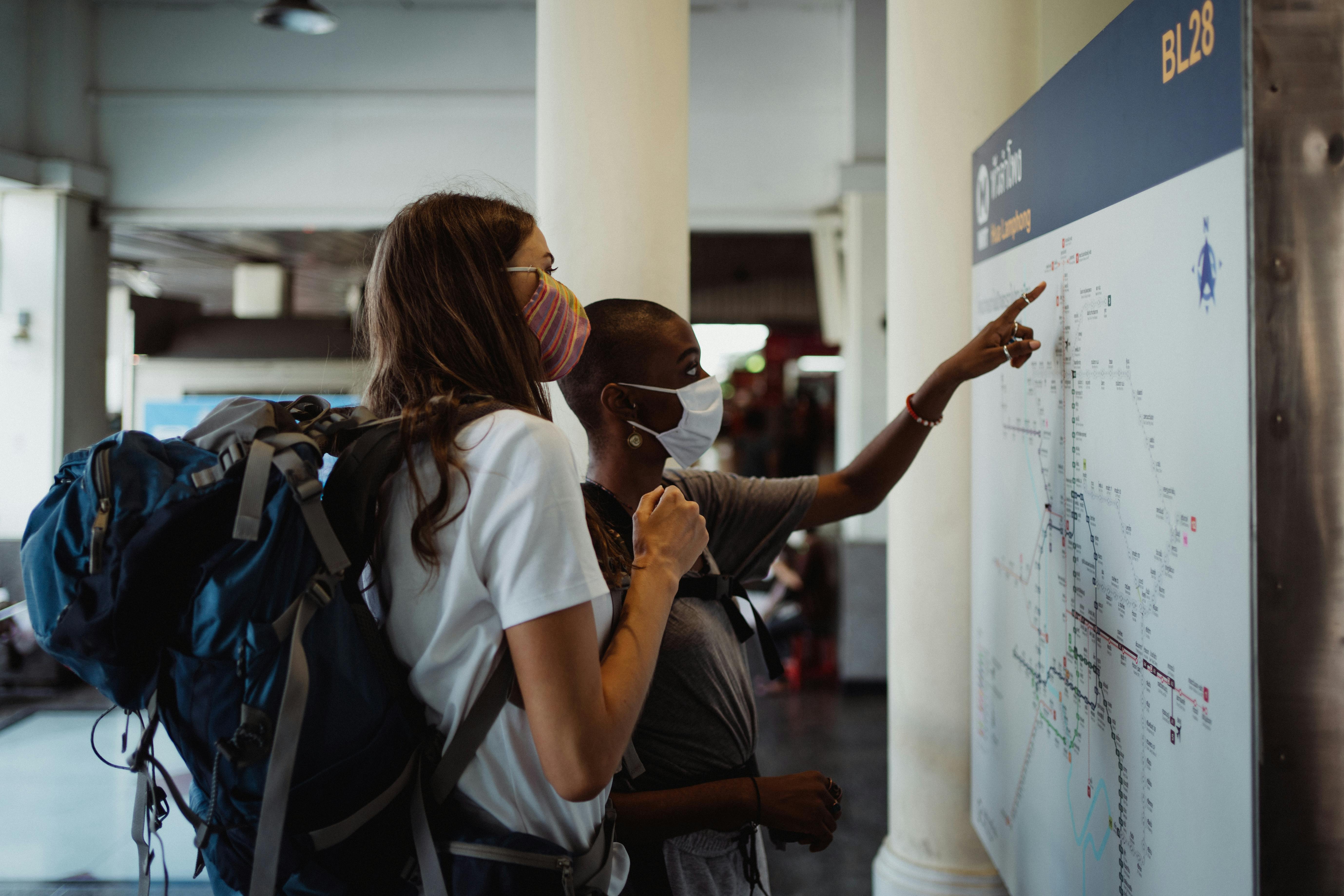
For travelers, the result is a more practical checklist. Travel advisers and relocation consultants say women increasingly ask about neighborhood walkability after dark, women-only or family-friendly accommodations, transit reliability, hospital access, rideshare regulation, and whether local authorities have clear protocols for harassment and assault complaints.
That same shift is influencing tourism marketing. Cities that once promoted safety through broad claims about low crime are now highlighting better-lit entertainment districts, 24-hour help points, multilingual support lines, staffed transit hubs, and designated safe ride programs. The message is less about abstract rankings and more about whether a visitor can navigate the city without constant contingency planning.
For residents, the issue is even broader. Safety now overlaps with childcare access, public restroom availability, clean sidewalks, smartphone connectivity, and whether girls and women can use parks, libraries, gyms, and downtown areas without needing a male companion or a car. These are basic quality-of-life issues, but in 2026 they are also being treated as public safety indicators.
The broader lesson is that a safe city for women is not simply a city with fewer reported crimes. It is a city where women can move, work, socialize, report harm, and get home without carrying the full burden of risk management on their own. That standard is harder to measure than a crime table, but city leaders and researchers say it is a closer match to how safety is actually lived.