The 10 World’s Most Photogenic Waterfalls Hiding Deadly Drops
Waterfalls photograph like relief: bright water, cool mist, and a cliff that seems safely far away. From a viewpoint, the plunge can look clean and contained, like the landscape drew a line and stopped.
What that beauty hides is simple physics. Spray turns stone slick, wind shifts fast, and currents tighten as they approach the lip. Add glare, noise, and the crowd’s slow shuffle, and judgment gets fuzzy right when footing matters most. These ten iconic falls reward distance, slow steps, and respect for rails and signs, letting the drama stay in the frame instead of underfoot. When conditions change fast, caution should already be in place.
Victoria Falls, Zambia and Zimbabwe
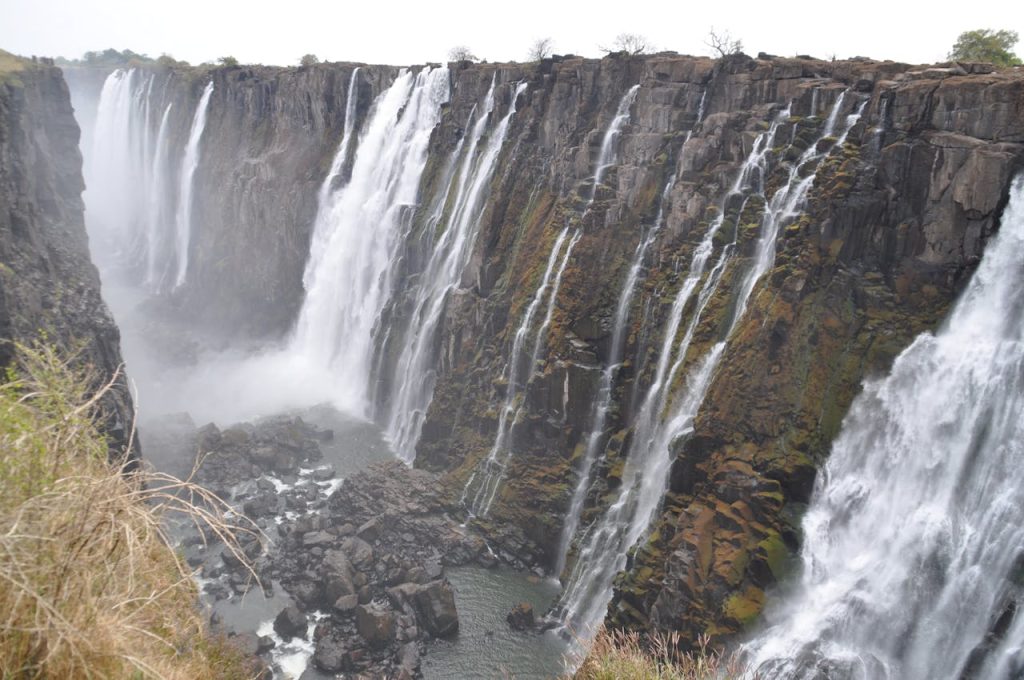
Victoria Falls spreads across the Zambezi for about 1,708 m before dropping roughly 108 m into a basalt gorge, throwing mist high enough to blur the far bank and tint the air with rainbows. The roar is constant, and the ground can tremble faintly near the busiest overlooks.
That mist is the hazard. Walkways stay damp, rock polishes smooth, and sudden gusts can push spray sideways into faces and lenses. Strong currents tighten as water approaches the lip, so the edge is never casual. The safest photographs come from a steady stance behind the wettest zone, with hands free, because one rushed step can slide farther than expected.
Yosemite Falls, California
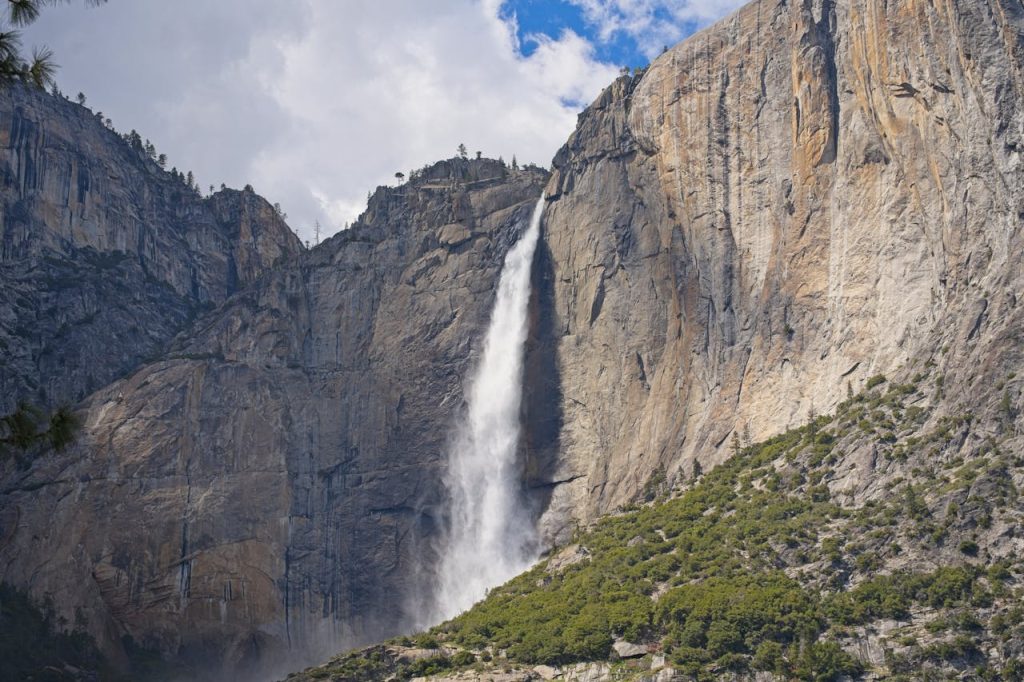
Yosemite Falls plunges a total of about 739 m, and in late spring the flow can feel louder than the valley itself, with mist drifting onto granite that looks friendly from a distance. Sunlight turns spray into glare, which makes wet patches hard to spot along popular viewpoints.
Up close, that granite behaves like glass when it is wet. Small detours toward the creek edge can put shoes on algae-slick slabs angled toward moving water, where balance disappears quickly. Park warnings about slippery rocks exist for a reason: even moderate flow can tug hard at ankles, and a simple slip can turn into an unstoppable slide in seconds.
Iguazú Falls, Argentina and Brazil
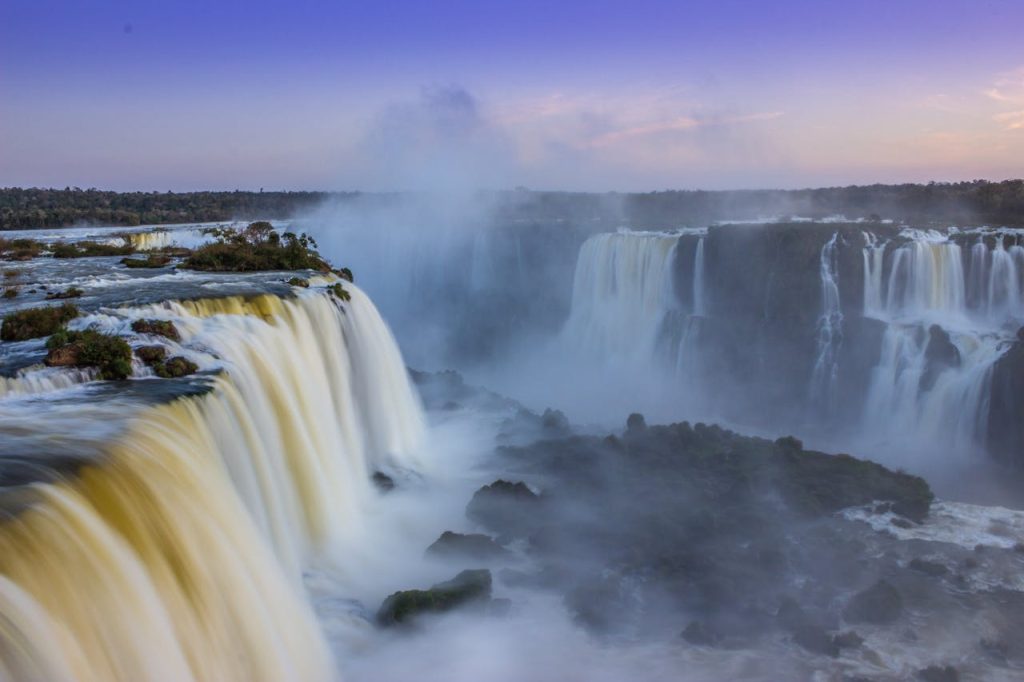
Iguazú fans across roughly 2.7 km and breaks into about 275 drops, then tightens into Devil’s Throat, where the river hammers into a narrow chasm and throws mist like weather. Even in drier months, spray can soak hair and shoes within minutes. At the rim, the river’s pull shows in how foam races toward the drop.
The risk is subtle. Spray blurs depth, boardwalks stay glossy, and crowds bunch along rails for the same perfect angle. A wet sole can slide farther than expected on smooth surfaces, especially when wind turns mist into sideways rain. Cameras and phones add distraction, so straps and pockets matter as much as footing.
Angel Falls, Venezuela
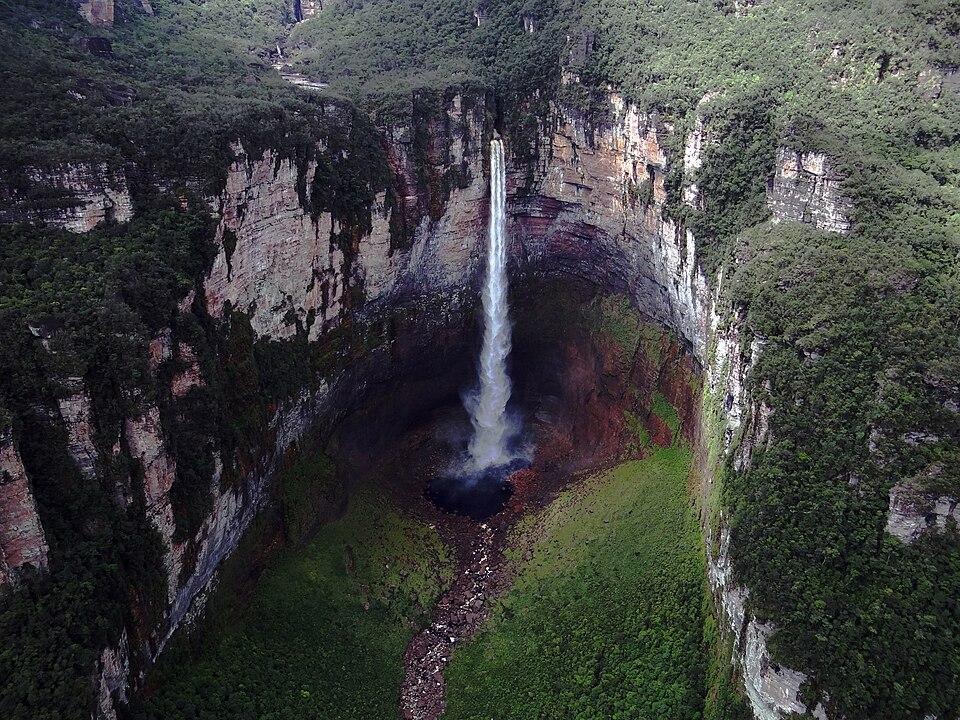
Angel Falls drops about 979 m from Auyán-tepui, so tall the water often breaks into drifting ribbons before it reaches the forest below, making the scene feel dreamlike and distant. In changing light, the cliff face can look flatter than it is, hiding uneven footing near viewpoints.
That distance can trick judgment. After brief showers, rock near overlooks can stay slick while fog erases the exact line of safe ground. In remote terrain, small mistakes become big problems, so guides and marked areas matter. The best approach is simple: keep margins wide, stop well before uneven edges, and let scale read through a calmer frame.
Niagara Falls, U.S. and Canada
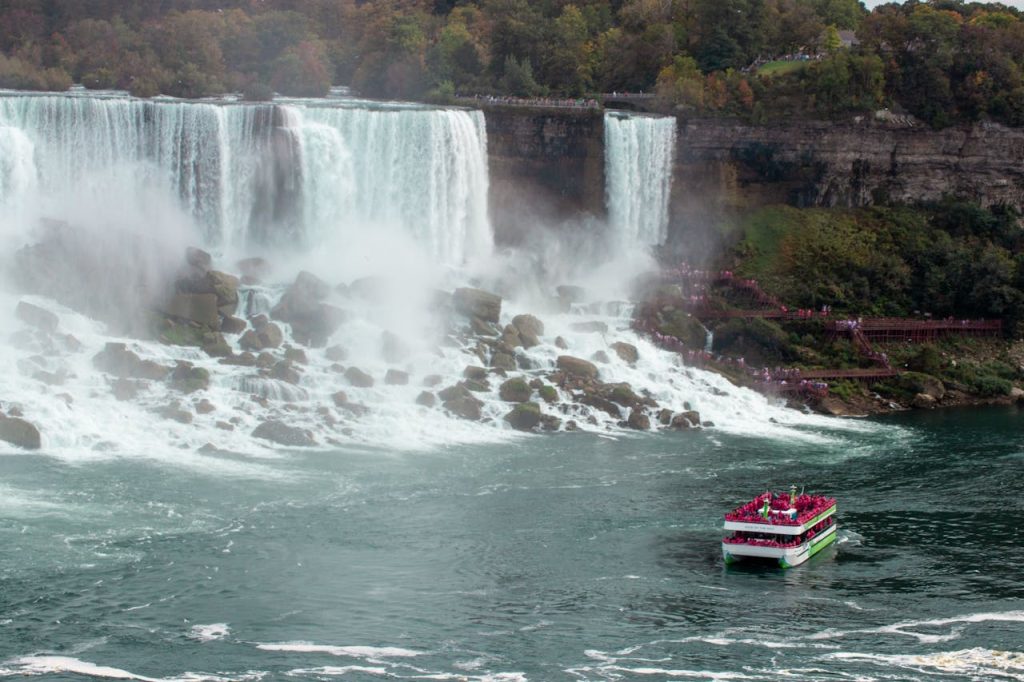
Niagara Falls pairs big-city access with serious river power. Horseshoe Falls drops about 57 m, and constant spray keeps steps, platforms, and rails damp even on bright afternoons. In winter, that moisture can glaze surfaces, while summer crowds bring shoulder-to-shoulder movement.
The hazard is familiarity. Smooth stone stays slick, and crowds can nudge people into tighter spaces than planned while everyone watches the same roar. Most incidents start small: one hurried pose, one sideways shuffle, one shoe losing grip on wet grit. A wide, still stance behind the spray line beats chasing a closer angle when glare hides puddles.
Dettifoss, Iceland
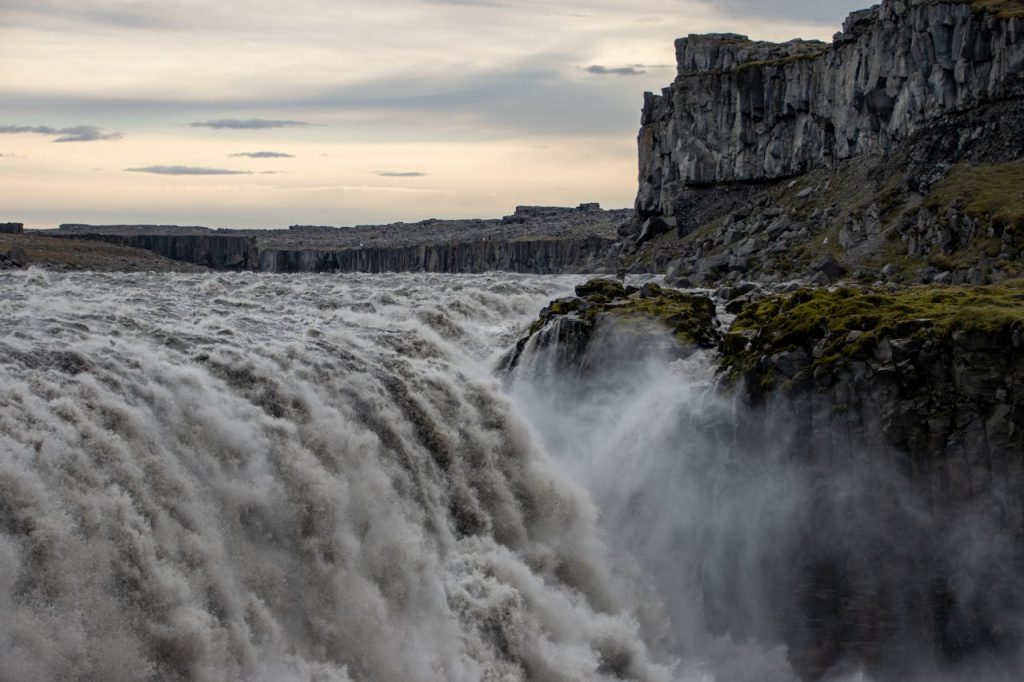
Dettifoss is about 44 m high and roughly 100 m wide, slamming gray glacial water into a canyon and lifting mist that can swallow the view in seconds. The air feels gritty with spray, and the rim can stay damp even under clear skies. The canyon edge looks blunt, but it falls away fast once the ground breaks.
In cool weather, mist freezes into a slick glaze, and wind can shove spray sideways in a heartbeat. Some vantage points have minimal barriers, so judgment does the work. Sticking to marked paths and accepting a wider shot keeps footing steadier, because loose gravel and wet stone near the rim can shift under weight and cut reaction time.
Kaieteur Falls, Guyana
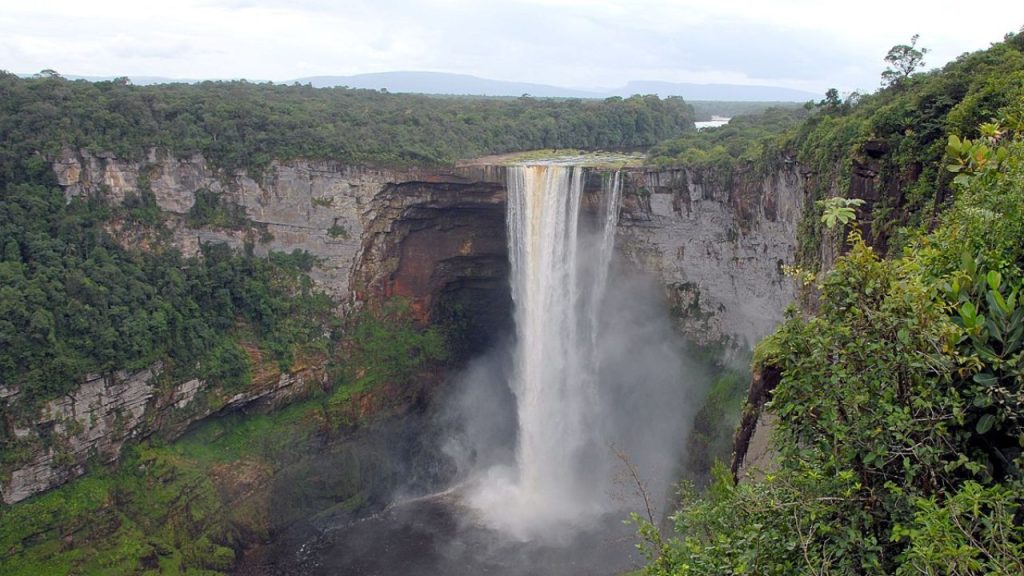
Kaieteur Falls drops about 226 m in a single plunge off a sandstone cliff, framed by rainforest that keeps the air heavy and the rock dark with moisture. Sunbreaks can make the spray glow, then vanish behind cloud, changing visibility in moments. Humidity can keep the rim slick all day.
Open viewpoints add thrill, but they also demand discipline. Wet stone can hide under thin moss, and wind can push mist across the rim just as someone steps forward for a frame. With fewer people and longer response times, caution matters more than bravado. Staying back from the brink, moving slowly, and keeping gear secure protect both balance and calm.
Havasu Falls, Arizona
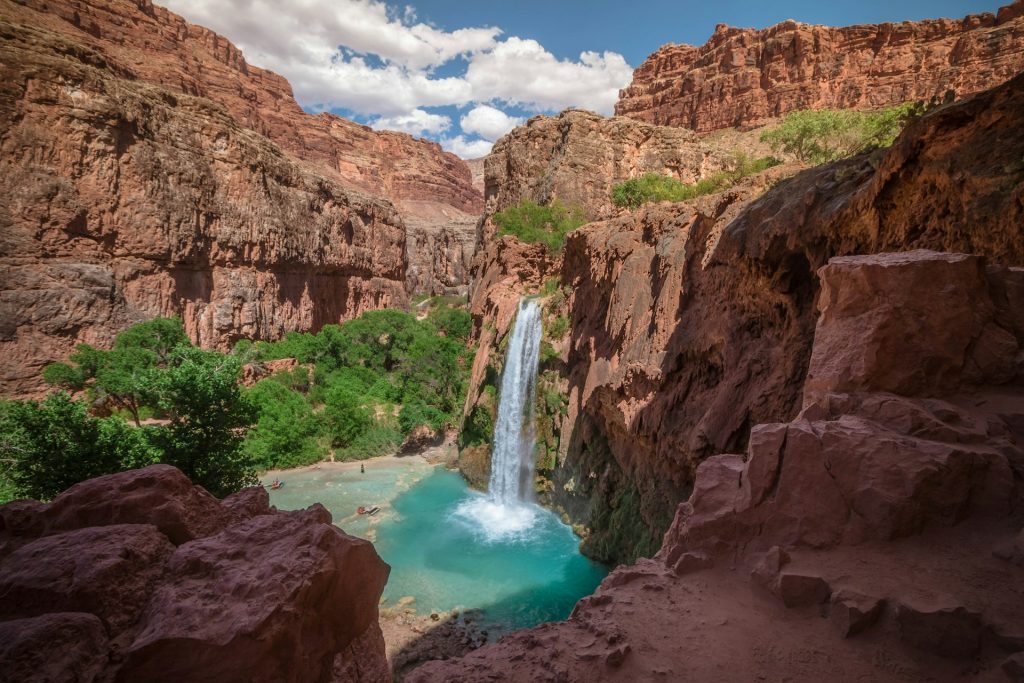
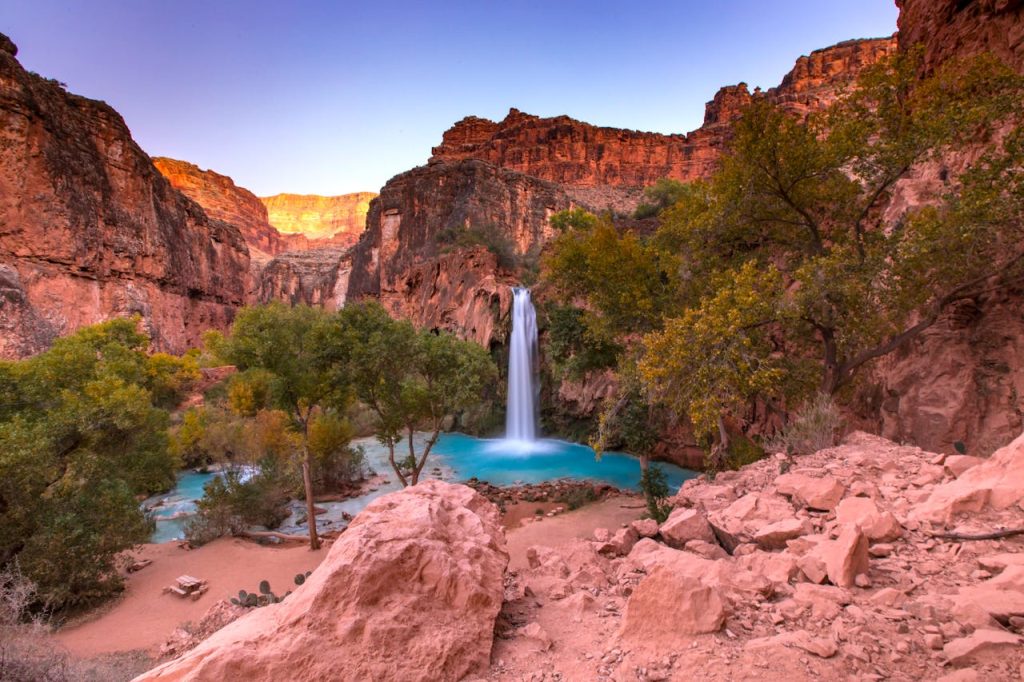
Havasu Falls spills about 30 m into blue-green pools built by travertine, a color that looks almost edited against red canyon walls and cottonwoods. The route in can be long and tiring, and fatigue makes slick ledges feel more inviting than they should. Shaded rock stays wet longer.
The danger is not only the drop. Desert drainages can rise fast after storms upstream, and travertine shelves can undercut and crumble at edges. A major flash flood in Aug. 2008 reshaped parts of Havasu Creek, a reminder that calm water is not a promise. Smart timing, forecasts, and strict respect for closures keep the oasis from turning unpredictable.
Tugela Falls, South Africa
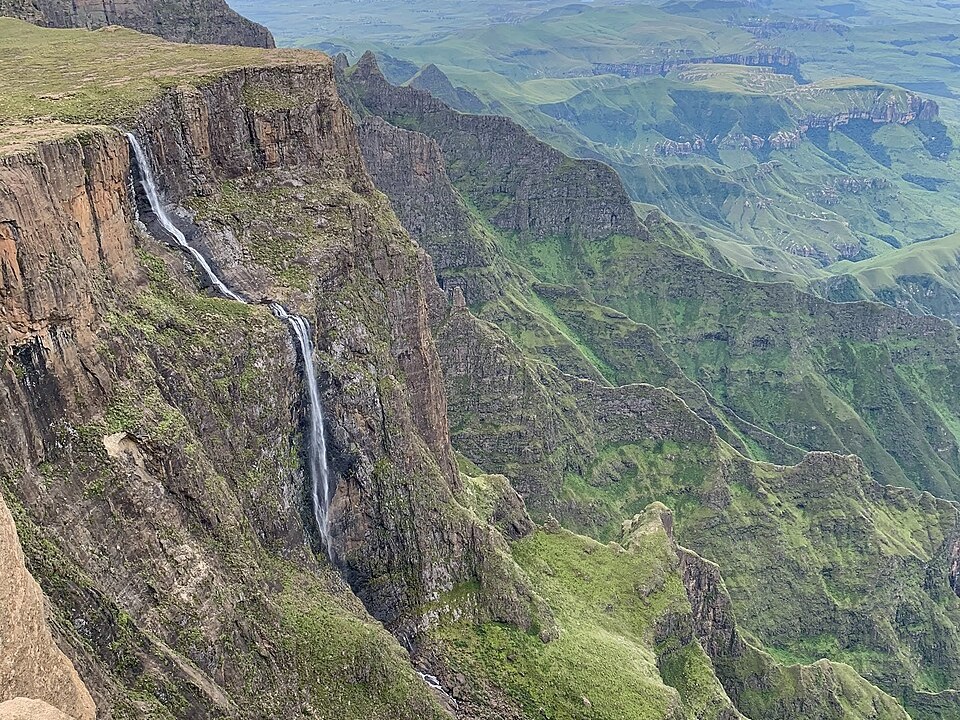
Tugela Falls spills off the Drakensberg in multiple tiers, with a combined drop often cited around 948 m, and the route can involve exposed hiking on the Amphitheatre escarpment. Even on clear days, the rim feels vast, and the valley below can look closer than it really is.
Weather is the turning point. Cloud can roll in fast, flattening depth cues and making edges feel farther away than they are. Wet rock and tired legs are a risky pairing when wind arrives with cold rain. Strong hikers keep a wide margin from rims, move steadily, and turn back early when visibility collapses, because stable footing matters more than reaching a viewpoint.
Nohkalikai Falls, Meghalaya, India
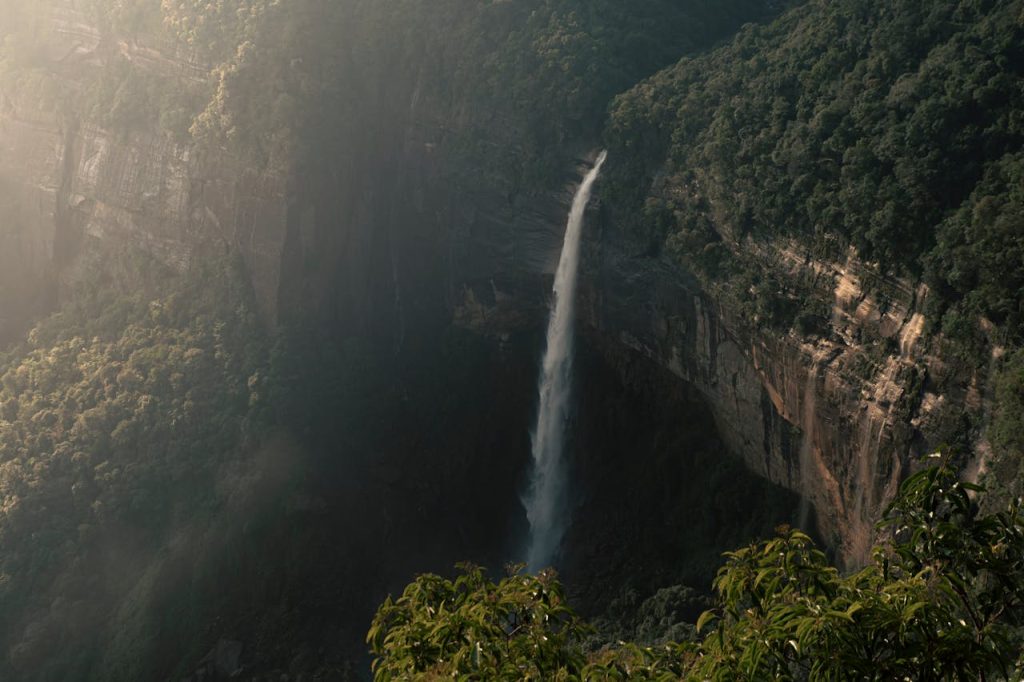
Nohkalikai Falls plunges about 340 m near Sohra in Meghalaya, dropping from a green cliff into a dark pool that makes the white water look even brighter. After rain, mist can hover in the gorge and soften the cliff line, which can make the drop feel less abrupt than it is.
After monsoon season the flow stays dramatic, but that same moisture slicks up steps and platforms. Crowds gather at the best angles, and pressure can tempt leaning or edging forward. The safest images come from behind barriers with both feet planted and time to spare, because wet stone and loose gravel can turn a minor stumble into a quick, uncontrolled slide.