The No-Go List: 10 U.S. Destinations Travelers Say Aren’t Worth the Trip
Some famous stops promise a peak moment, then deliver lines, loudness, and a receipt that stings. Travelers come home saying the place felt more like a set built for quick photos than a corner with its own pulse, and the memory is mostly waiting as crowds surge past.
The regret is about tradeoffs. Hours spent in a hypercommercial zone are hours not spent on a neighborhood meal, a small museum, or a quiet view that lets a city show its character without ticket scans.
This no-go read is not about shaming destinations. It is about matching limited vacation time to places that give more back, and treating headline stops as brief cameos.
Times Square, New York City
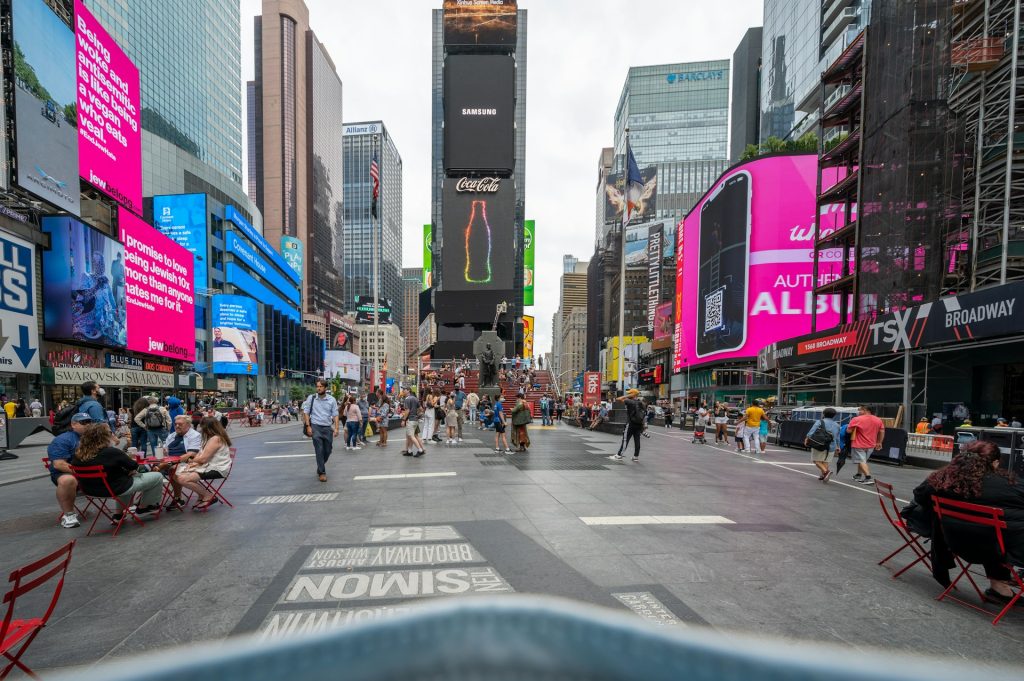
Times Square delivers the famous neon canyon, but many travelers describe it as noise and ads with little room to linger. The sidewalks stay packed, chain counters stack up, and the experience becomes weaving around photo stops, mascots, and ticket pitches. Even a short visit can swallow prime hours, especially at night when the crowd turns into a slow-moving river under screens and sirens.
Locals often treat it as a landmark to glance at, then slip out toward calmer blocks with better street life and less shouting.
Bryant Park, a West Side walk, or a museum hour nearby often feels like time spent on purpose, with room to breathe.
Hollywood Walk of Fame, Los Angeles
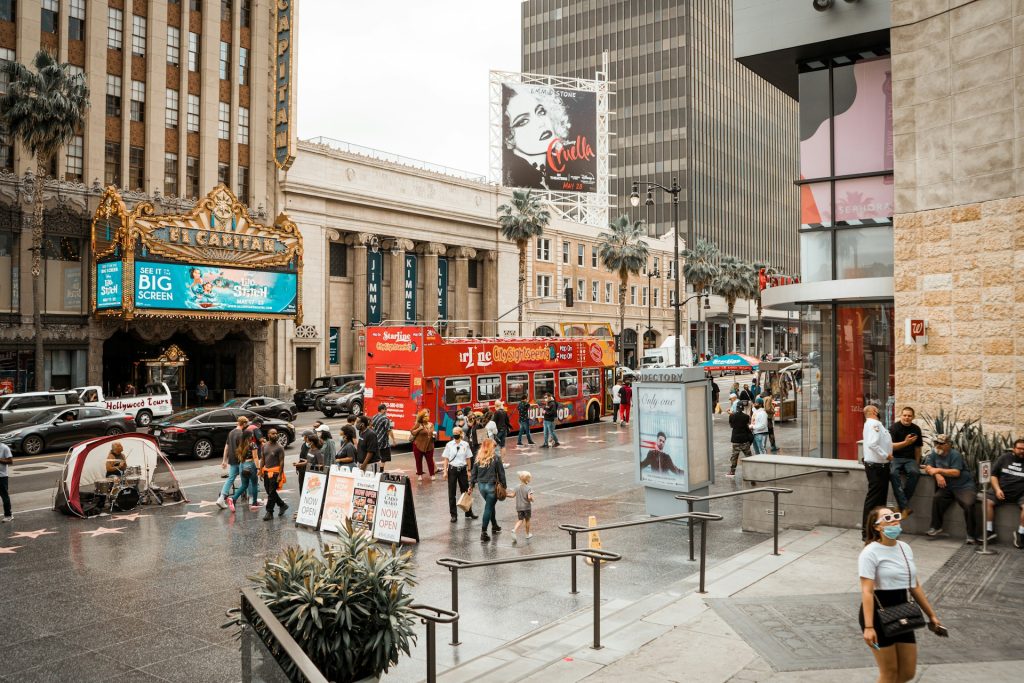
The Hollywood Walk of Fame sells a promise of glamour, yet many travelers say it plays like a long sidewalk built for quick photos. Tour groups pause in waves, street sellers compete for attention, and the stars are easy to miss under feet and shadows. Add traffic, parking costs, and the constant stop-and-go, and the surrounding blocks can feel more like busy retail than real movie history.
Locals usually treat it as a brief pass near the Chinese Theatre, not a day’s main event, and leave before the crowd thickens.
A studio tour, the Academy Museum, or a sunset view from Griffith Park tends to feel more earned for the same hour.
Fisherman’s Wharf and Pier 39, San Francisco
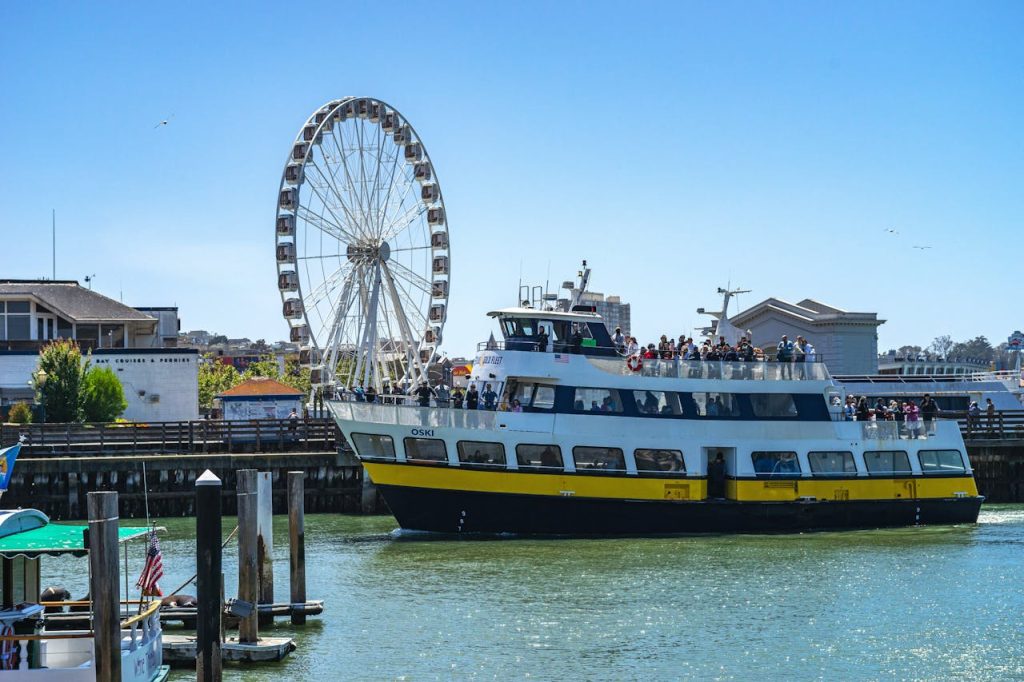
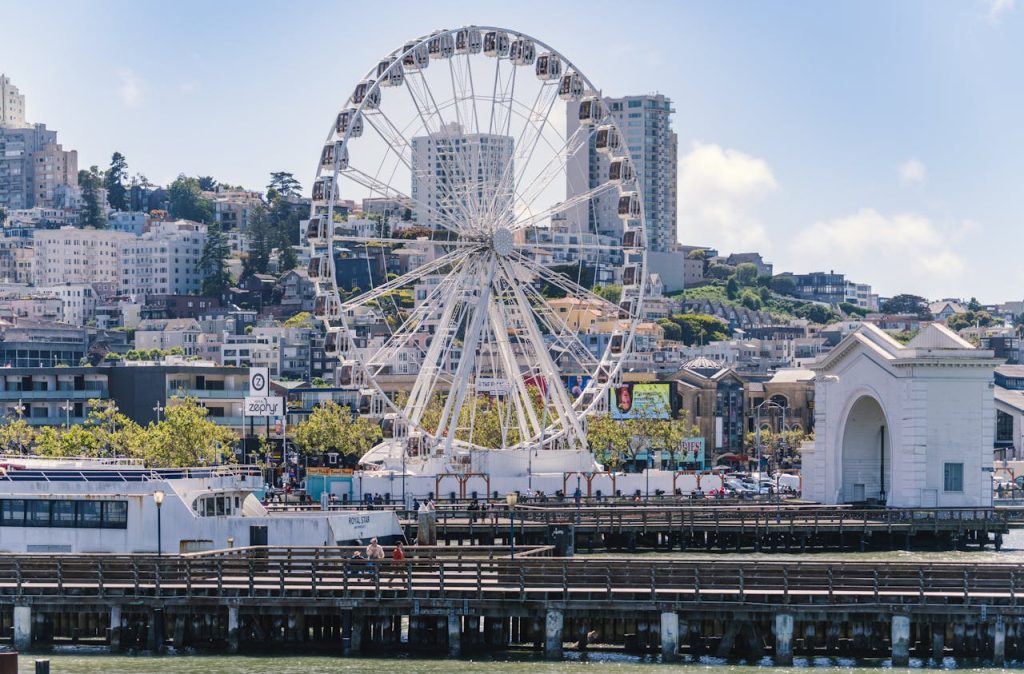
Fisherman’s Wharf has bay air, sea lions, and postcard angles, yet travelers often say the experience feels like a tourist mall with views attached. Souvenir shops dominate the walk, restaurants lean pricey for what arrives, and the best moments can be crowded out by lines for snacks and photos. The promenade stays loud, but the meal rarely matches the price tag, and the stop can feel oddly interchangeable.
It often works best as a short stroll, then a quick pivot to something calmer with room to pause.
The Ferry Building, Golden Gate Park, or Lands End usually delivers the same breeze with more character and better wandering.
Navy Pier, Chicago
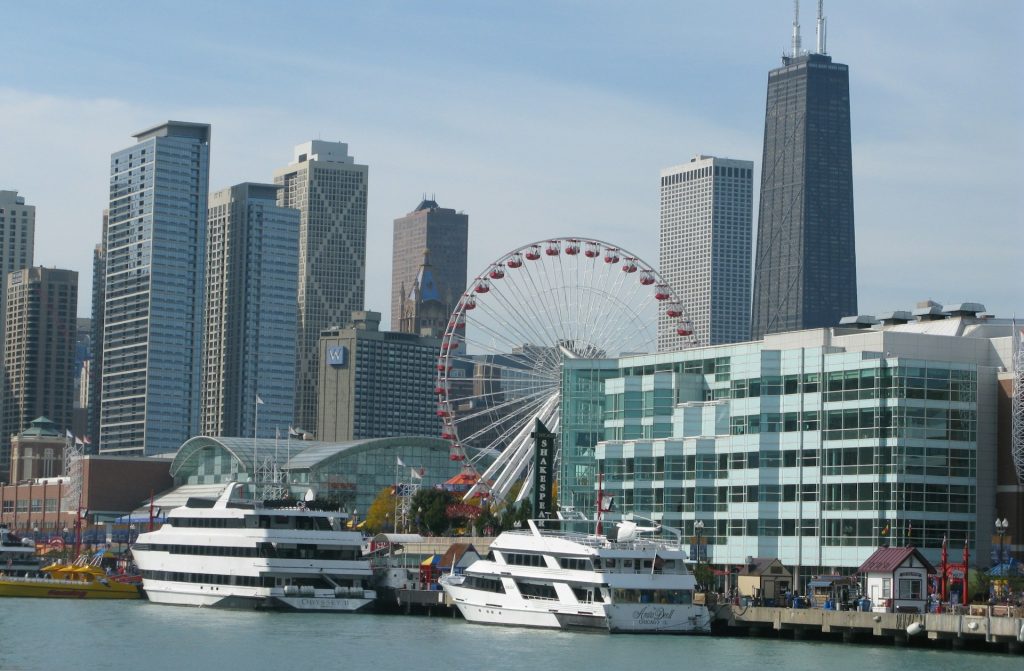
Navy Pier has classic lakefront views, yet many travelers say the visit plays like a crowded retail strip with tourist pricing. The Ferris wheel is a quick highlight, then time slips into ticket lines, snack lines, and indoor attractions that could sit in any city. When crowds surge, the best scenery becomes something seen over shoulders, and the experience tilts toward spending rather than exploring.
It can still be pleasant as a short walk for fresh air, skyline photos, and a lake breeze at sunset over the water.
Many travelers leave happier after an architecture cruise or an hour on the Riverwalk, where Chicago feels more like itself.
Wall Drug, South Dakota
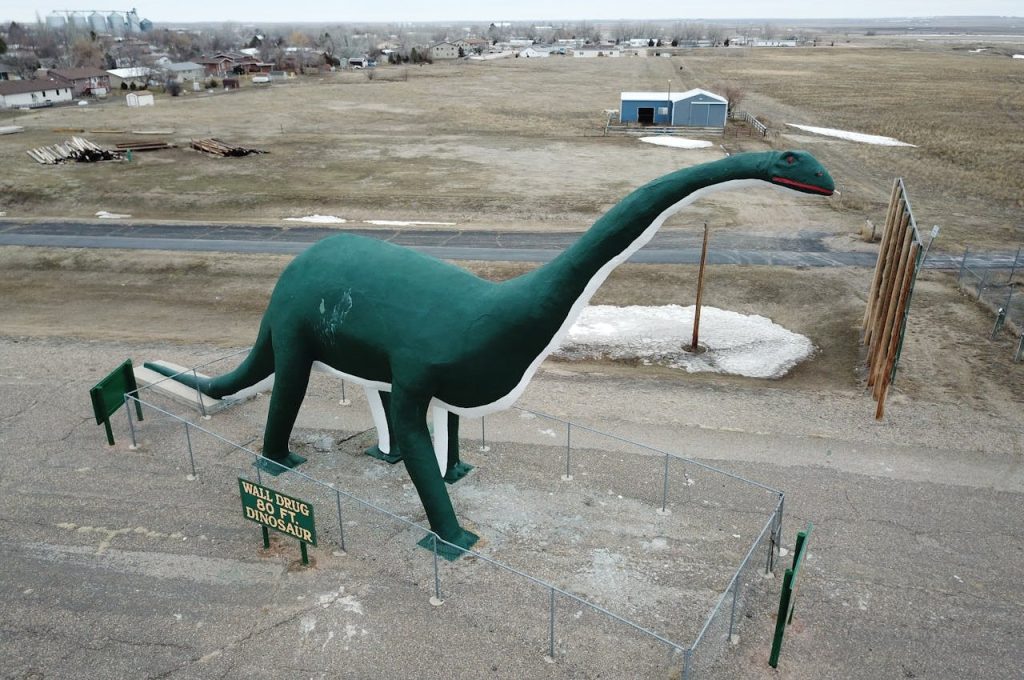
Wall Drug becomes famous long before it appears, thanks to miles of billboards that build expectations in the car. Some travelers enjoy the kitsch, but others feel it is a maze of shops designed to keep people browsing, not a stop with a real payoff. The free ice water and old-time props are quick laughs, then the place can feel like shopping in costume while the clock keeps ticking.
It tends to work best as a stretch break and a bathroom stop, not a destination worth a major detour.
Badlands overlooks nearby usually deliver the open, quiet memory people hoped the signs were pointing toward, with room to breathe and stay awhile.
Four Corners Monument, Four Corners Region
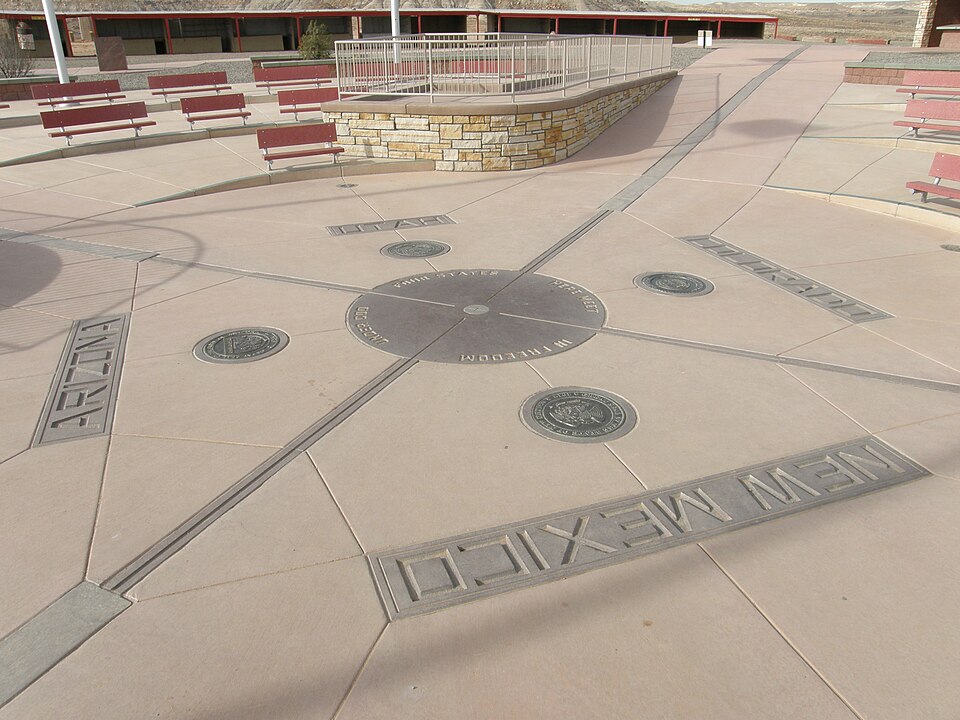
Four Corners is a clever idea, standing in four states at once, but travelers often say the visit is brief for the drive it demands. The main reward is a photo on the marker, sometimes after waiting while families rotate through the same pose under open sun. The surrounding plaza can be pleasant, with vendors and crafts, yet many visitors still leave surprised by how quickly the moment is over.
It tends to satisfy most when it fits naturally into a longer loop through remote highways and big desert scenery.
With limited time, many travelers choose a park hike or viewpoint where the landscape, not the novelty, carries the day.
Mount Rushmore, South Dakota
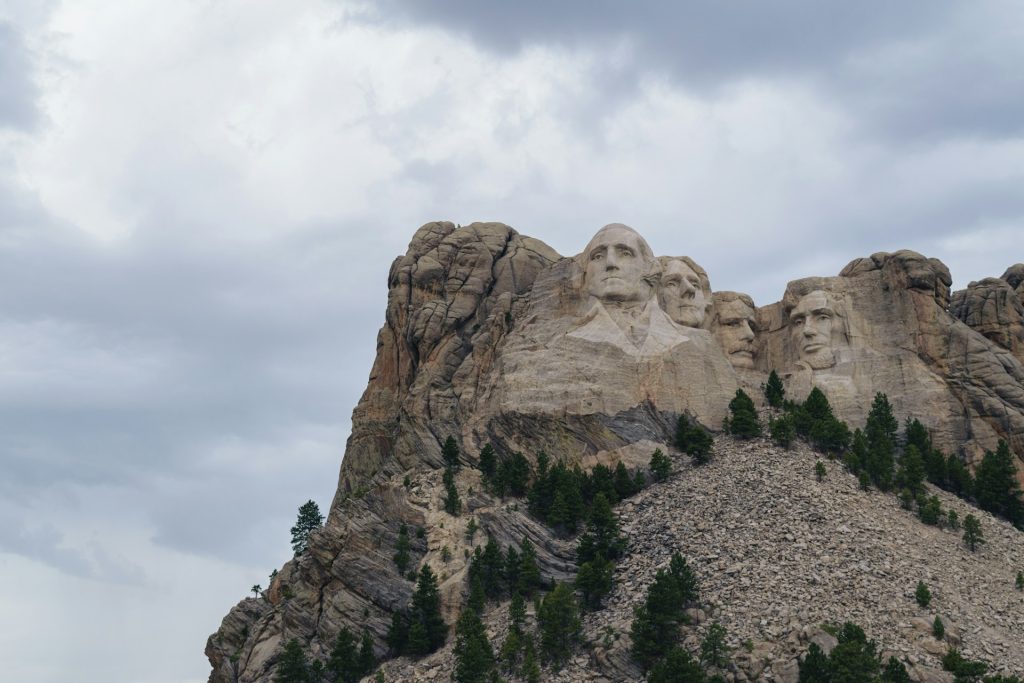
Mount Rushmore is iconic, yet some travelers report a mismatch between the mental image and the time it takes to experience it. The carving is impressive, but the visit can feel structured around parking, viewing terraces, and gift shop traffic rather than lingering awe. On busy days, the best view is still the same view, and people sometimes feel they spent more effort arriving and positioning than absorbing the setting.
It often lands better when paired with Black Hills drives and nearby trails.
Custer State Park, Needles Highway, or Badlands overlooks tend to provide the wide-open payoff many visitors expected in one stop.
Plymouth Rock, Plymouth, Massachusetts
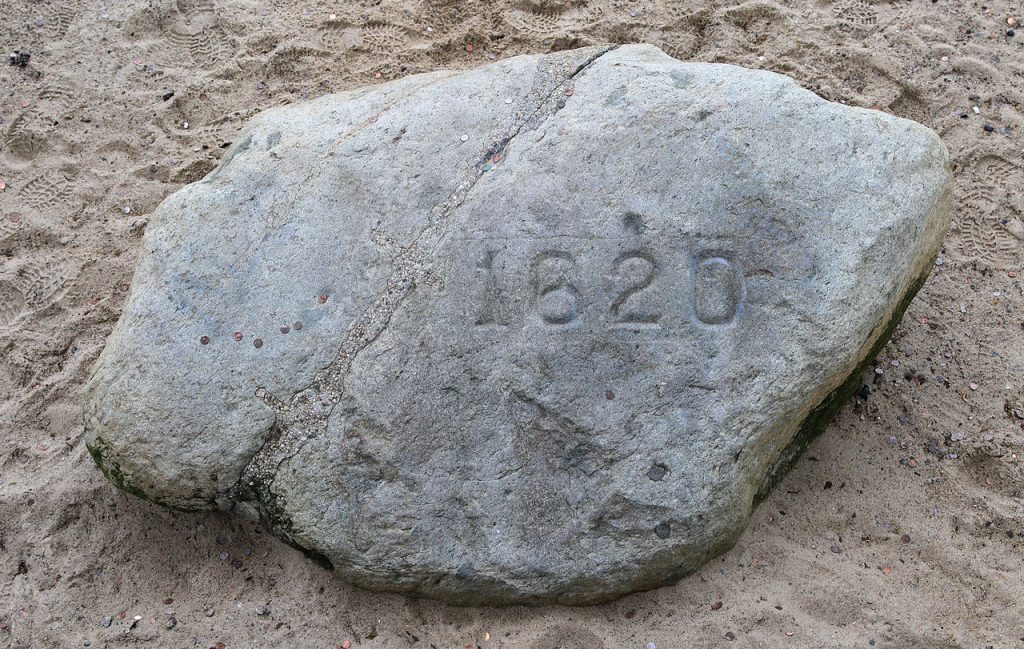
Plymouth Rock carries heavy symbolism, but travelers often arrive expecting a dramatic landmark and find something small and ordinary. Set behind a railing near the waterfront, it can feel like a quick glance at an object asked to hold an enormous story, with 1620 carved into it. Many visitors are glad they saw it once, then admit the drive, parking, and buildup felt bigger than the moment, especially on busy summer days.
It works best as a brief add-on while exploring the harbor, downtown, and nearby exhibits.
Mayflower history sites and local museums usually provide the fuller context and a richer sense of place for the day.
Salem, Massachusetts, in October
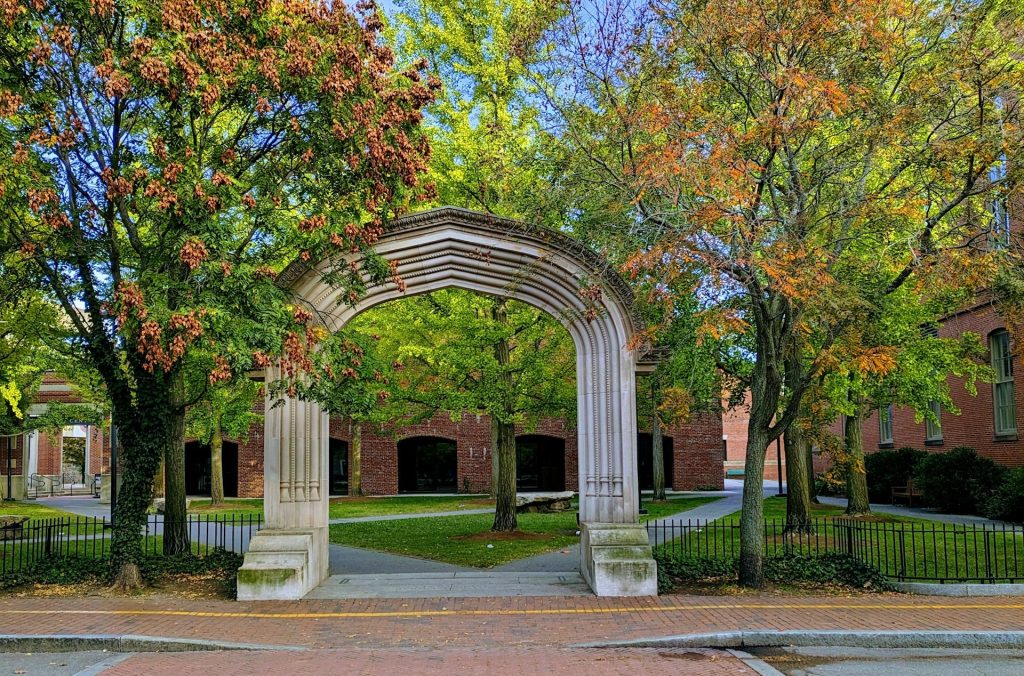
Salem in October can be electric, but many travelers leave more tired than enchanted because the month turns logistics into the main event. Sidewalks pack tight, tours sell out early, and restaurants book solid, so the day becomes managing lines and timed entries instead of soaking in history. Parking becomes its own errand, and the Halloween energy, while real, can bury the town’s quieter charm on weekends.
Travelers who care most about the museums often prefer calmer dates on the same calendar.
Sept. and early Nov. usually offer the same stories, better meals, and room for the streets to breathe without elbowing through crowds.
South of the Border, South Carolina
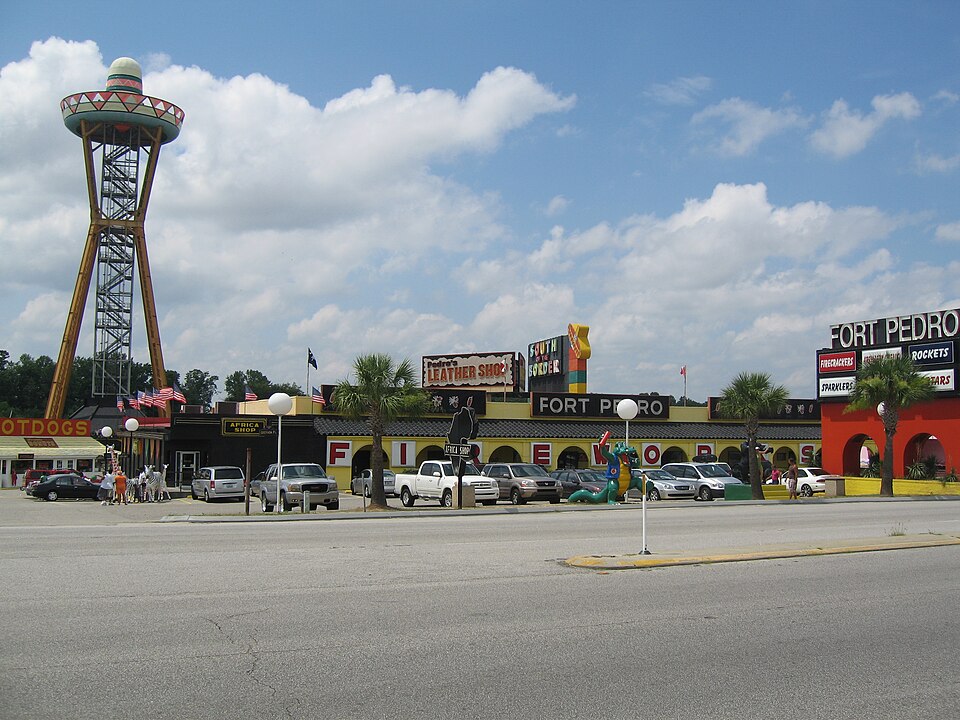
South of the Border is a classic highway curiosity, and many travelers say it is best understood that way. The roadside signs build a sense of destination, but the stop can feel like a sprawling souvenir zone with dated attractions and uneven upkeep. Detours made solely for the name often end with a few photos, a snack, and a sense that the time could have been spent on a real place, not a punchline.
It works best as a quick stretch break, then back on the road before the novelty thins.
Road trippers often remember a local diner, a state park, or a small town walk more than a giant roadside mascot, weeks later, with better stories.