The Rise Of Eco-Friendly Travel: Where To Visit

Eco-friendly travel is changing how people explore, emphasizing sustainability and care for the planet. More travelers want to reduce their impact while enjoying nature and culture. This trend supports conservation, local communities, and healthy ecosystems worldwide. Whether it is tropical forests, snowy mountains, or island paradises, eco-tourism lets you connect meaningfully with the earth. Discover key destinations where green travel makes a difference in 2025 and beyond.
Costa Rica: The Green Paradise of Central America
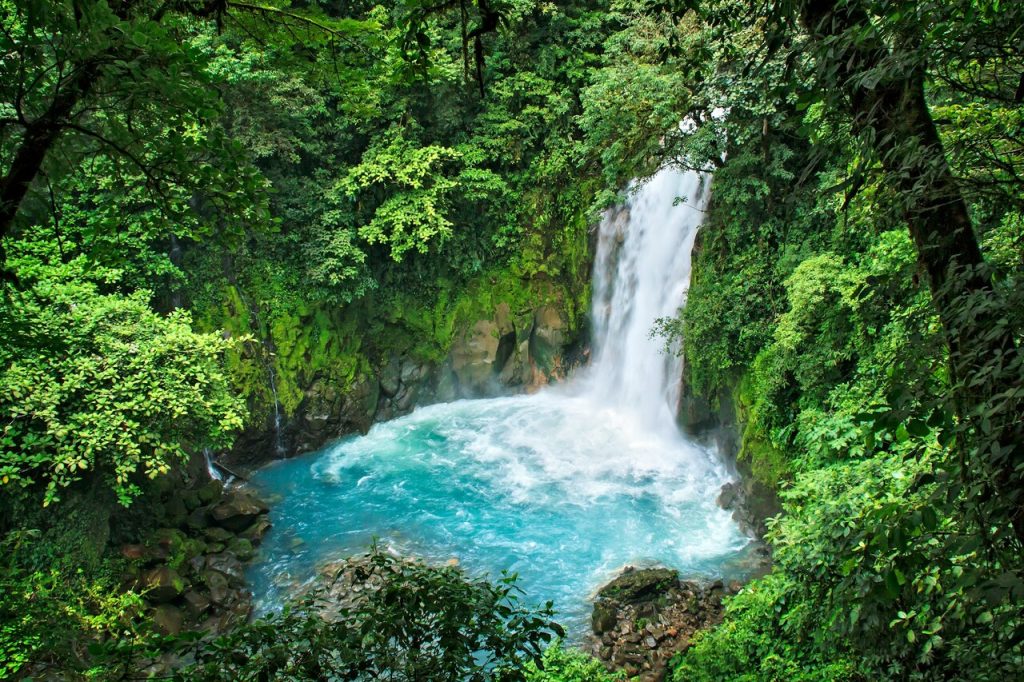
Costa Rica is a global leader in sustainable tourism, with roughly 60% forest cover and about 26% of its land designated as protected areas, including national parks and wildlife refuges. The country’s lush rainforests and rich biodiversity draw eco conscious travelers to explore canopy tours, turtle nesting sites, and river rafting. Costa Rica’s commitment to renewable energy and rigorous conservation efforts ensures that tourism supports both environmental preservation and local communities, making it an exemplary model of responsible travel.
New Zealand: Nature’s Playground with a Green Heart
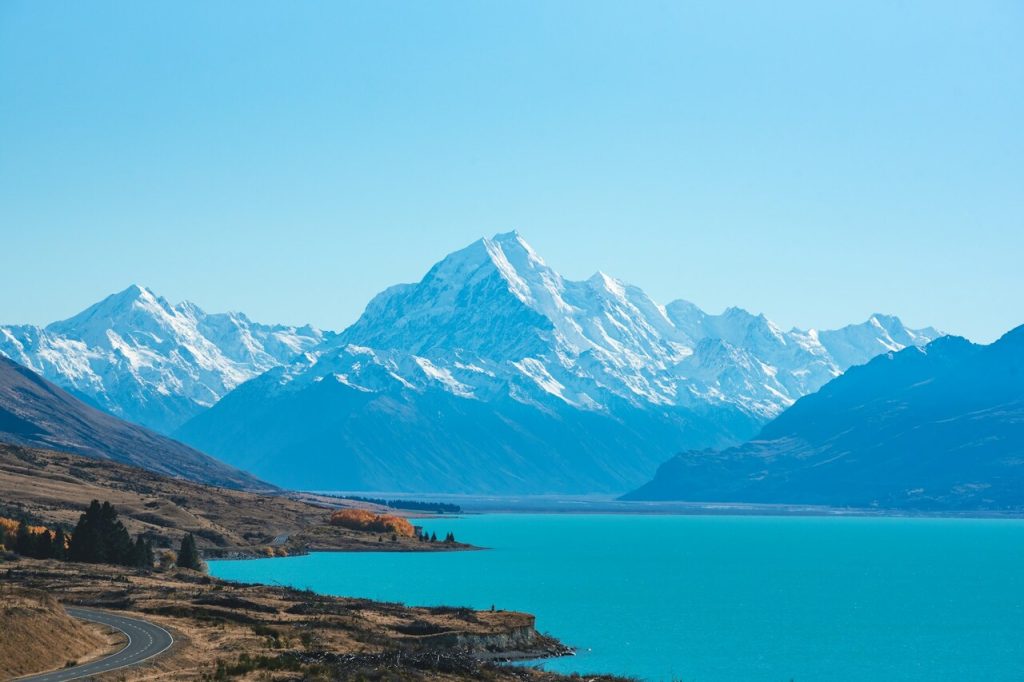
New Zealand is renowned for its diverse ecosystems, including majestic fjords, dense native forests, pristine beaches, and geothermal hotspots. Eco-tourism thrives here with eco-lodges designed to blend sustainably into the environment and low impact trails that limit disturbance to nature. Visitors explore wildlife sanctuaries and participate in eco guided tours that emphasize conservation and carbon footprint reduction. New Zealand’s strong focus on habitat preservation, renewable energy use, and sustainable tourism practices positions it as a leading destination for responsible, nature-centered travel.
Slovenia: Europe’s First Green Destination
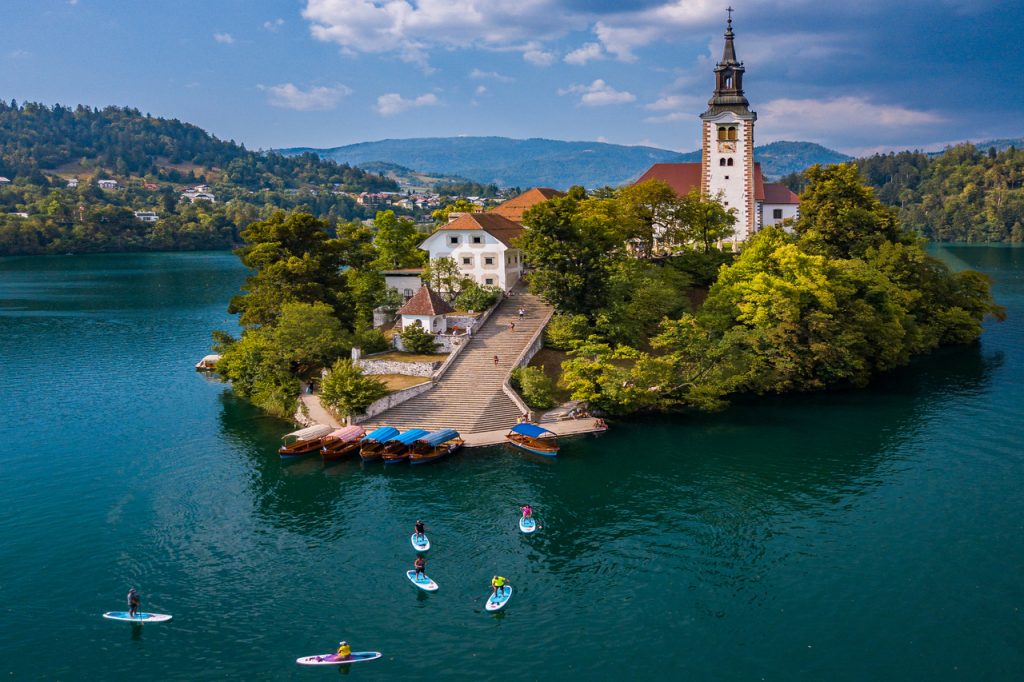
Slovenia brilliantly unites eco conscious urban living with pristine natural landscapes. Ljubljana, its capital, exemplifies this with visionary green urban planning focused on pedestrian zones and walkability, reducing motor vehicle traffic while increasing green public spaces. The city has expanded pedestrian areas by over 620%, creating vibrant spaces for social, cultural, and sporting activities. Beyond Ljubljana, Slovenia’s lakes, forests, and national parks promote sustainable tourism. Visitors embrace eco-friendly stays, support organic farms, and enjoy cycling and hiking, experiencing a country where environmental stewardship and rich culture inspire slow, responsible travel.
Kerala, India: Eco-Tourism in the Western Ghats
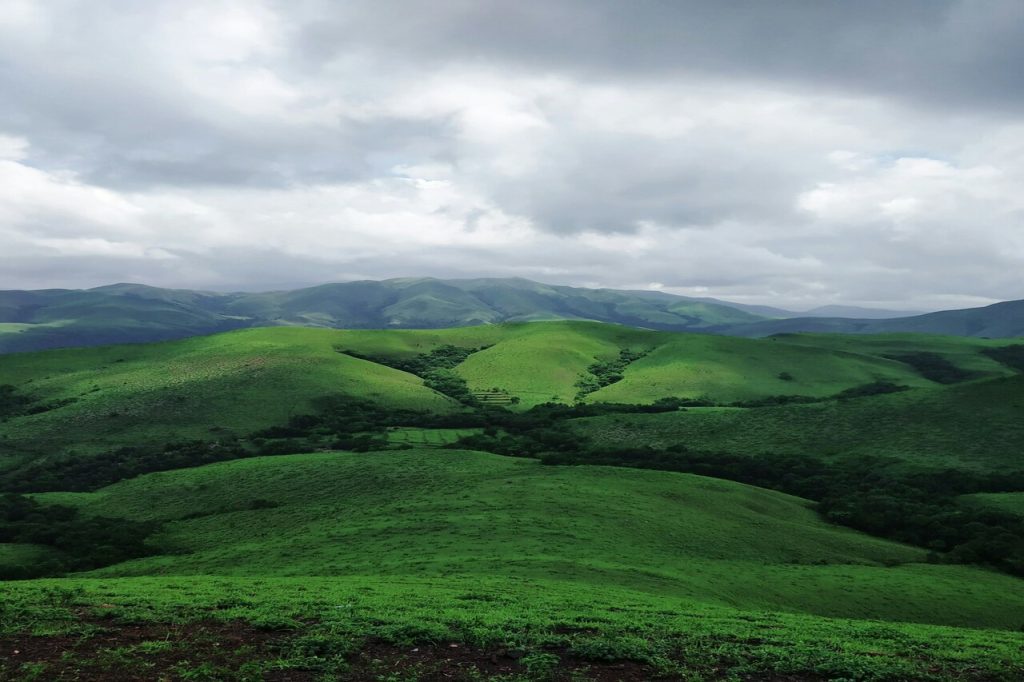
Kerala’s Western Ghats boast diverse eco tourism attractions that harmonize nature, culture, and conservation. The region features lush hill stations like Wayanad with wildlife sanctuaries, spice plantations, and ancient caves. Thenmala, India’s first planned eco-tourism site, offers bamboo cottages and sustainable activities. Periyar Tiger Reserve and Silent Valley National Park protect rich biodiversity. Visitors engage in trekking, birdwatching, Ayurvedic experiences, and organic farming tours that support local communities and preserve ecosystems, offering immersive and responsible travel experiences.
The Azores, Portugal: Europe’s Volcanic Green Gem
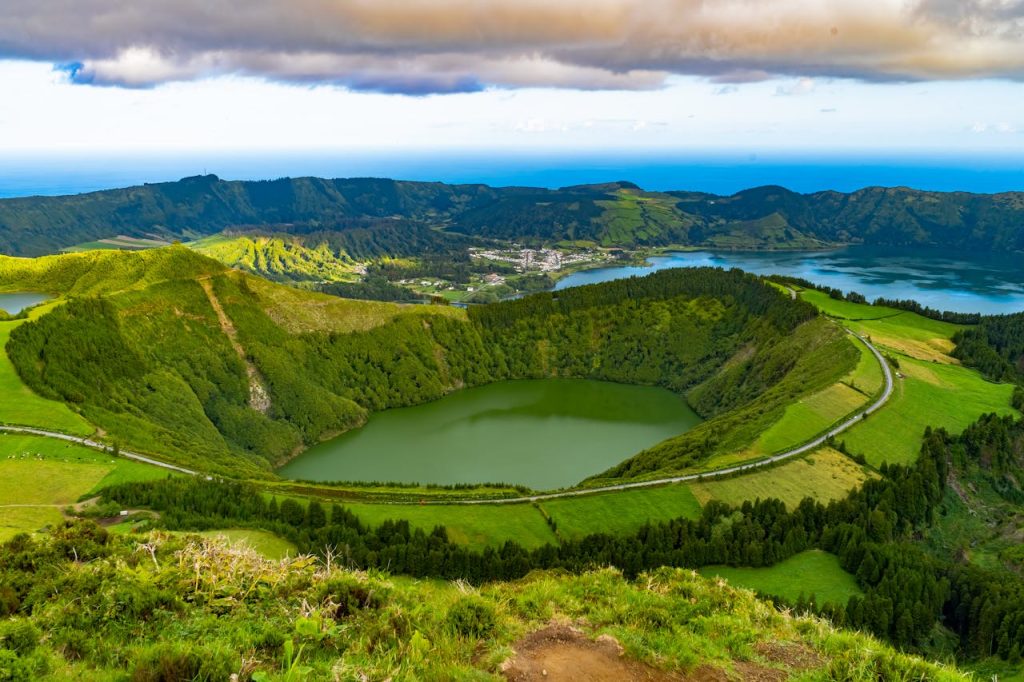
The Azores archipelago masterfully balances its volcanic landscapes, lush greenery, and rich marine sanctuaries by promoting eco-tourism through sustainable tours, hiking, and marine wildlife observation. As the first island archipelago globally certified as a sustainable tourism destination under EarthCheck, it implements a comprehensive sustainability charter aligned with the UN’s 2030 Agenda. Local initiatives focus on preserving natural resources, spreading visitor flows across nine islands, and supporting community welfare. Visitors enjoy thermal springs, whale watching, and volcanic crater hikes while respecting fragile ecosystems, reflecting a collective commitment to conservation and green tourism success.
Ghana: Cultural and Ecological Sustainability

Ghana’s eco-tourism beautifully blends cultural richness with nature conservation, promoting sustainable living through eco-villages and conservation lodges. Community involvement is key, with initiatives supporting reforestation and wildlife protection. Visitors immerse themselves in traditional lifestyles while contributing to local economies through meaningful interactions like cooking, crafts, and ceremonies. Protected parks like Kakum and Mole highlight biodiversity preservation, while eco-tourism educates both travelers and locals on sustainable farming, waste management, and environmental stewardship. This approach safeguards Ghana’s heritage and natural beauty for future generations.
Iceland: Geothermal Wonder and Eco Adventure
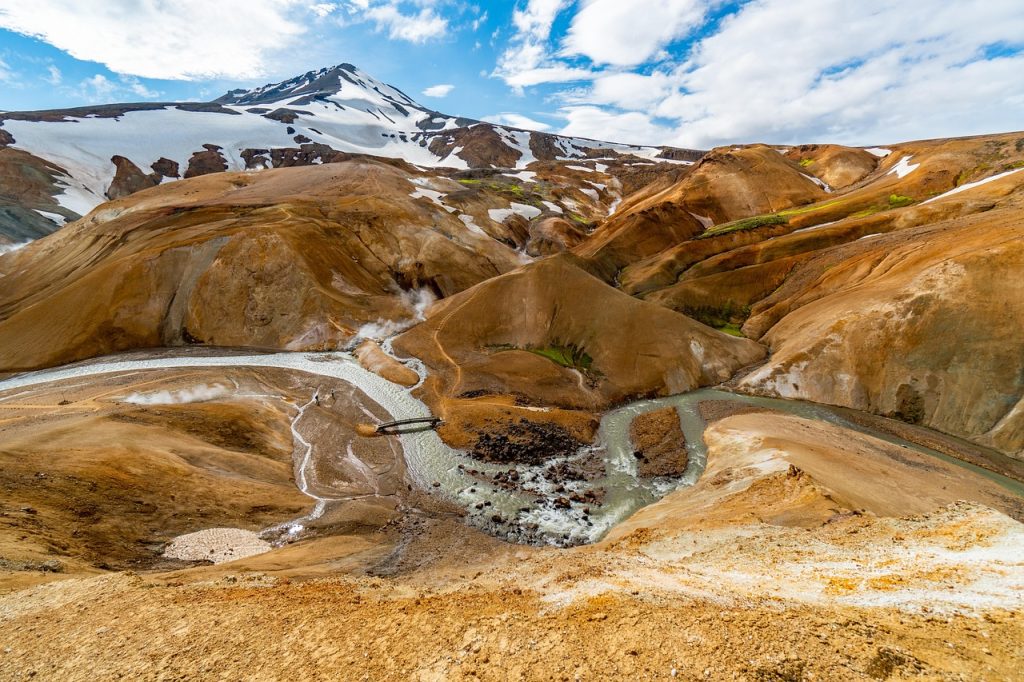
Iceland’s landscape is a breathtaking blend of glaciers, volcanoes, and waterfalls, powered largely by renewable geothermal energy. Over 90% of Iceland’s homes are heated with geothermal sources, while about 30% of its electricity is generated by this clean energy. The country integrates geothermal energy into tourism through energy efficient geothermal spas and nature tours designed for minimal environmental impact. Iceland’s commitment to sustainability and green infrastructure makes it a global leader in eco-friendly travel amid stunning natural beauty.
Bhutan: The Last Green Kingdom
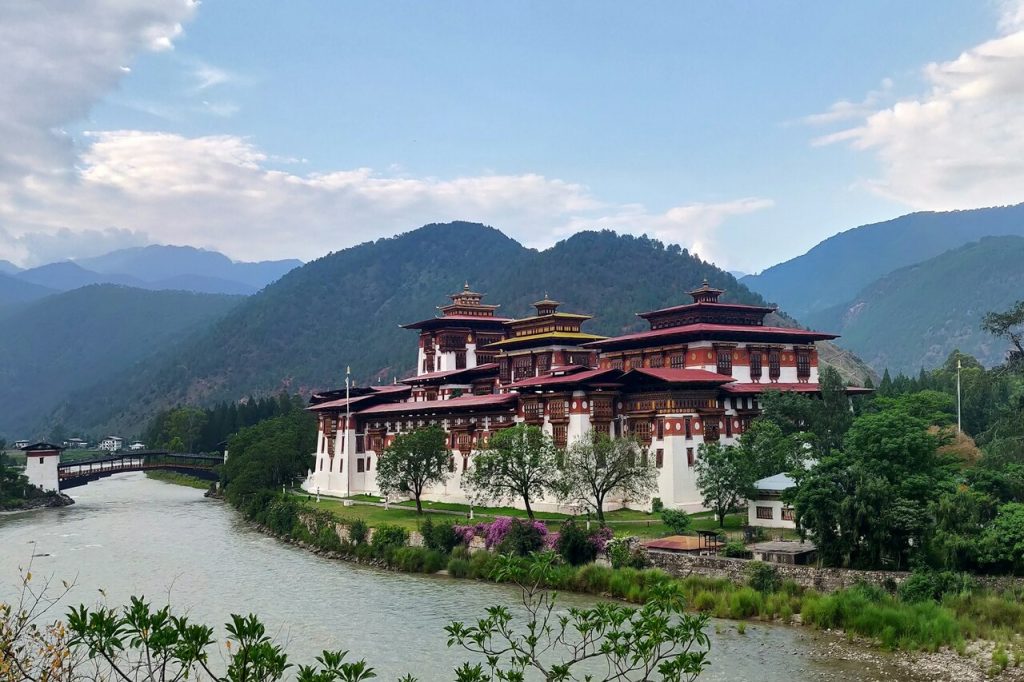
Bhutan measures success primarily through Gross National Happiness (GNH), emphasizing holistic well-being, environmental sustainability, cultural preservation, and social development over mere economic growth. The country restricts tourist numbers through a “high value, low volume” policy, focusing on responsible tourism that minimizes environmental impact while enriching cultural experiences. Visitors engage in eco-friendly trekking, participation in festivals, and stays at sustainable lodges, aligning tourism with Bhutan’s core values of ecological care, cultural respect, and mindful development, making it a truly sacred, green destination.