The Travel Hack That Airlines Have Been Quietly Closing Off and Frequent Flyers Are Furious
Airlines have been steadily tightening the rules around one of the most talked-about airfare hacks in travel. The practice, known as hidden-city ticketing, can still work in some cases, but travelers say it is becoming much harder to use without risking canceled tickets, lost miles, or account penalties.
The shift matters because the tactic grew popular as domestic fares stayed high on many nonstop routes in 2024. What looked like a clever way to save money is now at the center of a broader fight over pricing, consumer rights, and how much control airlines should have once a passenger buys a ticket.
What hidden-city ticketing is and why airlines dislike it

Hidden-city ticketing happens when a traveler books a flight with a connection, but leaves the airport at the layover city instead of taking the final leg. The reason is simple: in some cases, a ticket from City A to City C, with a stop in City B, costs less than a nonstop or direct trip to City B. For budget-conscious travelers, that pricing gap can be hard to ignore.
Airlines have opposed the tactic for years because it disrupts the way they manage fares and seat inventory. Their pricing systems are built around demand across whole networks, not just individual city pairs. A cheaper connecting fare may be offered to compete on a longer route, even when the first segment is one that another passenger would gladly pay more to take.
Most major US airlines state in their contracts of carriage that customers are expected to fly all segments in the order booked. They also warn that skipping a leg can lead to consequences, including cancellation of the rest of the itinerary. That means hidden-city ticketing is usually limited to one-way trips and travelers who do not check bags, because checked luggage is generally sent to the final ticketed destination.
The tactic has been discussed online for years, but it moved further into the mainstream as airfare search tools made unusual fare comparisons easier to spot. Frequent flyers say it became especially tempting during periods when a short domestic nonstop could cost hundreds more than a longer connecting itinerary on the same airline.
How the crackdown has expanded beyond canceled flights
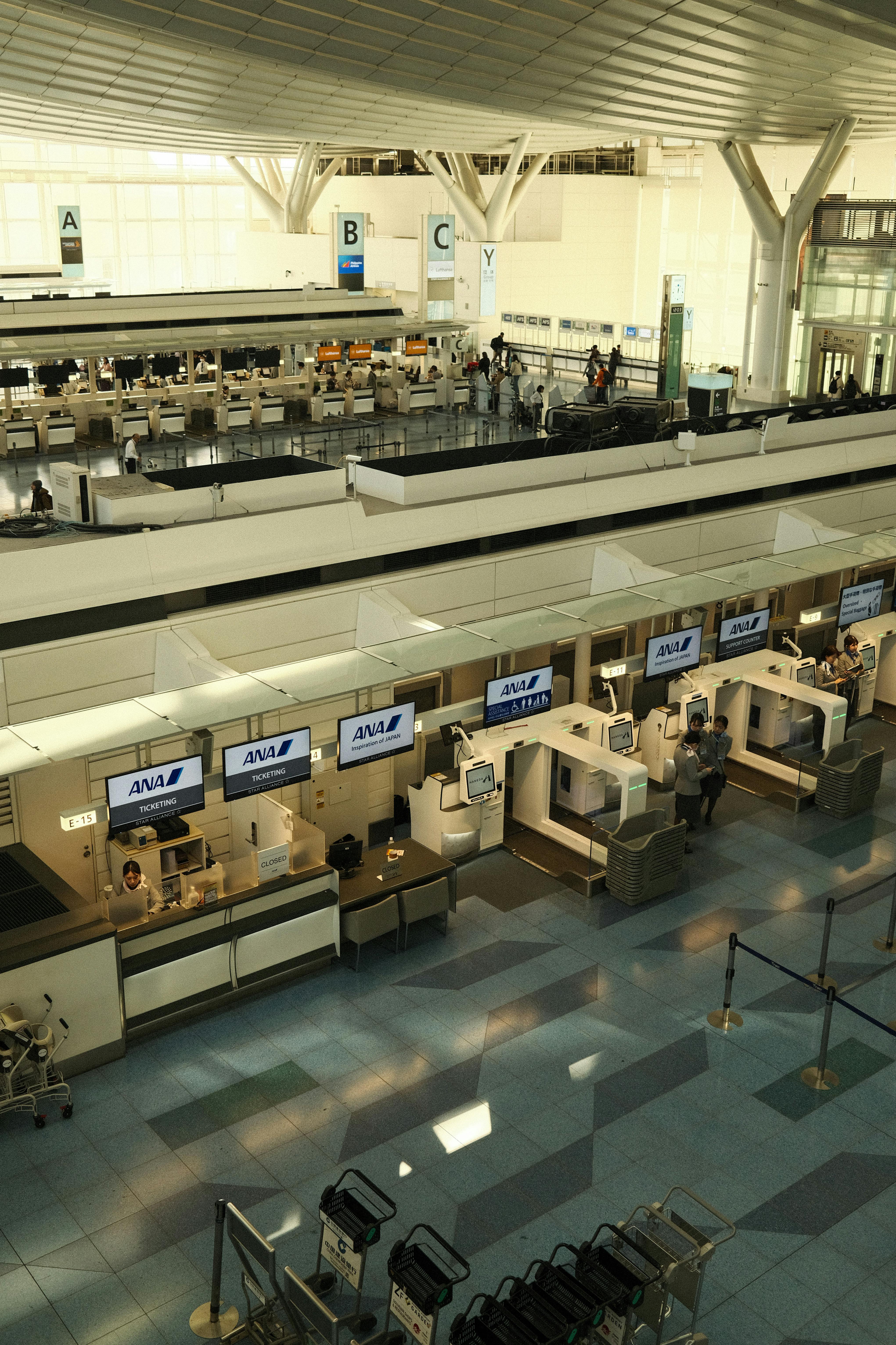
The biggest immediate risk for travelers is still the same: if a passenger misses a segment, the airline can cancel all remaining flights on the booking. But industry watchers say enforcement has become broader, especially when airlines believe a customer is using the tactic repeatedly rather than by accident.
American Airlines drew attention in 2024 after taking legal action tied to the sale and promotion of hidden-city tickets, arguing that the practice violates the terms of use tied to its fares. Lufthansa had already fought similar battles in Europe in earlier years, helping establish hidden-city ticketing as more than just a niche frequent-flyer debate. The message from carriers has been consistent: they see it as abuse of the fare system, not smart shopping.
Travelers say the penalties can go well beyond a canceled reservation. In some cases, they report warnings from airlines, loss of elite benefits, confiscated frequent-flyer miles, and closure of loyalty accounts. Airlines do not always publicize specific enforcement thresholds, which leaves many customers unsure where the line is between a one-time missed flight and a pattern that could trigger action.
Booking sites have also become more cautious. Skiplagged, the website most associated with surfacing hidden-city fares, has long argued it is simply showing publicly available prices. But pressure from airlines and lawsuits over the years have made the tactic more visible and riskier, especially for ordinary travelers who may not fully understand the downsides before trying it.
Why many travelers say the anger is really about airfare pricing

The strong reaction from frequent flyers is not only about losing a travel hack. It is also about what hidden-city ticketing reveals about airline pricing. Many passengers find it hard to accept that flying farther can sometimes cost less than flying a shorter and simpler route, especially when seats on both itineraries begin on the exact same aircraft.
That frustration has grown as travelers have faced a mix of high fares, basic economy restrictions, and extra fees for bags, seat assignments, and changes. According to US inflation data and industry fare tracking through 2024, ticket prices cooled from some post-pandemic peaks, but many popular domestic routes remained expensive during holiday periods and on business-heavy schedules. For travelers comparing options, hidden-city fares looked less like a loophole and more like evidence that the system itself made little sense.
Consumer advocates have long said airline pricing is legal but often confusing. Carriers use sophisticated revenue management systems that constantly adjust fares based on demand, competition, timing, and traveler behavior. A family trying to get to a hub city for a wedding may see a much higher fare than a passenger whose ticket continues onward, simply because the market will bear it.
For road warriors and budget travelers alike, that leaves a bitter feeling. They argue that if airlines can use complex pricing to maximize revenue, passengers should not be shamed for trying to minimize costs. The counterargument from carriers is that widespread hidden-city booking would distort fares for everyone and make network planning less reliable, potentially raising prices elsewhere.
What travelers need to know now before trying the tactic

Travel experts say anyone considering hidden-city ticketing should understand the practical risks first. It usually does not work for round trips because the unused segment can void the rest of the itinerary. It also does not mix well with checked luggage, irregular operations, or schedule changes, since an airline may reroute a traveler through a completely different connection city without notice.
There are also less obvious problems. A traveler using the method may not be able to earn or keep loyalty credit if an airline decides the booking violated fare rules. If weather or maintenance issues disrupt the first flight, the airline has no obligation to preserve the intended hidden-city stop as the new connection point, which can erase the entire point of booking the ticket that way.
Some airfare analysts say the shrinking usefulness of hidden-city ticketing reflects a larger change in the market. Airlines are using better data tools to identify unusual booking patterns, while personalized pricing and tighter fare segmentation are reducing the obvious fare gaps that once made the trick so attractive. In other words, the hack is not fully gone, but it is becoming harder to use casually and safely.
For most travelers, the safer alternatives remain more traditional: compare nearby airports, book one-way tickets on competing airlines, watch fare sales, use points strategically, and avoid peak travel windows when possible. Hidden-city ticketing still exists, but the era when it felt like a clever secret may be ending. What remains is a familiar standoff in air travel, with airlines defending pricing rules and passengers asking why buying less of a flight can still cost more.