These 7 Greek Island Taverns Serving Food Poisoning Specials
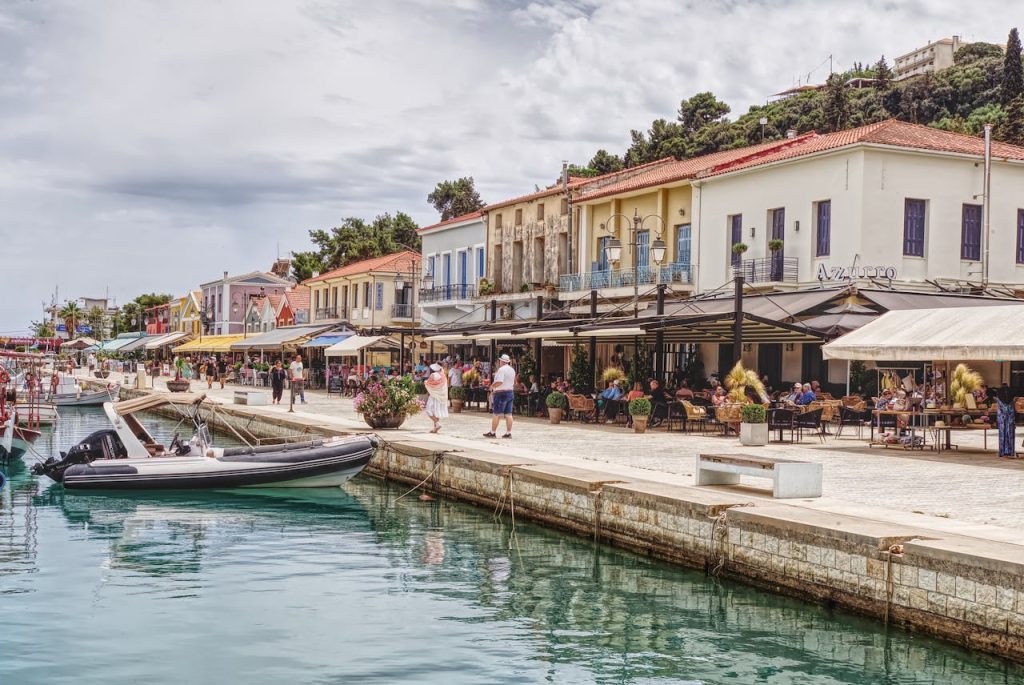
Greek island taverns can feel like summer distilled: salt on the breeze, tables squeezed into alleys, and grilled fish arriving as harbor lights flicker on. The setting is perfect, and the risks are invisible until later.
In peak season, kitchens move at sprint speed. When cold mezze warms on the pass, reheats turn uneven, or seafood handling gets casual, a beautiful night can end with an unwanted souvenir.
The seven stops below are fictional composites based on common food-safety red flags, not claims about real businesses. They spotlight patterns that can spoil a trip, so the islands stay remembered for music, generosity, and easy sleep.
Caldera Sunset Taverna, Santorini (Fictional Composite)
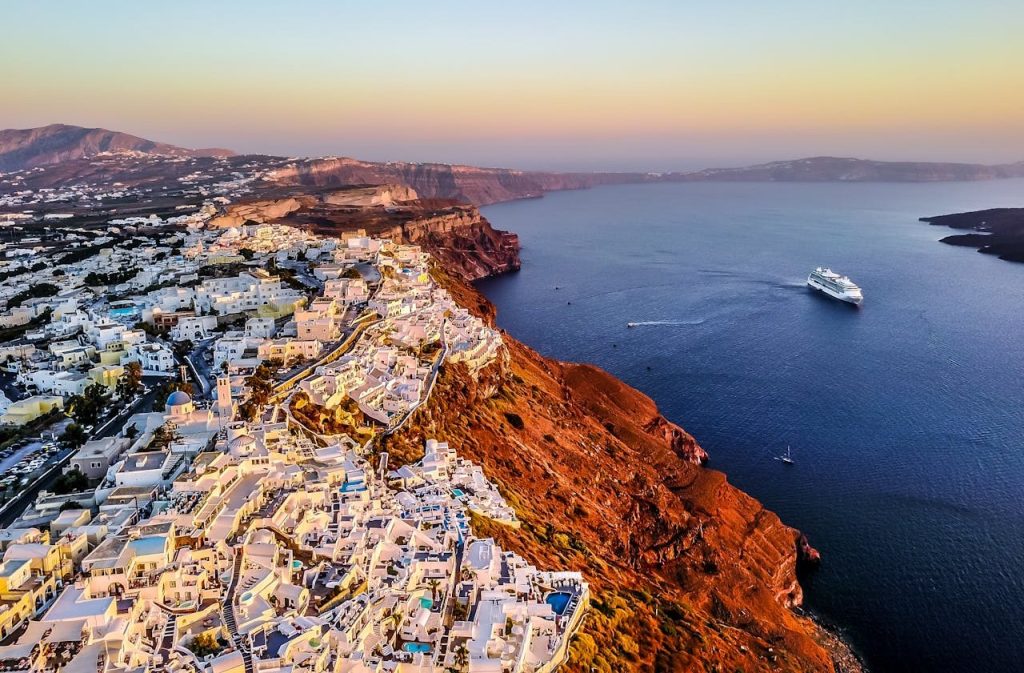
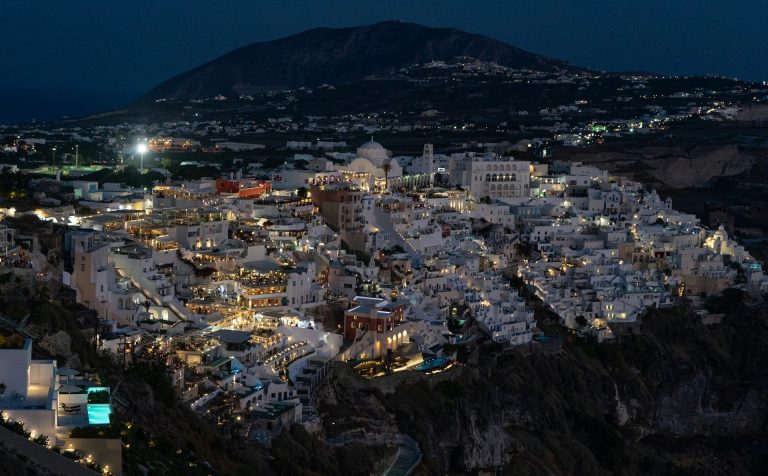
A caldera-edge taverna fills as the sky turns bronze, and the kitchen starts pushing plates faster than the terrace can clear. Servers smile through the rush, but the pace turns timing into guesswork. The view is stunning, which makes mistakes easier to miss in the moment.
Red flags show up in small details: tzatziki sweating on the pass, bread baskets topped up from the same pile, and seafood waiting while photos get taken. If cold dishes arrive barely cool and hot plates land lukewarm, holding temperatures have slipped. When the bill includes surprise add-ons for bottled water or bread, it hints at a place counting on confusion, not care.
Harbor Flash Taverna, Mykonos (Fictional Composite)
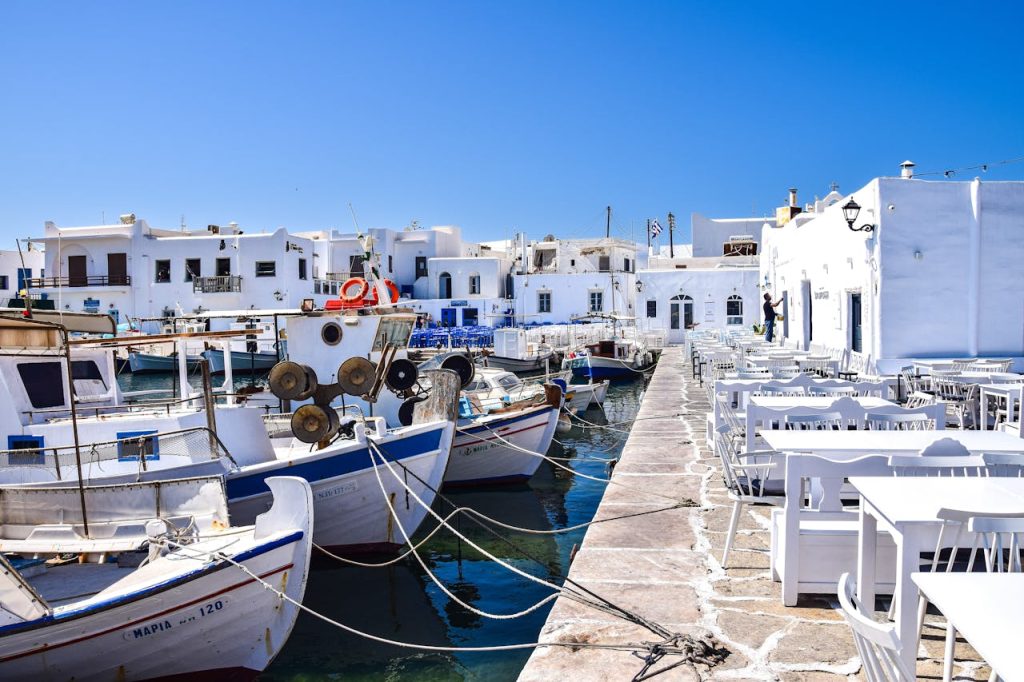
A waterfront taverna runs at party speed, with orders shouted over music and seafood timed to the next round of drinks. The room looks polished, but the workflow behind the bar can be chaotic when lines stretch. Staff are friendly, yet speed becomes the main seasoning.
Risk creeps in when marinated fish is treated as a shield: boards bounce from raw seafood to herbs, and ice bins double as storage while the fridge is opened for beers and sauces. If chilled bites linger near warm lights or plates sit for pickup, time starts working against the kitchen. A safe place swaps tools, chills promptly, and never leans on lemon to cover delays.
Stone Courtyard Taverna, Rhodes (Fictional Composite)
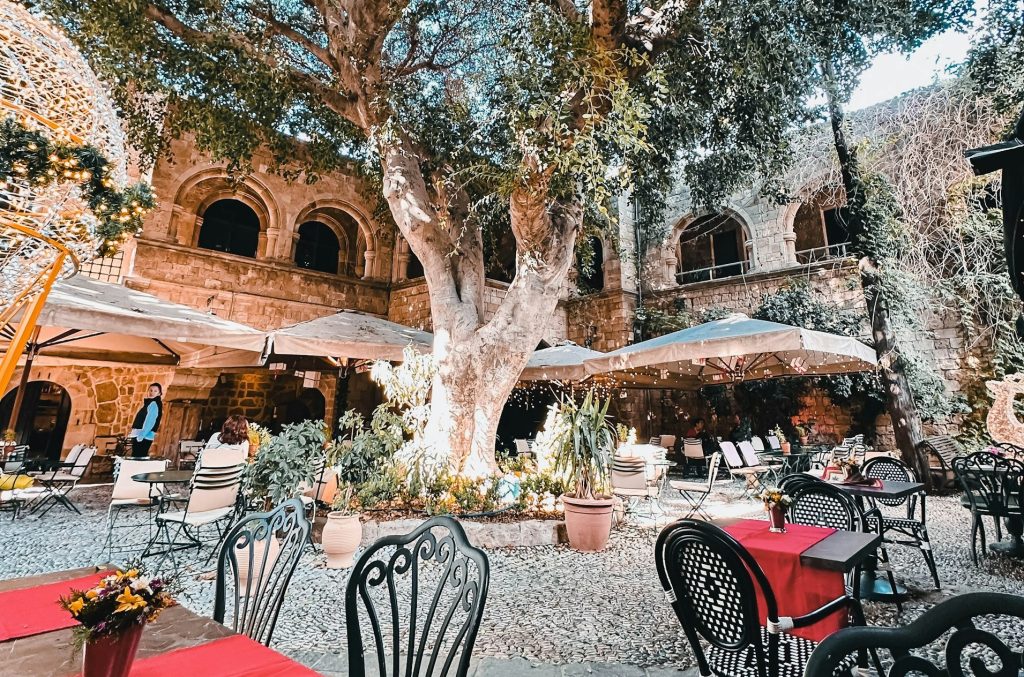
A stone courtyard taverna feels timeless under arches and lanterns, but the back kitchen can be cramped and hot once tour groups arrive together. Plates land in waves, and the staff tries to keep the mood light as the pace climbs.
Problems start when casseroles and chicken are batch-cooked early, then reheated unevenly as tickets stack. Red flags include sauces that skin over, salads assembled too close to raw prep, and the same cloth used for quick wipe-downs. If food arrives warm instead of hot, it signals rushed reheats, not tradition. A crowded room can be careful but it needs discipline. In summer heat, timing matters as much as flavor.
Creamy Mezze Taverna, Corfu (Fictional Composite)
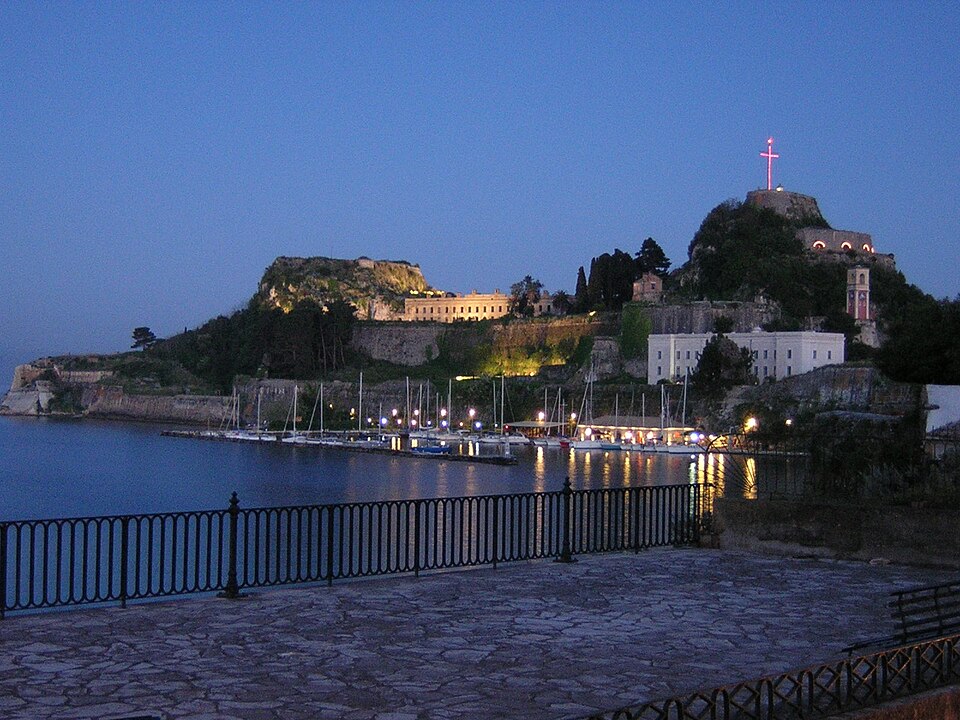
A shaded seaside taverna leans on creamy mezze, with tzatziki, feta spreads, and mayo salads arriving in generous bowls meant for slow, sunny grazing. Bread keeps coming, and the table stays full. The scene feels relaxed, and that comfort can hide the details that matter.
Risk shows when cold dishes sit out between refills, spoons dip back into the same bowl, and half-empty platters get topped up instead of replaced. In humid air, dairy warms quickly, and lemon cannot undo time. If salads look wet, or dips feel warm at the edge, the kitchen is losing the chill. The safest places swap bowls often and keep cold food cold, always.
Switchback Pot Taverna, Crete (Fictional Composite)
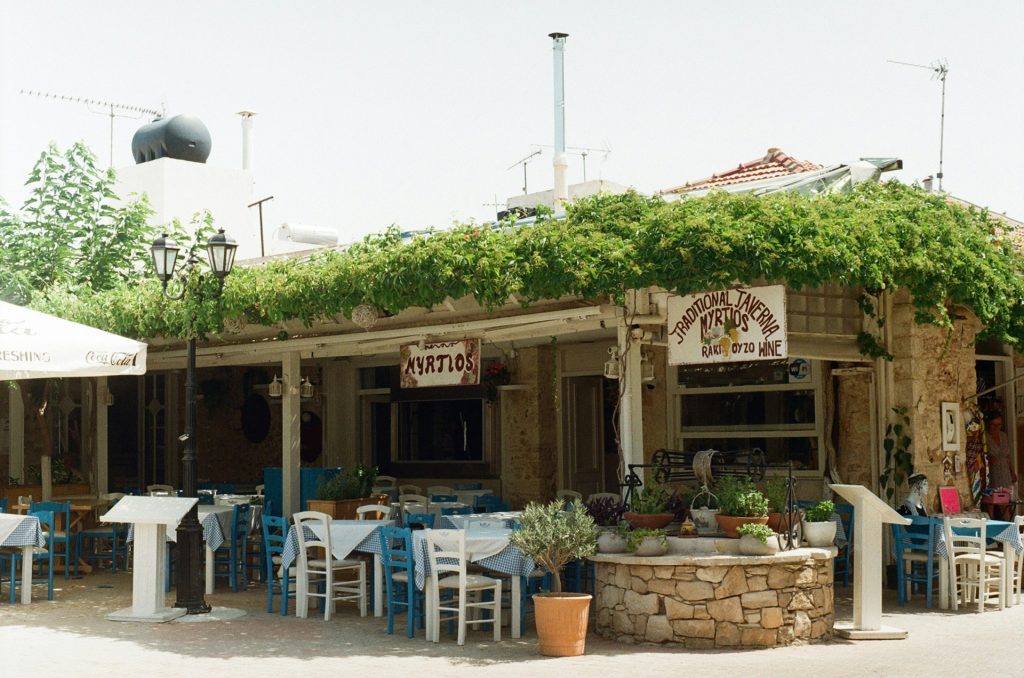
A mountain-road taverna feels like a reward stop, with big pots of stew, rice, and roasted meat built for hungry midday crowds. The food tastes deep and patient, yet the service can be rushed when buses arrive at once. A cool breeze outside does not cool a pot on the counter.
The trouble is cooling and reheating. Large batches may sit too long before warming again, rice can be held for hours, and herbs get rinsed in a sink that also handles raw prep. If a dish is hot on the edges but lukewarm in the middle, the reheat was uneven. Flavor can be excellent and handling can still be sloppy, which is why the warning is easy to miss.
Port Sides Taverna, Naxos (Fictional Composite)
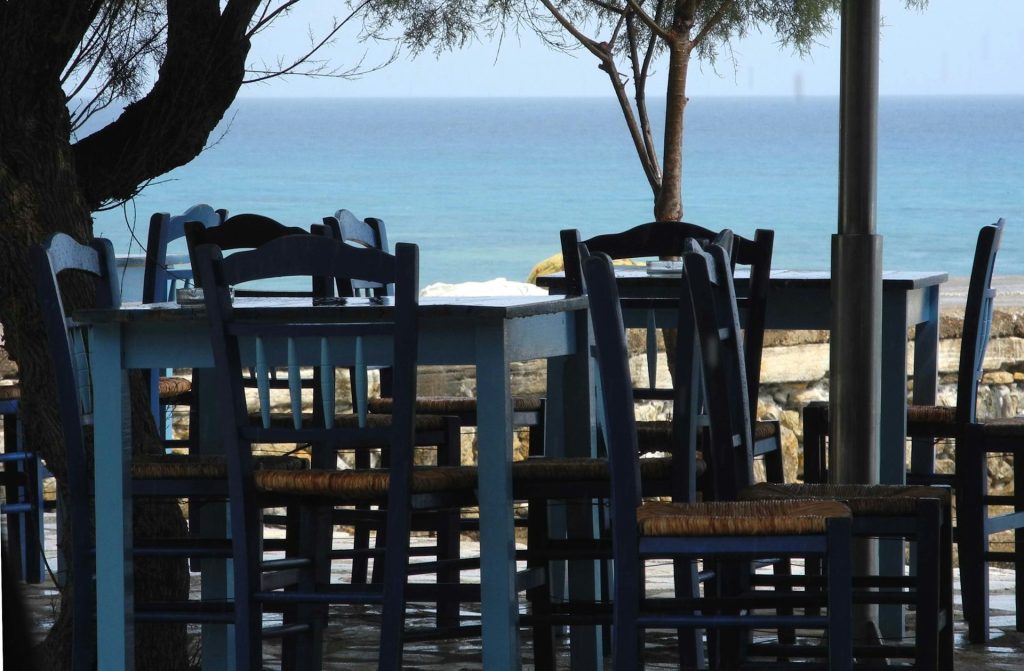
A portside grill may nail the fish, yet the quiet risk often rides in the sides that sit out while the flames do the talking. Service moves in bursts as boats unload, and the counter space becomes a staging area for everything all day.
Cooked pasta salads, cut fruit, and garnish trays can linger at room temperature, and shared spoons move from platter to platter. Hands slide from cash to plates to lemon wedges too quickly when staff are short. If yesterday’s rice becomes today’s stuffing and gets dressed with oil and oregano, it can taste bright but still be a gamble. Care shows up when cold items are replaced, not refreshed.
Late Ferry Taverna, Paros (Fictional Composite)
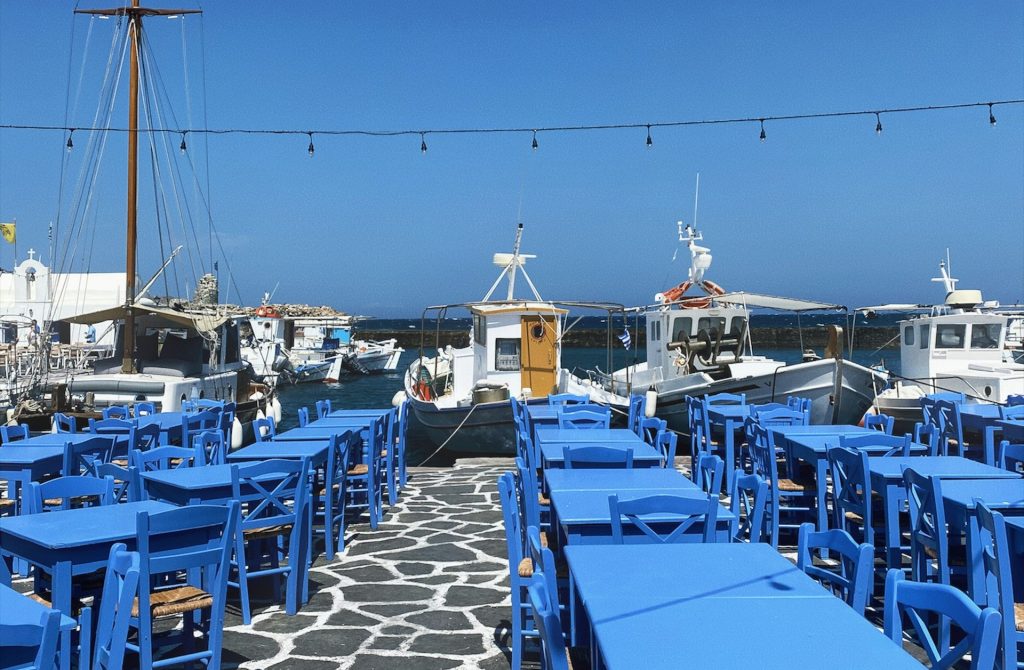
Near the ferry docks, a late-hours taverna lives in waves, feeding arrivals who want comfort fast after a long crossing. The kitchen keeps food ready because the next boat can land without warning, even after midnight. The room stays cheerful, but fatigue creeps in.
That rhythm tempts long holding. Fried items rest in trays, seafood gets rewarmed, and sauces stay out while boards and knives get only a quick wipe. Dips refilled instead of replaced are another tell. If plates arrive neither truly hot nor properly chilled, the kitchen has lost control of basics. A calm, careful place slows down, swaps tools, and ends service cleanly.