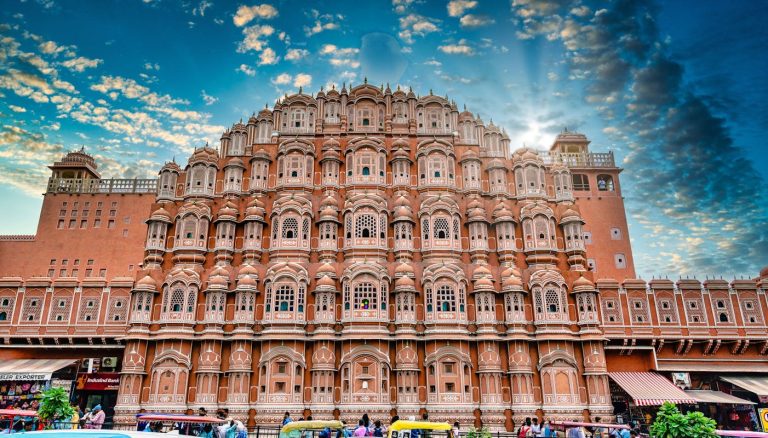
These 9 Thai Temple Tours Crawl With Monkey Aggression
Thai temple days often begin in a hush: bells, incense, and gold catching early light.
In a few well-known stops, long-tailed macaques treat stairs and courtyards like busy lanes. When tours arrive with snacks, shiny bags, or loose bottles, the mood turns watchful, and even small pauses start to feel tight.
The smoothest guides set one rhythm from the start: hands free, bags zipped, and photo pauses only in wide spots where crowds can pass. They keep voices low, skip any feeding, and move the group like a short procession instead of a loose cluster. That pacing protects temple dignity and keeps wildlife from learning the wrong cues.
Phra Prang Sam Yot, Lopburi
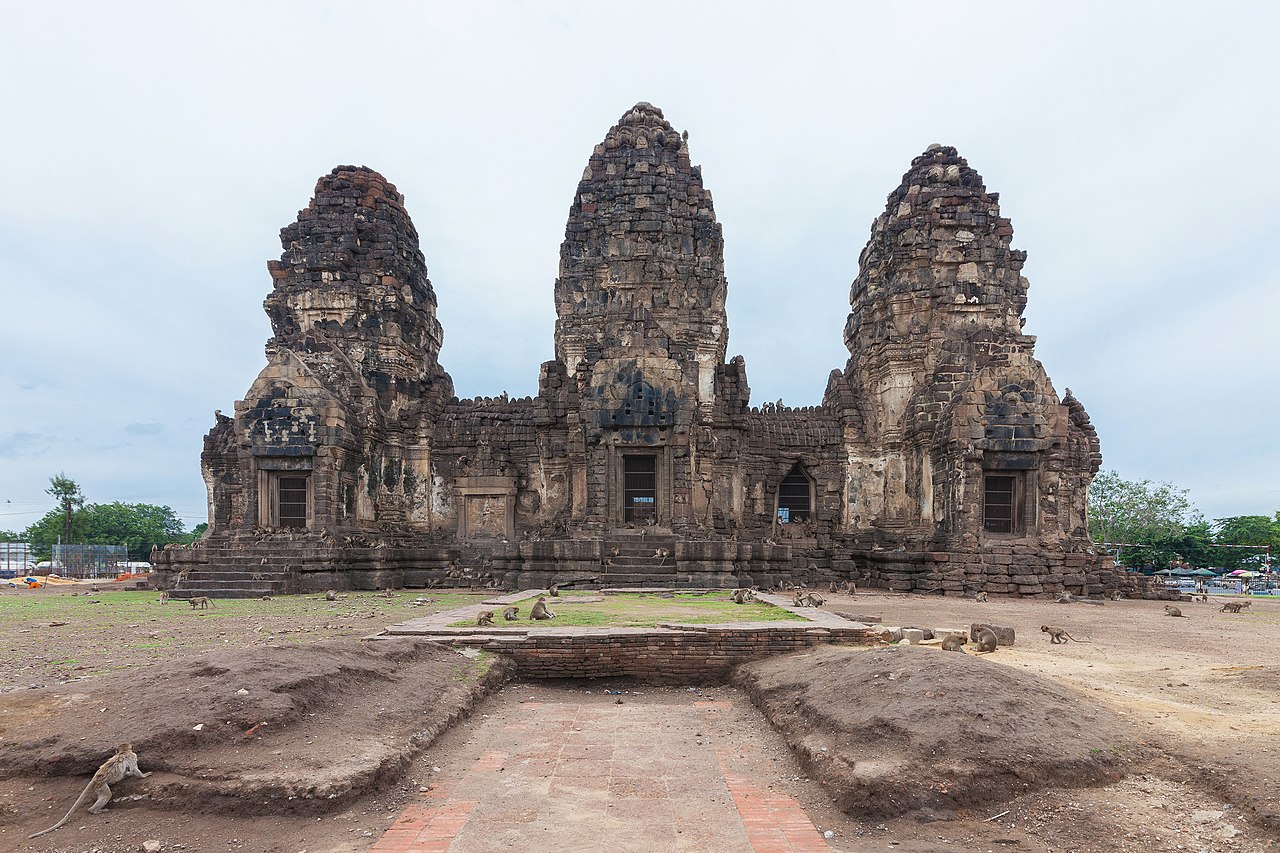
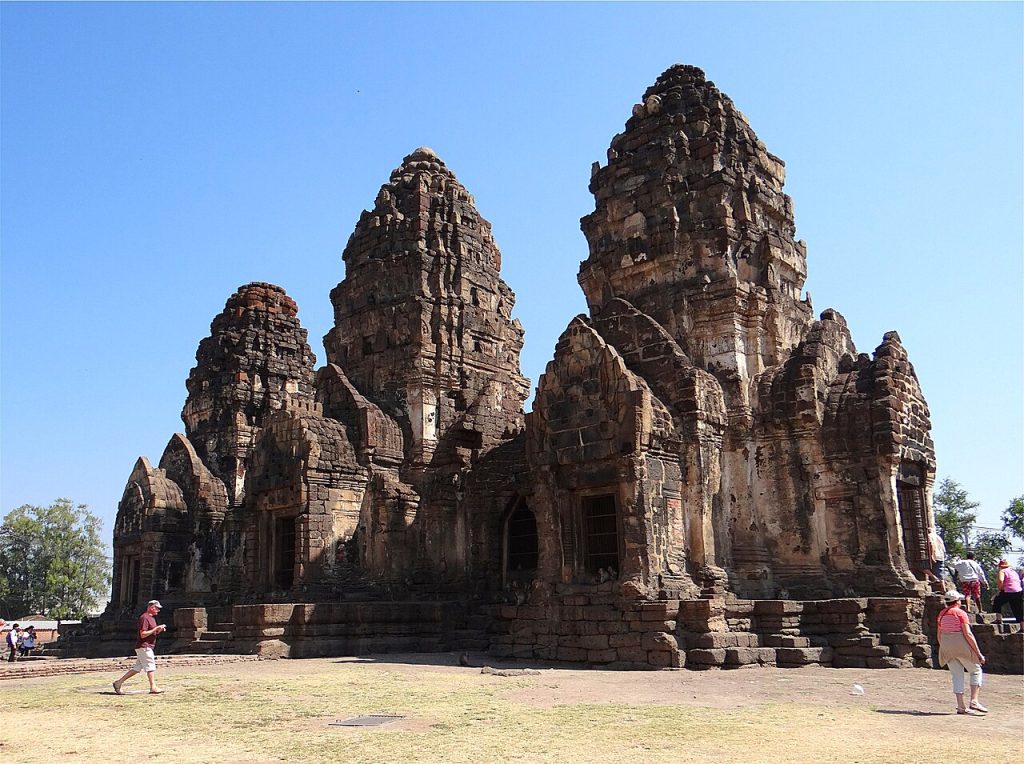
Phra Prang Sam Yot pairs Khmer-era stone towers with the everyday noise of Lopburi streets, and macaques treat the arches as home.
The crawl begins when people linger near snack stalls or let bottles and sunglasses dangle from wrists. Stronger tours brief the rules before the gates: nothing in hand, straps tucked, and photos taken only from the wider outer edge, not the tight center.
Guides name one regroup point and keep the walking line moving, so hesitation is not rewarded. With that rhythm, the stop feels like sacred architecture again, with cool shade, worn stone, and quiet detail holding attention instead of a tense shuffle.
San Phra Kan Shrine, Lopburi
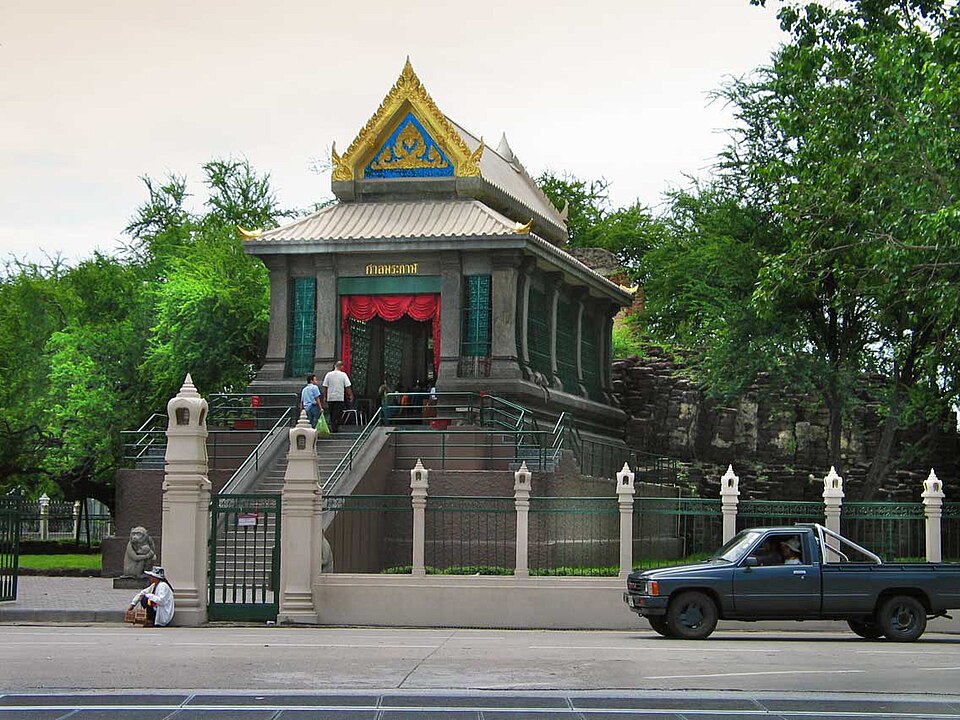
San Phra Kan Shrine sits near Lopburi’s busiest monkey zone, where prayer, traffic, and street stalls overlap in tight blocks.
Tours slow when snacks appear or a bag is left half open near the gates, because macaques read rustling wrappers and loose straps quickly. Good guides keep the stop brief, ask for zipped bags, and pick a wider spot away from stalls for photos.
They name a regroup point, skip pointing or teasing, and move the group like a single line, without crowding the doorway. Food waits until the van, and updates stay calm and clear. With that rhythm, the shrine stays dignified, and the animals remain background motion.
Wat Khao Takiab, Hua Hin
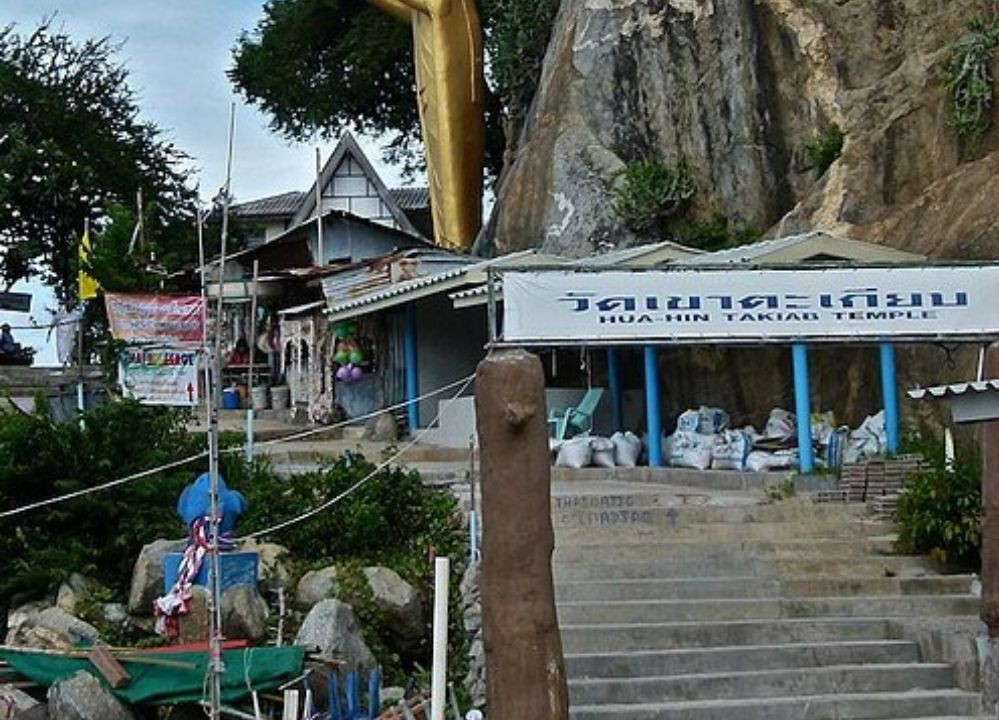
Wat Khao Takiab rises above Hua Hin’s shoreline, trading beach noise for sea views, bells, and terraces that invite lingering.
Macaques gather where tours slow down, especially on stair landings and near railings. The crawl starts when bottles are carried openly or sunglasses sit loose, because the animals track easy grabs and follow hesitation.
Strong guides pack everything away before the climb, keep hands free for rails, and skip any feeding. They choose photo pauses on open terraces, keep the stairway a passing lane, and set a clear meeting spot at the top, then move on before crowds knot. At sunset the visit stays calm and respectful.
Wat Suwan Kuha, Phang Nga
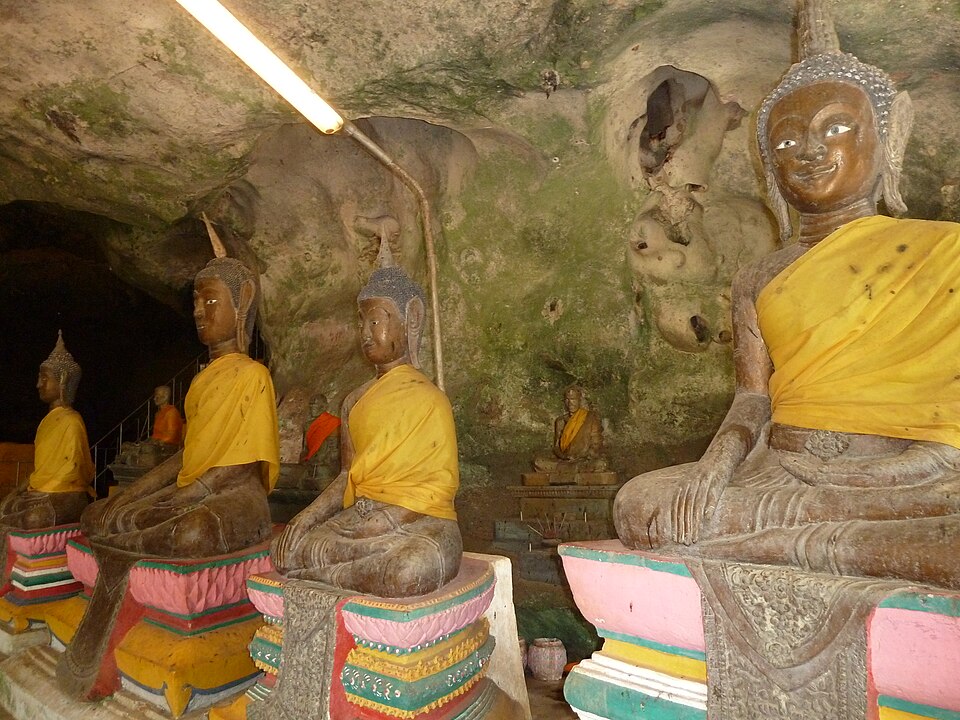
Wat Suwan Kuha in Phang Nga is a cave temple where cool chambers hold a reclining Buddha and footsteps echo softly.
Outside the entrance, macaques linger near shade and snack stalls, and tours bog down when wrappers rustle or fruit comes out for the ride back. A tight cluster at the cave mouth invites hovering and slows everyone.
Good guides keep hands free, skip feeding, and shift photos to the quiet interior, where the pace slows. They keep bags zipped on exit and regroup in wider spots away from stalls, with even spacing so no one is isolated on steps. With calm movement, the cave’s hush stays central, and the walk back feels simple.
Tiger Cave Temple, Krabi
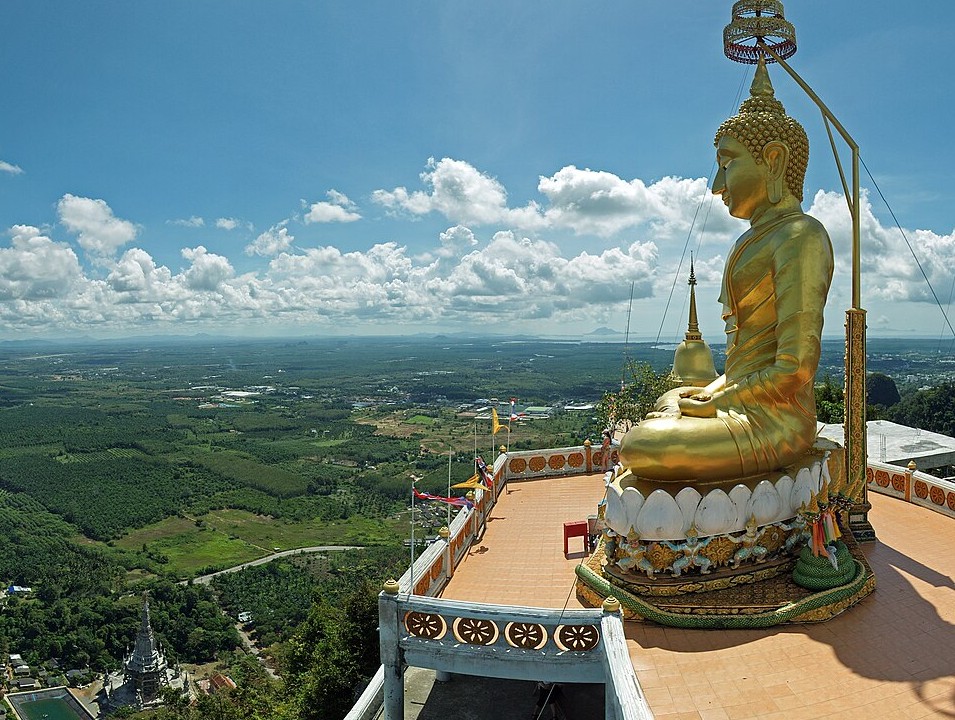
Tiger Cave Temple in Krabi draws tours for its steep stair climb and wide views, but the base complex is where macaques are most confident.
The crawl starts during the pre-climb pause, when drinks and snacks come out and bottles get set on ledges for photos. Loose straps and open bags invite quick snatches, and the group tightens around the same shaded spots.
Strong guides set one rule at the bottom: pack everything, then climb, with hands free for rails and balance. They pick a clear meeting point and save longer breaks for open areas where people can step aside without blocking flow. With structure, the stop feels focused, not jittery.
Wat Tham Pla, Mae Sai
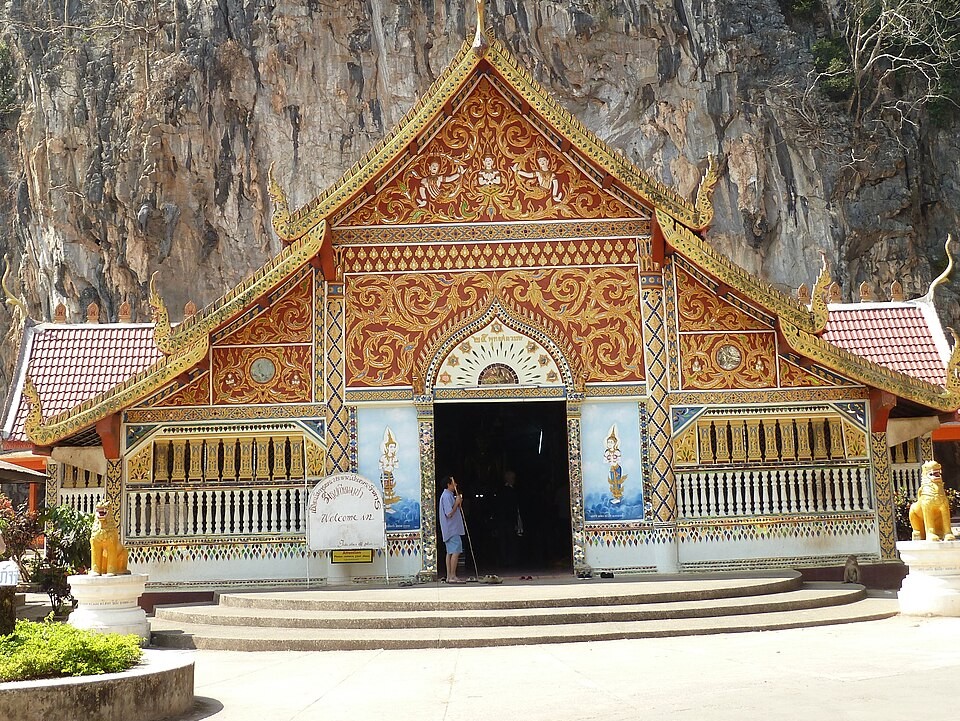
Wat Tham Pla near Mae Sai blends a cave shrine and fish feeding with forest paths that invite slow wandering.
Macaques roam the grounds, and tours crawl when people drift between stalls with snacks in hand. Narrow stretches near benches and bins become pinch points, and hesitation draws attention to dangling bottles and clips.
Better guides keep the visit structured: fish feeding first, photos second, then a clean move back to the parking area. They name a regroup point, keep bags zipped, and avoid stopping where the path narrows. With calm pacing, the cave and stream feel peaceful again, and the animals stay in the background.
Tham Khao Luang, Phetchaburi
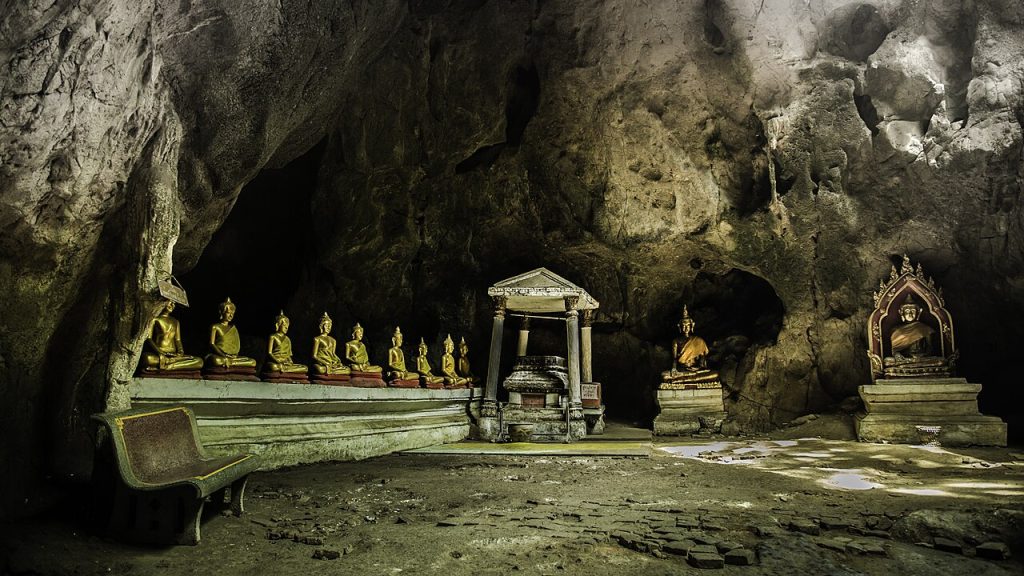
Tham Khao Luang in Phetchaburi feels theatrical, with shafts of light cutting through limestone onto Buddha images in cool air.
The crawl usually happens outside, where macaques gather near steps and transport points and tours pause to sort tickets, water, and cameras. Loose plastic bags and open snacks invite hovering, and the entry line slows.
Good guides treat the approach like a short procession: no food in hand, phones secured before stairs, and photo pauses taken on wider platforms. They move as one group on exit, so no one is left behind near railings. Handled cleanly, the cave’s hush becomes the memory, not the scramble at the gate.
Phra Nakhon Khiri, Phetchaburi
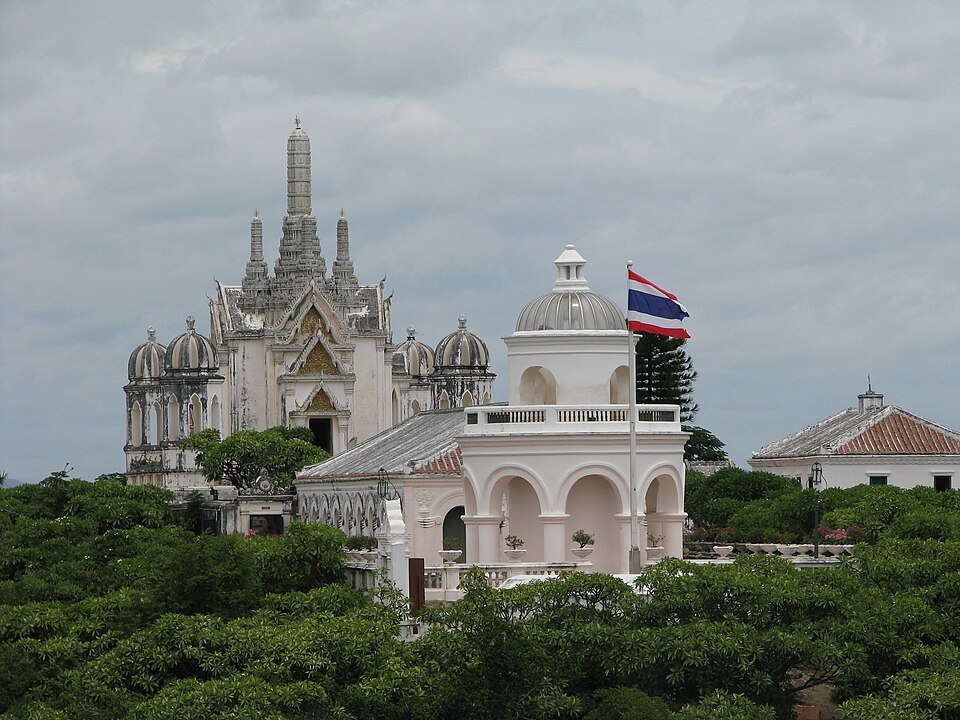
Phra Nakhon Khiri, often called Khao Wang, sits above Phetchaburi with palace courtyards, shrines, and wide views over town.
Macaques move through the hill complex with confidence, and tours slow when people stop on stairs, pull out snacks at viewpoints, or let hats hang loose. Those pauses bunch foot traffic and invite close hovering.
Strong guides keep the ascent steady, choose rest stops on broad terraces, and keep bottles and food packed away. They set one meeting point before exploring so the group does not scatter into tight corners. With that structure, the hill feels ceremonial and calm, and the architecture leads the day again.
Wat Tham Pha Plong, Chiang Dao
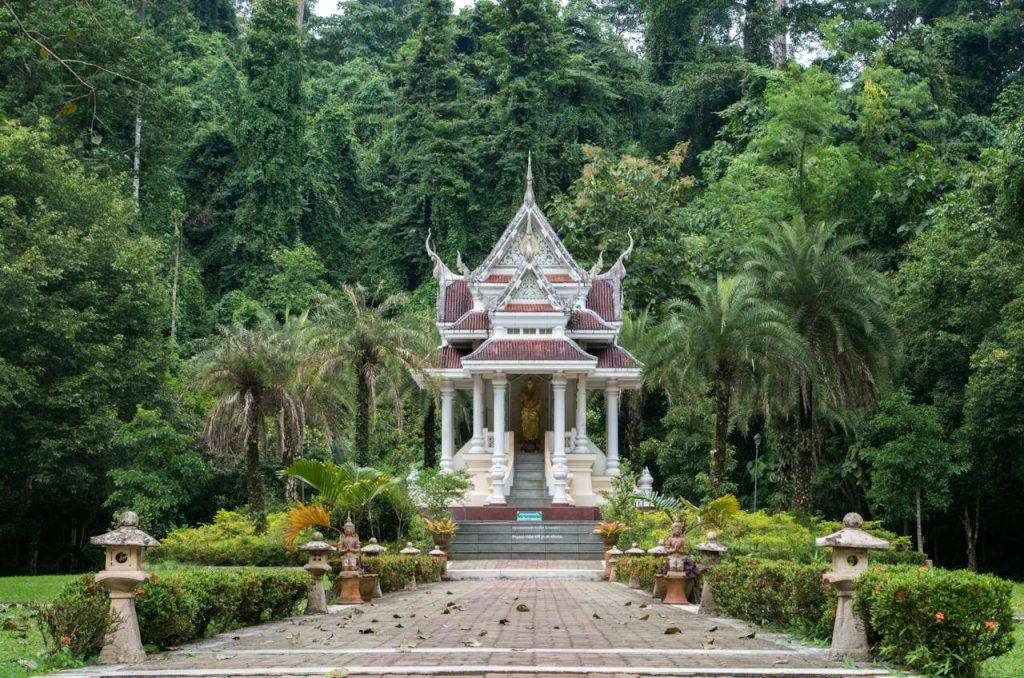
Wat Tham Pha Plong near Chiang Dao is a forest monastery reached by a long stairway lined with proverbs and shade.
The climb encourages quiet, yet macaques sometimes linger near lower steps where tours pause to breathe and unwrap snacks. Plastic bags and dangling bottles can pull attention close and slow the line.
Good guides keep food packed, keep phones secured while walking, and use wider landings for brief photo pauses. They keep the group in a single file, with hands free for rails and steady footing. With that calm rhythm, the ascent feels meditative, and the courtyard at the top holds silence instead of commotion.