These Are The 9 Reasons Fewer Foreign Tourists Are Coming to the U.S.
Travel industry analysts and economic forecasters report a troubling trend for the American tourism sector in 2026: international visitor numbers are stalling, and in some key markets, actively declining. While domestic travel remains robust, experts from the U.S. Travel Association and global risk consultancy firms observe that a “perfect storm” of geopolitical friction, economic barriers, and reputational challenges has dampened global enthusiasm for American vacations. The recovery that was promised following the pandemic has hit a structural wall, with the United States losing market share to destinations perceived as more welcoming, affordable, and safe.
Hospitality executives and immigration attorneys emphasize that this downturn is not merely a cycle but a reaction to specific policy choices and global economic realities. From record-breaking visa wait times to a dollar that crushes foreign purchasing power, the friction involved in visiting the U.S. has reached a tipping point for many potential travelers. By analyzing data from consular offices and global sentiment surveys, industry leaders have identified nine distinct factors driving international tourists to take their holidays elsewhere.
The “Fortress America” Visa Backlog
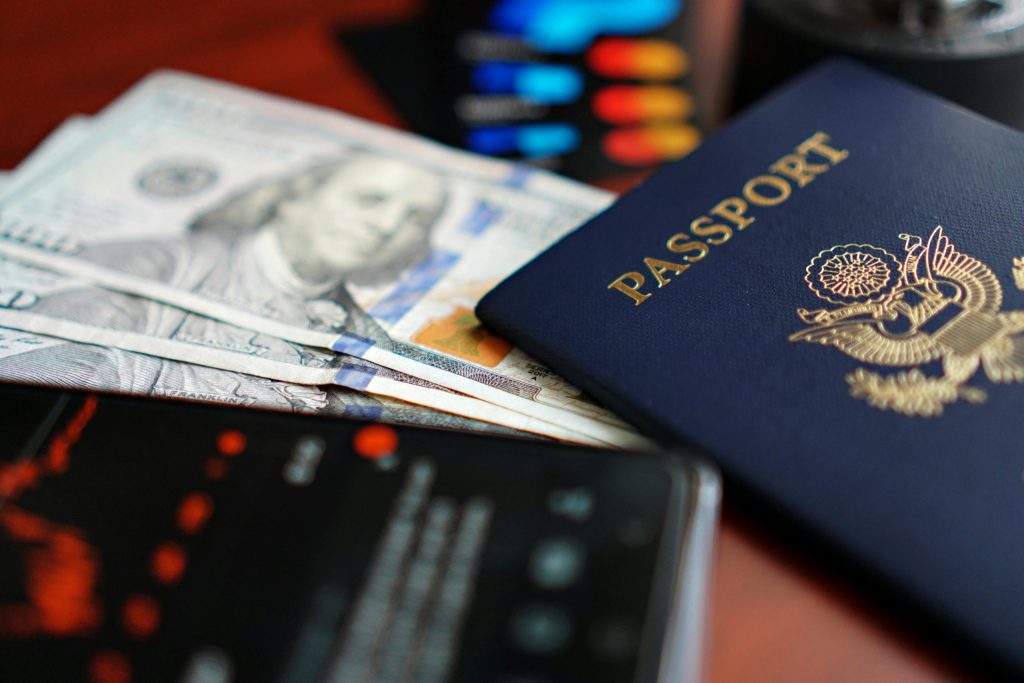
Immigration attorneys and consular affairs experts identify the unprecedented backlog in visa processing as the single most significant physical barrier to inbound tourism. In key source markets like India, Mexico, and Colombia, travelers often face wait times exceeding 400 days just to secure an interview for a tourist visa. Travel consultants note that this logistical blockade effectively disqualifies the United States as a destination for weddings, urgent family reunions, or spontaneous leisure trips, forcing millions of high-spending travelers to choose Europe or Southeast Asia instead.
State Department officials acknowledge the strain, but industry critics argue that the lack of resources allocated to consular processing has created a “shadow ban” on travel from emerging economies. The uncertainty of whether a visa will be approved in time for a planned trip adds a layer of risk that travel agents are increasingly unwilling to manage. Consequently, tour operators in these lucrative markets are steering clients toward countries with electronic visa systems or visa-waiver agreements that guarantee entry without a year-long administrative ordeal.
The “Visa Integrity” Fee Shock
Global mobility specialists and travel policy analysts point to the introduction of the new $250 “visa integrity fee” as a tipping point for budget-conscious international families. When added to existing application costs, a family of four from a non-visa-waiver country now faces over a thousand dollars in non-refundable fees before purchasing a single flight ticket. Economists argue that this upfront financial burden acts as a massive deterrent, particularly when competing destinations like the UK or Canada offer lower entry costs or free visa-on-arrival options.
This fee hike sends a distinct message regarding exclusivity. Travel associations warn that by monetizing the entry process so aggressively, the U.S. is signaling that it only welcomes the ultra-wealthy. This policy disproportionately impacts middle-class travelers from Latin America and Asia, a demographic that historically contributed billions to the U.S. tourism economy but is now being priced out before they even pack a suitcase.
The Super-Strong Dollar

Currency strategists and international economists cite the persistent strength of the U.S. dollar as a major dampener on foreign spending power. For visitors from the Eurozone, the UK, and Japan, the exchange rate effectively imposes a surcharge of 20 to 30 percent on every hotel night, meal, and souvenir compared to pre-pandemic levels. Financial analysts note that travelers are rational economic actors; when their currency buys significantly less in New York or Los Angeles, they pivot to destinations like Turkey, Japan, or Mexico where their money stretches further.
Hospitality revenue managers observe that even when international tourists do arrive, their spending patterns have shifted drastically towards austerity. The “high-yield” traveler is becoming rarer, replaced by budget-conscious visitors who limit dining out and shopping. This reduction in purchasing power makes the U.S. a “once-in-a-lifetime” splurge rather than a repeat destination, severely impacting the long-term sustainability of the tourism sector.
Safety and Gun Violence Anxieties

Risk management consultants and destination marketers report that personal safety concerns have become a top reason for avoiding the United States, particularly among European and Asian travelers. High-profile mass shootings and media coverage of urban crime have created a perception of pervasive danger that outweighs the appeal of American landmarks. Travel agents in markets like Japan and Germany confirm that clients frequently inquire about safety protocols and gun laws, expressing a hesitation that was virtually non-existent two decades ago.
International safety studies indicate that the U.S. is increasingly viewed as an outlier among developed nations regarding public safety. Security experts note that while the statistical probability of being involved in a violent incident remains low for tourists, the fear is potent enough to alter decision-making. For families traveling with children, the perceived risk of gun violence often serves as a decisive veto, leading them to choose destinations perceived as structurally safer, such as Australia or Scandinavia.
Invasive Border Security Protocols
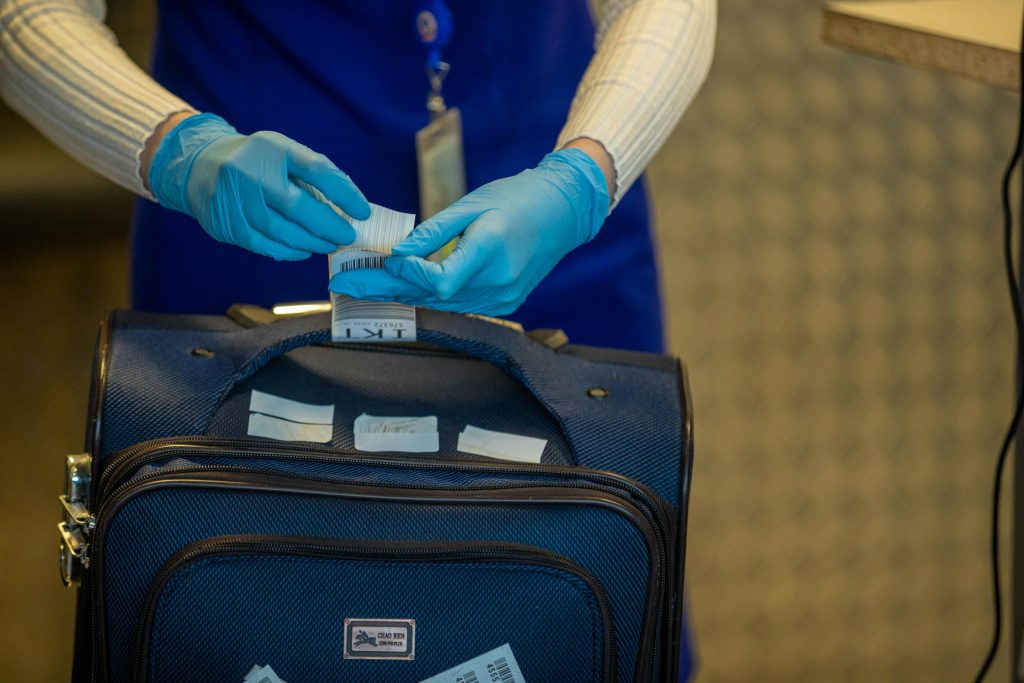
Privacy advocates and business travel managers highlight the chilling effect of increasingly invasive border entry procedures. Reports of digital device searches, demand for social media passwords, and aggressive questioning by Customs and Border Protection officers have circulated widely in international business communities. Legal experts warn that these practices, while intended to bolster security, frame the entry experience as a potential interrogation rather than a welcome.
Corporate travel policies in some sectors now advise employees to travel with “burner” phones or clean laptops when entering the U.S. to protect proprietary data. This friction discourages casual business travelers and conference organizers from selecting American cities for international events. The perception that entering the U.S. requires surrendering digital privacy is a significant psychological barrier for modern travelers who view their devices as extensions of themselves.
Geopolitical Friction and Rhetoric
Political scientists and international relations experts observe that the “America First” diplomatic stance has alienated potential visitors from nations targeted by trade tariffs or harsh rhetoric. Tourism is rarely separated from politics; when national leaders engage in diplomatic spats, citizens often vote with their wallets by boycotting the offending nation. Analysts note a measurable decline in leisure travel from countries that have been subject to U.S. sanctions or aggressive trade policies, reflecting a “soft power” failure.
Diplomatic historians emphasize that tourism often serves as a barometer for a nation’s global standing. The decline in arrivals from traditional allies suggests a cooling of cultural affinity. When the U.S. is perceived as isolationist or hostile on the world stage, the desire to experience American culture diminishes, replaced by a preference for nations that project openness and diplomatic cooperation.
The Rise of “Nickel-and-Diming”

Consumer behaviorists and travel bloggers note a growing global resentment toward the “tipping culture” and hidden fees prevalent in the American service industry. International visitors, particularly those from cultures where service charges are included, often feel blindsided by resort fees, service fees, and the expectation of 20 to 25 percent tips. Hospitality experts explain that this “sticker shock” creates a feeling of being exploited, turning what appeared to be a competitively priced vacation into a financial burden.
This opaque pricing structure contrasts sharply with the all-inclusive transparency found in competing markets like the Caribbean or Southern Europe. Travel forums are filled with warnings about the “real” cost of an American holiday, advising potential visitors to budget an extra 30 percent for hidden costs. This reputation for “nickel-and-diming” erodes trust and discourages repeat visitation, as travelers prefer destinations where the price displayed is the price paid.
Strict Customs for Goods and Food

Logistics experts and agricultural inspectors note that the U.S. maintains some of the strictest and most confusing customs regulations for entering travelers. Tales of tourists facing hefty fines for accidentally declaring an apple or a ham sandwich have gone viral in international media, painting the entry process as punitive and unforgiving. Legal advisors highlight that the immediate revocation of Global Entry or visa status for minor customs infractions creates a high-stakes environment that stresses travelers.
While necessary for biosecurity, the aggressive enforcement and lack of leniency for honest mistakes create a hostile first impression. Travel consultants suggest that this rigidity contrasts with the more educational approach taken by other nations. For a tourist, the prospect of being treated like a smuggler for carrying a snack creates an anxiety that lingers over the entire trip planning process.
Competition from “Easier” Neighbors

Tourism economists highlight that Canada and Mexico have aggressively capitalized on the friction associated with U.S. travel. By streamlining visa processes, offering electronic travel authorizations, and maintaining favorable exchange rates, these neighbors have positioned themselves as accessible alternatives to the North American experience. Market analysts observe that international tour operators are increasingly packaging “North American” tours that bypass the U.S. entirely, focusing instead on the Canadian Rockies or Mexican cultural sites.
Destination marketing experts note that these countries offer similar landscapes and experiences—from cosmopolitan cities to wild frontiers—without the geopolitical baggage or entry hassles of the United States. As the barrier to entry for the U.S. rises, the “substitution effect” becomes more pronounced. Travelers seeking a Western hemisphere adventure are finding that Canada and Mexico offer a higher “return on investment” regarding ease of access and warmth of welcome.