What It Actually Means When a Traveler Never Posts Anything on Social Media During a Trip
A blank Instagram story or silent TikTok feed during a vacation can look unusual in a culture built around sharing. But travel researchers, digital privacy experts, and psychologists say the simplest explanation is often the right one: many people are choosing not to post while they are away.
That shift matters because social media has long shaped how trips are planned, tracked, and judged. For a growing number of travelers, though, the decision to stay offline is less about hiding something and more about safety, stress, cost, and the desire to actually enjoy the trip.
Going quiet is increasingly a deliberate travel choice
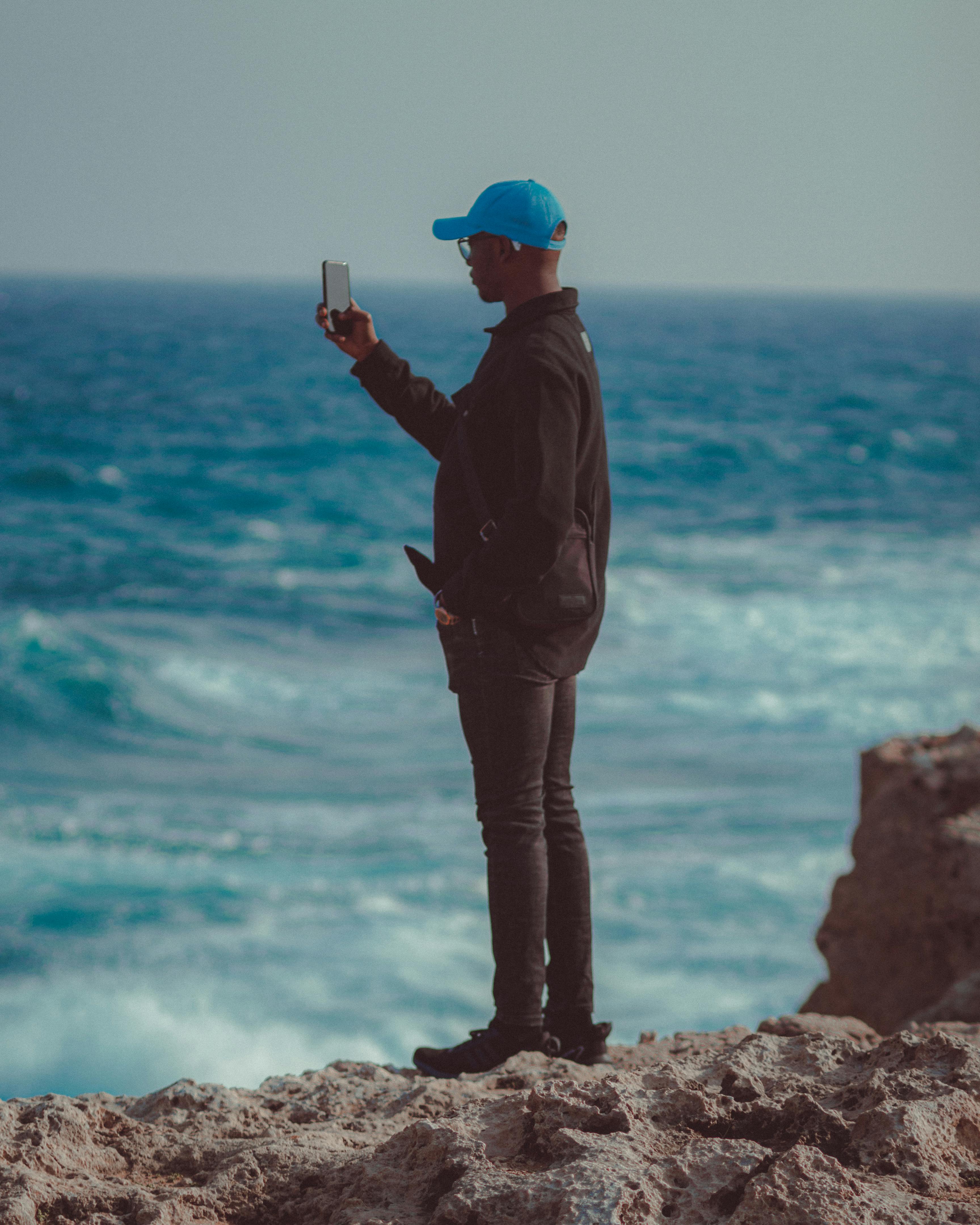
For years, real-time vacation posting was treated almost like part of the trip itself. Photos of airport gates, hotel pools, and beach sunsets became standard online behavior, especially as Instagram, Snapchat, and later TikTok turned travel into a form of public diary. That expectation has started to loosen.
Industry surveys in recent years have shown a split in traveler habits. Many Americans still use social platforms for inspiration and trip planning, but far fewer say they want to share every step while they are still traveling. Advisors and tourism analysts say travelers are now more likely to post after they get home, when they have time to sort photos and think less about keeping up with an audience.
That change lines up with broader digital behavior. People are more aware of burnout from always being available and always producing content. A traveler who never posts may simply be taking a break from that cycle.
Travel advisor groups have also reported more clients asking for “off-grid” features, from remote cabins to wellness resorts with limited phone use. In that context, silence on social media is not unusual. It can be a sign that a traveler planned the trip to avoid the pressure to document it in real time.
Privacy and home security are a bigger concern than many people realize

One of the clearest reasons travelers avoid posting during a trip is security. Law enforcement agencies and safety experts have warned for years that announcing travel in real time can signal that a home is empty. While most vacation photos do not lead to crime, the risk is easy for travelers to understand.
Privacy professionals say location-rich posts can reveal more than people intend. A geotagged photo may identify a hotel, resort, neighborhood, or daily routine. Combined with public profiles, that information can be useful to scammers, stalkers, or thieves. Families traveling with children are often especially cautious about sharing live locations.
There is also a financial privacy angle. Luxury hotels, first-class cabin shots, and high-end dining posts can reveal spending patterns that some people would rather keep private. In a period when identity theft and online fraud remain widespread concerns in the US, many travelers see less sharing as the safer default.
Insurance and cybersecurity experts often recommend delaying posts until after returning home. That advice has become more common as people become aware that even casual updates can create a digital trail. So if someone goes silent during a trip, the explanation may be basic risk management, not mystery.
Cost, connectivity, and travel logistics still shape what gets posted
Not every quiet traveler is making a philosophical statement about social media. Sometimes they just do not have good service. Despite better global coverage, mobile dead zones remain common on cruises, in national parks, on long train routes, in mountain towns, and on international itineraries where data plans are expensive or unreliable.
International travel adds another layer. US travelers who do not buy an international plan or local SIM often limit phone use to hotel Wi-Fi. That can mean checking maps, messages, and airline alerts first, while social posting drops to the bottom of the list. On a busy trip, it may never happen at all.
There is also the issue of time and effort. Posting well usually takes more work than people admit. Photos need editing, captions take thought, and videos require trimming, sound, and formatting for different apps. A traveler moving between flights, museums, meals, and family plans may decide it is simply not worth the hassle.
Group travel can make posting even less likely. Parents managing children, friends coordinating schedules, or older travelers focused on comfort and timing often treat phones as tools rather than entertainment. In those cases, silence on social media can reflect a packed itinerary and ordinary travel fatigue more than any deeper message.
Many travelers say they enjoy trips more when they are not performing them

Mental health specialists who study online behavior say real-time posting can subtly shift attention away from the trip itself. Instead of noticing a place, people may start thinking about how it will look on a feed. That does not affect every traveler the same way, but experts say the pressure to capture and share can reduce the feeling of being present.
Some travelers now use the phrase “private memory over public content” to describe their approach. They still take photos, but they save them for personal albums, text threads, or later sharing. The goal is not to reject technology entirely. It is to avoid turning every moment into a piece of content.
That approach has grown alongside wellness travel and digital detox trends. Resorts, retreat operators, and even some tour planners market slower, less connected experiences. Their message is simple: a trip can be more restorative when it is not also a live broadcast.
For couples, families, and solo travelers alike, not posting can also reduce social comparison. There is no need to measure a trip against someone else’s highlight reel, or to worry whether a meal, room, or view looks impressive enough online. In that sense, the silent traveler may just be choosing a calmer vacation.
Silence online rarely tells the whole story
A lack of travel posts can still mean many different things. Some people are naturally private. Some are too busy. Some want to protect their homes. Others just prefer to share with a few close friends once the trip is over. None of those reasons is unusual in 2026, and none automatically suggests trouble.
Experts caution against reading too much into any single person’s social habits. A traveler may be texting family regularly, using private messaging apps, or saving updates for a group chat instead of posting publicly. What appears to be silence on a public platform may not be silence at all.
There is also a generational shift in how people define sharing. Younger users increasingly split their lives across private accounts, close-friends lists, disappearing messages, and invite-only groups. Older travelers may post less because they never built the habit in the first place. Public posting is only one small part of modern communication.
What it actually means when a traveler never posts anything on social media during a trip is usually much less dramatic than people assume. More often than not, it means they are traveling on their own terms, protecting their privacy, or simply paying attention to where they are instead of to who is watching.