Why are Boomers buying bigger houses instead of downsizing
The US housing market has been shaped in recent years by low inventory, high mortgage rates, and older owners staying put longer. Within that shift, baby boomers have stood out because many are purchasing larger homes instead of downsizing, according to recent housing market reports. That trend matters nationally because boomers now account for a major share of homebuyers and sellers.
Boomers are taking a bigger share of home purchases

Baby boomers made up 42% of all homebuyers, according to the National Association of Realtors’ 2025 Home Buyers and Sellers Generational Trends report. That made boomers the largest generational buying group in the country, ahead of millennials, and it showed how much influence older buyers now have in the market. The report also found that younger boomers and older boomers often bought homes for reasons tied to lifestyle and family, not just retirement.
Many of those purchases were not smaller homes. The National Association of Realtors said multigenerational buying has remained a factor, with some older buyers choosing homes that can fit adult children, grandchildren, or aging relatives. In practice, that means extra bedrooms, larger lots, and more flexible layouts are often winning out over the traditional idea of moving into a smaller place.
The impact is showing up in local markets across the US
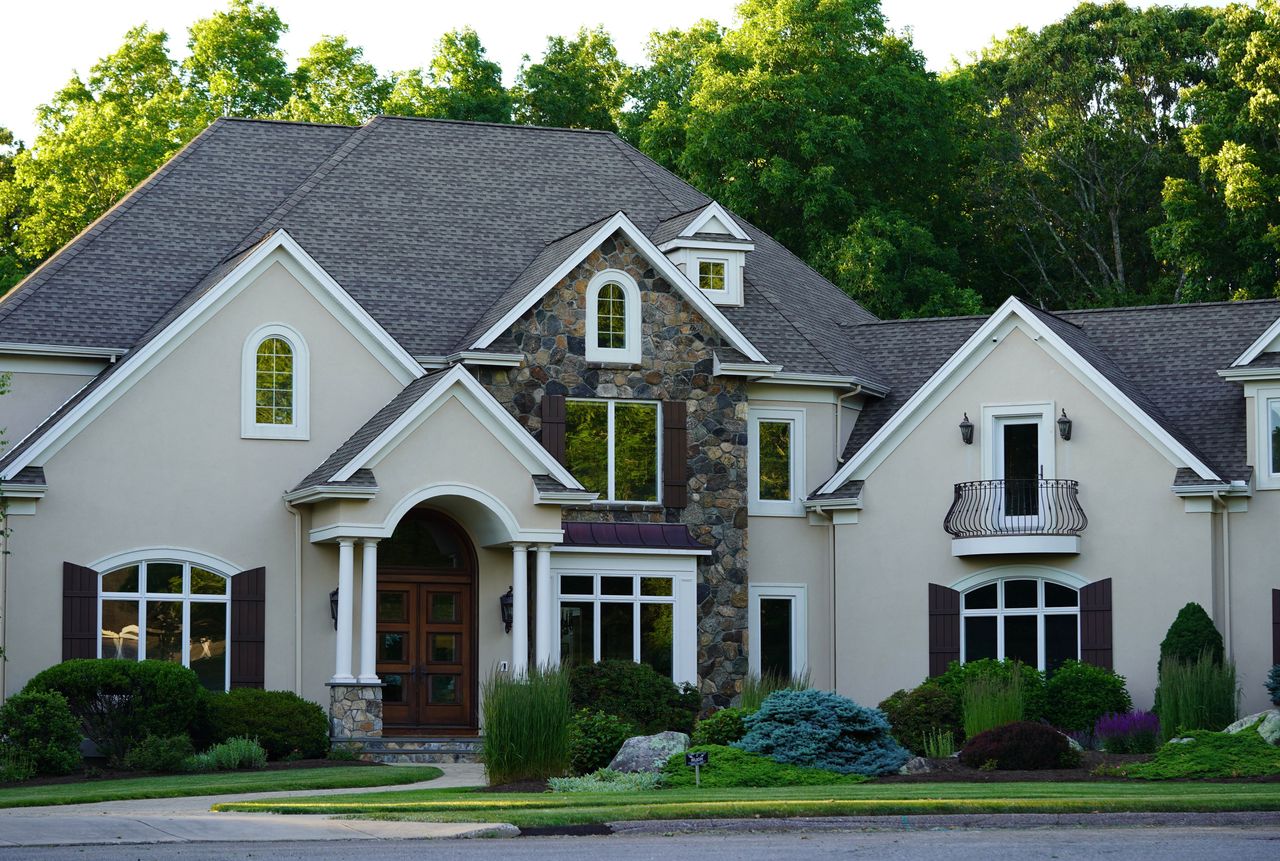
The trend is being felt in suburban and Sun Belt markets where larger homes are more available. Redfin and the National Association of Home Builders have both reported continued interest in homes with more interior space, especially in markets where owners can use built-up equity from a previous home sale. In many metro areas, that gives boomers an advantage over first-time buyers who are more dependent on financing.
What is confirmed is that older homeowners often have more cash to work with. The National Association of Realtors reported that repeat buyers typically used proceeds from a prior sale, and older buyers were more likely than younger households to make bigger down payments or all-cash purchases. What is not fully known is exactly how many boomers upsized in each state, because public reports do not always break the data down to that level.
High equity, family needs, and limited options are driving the shift

Housing economists have tied the trend to three main factors: accumulated housing wealth, family-driven moves, and a thin supply of smaller homes. Freddie Mac and housing industry groups have said older owners benefited from years of home price growth, which left many with substantial equity by the time they decided to move. That equity can make a larger replacement home more realistic even in a high-rate environment.
At the same time, the inventory of smaller homes has remained tight. The National Association of Home Builders has reported that construction of entry-level and smaller homes has lagged demand in many markets, while larger suburban homes are often easier to find. For buyers and residents, that means the old downsizing pattern is less reliable than it once was, and for now, boomers remain a powerful force shaping what kinds of homes are selling.