Why Cheap Spa Getaways Can’t Replace Real Adventures for Women
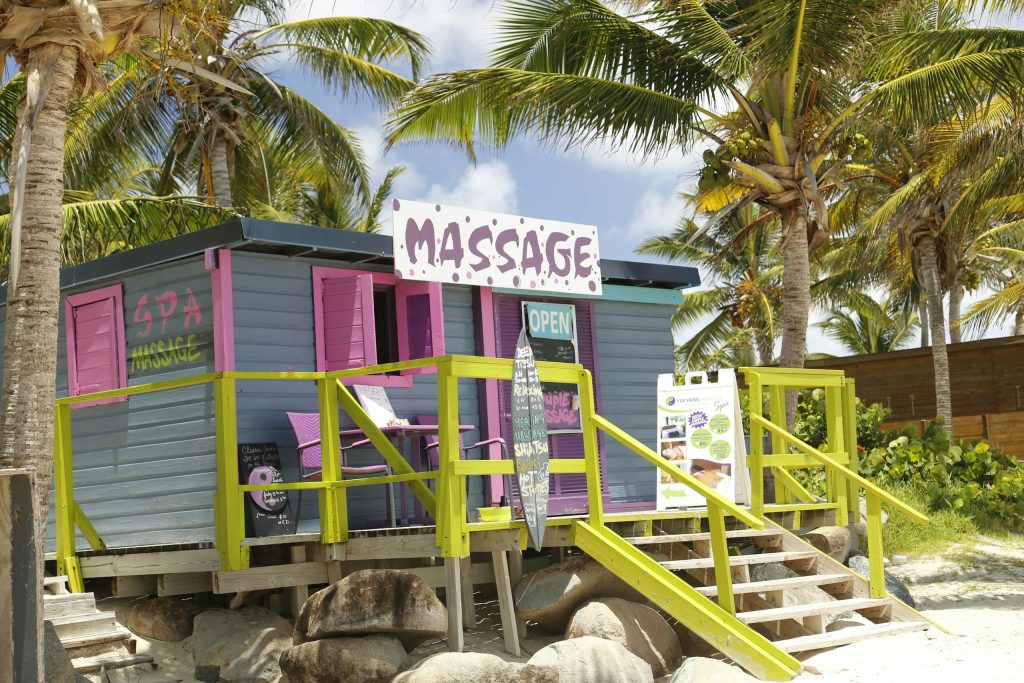
My approach to self-care used to follow a predictable, commodified script. I would scour deal sites for a discounted spa weekend, checking into a mid-range resort with the expectation that a Swedish massage and a cucumber water dispenser would cure my burnout. I treated relaxation as something I could buy in a transaction. But looking at 2026, that passive model of recovery has lost its efficacy. The rising cost of “wellness” services, coupled with a deeper need for resilience in an unpredictable world, has shifted the focus from pampering to empowering. The superficial calm of the treatment room is being replaced by the gritty, endorphin-fueled satisfaction of real adventure.
This shift is driven by a recognition that true stress relief comes from engagement, not avoidance. Psychological researchers and adventure travel experts note that women are increasingly seeking “Type 2 Fun,” experiences that are challenging in the moment but rewarding in hindsight, over the fleeting pleasure of a spa day. The old default of the budget-friendly wellness retreat is facing competition from expeditions that build capability and community. I realized that I didn’t need to be soothed; I needed to be reminded of what I was capable of handling.
Building Cognitive Resilience

The “soft” vacation offers a temporary escape, but adventure travel builds the neural pathways required to handle stress long-term. Neuroscientists and behavioral psychologists explain that navigating a new environment or mastering a physical challenge triggers neuroplasticity in a way that passive relaxation cannot. Overcoming the fear of a rappel or navigating a foreign transit system provides a “mastery experience” that translates into greater confidence back in the office.
Mental health professionals note that the drivers are self-efficacy and anxiety management. Unlike the spa, which masks stress, adventure forces the brain to process and overcome it. This creates a lasting buffer against burnout, whereas the effects of a massage typically fade within 48 hours.
The experience is defined by problem-solving, adrenaline spikes, and the quiet satisfaction of survival.
The tradeoff is the lack of immediate comfort. Building resilience is inherently uncomfortable, requiring travelers to endure physical exertion, weather, or fear. It is a vacation that demands energy rather than conserving it, which can be daunting for those who are already physically exhausted.
Authentic Cultural Immersion
Resort tourism frequently sequesters visitors in a “goldfish bowl” of luxury, separated from the local reality. Human geographers and sustainable tourism advocates argue that adventure travel forces interaction with the host culture on a human level. Trekking from village to village or using local transport removes the barrier of the concierge, allowing for unscripted, genuine exchanges.
Cultural heritage experts emphasize that the drivers are empathy and global perspective. The “old default” of the all-inclusive resort often reduces local culture to a buffet theme night. Real adventure requires navigating local norms, eating local food, and engaging with residents as peers rather than service staff.
The journey is defined by homestays, language barriers, and the chaotic rhythm of daily life.
A tradeoff is the unpredictability of logistics and hygiene standards. Stepping outside the tourist bubble means encountering plumbing, food safety, and transportation reliability that may not meet Western standards. It requires a tolerance for discomfort and a flexible stomach.
Skill Acquisition

The experience economy is shifting from passive consumption to active learning. Educational psychologists and travel trend analysts report that women are prioritizing trips where they return with a new capability, whether it is rock climbing, language proficiency, or wilderness first aid. This focus on “upskilling” transforms the vacation into an investment in the self rather than a sunk cost.
Economic researchers note that the value proposition of a skill-based trip lasts a lifetime. While a facial is a consumable service with no residual value, learning to scuba dive opens up a lifetime of future travel possibilities. The adventure becomes a gateway to a broader identity.
The environment offers hands-on instruction, repetitive practice, and the vulnerability of being a beginner.
The tradeoff is the frustration of the learning curve. Spending a week failing to stand up on a surfboard or struggling with a new language can be ego-bruising. It requires a mindset shift from “being served” to “working for it,” which not every traveler wants during their time off.
Physical Empowerment
The modern wellness industry often focuses on shrinking or “fixing” the female body, whereas adventure travel celebrates what the body can do. Sports psychologists and feminist scholars note that using the body as a tool to climb a mountain or carry a pack shifts the internal narrative from aesthetics to functionality. This physical empowerment acts as a powerful antidote to societal beauty standards.
Health researchers report that the drivers are functional fitness and body neutrality. Hiking a difficult trail proves that legs are for transportation, not just for looking good in a skirt. This shift in perspective provides a mental health boost that is far more profound than a slimming wrap.
The activity is characterized by sweat, dirt, and the absence of mirrors.
The tradeoff is physical soreness and the risk of injury. Adventure travel carries inherent physical risks, from twisted ankles to altitude sickness. It requires a baseline level of fitness and preparation that a sedentary beach vacation does not.
Deep Social Bonding
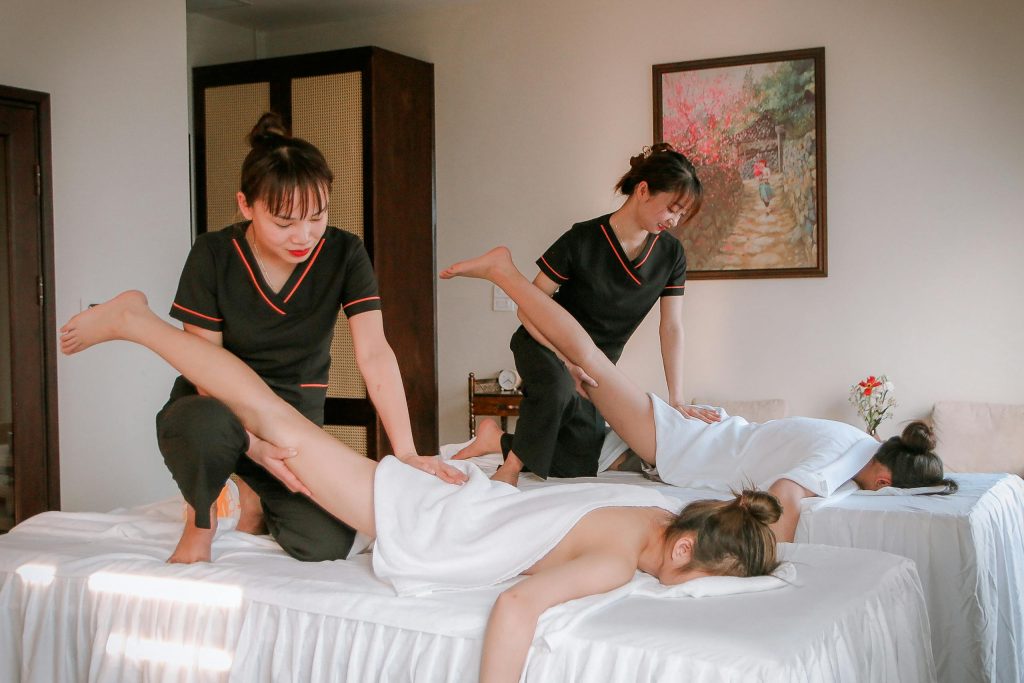
Standard resort vacations often isolate travelers in private rooms or silence-enforced lounges, limiting the potential for connection. Anthropologists and group dynamic researchers highlight that shared adversity, such as hiking a difficult trail or paddling through rapids, creates “swift trust” and deep emotional bonds between women. These interactions are fundamental to combating the loneliness epidemic, offering a level of community that a polite exchange with a receptionist cannot replicate.
Sociologists note that the drivers are collective effervescence and support networks. The “old default” of the solo spa trip often reinforces isolation, while an adventure group necessitates teamwork. The friendships formed on a mountain are often more durable than those formed over cocktails by a pool.
The setting is characterized by shared meals, campfire conversations, and a lack of performative social media posturing.
A tradeoff is the loss of privacy. Adventure travel often involves shared tents, bunkhouses, or close quarters in transport. Women used to the sanctuary of a private hotel room must adjust to the constant presence of others and the loss of personal space.