Why River Rafting Feels Riskier Now With Travel Stress on the Rise
My approach to adventure travel used to be driven by a desire to escape the predictable. I would trade the crowded, overpriced beach resort, with its fight for lounge chairs and inflated buffet prices, for the raw unpredictability of a river canyon. I assumed that the wilder the water, the further I would be from the stress of modern logistics. But looking at the landscape for 2026, that assumption no longer holds water. The combination of erratic climate patterns, skyrocketing evacuation insurance costs, and intensified permit scarcity has transformed the river trip from a simple escape into a complex risk management equation.
This shift is driven by a new reality where nature is becoming less predictable just as travel infrastructure becomes more fragile. Adventure tourism experts and climate researchers note that river corridors are the front lines of environmental change, experiencing flash floods, extreme heat domes, and drought-driven low flows that alter the safety profile of a trip overnight. The old default of the safe, standardized vacation is looking increasingly appealing as the logistical and physical risks of the river multiply. I realized that chasing the rapids now requires a level of preparation and financial buffer that the casual rafter never had to consider.
Colorado River, USA
The Grand Canyon remains the pinnacle of river expeditions, but it has become a case study in the intersection of climate risk and bureaucratic scarcity. Park rangers and hydrologists report that the ongoing megadrought in the American West has fundamentally altered the flow rates of the river, exposing new rock hazards and changing the character of famous rapids. Unlike the controlled environment of a theme park ride, the river’s behavior is increasingly dictated by reservoir management and climate stress.
Risk analysts emphasize that the extreme heat often experienced in the canyon, now regularly exceeding 110 degrees, adds a layer of physiological danger that did not exist a decade ago. Securing a permit has also become a statistical anomaly, with weighted lotteries making access difficult and driving travelers toward expensive commercial outfitters. The cost of entry has risen alongside the temperature, forcing a calculation between the dream of the canyon and the reality of the environment.
This corridor is defined by its massive geological layers, red wall limestone, and the roar of Crystal Rapid.
The tradeoff involves the waitlist fatigue and the potential for health emergencies. Wilderness medicine providers note that heat exhaustion and dehydration are becoming leading causes of evacuation, which can cost tens of thousands of dollars if not properly insured. The isolation that defines the canyon also means that help is never immediate.
Futaleufú River, Chile
The Futaleufú is legendary for its turquoise water and alpine scenery, but access is becoming a logistical hurdle. Transport economists and regional planners note that reaching this remote sector of Patagonia requires a complex chain of flights, ferries, and drives that are susceptible to disruption. As global air travel becomes more expensive and less reliable, the cost of getting there has begun to rival the cost of the trip itself.
Hydropower politics continue to cast a shadow over the river’s future. Environmental activists explain that while major dam projects have been paused, the threat of infrastructure development remains, potentially altering the flow and character of the valley. This uncertainty creates a “last chance” narrative that drives up demand and pricing.
This valley is known for its granite peaks, glacial runoff, and a distinct Patagonian ranch culture.
The tradeoff is the sheer distance from advanced medical care. Trauma surgeons point out that a serious injury on the river requires a multi-stage evacuation to Puerto Montt or Santiago. The weather is also notoriously volatile, with cold rainstorms capable of turning a summer trip into a hypothermia risk.
Sun Kosi River, Nepal
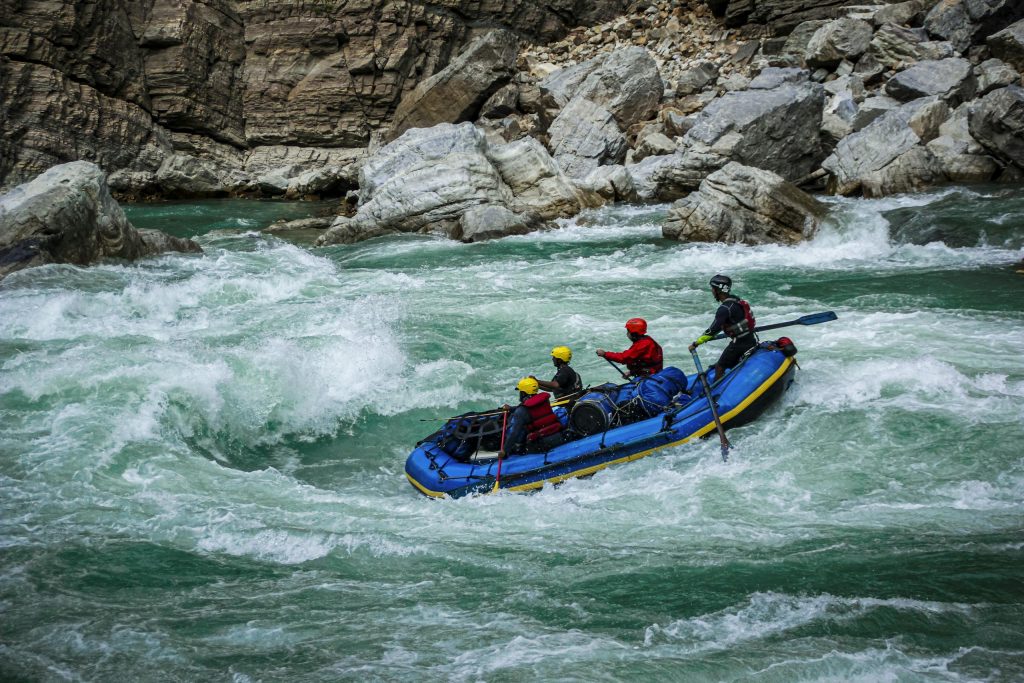
The “River of Gold” offers a classic multi-day expedition, but it is increasingly impacted by the intensity of the Himalayan monsoon. Meteorologists and river guides report that rainfall patterns have become more erratic, leading to sudden, massive spikes in water volume that can make sections of the river unrunnable. This climate volatility adds a layer of stress regarding cancellations that rarely affects a standard hotel stay.
Infrastructure analysts warn that the road networks accessing the put-in and take-out points are frequently damaged by landslides. The journey to the river is often as dangerous as the rafting itself, with travel times doubling due to road failures. This unpredictability forces travelers to build significant buffer days into their schedules.
The journey offers white sandy beaches, jungle hillsides, and remote village interactions.
A significant tradeoff is the hygiene and water quality risk. Public health experts note that as upstream populations grow, water contamination becomes a concern. Travelers must be vigilant about water purification and food safety to avoid illness that could ruin the expedition.
Middle Fork of the Salmon River, USA
The Middle Fork is the premier alpine river trip in North America, but it is increasingly defined by fire season. Forest service officials and climate researchers confirm that the window of smoke-free rafting is narrowing, with August and September frequently impacted by regional wildfires. The risk of a trip being cancelled last-minute due to forest closures or unbreathable air quality has become a standard consideration.
The drivers are climate adaptation and permit exclusivity. The lottery system is notoriously competitive, and the cost of private trips has skyrocketed due to gear and logistical expenses. For many, the stress of securing the permit and monitoring the fire map outweighs the relaxation of the float.
This wilderness is defined by hot springs, cutthroat trout fishing, and towering ponderosa pines.
The tradeoff is the logistical complexity of the fly-in requirement. Late-season trips often require flying small bush planes into Indian Creek due to low water levels at the boundary. This adds a significant cost and a layer of aviation risk that does not exist in a car-accessible vacation.
Pacuare River, Costa Rica
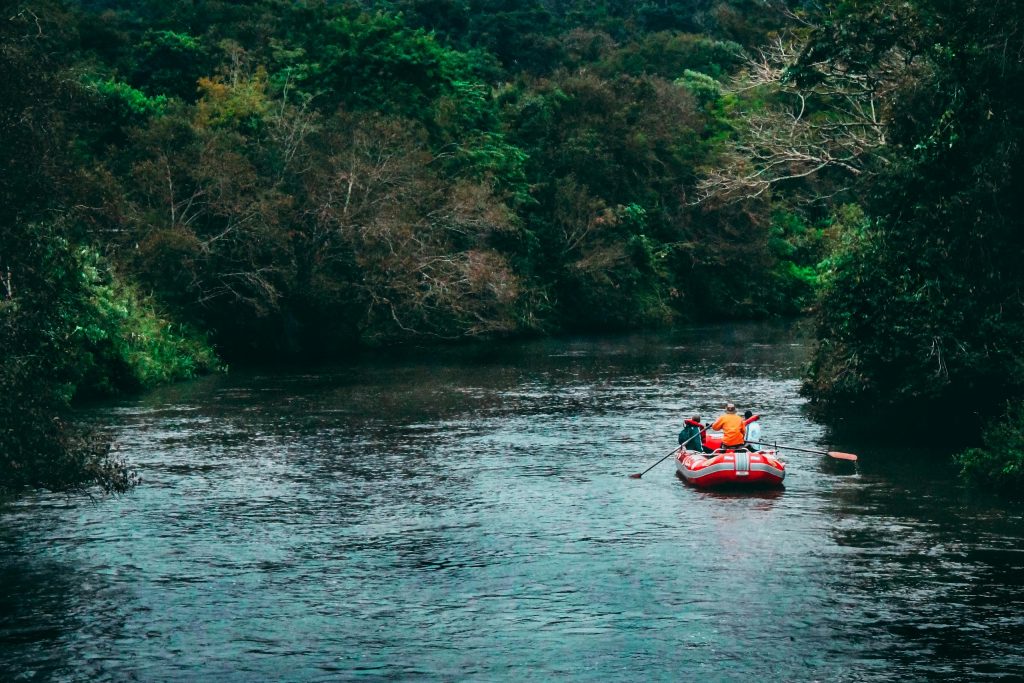
The Pacuare offers a tropical immersion that feels worlds away from the curated resort, but flash flood risks are rising. Hydrologists and local guides emphasize that the rainforest catchment is reacting faster to intense rainfall events, causing water levels to rise vertically in the narrow canyons. This dynamic nature requires a higher level of physical fitness and swim capability than the lazy river experience.
Eco-tourism researchers note that the cost of operating in this protected corridor has increased as environmental regulations tighten. Lodges along the river are sustainable but expensive, pushing the price point of a multi-day trip well above a standard all-inclusive package. The focus here is on low-impact luxury, which comes at a premium.
The canyon is characterized by hanging waterfalls, blue morpho butterflies, and lush primary forest.
A tradeoff is the humidity and insect activity. Tropical disease specialists advise that travelers must be proactive about mosquito protection, as dengue and other vector-borne issues are present. The damp environment can also be tough on gear and electronics, requiring waterproof discipline.