Why Small, Personal Trips Matter More Than Big Bucket Lists

I used to believe the perfect itinerary required tackling major global capitals and checking off the most famous monuments on earth. The traditional default plan typically involved booking flights to overwhelmed Western European megacities or high-demand coastal markets and hoping the extreme costs aligned with a genuinely relaxing experience.
For years, following that well-worn path felt like the only acceptable way to validate a major international getaway. Approaching travel in 2025 and 2026 reveals a completely different reality. Severe crowding, heightened disruption risk, and massive quality-of-life pressures make those standard hubs increasingly exhausting to navigate.
Travelers face unprecedented housing-driven lodging pressure in primary tourist corridors, turning once-charming waterfronts and historic centers into stressful logistical puzzles.
That is the shift. Pushing through gridlocked museum lines and fighting for dining reservations strips the joy away from exploration. Finding genuine connection requires looking beyond the saturated global hubs that dominate social media feeds. That is why the math changes.
The modern approach to exploration prioritizes mental space and authentic local rhythms over adhering to a frantic schedule. People now actively seek quieter and more intimate locations that offer profound cultural depth without the constant friction of mass tourism.
Lucca, Italy
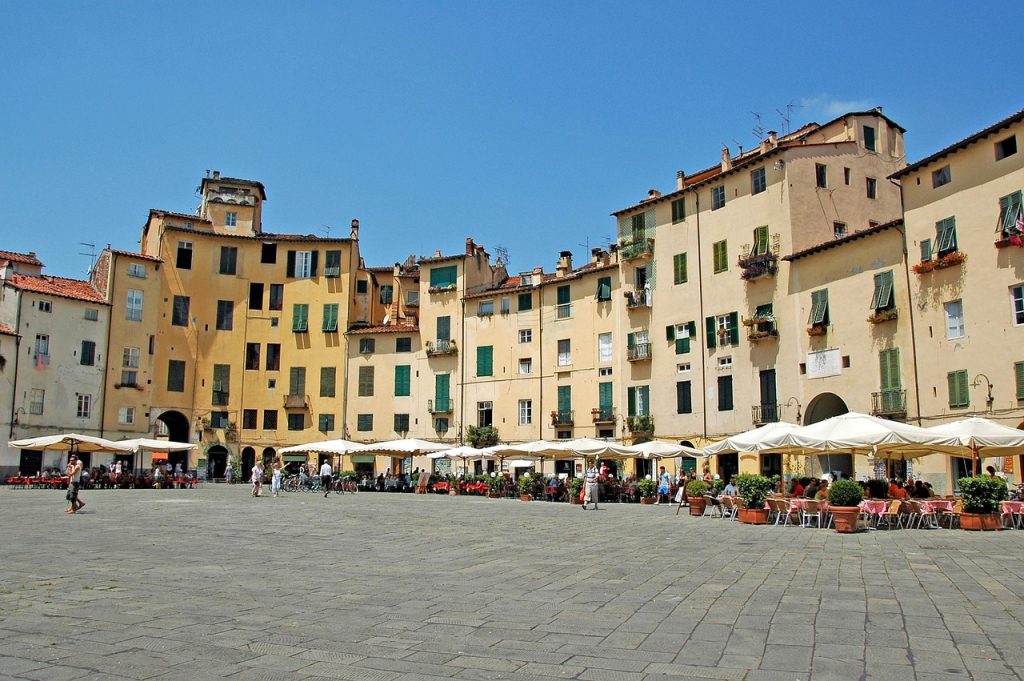
Lucca stands as a serene alternative to the relentless peak season of massive Italian hubs and overflowing Mediterranean capitals. The old default choice of retreating to standard global tourist centers often brings overwhelming crowds and strained local resources.
Choosing a smaller Tuscan enclave introduces a deeply personal rhythm that replaces the frantic pace of the typical major city circuit.
Tourism studies suggest visitors now prioritize quiet heritage immersion over fighting for space at major historic monuments. Economic researchers report that secondary cities offer lower housing-driven lodging pressure and far better long-term budgeting stability.
Travel logistics remain straightforward while allowing visitors to escape the immediate cost pressure of primary tourism corridors. The highly walkable historic center and strong cycling culture create an exceptionally navigable urban core.
Experts flag regional transit connectivity as a potential downside when navigating outside the immediate area. Moving between smaller provincial towns sometimes involves unpredictable schedules, and travelers must account for limited transportation options during late evenings or local holidays.
Kanazawa, Japan
Kanazawa offers profound heritage preservation without the exhaustive friction found in the primary global capitals. For decades, the standard expectation meant navigating overflowing historic districts in the largest metropolises, leading to high burnout and steep expenses.
This regional coastal city provides the cultural weight of a massive center while maintaining a manageable and intimate scale.
According to heritage institutions, secondary cities distribute crowding more effectively while protecting fragile traditions and offering superior museum interpretation. Logistics analysts note that infrastructure reliability remains exceptionally high across the region.
Travelers experience fewer entry friction points and benefit from currency effects that make extended stays reasonable. Traditional craft districts and a refined small-city pace define the local daily rhythm.
Navigating away from primary international hubs requires acknowledging real geographical constraints. That tradeoff matters. Experts warn that language barriers present genuine challenges for those accustomed to ubiquitous multilingual support, and distance from major flight corridors demands extra planning flexibility.
Arequipa, Peru

This southern regional hub emerges as a substantial cultural destination replacing the high-stress ancient citadel routes that typically define Andean tourism. The standard approach of rushing through heavily trafficked mountain passes often leaves travelers exhausted and overcharged.
Moving toward this historic Peruvian enclave allows for an immersive experience backed by strong local traditions and community integration.
Risk analysts warn that major global heritage sites face severe disruption risk and increasingly strict crowd-control policies. Tourism researchers explain that the area provides excellent private health access and highly stable long-term budgeting opportunities.
Favorable currency effects keep daily operations affordable while avoiding massive lodging pressure. Four-season living and dramatic mountain town aesthetics anchor the historic plaza experience.
Adaptation requires careful health system navigation and acclimatization. Climate stress and high-altitude adjustment require serious pacing, and experts consistently flag regional price variation across different neighborhoods as an essential factor for long-term trip planning.
Victoria, British Columbia
Victoria serves as a highly manageable coastal enclave that successfully replaces the overwhelming density of primary Pacific Northwest metropolitan centers. Seeking coastal escapes previously meant committing to massive urban environments where extreme demand heavily impacted the overall experience.
This island destination provides significant cultural amenities without the intense cost pressure of neighboring megacities.
Economic researchers report that avoiding primary coastal capitals drastically reduces exposure to extreme housing-driven lodging pressure. Logistics experts highlight the straightforward border access and strong infrastructure reliability of this regional center.
Visitors secure a high quality of life while bypassing the severe crowding that complicates standard itineraries. Coastal access blends effortlessly with major metro amenities in a highly walkable harbor environment.
Regional logistical complexities demand flexible planning from visitors. That is why the math changes. Experts flag the reliance on island ferry transit as a potential downside, noting that weather disruptions and seasonal schedule shifts require travelers to build extra time into their logistics.