Why Some Cities Are Easier to Live In Than to Visit
Some cities feel flat on a weekend and surprisingly good over a year. They do not always deliver an instant wow moment, but they hold together beautifully in daily life. That difference confuses a lot of people at first.
Visiting rewards what is obvious. Living depends on what keeps working when the mood is off, the weather is bad, and the day is full. A city can fail one test and still pass the other.
Travelers usually judge a place through highlights. Residents judge it through errands, commutes, sleep, and how hard it is to recover after a long day. Those are completely different scorecards.
That is why some places are easier to live in than to visit. Their best qualities are quiet, practical, and easy to miss in forty-eight hours. They reveal themselves slowly.
First Impressions Favor The Wrong Things
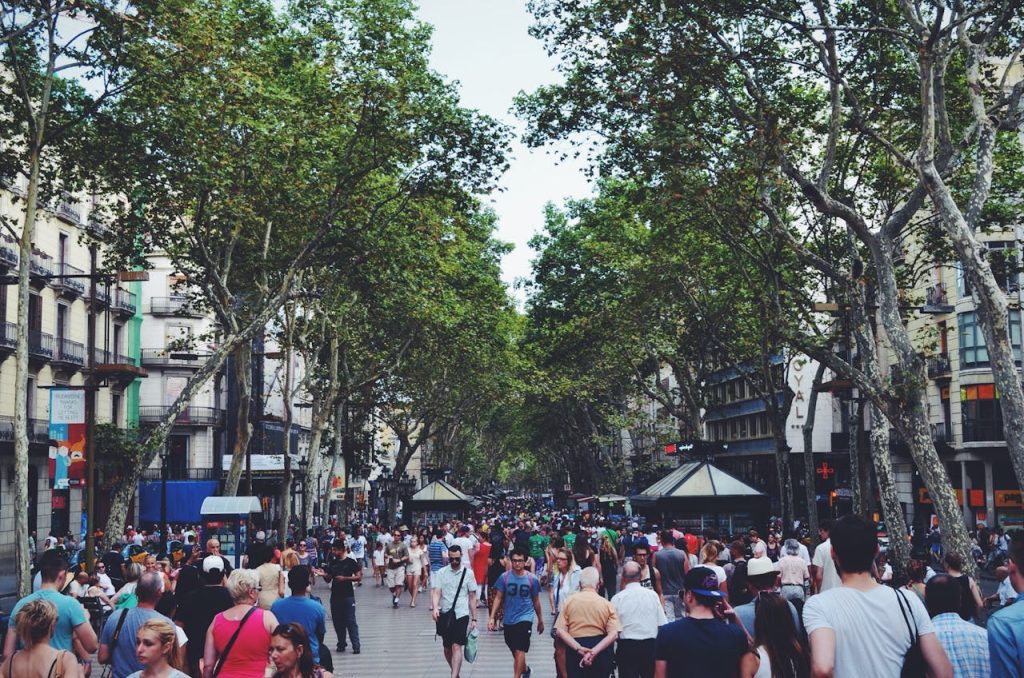
Visitors naturally go where the city is loudest. They head to downtown strips, famous food spots, and packed neighborhoods because that is what short trips are for. It makes sense, but it gives a narrow picture.
The most visited parts of a city are often the most stressful parts to manage daily. They are louder, pricier, and built around movement instead of comfort. A resident rarely lives the city the way a visitor samples it.
A city can look messy on a quick trip and still be excellent to live in. The calm neighborhoods, reliable services, and easier routines are usually outside the postcard frame. Most travelers never stay long enough to see that layer.
First impressions are not useless, but they are incomplete. They catch the city at its brightest or busiest, not at its most functional. Daily life happens in the gaps that tourism skips.
Daily Rhythm Matters More Than Landmarks
Landmarks help a city photograph well, but they do not tell anyone how life feels on a Tuesday. Residents care more about whether the week moves smoothly than whether the skyline looks dramatic.
A beautiful square loses some charm if groceries are far away and buses are unreliable. Daily rhythm always beats visual charm once someone signs a lease.
This is where quieter cities often win. They may not have a famous center, but they make normal life easier.
People can get to work, pick up dinner, and still have energy left at night. That does not sound glamorous, but it changes everything.
Good rhythm also lowers stress in ways people do not notice right away. Fewer delays, shorter lines, and easier routines reduce friction before it builds into fatigue. That is a real quality-of-life advantage.
Residents feel this in small moments all week. They are not constantly recalculating time or bracing for basic tasks. A city that feels manageable day after day starts to feel generous.
Visitors usually chase standout experiences. Residents need repeatable ones. A city that delivers consistency can seem ordinary on a trip and excellent in real life.
That is why some places grow on people instead of dazzling them. The city proves itself through repetition, not spectacle. Over time, that matters more than any landmark.
Transit And Errands Reveal The Real City
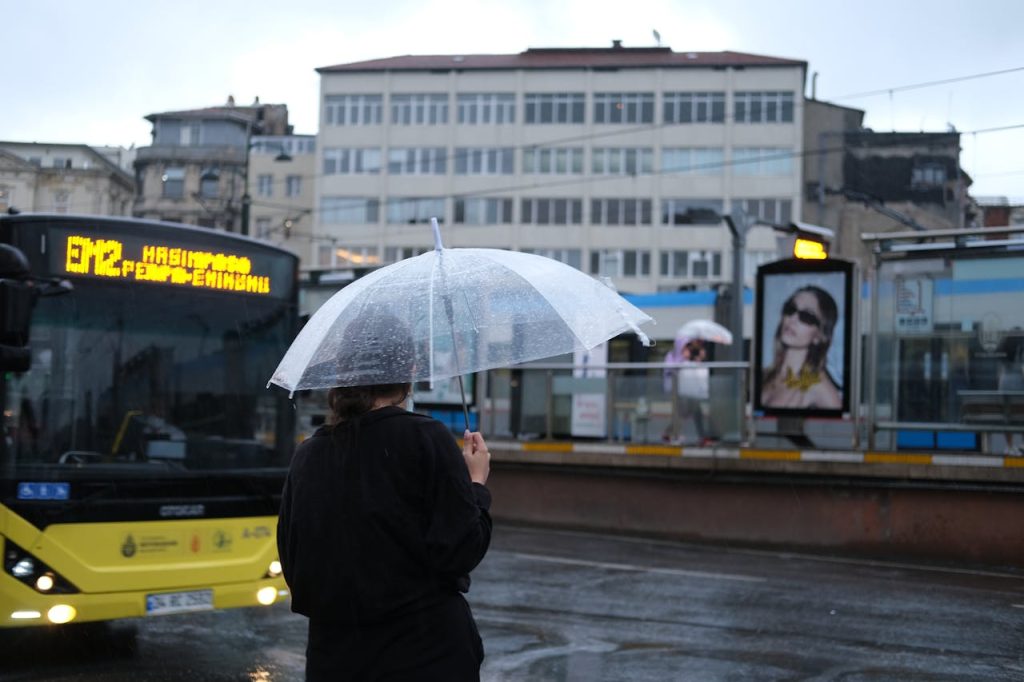
A visitor can get by with a few rides and a lot of walking. A resident sees the system at rush hour, in bad weather, and when time is tight. That is when a city shows its true character.
Transit does not need to be flashy to be useful. It needs to be predictable, safe, and easy to understand when someone is tired. Dependability beats design almost every time.
Errands tell the same story. A city feels much better when groceries, pharmacies, clinics, and parks are close enough to fit into one trip. Convenience in these boring moments creates a calmer life.
This is why locals and travelers often describe the same city differently. One person saw the highlights and another lived the logistics. Both are telling the truth, but they are measuring different things.
Cost Feels Different When It Is Monthly
Travel budgets and living budgets are built on different math. A visitor can spend more for a few days and still call the city affordable. A resident pays the city every month whether the week is good or not.
Short trips hide the real cost map. Hotels cluster in places that are convenient for tourism, not necessarily realistic for daily life.
Rent changes the whole conversation. A city that feels fun for a weekend can feel crushing when housing eats half a paycheck.
Daily transport costs add pressure too. A scenic city is less charming when every routine trip is expensive or slow.
Residents also pay in time, not just money. Long commutes, crowded services, and hard-to-reach neighborhoods create a hidden tax. That cost builds quietly and wears people down.
This is one reason modest cities often feel better to live in. They leave more room in the budget for ordinary comfort, not just survival. Financial breathing room improves everything else.
Visitors rarely feel this because they are buying an experience. Residents are buying a life. The best living cities respect that difference.
A place does not need to be cheap to be livable. It needs to feel worth the cost in everyday terms. That is a much harder standard than a weekend splurge.
Great Residential Neighborhoods Can Look Boring
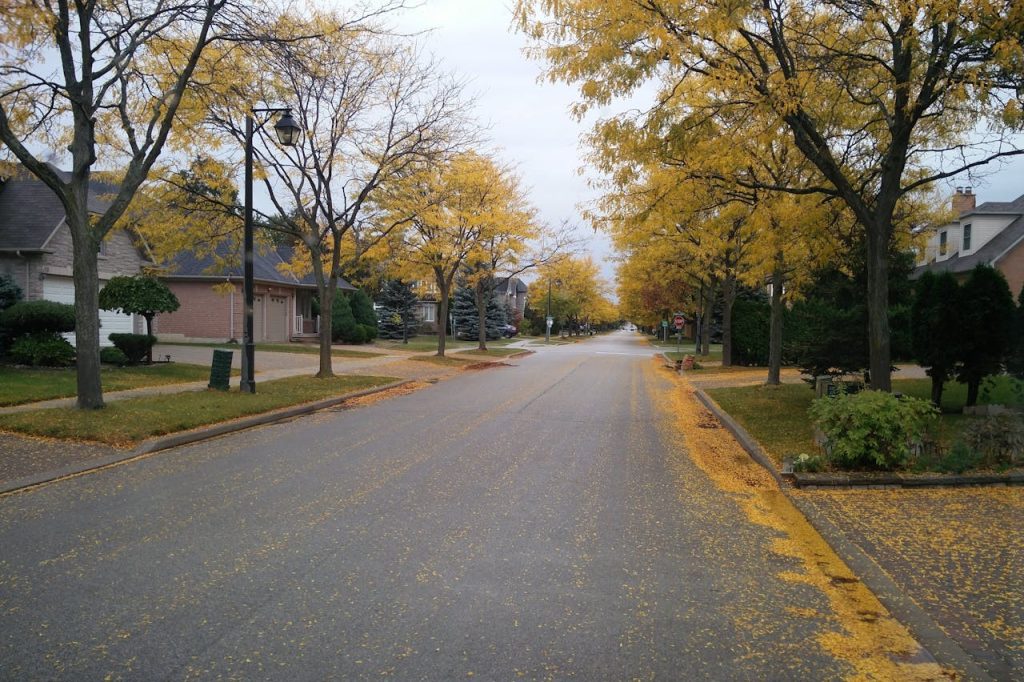
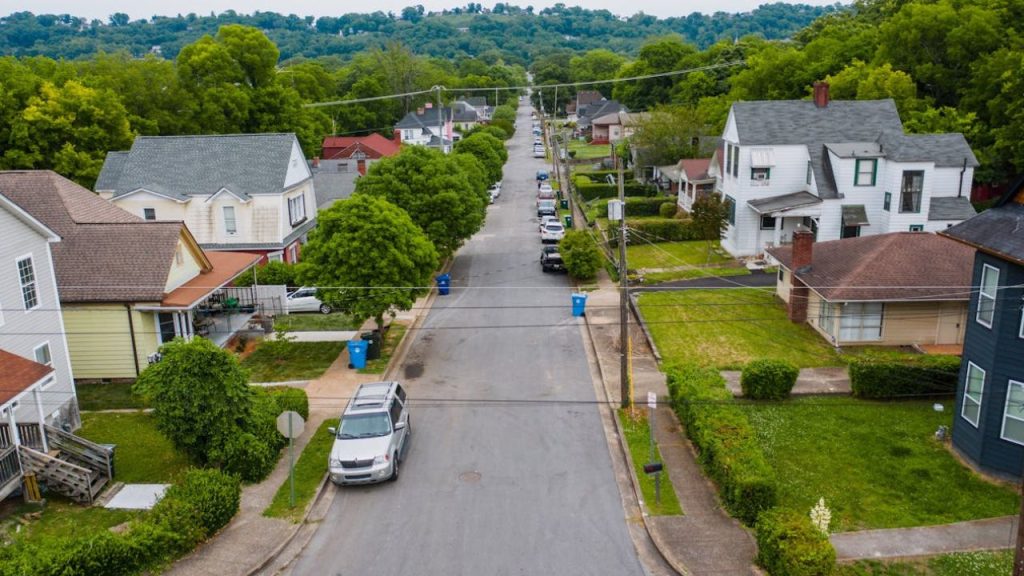
The best neighborhoods for living are often the least exciting to tour. They are not trying to entertain anyone all day. They are built to support routine.
A traveler may walk through and think nothing is happening. A resident sees sidewalks that feel safe, stores that are close, and streets that calm down at night. That is not boring when you live there.
Good residential areas are usually strong in quiet ways. They have schools, clinics, parks, and familiar local businesses that make daily life easier. They also tend to have a pace people can sustain.
A city becomes lovable when someone finds the right local radius. Once a few blocks cover most needs, the whole place feels less demanding. That kind of ease is hard to detect on a short visit.
Social Energy Feels Different Over Time
Some cities are socially intense, and that can be thrilling on a trip. There is always something happening, and the energy makes a short stay feel full.
Living in that same energy can get tiring. Constant crowds and constant plans can make rest feel harder to find.
Cities that are easier to live in usually offer more than one speed. People can go out when they want to and disappear when they need to.
That flexibility matters more than people expect. A city feels better when it does not force one social pace on everyone.
Residents need social life that fits real schedules. Workdays, family needs, and low-energy evenings are part of the picture. A city that supports all of that feels more humane.
Visitors mostly experience the city at peak hours. They get the fun version with none of the recovery time. Locals live both sides of the experience.
A place can be amazing for a weekend because it is intense. It can be harder to live in for the same reason. High energy is exciting, but it is not always sustainable.
The best living cities give people choices. They can chase noise or choose quiet without leaving town. That balance is a hidden strength.
Weather And Seasonal Stress Change Everything

Visitors often meet a city in its best season. They get clear skies, lively streets, and the version locals use in postcards. That creates a flattering first impression.
Residents live the full cycle. They know what the city feels like in storms, heat waves, dark winters, and long wet weeks. Seasonal stress changes how livable a place feels.
A city that functions well in rough weather earns trust fast. Good drainage, reliable transit, and walkable streets matter much more than pretty views on a sunny day. Infrastructure is part of comfort.
This is another reason some cities seem plain at first. Their strength shows up under pressure, not in perfect conditions. That makes them better homes than weekend escapes.
Small Systems Decide The Long-Term Experience
Visitors can ignore weak systems because they are temporary. Residents cannot ignore them for long.
Things like trash pickup, clinic access, and city services shape daily mood. They are not exciting, but they are constant.
When these systems work, people feel less drained by normal life. They spend less time fixing problems and more time living.
That steadiness rarely appears in travel guides. It is a lived advantage, not a tourist attraction.
The easiest cities to live in usually feel competent in ordinary ways. Forms get processed, buses mostly arrive, and neighborhoods are maintained. People may not praise this every day, but they rely on it.
This competence creates trust over time. Residents stop bracing for every small task to become a hassle. That mental ease is a huge part of livability.
Visitors often miss this layer completely. They leave with photos and food memories, while locals stay for reliability. Both experiences are real, but only one tests the systems.
That is why some cities seem better to live in than to visit. They are built for life more than performance. And for residents, that is exactly the point.