Why Some Popular U.S. Getaways No Longer Feel Worth the Hype
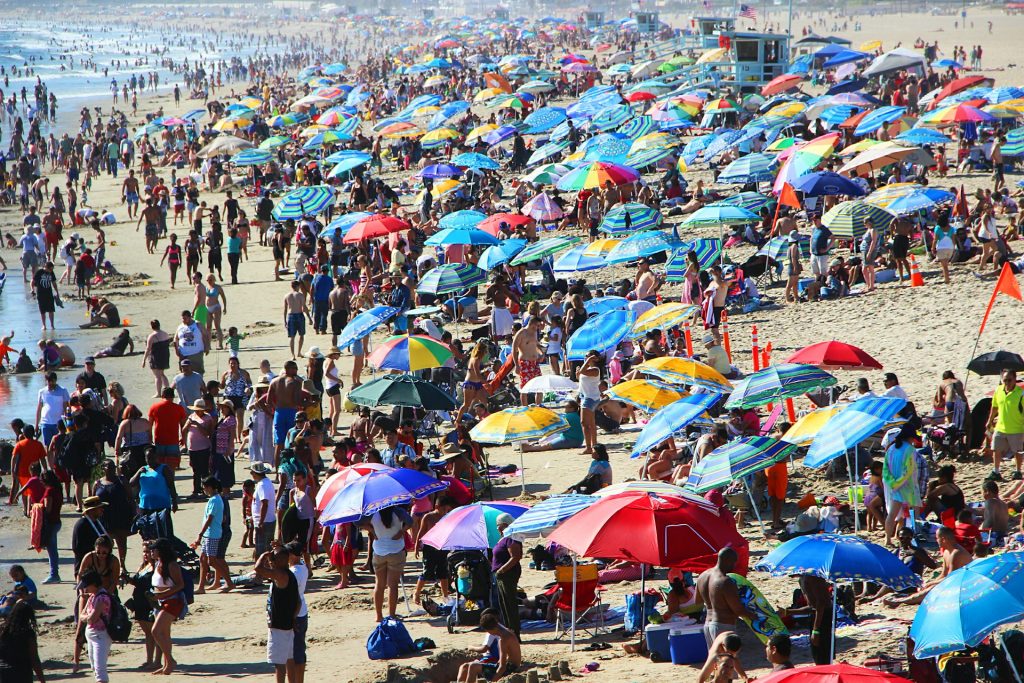
Some famous American getaways still look perfect in photos, but the real experience often feels much harder than people expect. The scenery may be beautiful, yet the trip around it can feel crowded, expensive, and tightly controlled.
That disconnect is where the frustration starts. People arrive expecting ease and charm, then spend half the day dealing with lines, parking, and backup plans.
Most travelers are not being dramatic when they say a place feels different now. Many destinations changed quickly, but the hype around them still sounds like it is ten years old.
This does not mean iconic places lost all their appeal. It means the best version of the trip now takes more strategy, better timing, and a little less faith in glossy travel content.
Crowds Change The Whole Feeling
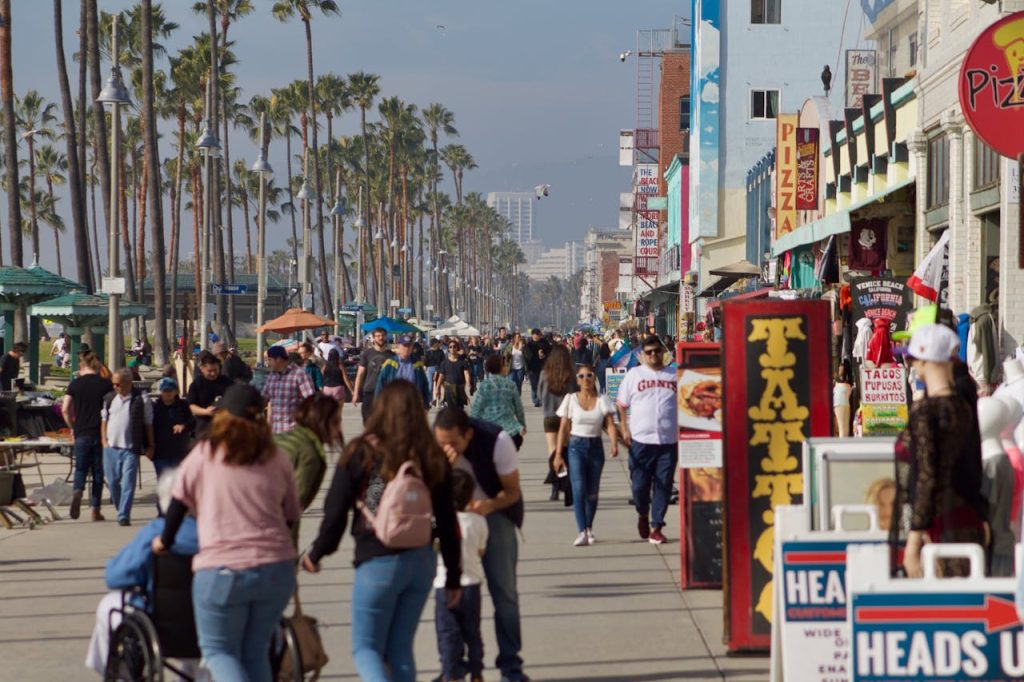
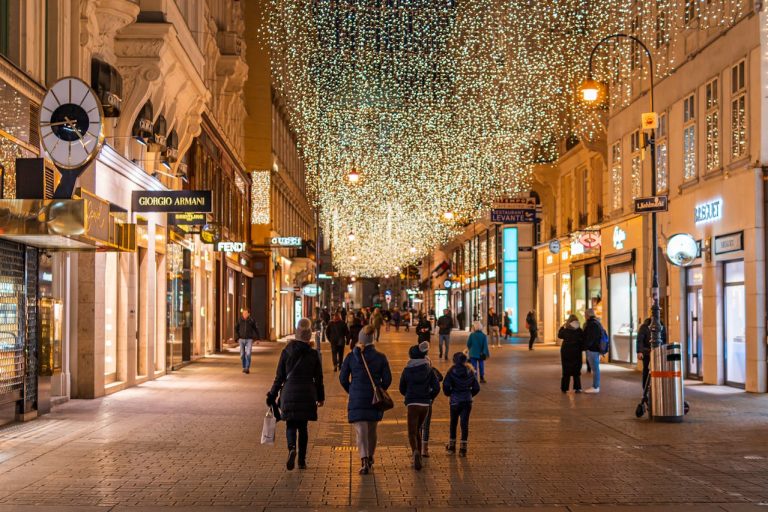
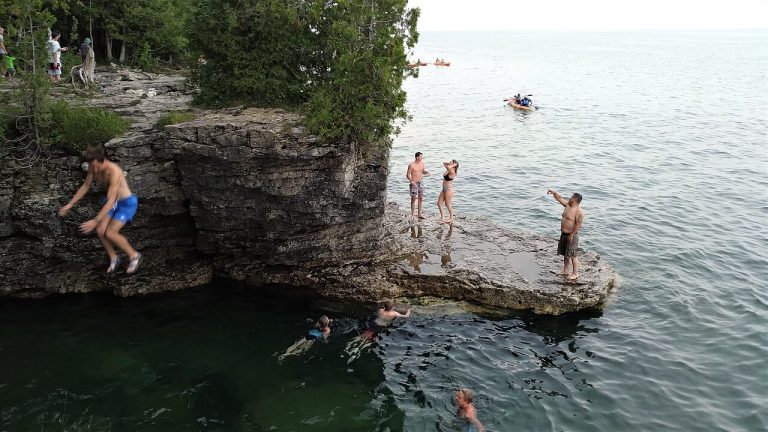
Crowds do more than slow people down. They change the mood from the first minute, especially when parking lots fill early and every viewpoint has a line. A trip that was supposed to feel peaceful starts with tension.
The problem gets worse because crowding steals small moments. People stop wandering and start rushing, since every stop feels like a race against the next delay. Even beautiful places can feel like a checklist when the pace gets frantic.
Busy destinations also make tiny inconveniences feel much bigger. A slow food line or a full restroom is not a major problem on a calm day, but it feels exhausting when the entire area is already packed. That pileup of little frictions sticks in memory.
By the end of the day, many travelers feel worn out in a strange way. They are not tired from adventure or a long hike. They are tired from managing space, timing, and other people all day.
Planning Starts Before The Vacation Feels Real
A lot of popular trips now demand serious planning before anyone even leaves home. Travelers often need to map out entry times, parking options, and route timing.
That extra planning can help, but it also changes the tone of the trip. A getaway starts feeling like a project.
Spontaneous travel used to be part of the charm for road trips and weekend escapes. Now, showing up late or without a plan can mean missing the main attraction entirely. One wrong guess can affect the whole day.
Families feel this pressure more than solo travelers. Coordinating meals, bathroom breaks, and arrival windows adds a lot of moving parts.
Even when a destination drops one rule, another challenge usually fills the gap. If timed entry is gone, parking pressure gets worse. If parking is easier, traffic around the area can still eat up half the morning.
People also spend more time reading rules than learning the place. They check shuttle details, road notices, and local restrictions before they ever read a museum note or a trail history.
That shift matters more than it sounds. Travel feels different when the first emotion is caution instead of excitement.
Planning is not the enemy, and most people understand why these systems exist. The issue is that the hype still sells a carefree version of the trip. The real version often rewards precision, not spontaneity.
The Price Rises Long After You Book
The first price travelers see is rarely the full price they pay. Room rates and flight deals look manageable at first, then parking, local transport, and meals start stacking up. A trip that seemed reasonable can feel expensive by day two.
Popular destinations also charge extra for convenience at every step. Staying near the beach, near the park gate, or near downtown usually costs much more, and people pay it because it saves time. That tradeoff can make sense, but it also raises expectations fast.
Food is another place where value drops quickly in high traffic areas. Travelers often pay premium prices for meals that are simply average because nearby options are limited. After a few days, even small overcharges start to feel personal.
The hardest part is not always the money itself. It is the feeling that the experience no longer matches the bill. When the trip feels stressful and overpriced at the same time, the hype collapses.
Weather Now Shapes The Trip More Than The Brochure
Weather has always mattered, but it now decides the tone of many trips from start to finish. Heat, smoke, and storms can change the plan in a single afternoon.
Peak season also no longer guarantees the best experience. In many places, peak season simply means the biggest crowds and the harshest conditions.
Outdoor destinations feel this most sharply. A scenic day can turn into a constant search for shade, water, or indoor breaks. The place may still be gorgeous, but the rhythm becomes hard to enjoy.
Smoke and poor air days create a different kind of disappointment. Travelers can still see the mountains or the coastline, but they cannot fully use the day the way they imagined.
Storms make everything feel uncertain, even when they pass quickly. People delay drives, cancel activities, and keep checking updates instead of relaxing.
That kind of uncertainty adds hidden costs. Families spend more on backup plans, indoor attractions, or last minute meals because the original plan fell apart.
The emotional effect is bigger than people expect. A trip can stay technically successful and still feel disappointing if every day requires a reset.
Weather is not anyone’s fault, and travelers know that. The problem is that hype rarely includes this part of the story. It sells the perfect week, not the real conditions people may face.
Viral Travel Makes Different Places Feel The Same

Social media helps people discover amazing places, but it also flattens them. Travelers are often pushed toward the same viewpoints, the same cafes, and the same photo stops. A city with real character can start to feel strangely repetitive.
This happens because people arrive with a script already in mind. They chase what they saw online instead of letting the place shape the day. Even a great destination can feel generic when everyone follows the same route.
Local businesses respond to that demand in obvious ways. Menus get simplified, decor gets trendier, and experiences get packaged for fast turnover. The place becomes easier to sell, but sometimes less interesting to visit.
That is one reason hype fades so quickly now. The destination may still be worth seeing, but the experience feels borrowed. People come home with good photos and a weak memory of what made the place unique.
Local Rules Can Make The Trip Feel Tighter
As destinations get more crowded, local governments step in with more controls. Parking limits, traffic changes, access windows, and stricter enforcement are now common in many tourist areas.
Most of these rules exist for good reasons. They protect neighborhoods, reduce chaos, and help locals keep living there.
The issue for travelers is the shift in atmosphere. A place that once felt easy and open can now feel heavily managed. Visitors notice that change right away, even if they support the reason behind it.
Beach towns show this clearly during peak periods. Traffic patterns change, parking becomes harder, and certain zones feel more regulated than people expected.
Historic districts are changing too. More pedestrian zones can improve the area, but they also make drop offs, parking, and timing more complicated.
Nature destinations face a different version of the same problem. Trail limits, seasonal closures, and safety restrictions can be necessary, but they still affect how free the trip feels.
Travelers usually adapt once they understand the system. The frustration comes from arriving with an old mental picture that no longer matches reality.
That mismatch is what hurts the experience most. People are not angry about one rule. They are reacting to a whole trip that feels more controlled than the hype suggested.
Service Strain Shows Up In Small Ways
When a destination gets overloaded, service quality often softens around the edges. Staff may still be polite and hardworking, but the system itself starts feeling stretched. Travelers notice the strain in timing, not always attitude.
The most common issue is simple delay. Check in takes longer, restaurants move slower, and shuttles fill up faster than expected. None of it sounds huge on paper, but the delays stack up across the day.
Crowded places also lose flexibility. Hotels cannot shift rooms easily, restaurants cannot handle special requests quickly, and activity providers have less room to help when plans change. That makes every small mistake feel harder to fix.
This is where price makes emotions sharper. People expect some friction on a cheap trip. They get much less patient when they are paying premium rates for an experience that feels rushed.
The Better Choice Is Often Nearby
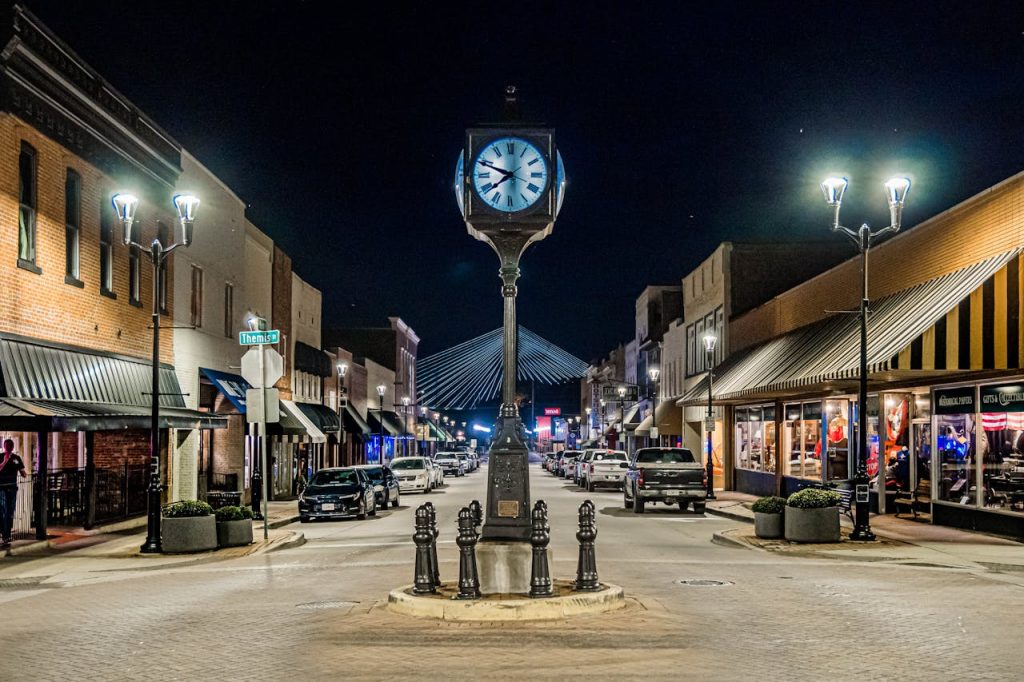
The smartest move is not always skipping famous destinations completely. It is often choosing a quieter base town nearby and visiting the big attraction on better timing.
That one change improves more than most travelers expect. Parking is easier, meals cost less, and evenings feel calmer.
Shoulder season travel helps for the same reason. The weather may not be perfect every hour, but the crowds are lighter and the pace feels more human.
Weekday timing also matters more than people think. The same trail, beach, or downtown block can feel completely different on a Tuesday morning than on a holiday weekend.
Travelers who plan around conditions usually enjoy more of the place itself. They spend less time fighting traffic and less money on convenience premiums.
They also notice details the rushed crowd misses. Local bakeries, side streets, smaller museums, and quiet overlooks often become the best parts of the trip.
The big lesson is not to avoid famous places forever. It is to stop trusting hype as a complete plan.
A destination can still be beautiful and worth visiting. It just works better now when travelers choose timing, budget, and expectations with a clear head. That is how the trip starts feeling personal again.