10 Countries That Paid Strangers to Move There and What Actually Happened Next
Governments and local towns have spent years trying to solve the same problem: too few people, too few workers, and too many empty homes. For some places, the answer was surprisingly direct.
They offered cash, tax breaks, subsidized housing, or cheap property to outsiders willing to move in. What happened next was rarely as simple as the headline promise.
Italy

Italy became the global symbol of relocation incentives through its €1 home schemes and separate cash offers from villages trying to reverse population decline. Towns in Sicily, Sardinia, Calabria, and Abruzzo used different versions of the idea, usually requiring buyers to renovate homes within a set time and post a deposit.
The attention worked. According to municipal officials in places such as Sambuca di Sicilia and Mussomeli, foreign demand surged after 2019, especially from the United States and northern Europe. Some towns sold dozens of abandoned properties that had sat empty for years, and local builders reported fresh business from renovation work.
But the fine print changed the story for many arrivals. Renovations often cost tens of thousands of euros, permits could take months, and some houses needed major structural repairs. In several towns, the real success was not the €1 price itself but the publicity that pushed buyers toward more realistic low-cost homes nearby.
Italy did gain part-time residents, restored buildings, and tourism buzz. Still, many depopulating villages did not suddenly become booming communities. Local leaders have said the programs helped stabilize some streets and attract investment, but they were never a quick fix for aging populations and weak job markets.
Spain

Spain’s rural depopulation has led villages and regions to experiment with incentives, including housing support, business grants, and family subsidies aimed at bringing in newcomers. In parts of Asturias, Galicia, Aragón, and Castilla y León, officials backed programs to fill near-empty communities and keep schools and services open.
Results varied widely by location. In villages with broadband access, available rentals, and nearby jobs, some new families did arrive. Local mayors have said even a handful of school-age children can change a town’s future because it helps keep classrooms, shops, and health services running.
The biggest obstacle was not interest. It was housing. In many villages there were empty homes on paper, but they were not legally rentable, needed repairs, or belonged to owners unwilling to lease them. Several local officials have acknowledged that attracting residents is easier than finding them habitable homes at a workable price.
That meant Spain’s approach worked best where relocation offers were tied to employment or remote work support. Places that promoted lifestyle alone often drew headlines but fewer permanent residents. The lesson was clear: incentives mattered, but basic housing supply mattered more.
Portugal
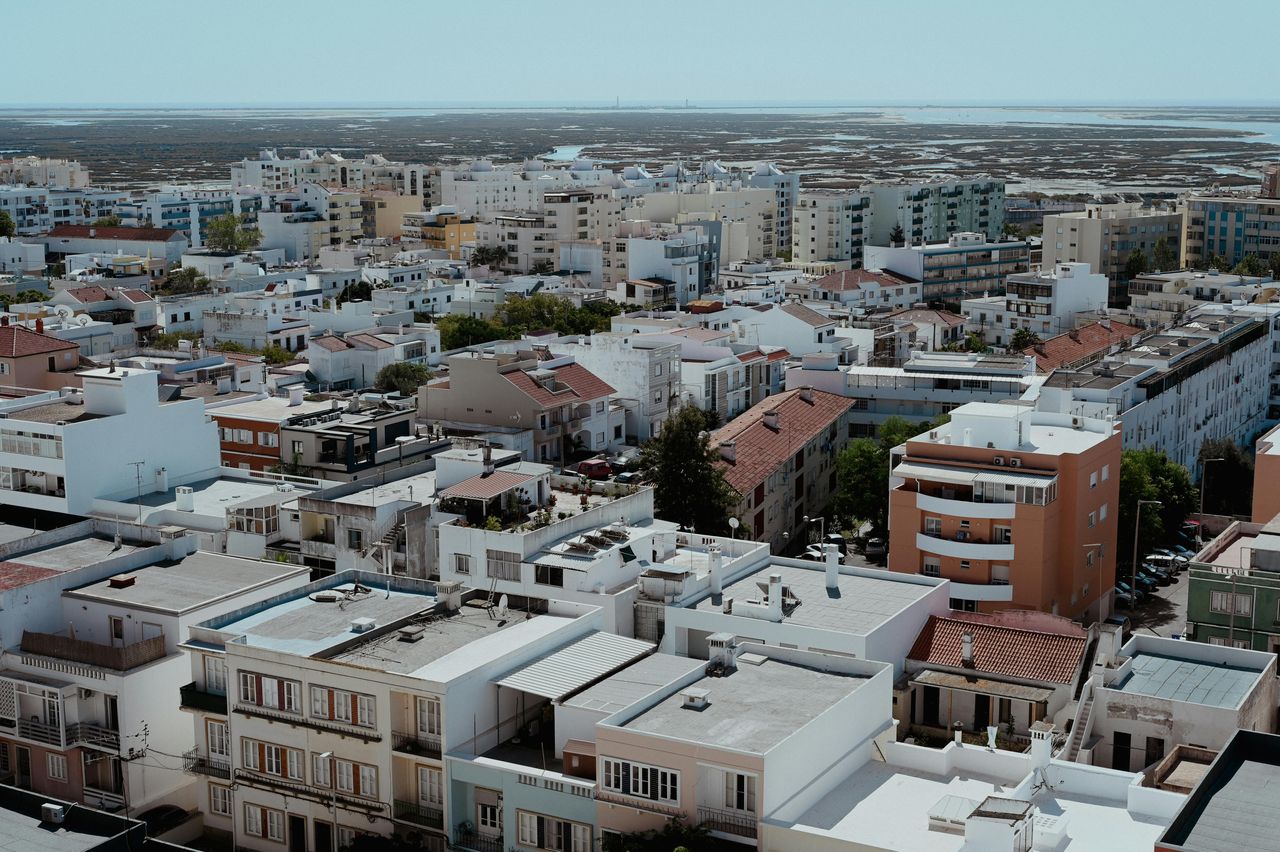
Portugal drew international attention with tax incentives and lifestyle-friendly residency pathways that attracted retirees, remote workers, and entrepreneurs. While the country did not simply hand cash to all newcomers, it did create meaningful financial advantages for people willing to relocate, especially during the years when the non-habitual resident tax regime was at its most generous.
The program helped Portugal bring in foreign income, homebuyers, and startup talent. Lisbon and Porto became magnets for digital workers, and smaller cities also picked up attention. Officials and business groups credited the policy with boosting investment and raising Portugal’s profile as a place to live and build companies.
Then came the backlash. As rents and home prices climbed, critics argued the benefits favored wealthy foreigners while locals faced rising costs. The Portuguese government later moved to scale back major parts of the tax break system, reflecting growing political pressure over affordability.
What happened next was a more cautious version of the same strategy. Portugal still wants skilled newcomers and investment, but with tighter rules and more scrutiny. The country gained residents and capital, yet it also became a case study in how relocation incentives can strain housing if supply does not keep pace.
Greece

Greece used targeted tax breaks to attract foreign retirees, remote workers, and investors after years of financial crisis and demographic pressure. One headline measure offered eligible foreign retirees a flat 7% tax rate on overseas income, making the country more competitive with other Mediterranean destinations.
The approach fit a broader push to revive local economies and bring spending into smaller communities and islands. Real estate agents, lawyers, and relocation consultants reported increased foreign interest, particularly after the pandemic reshaped where people wanted to live and work.
Still, the pattern resembled Portugal in one important way. Much of the benefit clustered in already popular areas, not in the places that most needed population growth. Better-known islands and Athens suburbs drew attention, while more remote communities often saw far less impact.
So the policy succeeded in attracting wealth and seasonal residents, but it did not fully solve regional imbalance. Greek officials have continued to promote the country as a place for long-term relocation, yet economists note that tax perks alone rarely rebuild communities without jobs, transport, and year-round services.
Chile

Chile took one of the most famous direct-payment approaches through Start-Up Chile, launched in 2010. Rather than paying anyone to relocate, it offered equity-free grants, visas, and support to entrepreneurs from around the world willing to build companies from Chile.
The idea brought thousands of founders to Santiago over the years and won international praise. Government-backed agencies said the program helped put Chile on the startup map, creating a network of foreign entrepreneurs and mentors that had not existed before at that scale.
But the longer-term outcomes were mixed. Many founders stayed only for the program period, collected the grant, and moved on. Critics inside Chile’s startup scene said the country gained visibility and talent circulation, but not always permanent company formation or lasting job creation at the level early boosters imagined.
Even so, Start-Up Chile is often cited as one of the more successful examples of relocation incentives because it had a clear economic purpose. It did not repopulate empty towns, but it did change Chile’s reputation and helped build a more global innovation ecosystem.
Japan

Japan has offered relocation support through national and local programs aimed at reversing regional decline and overconcentration in Tokyo. In recent years, some households leaving the capital area for rural regions could qualify for payments worth up to ¥1 million per child under expanded rules, alongside separate municipal grants for housing and work.
Officials said the goal was to help younger families settle in smaller cities and towns where birth rates are low and populations are aging fast. Some prefectures reported modest gains, especially in places able to market quality of life, childcare, and remote-work options.
Yet Japan’s deeper demographic trends remained hard to move. Many young adults still preferred Tokyo’s wages, convenience, and career options. Analysts noted that cash incentives can influence timing, but usually not enough to outweigh labor market realities and the pull of major cities.
What happened next was a steady but limited shift rather than a mass migration. The programs helped some families make a move they already wanted to make. They did not reverse national population decline, but they gave struggling regions another tool to compete for residents.
Ireland

Ireland has not widely paid foreigners cash just to arrive, but it has rolled out strong place-based incentives through the Our Living Islands policy and tax supports linked to remote work and property renewal. The most talked-about measure offered grants of up to €84,000 for renovating vacant or derelict homes on certain offshore islands.
That sparked heavy international interest, including from Americans drawn by dramatic scenery and the idea of restoring an old house. Irish officials quickly stressed that the grant was for renovation, not a free house, and that buyers still had to fund the purchase, planning, and major construction costs.
The policy did exactly what it was meant to do in one sense. It put long-neglected housing stock back into the conversation and directed attention toward communities that had been losing population for decades. Some island leaders welcomed the added demand and the chance to revive abandoned buildings.
Still, the grant was never large enough to guarantee an easy move. Construction costs, weather, contractor shortages, and limited year-round services remained serious barriers. Ireland generated genuine relocation momentum, but mostly among committed buyers with savings, patience, and a realistic view of island life.
Switzerland
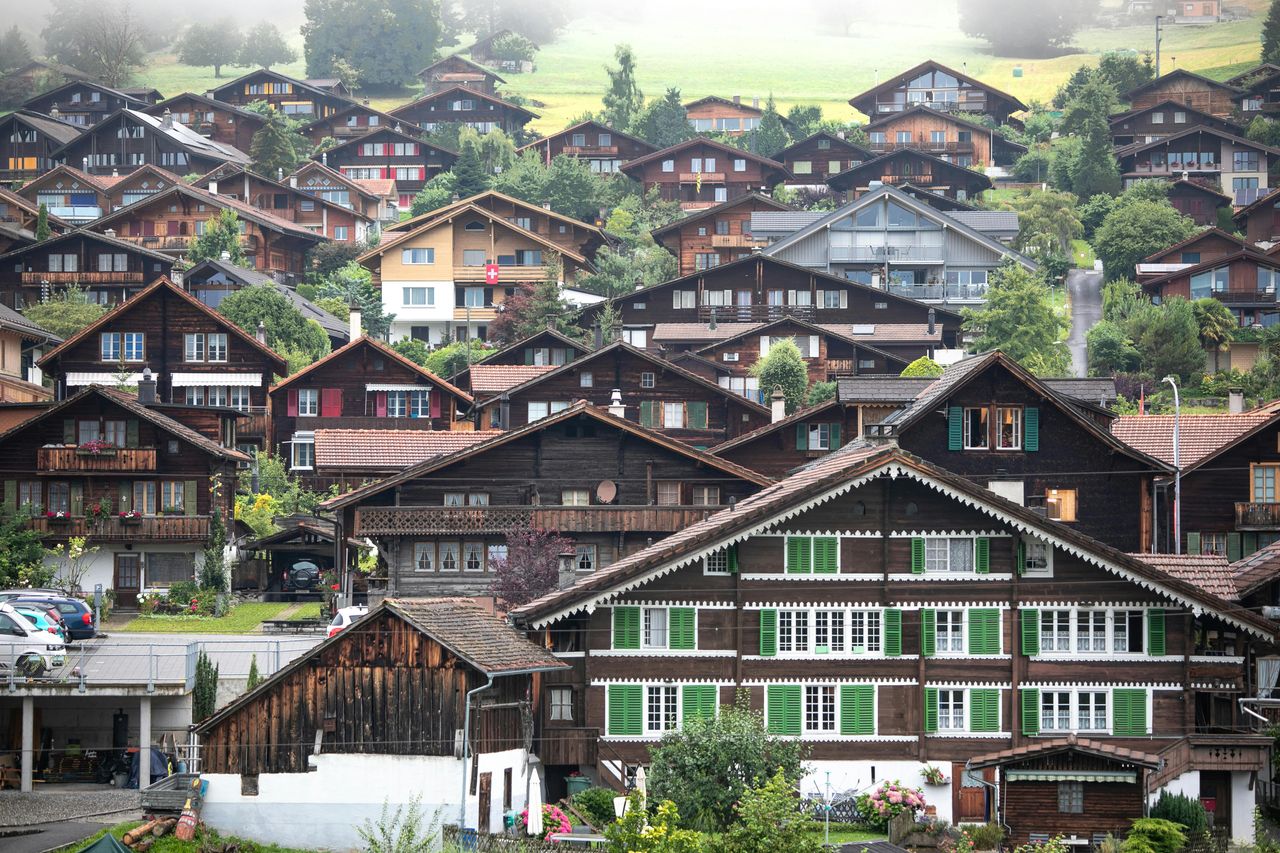
Several Swiss villages have offered relocation payments to attract younger residents and keep local schools and services alive. The best-known example came from Albinen, which approved a package offering tens of thousands of Swiss francs to eligible adults and children who committed to buying or building a primary residence and staying long term.
The plan triggered worldwide interest after it was publicized in 2017. Local officials said inquiries came from across Europe, the United States, and beyond. But the village also made clear that the bar was high: applicants needed residency rights, a significant property investment, and a commitment to remain for years or repay the money.
What happened next was more modest than the headlines suggested. Albinen did add a small number of younger families and gained publicity that helped local visibility. At the same time, strict eligibility rules meant very few people could actually qualify.
That made Switzerland’s experience a useful reality check. The payments were real, but they were not open invitations for anyone to collect a check and move into the Alps. They worked more as a targeted retention and renewal policy than a mass relocation program.
Canada
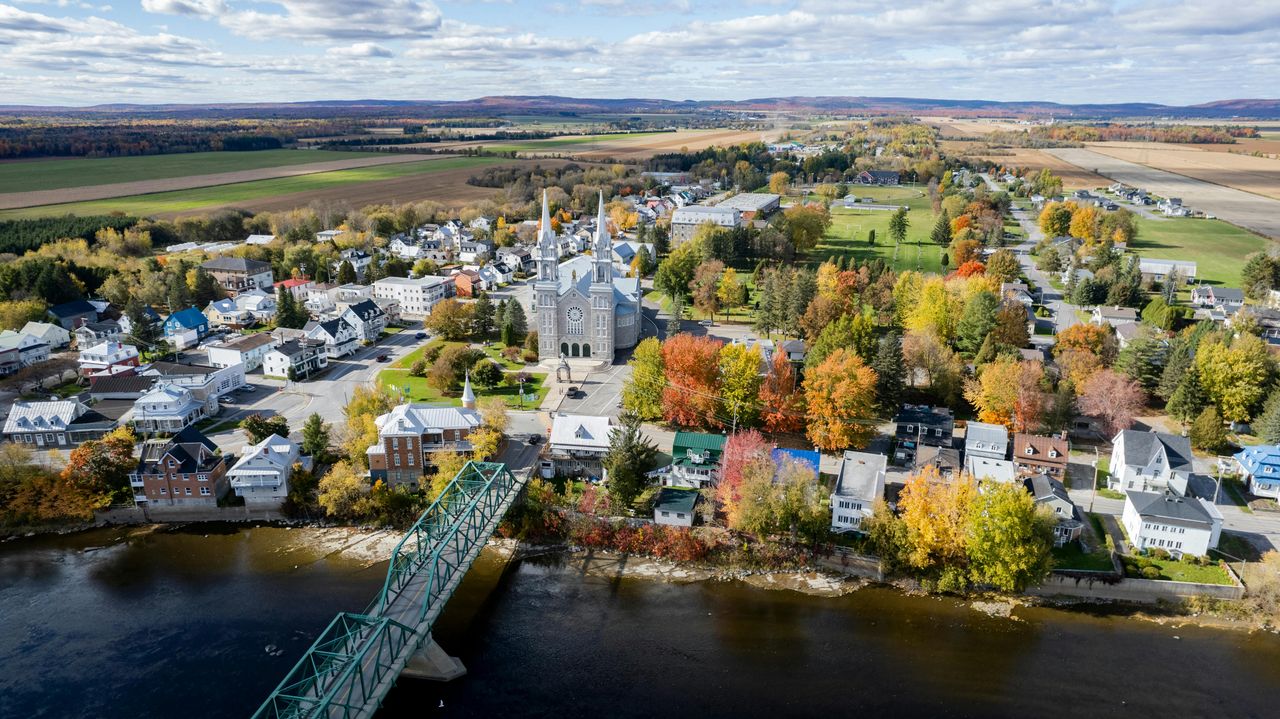
Canada has used a mix of provincial nominee programs, rural immigration pilots, and regional tax incentives to draw newcomers to less populated areas. Some provinces and towns also experimented with employer-backed recruitment and settlement support rather than simple cash handouts, aiming to solve labor shortages in health care, trades, and local services.
The country saw more measurable success than many rural revival campaigns elsewhere because immigration was tied to jobs. Communities participating in rural and northern pilot schemes reported that newcomers helped fill vacancies that had been difficult to staff for years.
But retention remained the big test. Some migrants stayed and built lives in smaller cities, while others later moved to Toronto, Vancouver, or Calgary for better pay, larger communities, or family reasons. Municipal leaders have repeatedly said attracting people is only half the battle.
What happened next was a shift toward settlement support, not just recruitment. Language help, credential recognition, housing access, and spouse employment became central policy issues. Canada’s lesson was simple: relocation incentives work better when they are attached to a realistic path to long-term belonging.
South Korea

South Korea has offered local relocation benefits, farming subsidies, and rural settlement support as it confronts one of the world’s sharpest demographic declines. Counties seeking to attract young families and new farmers have provided cash assistance, childcare support, training, and housing-related aid.
These programs have helped some areas bring in a limited number of returnees and urban residents looking for a slower life. Officials have pointed to gains in agricultural succession and small business activity in selected counties, especially where support lasted beyond the first year.
Still, the national picture has not changed dramatically. Low birth rates, high housing costs in major cities, and intense education and career pressures continue to shape where people live. Experts in South Korea have said local cash offers can help at the margins but cannot by themselves reverse a structural demographic crisis.
That is the broad pattern across all 10 countries. Paying strangers to move can bring attention, a few families, some business activity, and occasional real success. But unless jobs, housing, schools, and services are already in place, the money usually opens the door rather than finishing the job.