11 Historical Sites That Are Disappearing and You Have Very Little Time Left to See Them
Some historic places are not just aging. They are actively shrinking, sinking, eroding, or being damaged faster than experts can repair them.
Across the world, archaeologists, conservationists, and government agencies have warned that a number of famous sites may look very different within years, not generations. For travelers, that makes timing matter in a way it did not before.
Venice, Italy
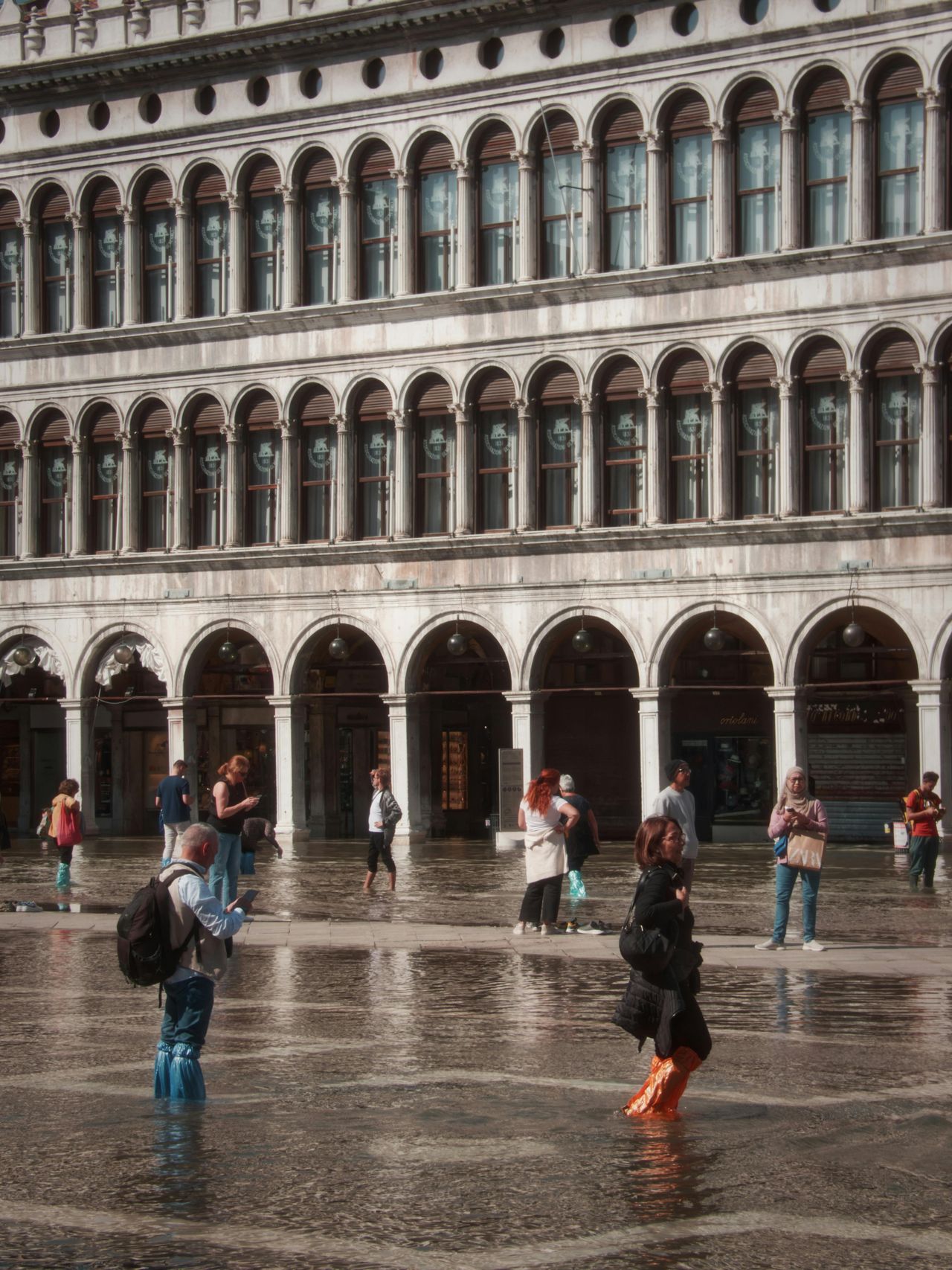
Venice has spent years fighting high water, stronger storm surges, and the slow subsidence that has made the city one of the best-known symbols of climate risk. According to Italian officials and UNESCO monitoring, sea-level rise in the Adriatic and repeated flooding continue to threaten historic churches, palaces, bridges, and foundations across the lagoon city. The MOSE flood barrier system has reduced some acute flooding events, but experts say it is not a permanent fix for long-term sea-level pressure.
The city is also managing heavy visitor traffic. Venice introduced new crowd-control measures and a day-tripper access fee in 2024 after years of concern about overtourism and strain on fragile infrastructure. Conservation experts say the issue is not only water damage but constant wear on stone surfaces, canals, and historic buildings. Venice is not vanishing overnight, but the combination of environmental stress and mass tourism means the city people imagine today may not remain unchanged for long.
Great Barrier Reef, Australia
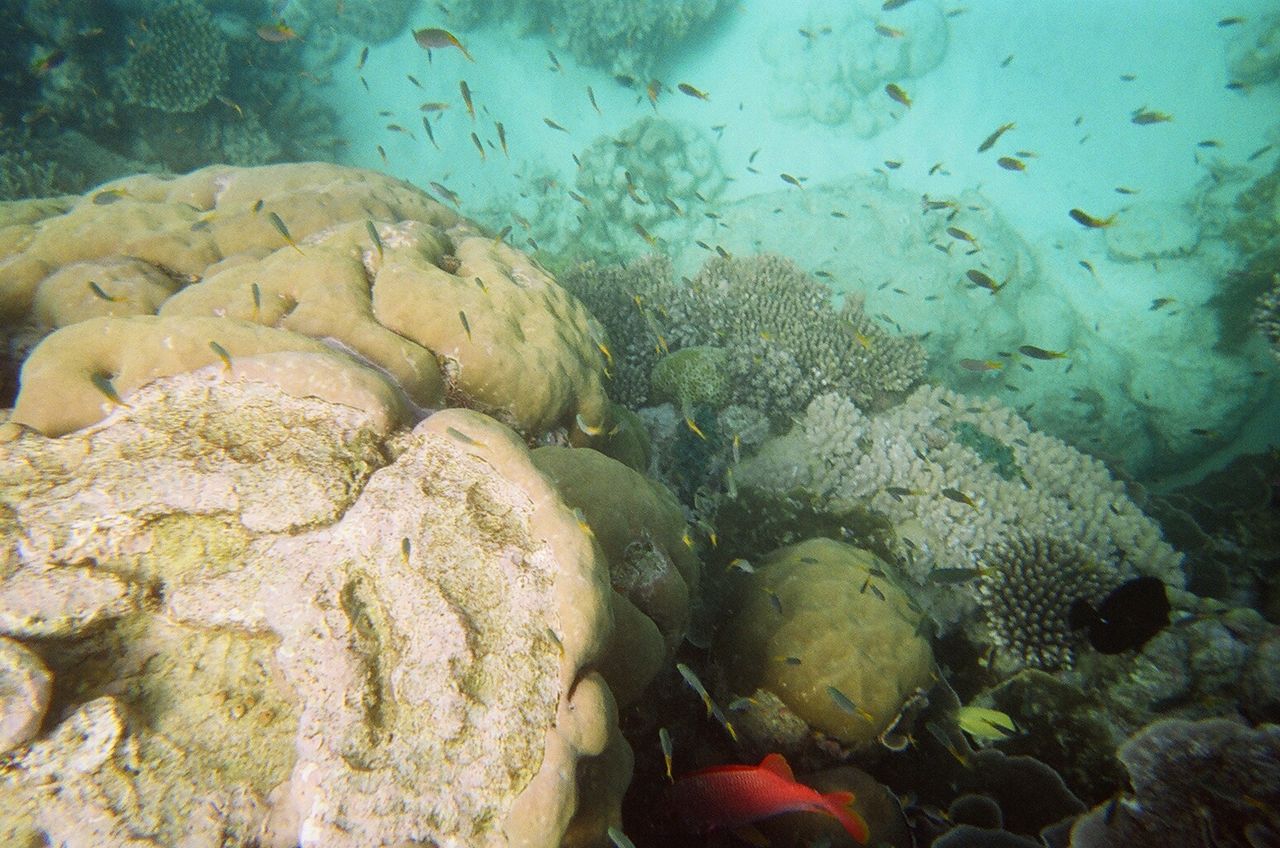
The Great Barrier Reef is both a natural wonder and a historic cultural landscape with deep significance to First Nations communities. Scientists from the Australian Institute of Marine Science and other agencies have documented repeated mass bleaching events tied to unusually warm ocean temperatures. Severe bleaching episodes in 2016, 2017, 2020, 2022, and 2024 intensified fears that some reef areas could lose much of the coral structure that defines them for visitors.
Reefs do recover in places, but experts say recovery windows are shrinking as heat events arrive more often. That matters for travelers because the reef seen by tourists today may not resemble the reef future visitors expect. UNESCO has repeatedly reviewed the reef’s condition, and while Australia has invested in restoration and water-quality programs, marine scientists continue to warn that global warming remains the largest threat.
Easter Island, Chile
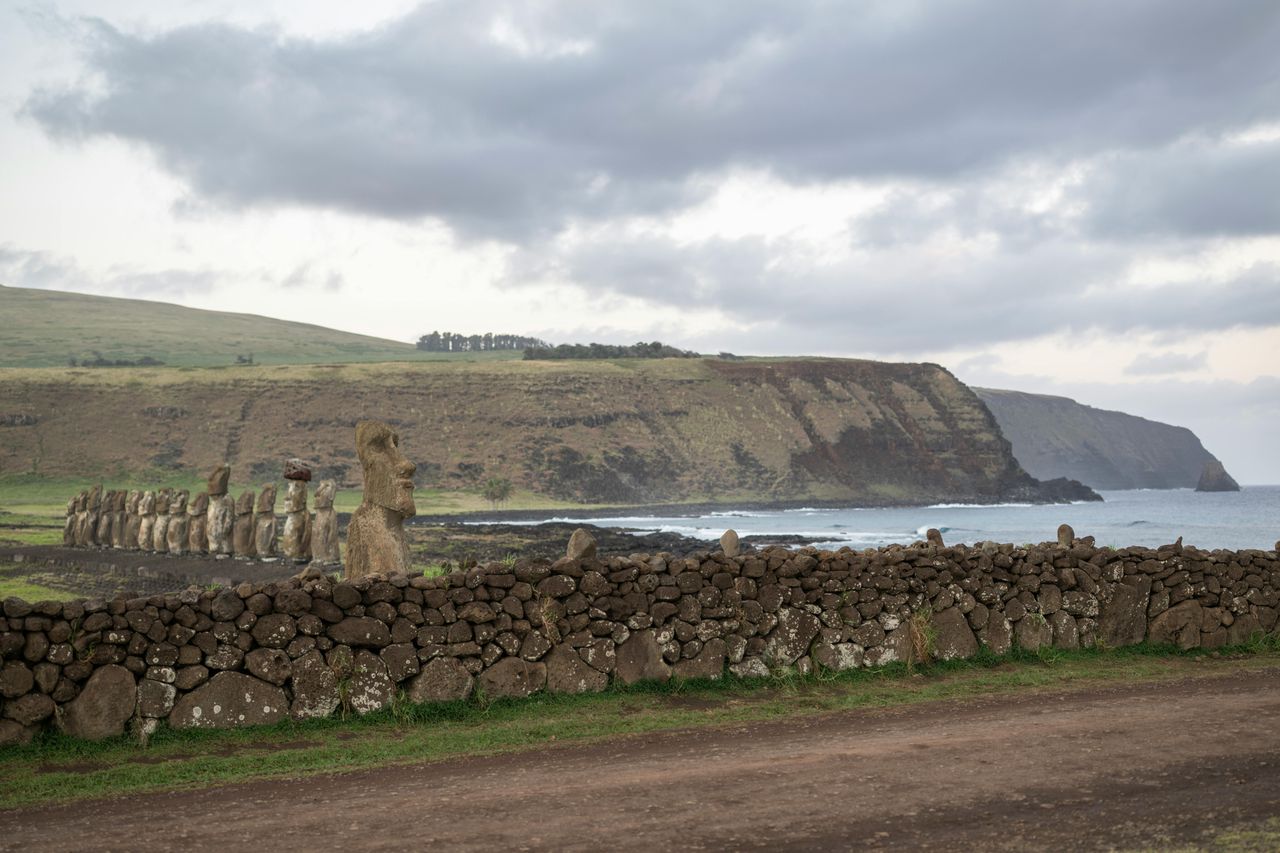
Easter Island, or Rapa Nui, is famous for its moai statues, many of which stand close to the coast. Those coast-facing archaeological platforms are especially vulnerable to erosion, wave action, and sea-level rise. Chilean authorities, local Indigenous leaders, and preservation groups have warned for years that storms and coastal retreat are damaging the ceremonial sites that make the island globally significant.
A major fire in 2022 also damaged part of Rapa Nui National Park, highlighting how multiple threats can hit one heritage landscape at once. Conservation work is complicated by the island’s remoteness and the need to balance tourism with local stewardship. For visitors, the urgency is clear. Some of the moai most exposed to the ocean may not remain in their current condition if coastal damage continues at the present rate.
Timbuktu, Mali
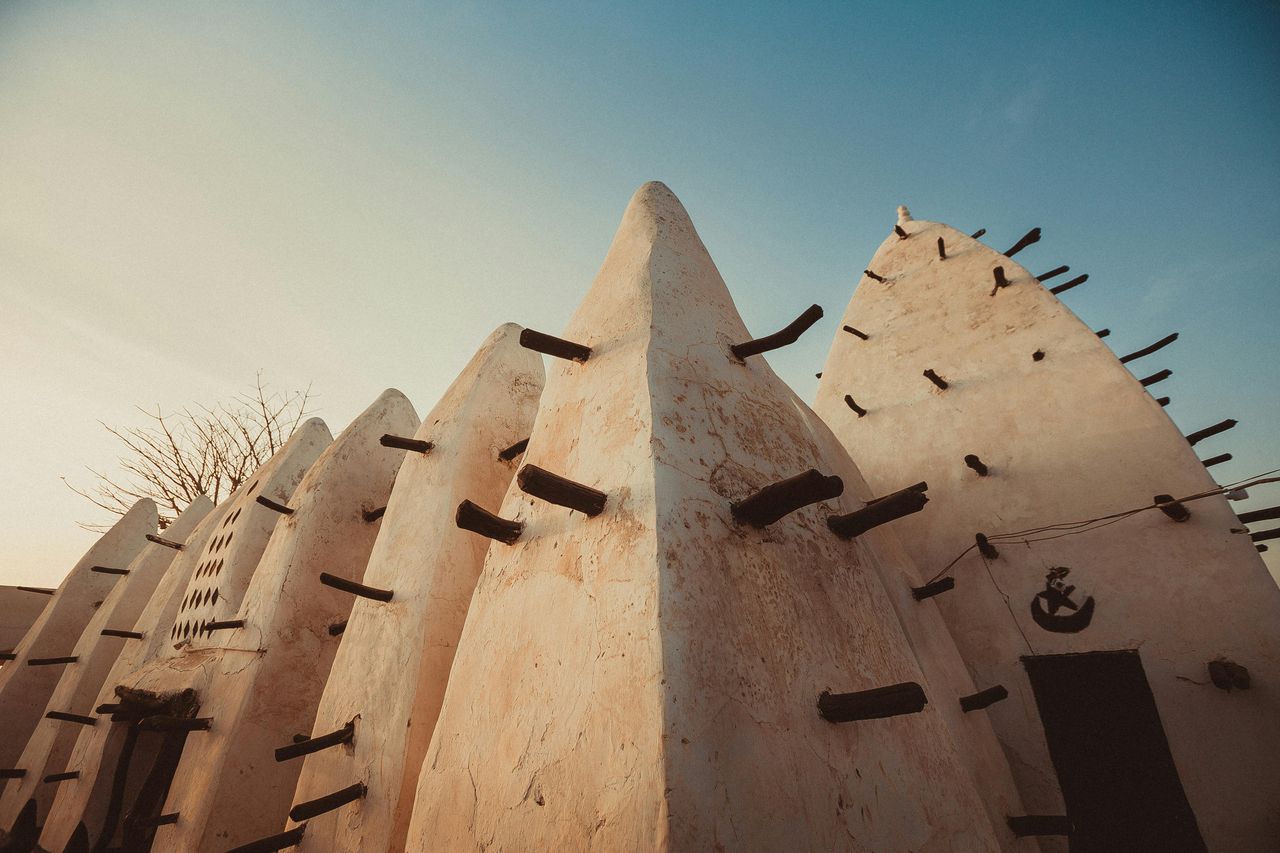
Timbuktu’s mosques, mausoleums, and manuscript tradition made it one of Africa’s great centers of learning, but the site has been under pressure from conflict and climate alike. Armed groups damaged mausoleums in 2012, prompting international restoration efforts backed by UNESCO and local communities. While some shrines were rebuilt, security risks in Mali have continued to complicate conservation and tourist access.
The city also faces encroaching desert conditions. Sand movement, heat, and weak infrastructure increase the burden on fragile earthen architecture that needs regular maintenance. Timbuktu’s historic buildings were never meant to be abandoned or isolated from the communities that care for them. Preservation there depends on peace, funding, and stability, all of which remain uncertain. That makes the future of the site harder to predict than many other famous heritage destinations.
The Dead Sea Scroll Caves, West Bank
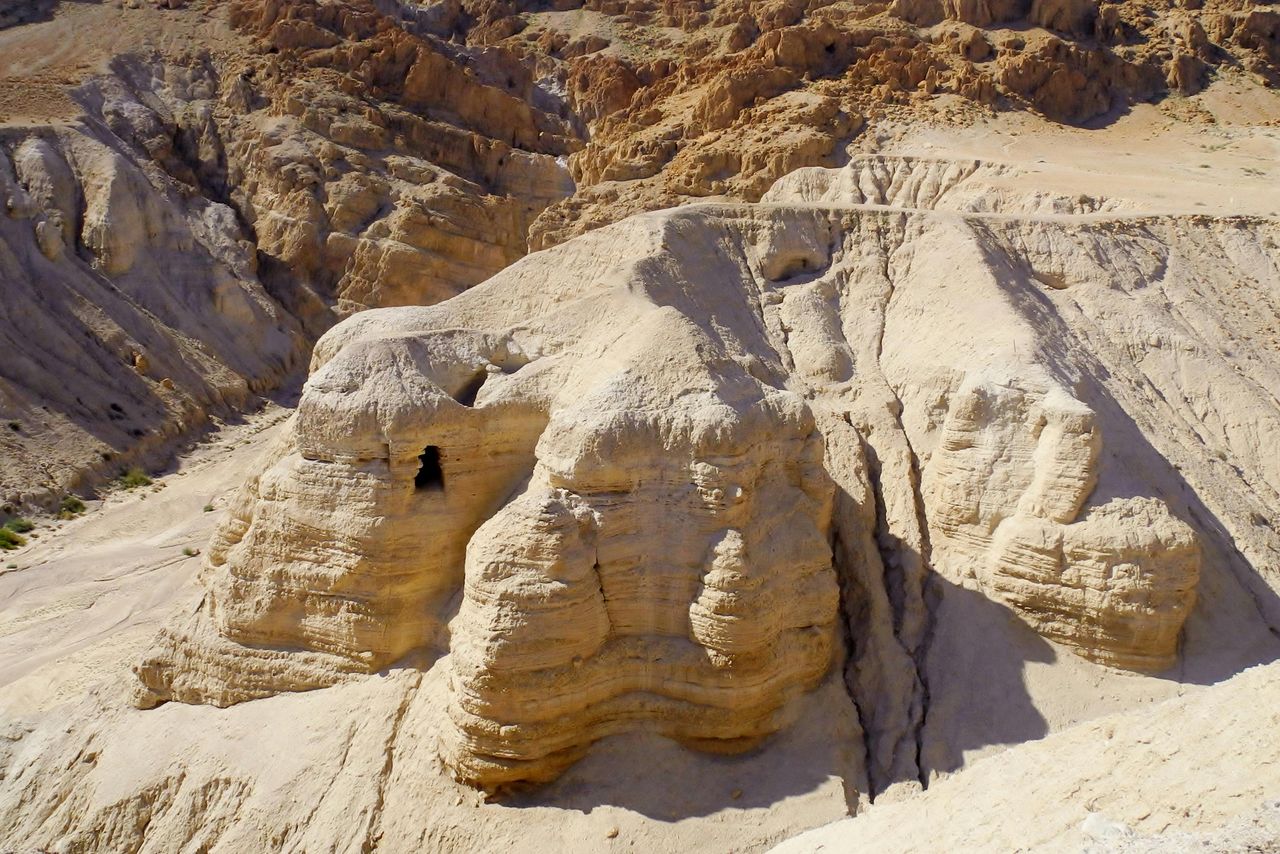
The caves near Qumran, where the Dead Sea Scrolls were discovered, sit in a region experiencing rapid environmental change. The broader Dead Sea basin has been shrinking for decades as water inflows from the Jordan River system have been reduced. According to regional scientific monitoring, the falling water level has contributed to sinkholes, altered the local landscape, and increased concerns about the long-term stability of nearby archaeological areas.
The caves themselves are not a mass-tourism destination on the scale of some sites on this list, but their surrounding setting is changing fast. Archaeologists have also raised concerns about looting in parts of the Judean Desert, where new cave surveys have aimed to recover artifacts before thieves do. For history-minded travelers, the urgency is not just access. It is the chance to see a landscape tied directly to one of the most important manuscript discoveries in history.
Machu Picchu, Peru
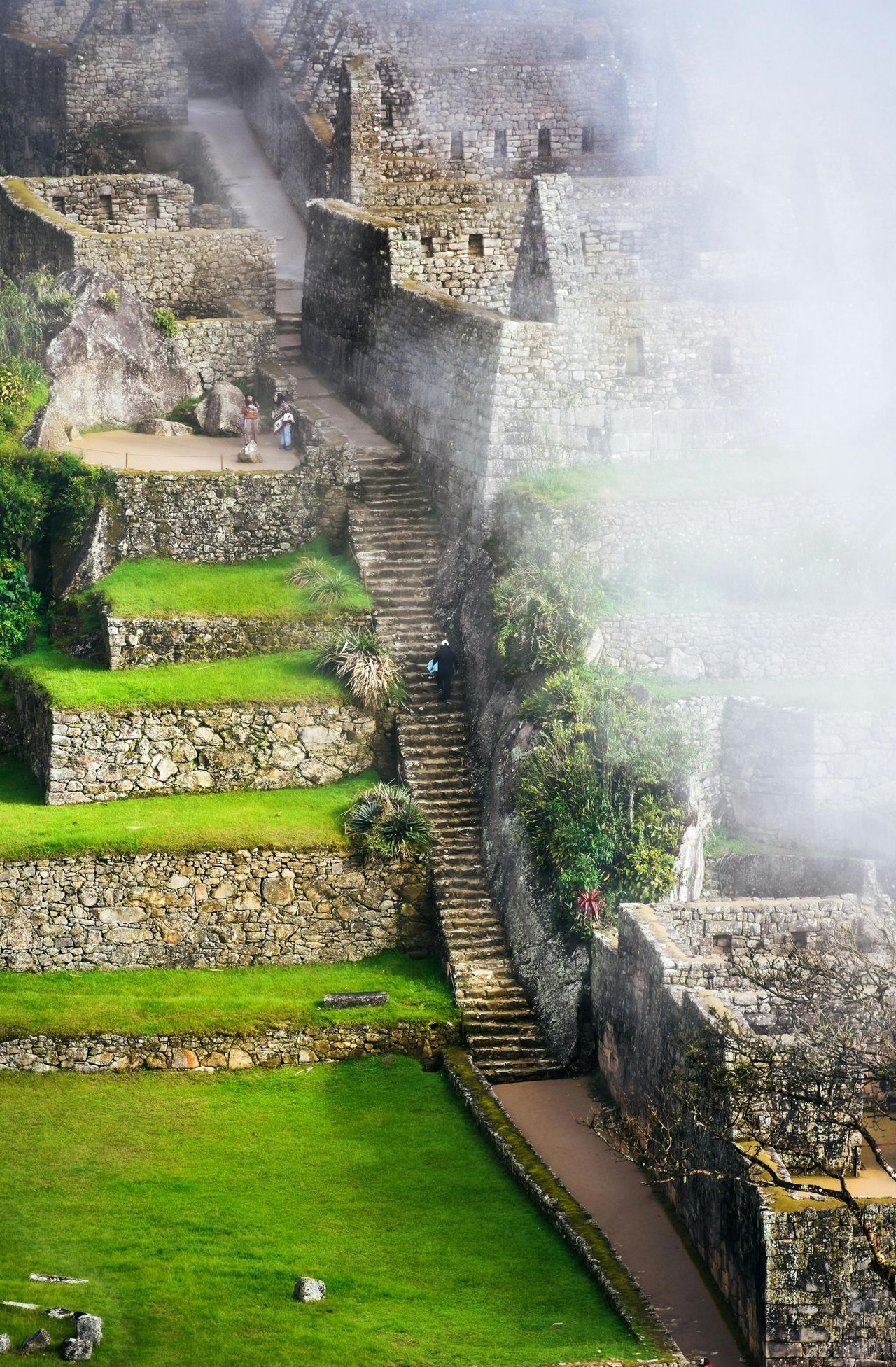
Machu Picchu remains one of the world’s most recognizable archaeological sites, but erosion, landslide risk, and visitor pressure have long worried conservation planners. The Inca citadel sits high in the Andes in a landscape shaped by steep slopes, heavy seasonal rain, and seismic activity. Peruvian authorities have tightened entry rules in recent years, using timed tickets and route controls to reduce crowding and limit wear on vulnerable pathways and terraces.
UNESCO and heritage experts have repeatedly stressed that tourism management is central to the site’s survival. Local economies depend on visitors, but too many people in sensitive areas can accelerate damage to stonework, trails, and drainage systems. Climate change adds another layer of uncertainty by increasing weather extremes. Travelers can still visit, but the experience is already more regulated than it was in the past, and stricter controls are likely.
The Pyramids of Giza, Egypt
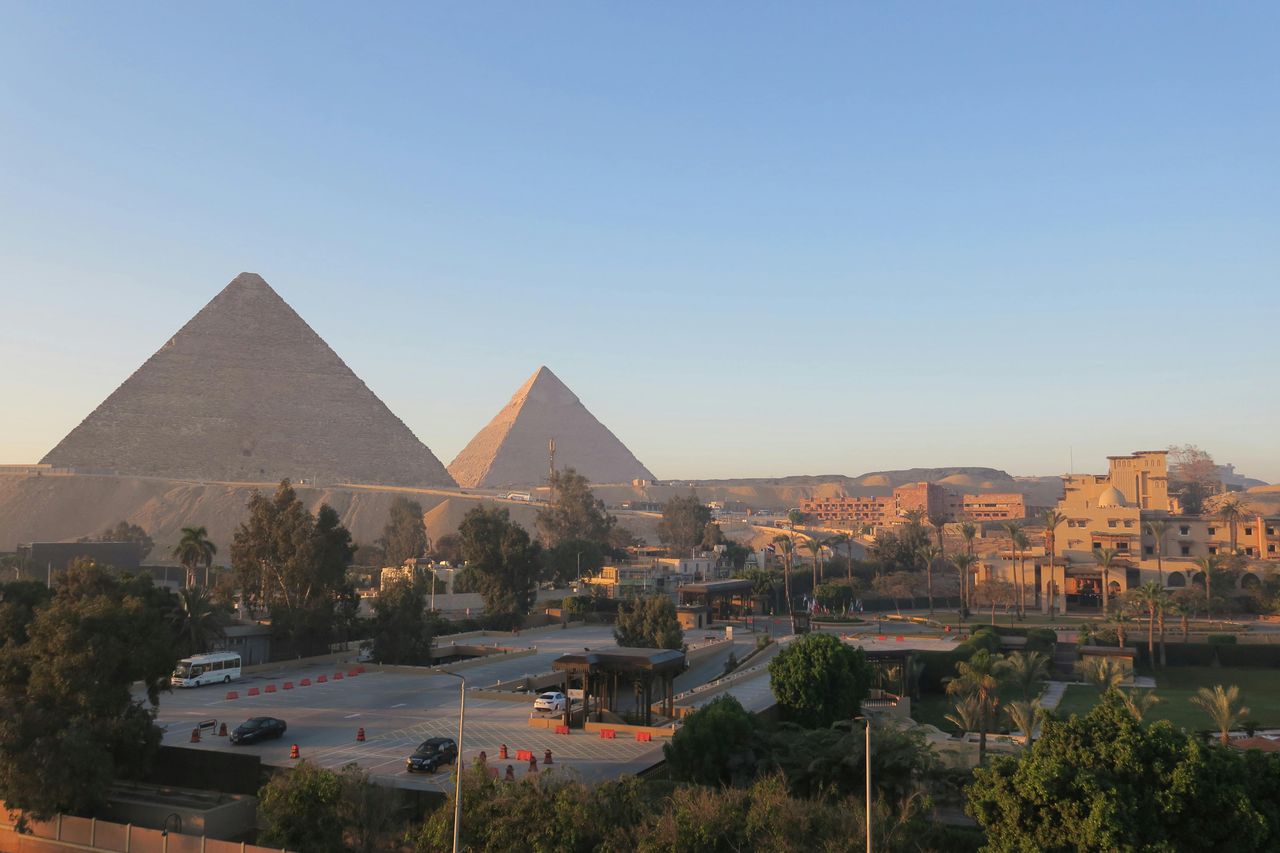
The Pyramids of Giza have endured for roughly 4,500 years, yet modern threats look very different from the ancient ones they survived. Air pollution from greater Cairo, urban encroachment, and unmanaged tourism have all been cited by Egyptian officials and heritage researchers as long-term concerns. Fine stone surfaces erode under windblown sand and pollution, while vibration and nearby development can add stress to the broader archaeological landscape.
Egypt has tried to improve site management through conservation work, transport adjustments, and tourism reforms around the Giza Plateau. Even so, experts warn that the pressure of a growing megacity next door is constant. No serious authority suggests the pyramids are about to disappear entirely, but the surrounding historic environment is changing quickly. For visitors, seeing Giza before further urban expansion alters its setting is part of the urgency.
Kilwa Kisiwani, Tanzania
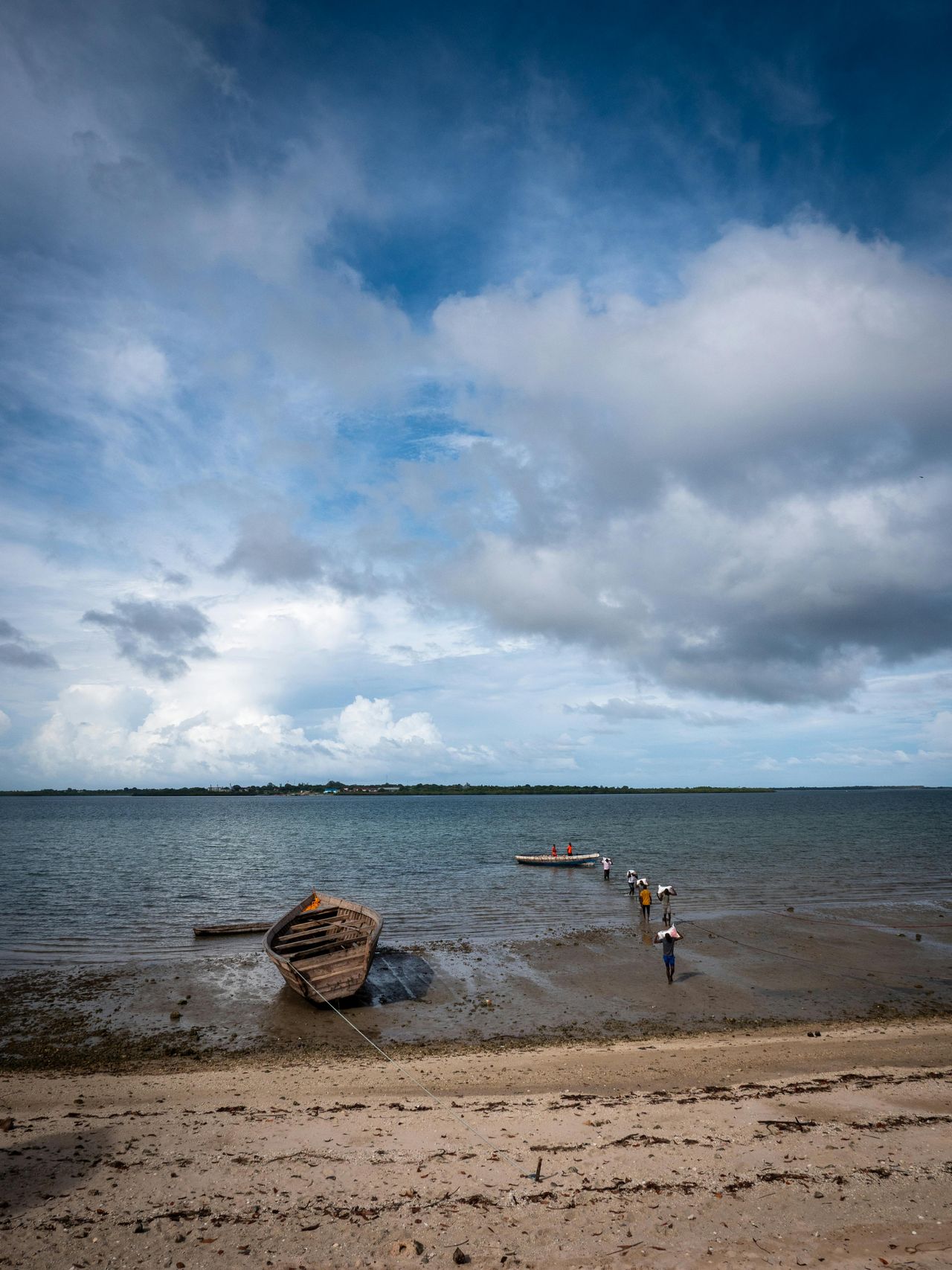
Kilwa Kisiwani, once a major Swahili trading center on the East African coast, is less famous than some sites on this list but no less at risk. Its coral stone ruins, including mosques, palaces, and fortifications, are vulnerable to coastal erosion and weathering. UNESCO and Tanzanian authorities have worked on conservation planning, but rising seas and stronger coastal impacts threaten the island’s structural remains.
Because many of Kilwa’s buildings were made with materials highly sensitive to moisture and salt exposure, even modest environmental shifts can cause real damage over time. Tourism there remains relatively light compared with global icons, which helps reduce crowd stress but also means less visibility and often fewer resources. For travelers interested in world history beyond the usual shortlist, Kilwa offers a rare chance to see an important Indian Ocean heritage site before more of it is lost.
Mesa Verde National Park, United States
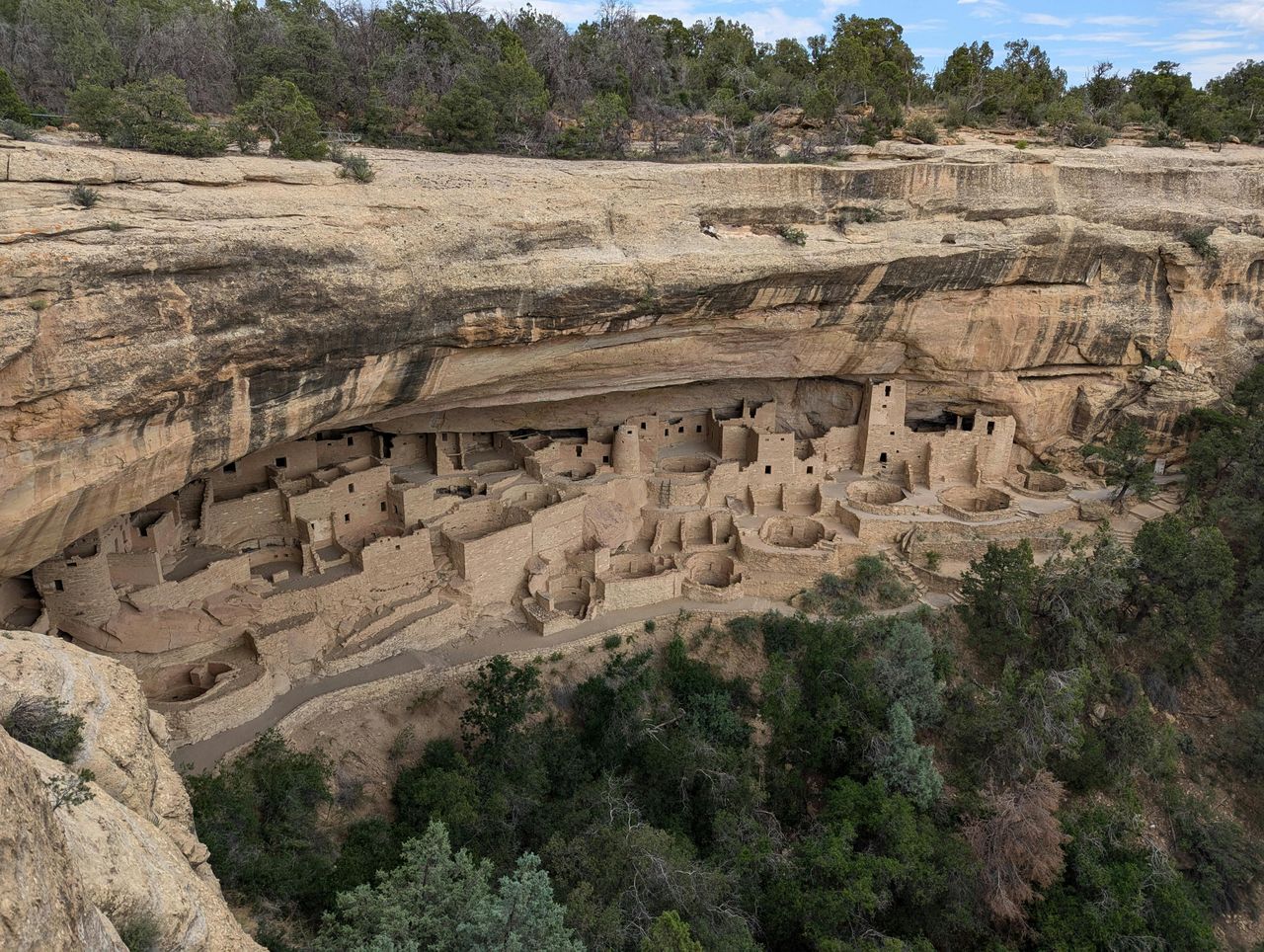
In the United States, Mesa Verde National Park in Colorado faces a different kind of risk. The ancestral Pueblo cliff dwellings are threatened by wildfires, erosion, freeze-thaw cycles, and intense rainfall that can destabilize rock and masonry. The National Park Service has repeatedly closed sections of the park for safety, stabilization, and repair as changing weather patterns increase wear on the archaeological sites.
Fire is a major concern in the broader Southwest, where hotter and drier conditions have lengthened fire seasons. Even when flames do not directly hit a dwelling, smoke, suppression activity, runoff, and post-fire erosion can affect fragile structures. Mesa Verde is still very much visitable, but some areas are tightly managed and access can shift from season to season. For American travelers, it is one of the clearest examples of heritage preservation becoming a climate issue at home.
Petra, Jordan
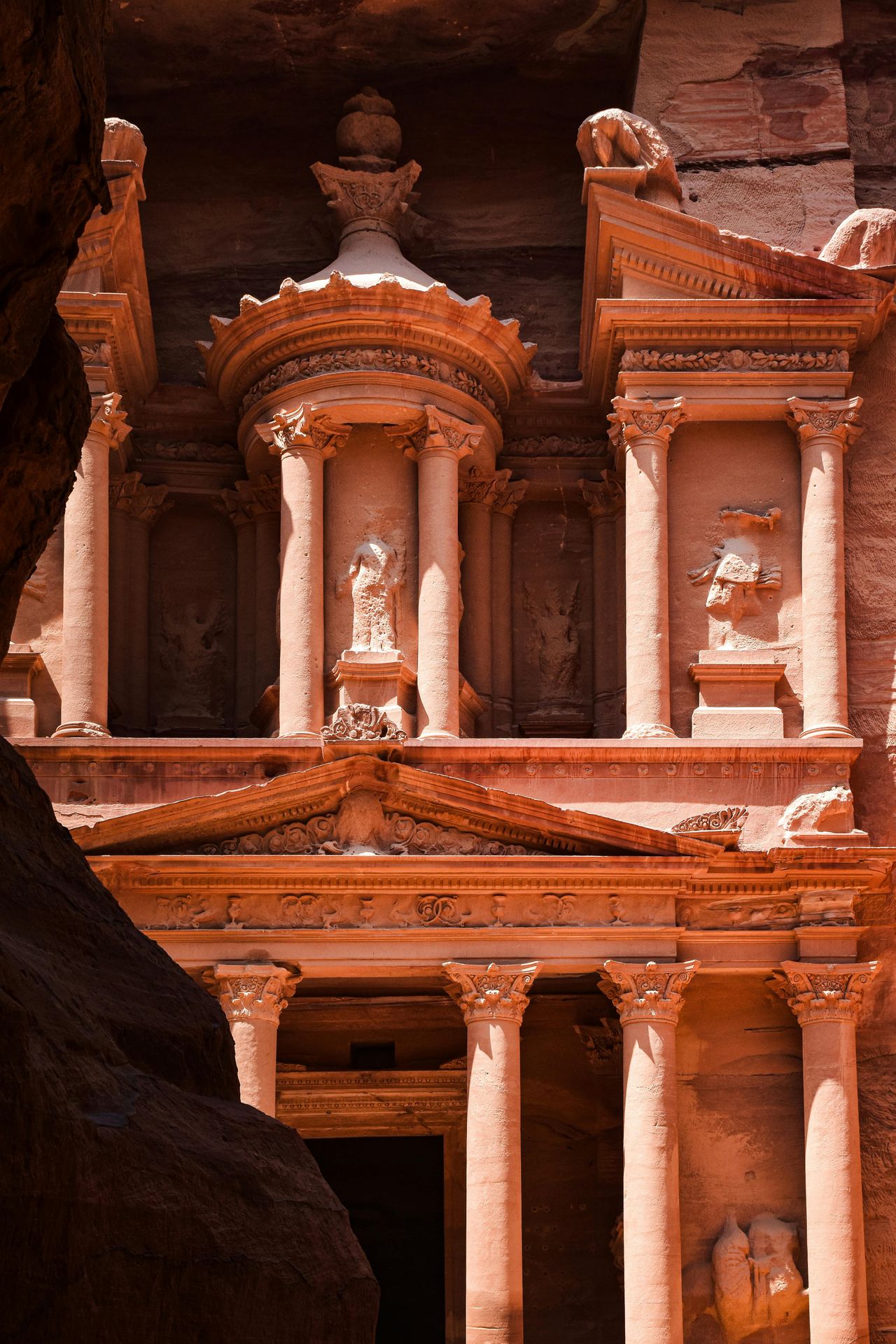
Petra’s rose-colored facades were carved into sandstone cliffs, and that beauty is part of the problem. Sandstone is vulnerable to wind erosion, flash flooding, salt crystallization, and human contact, all of which can gradually weaken the carved surfaces. Jordanian authorities and international preservation teams have spent years improving drainage, monitoring visitor patterns, and stabilizing vulnerable areas after floods and weather damage.
Tourism remains crucial to the local economy around Petra, but it must be balanced with conservation. Heavy foot traffic through the Siq and around major monuments can add cumulative damage over time. Climate-related extremes, especially intense rain, increase the chance of sudden destructive events. Petra is unlikely to vanish in one dramatic collapse, yet specialists say its details and surfaces are being lost little by little, which makes seeing it sooner more meaningful.
The Maldives’ Historic Mosques and Cemeteries
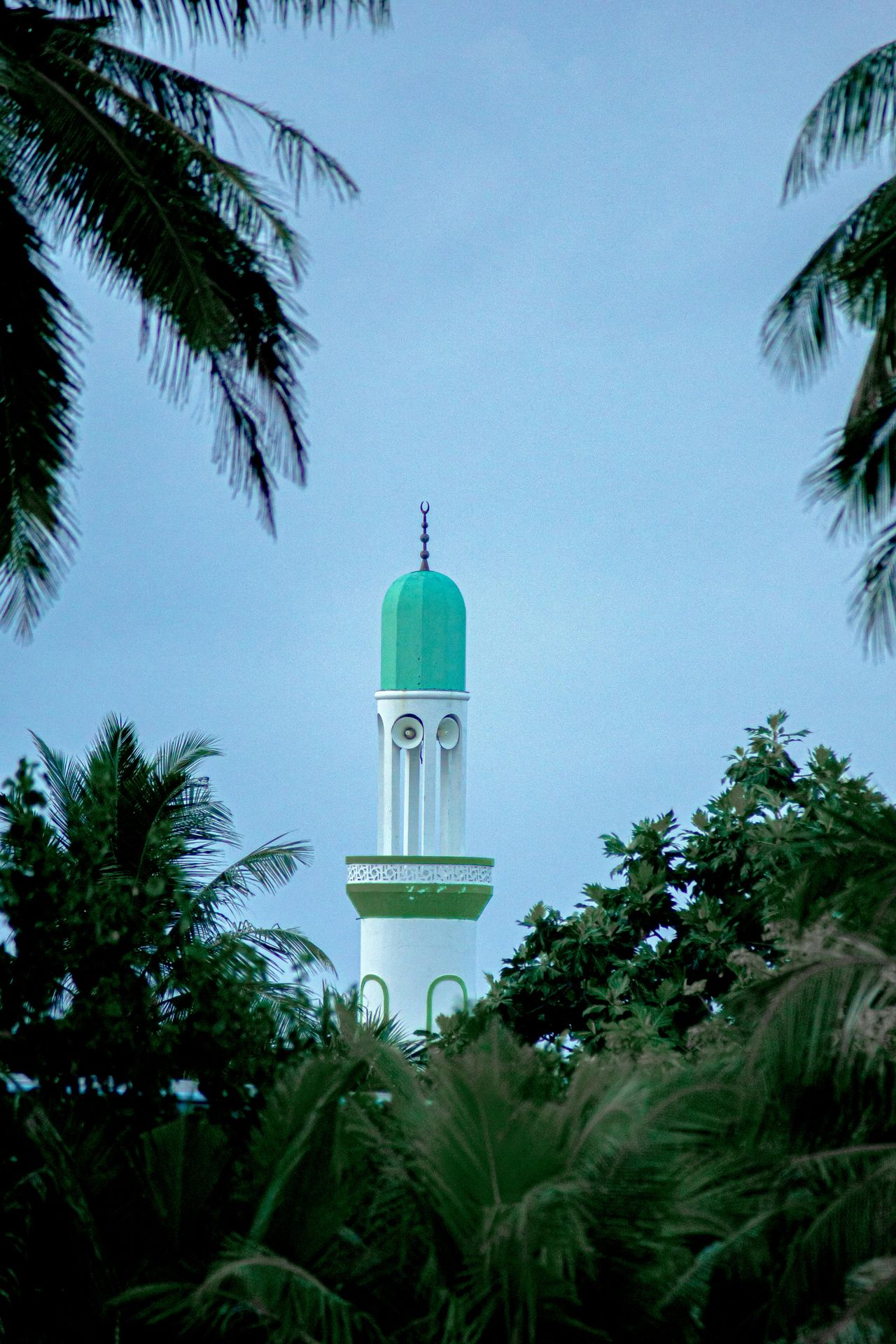
The Maldives is often discussed as a beach destination, but it also contains centuries-old Islamic mosques, coral stone graveyards, and historic settlements that sit just a few feet above sea level. That makes them acutely exposed to coastal flooding, saltwater intrusion, and erosion. Climate researchers have long identified the Maldives as one of the countries most vulnerable to sea-level rise, and heritage sites share that same exposure.
Many of these places are not world-famous landmarks with giant conservation budgets. They are local historic sites woven into daily community life, which can make them easy to overlook in global heritage conversations. Yet their vulnerability is severe because coral stone decays quickly when environmental conditions worsen. For travelers, the urgency is not just about famous monuments. It is also about small, culturally rich places that could disappear before many outsiders even learn their names.