10 Countries Where Travel Isn’t About Shopping
Some trips revolve around bargains and bags, but the most satisfying ones revolve around a mood. In countries shaped by mountains, forests, deserts, or sea routes, travel shifts from acquiring to noticing. Markets still exist, yet they feel like punctuation, not the main story. Days are measured in trail miles, ferry timetables, temple bells, and shared meals that run long. What comes home is lighter, sometimes only a smoky scent on a jacket, a pocketful of sand, or a photo that still feels quiet. The planning becomes simpler, too, because the best moments cannot be scheduled, only welcomed when they show up.
Bhutan
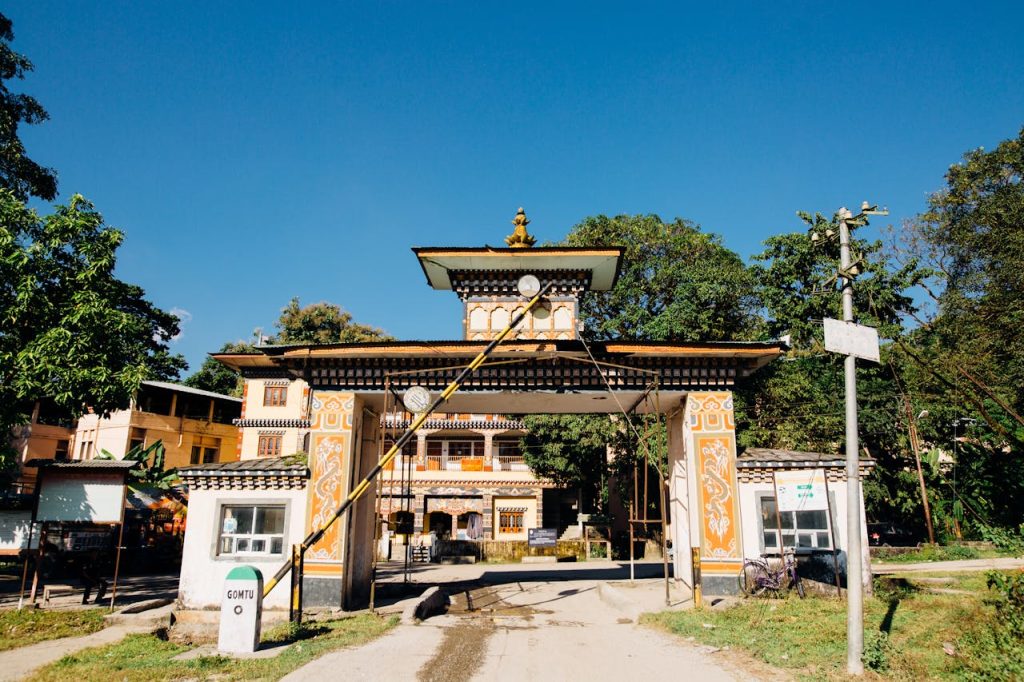
Bhutan is built for slow travel, with winding roads, quiet monasteries, and hikes that make time feel generous. The most memorable days are not spent browsing, but climbing to Taktsang, lingering near Punakha’s rivers, and watching prayer flags snap in clear air on a high pass. Thimphu’s markets are small and human-scaled, fine for a woven scarf or tea, yet the real pull is calm attention: butter-lamp glow, soft chants, and simple meals shared slowly in family-run lodges. Even the road itself feels like part of the visit, with short stops for viewpoints, small temples, and tea breaks that keep the day unhurried.
Nepal
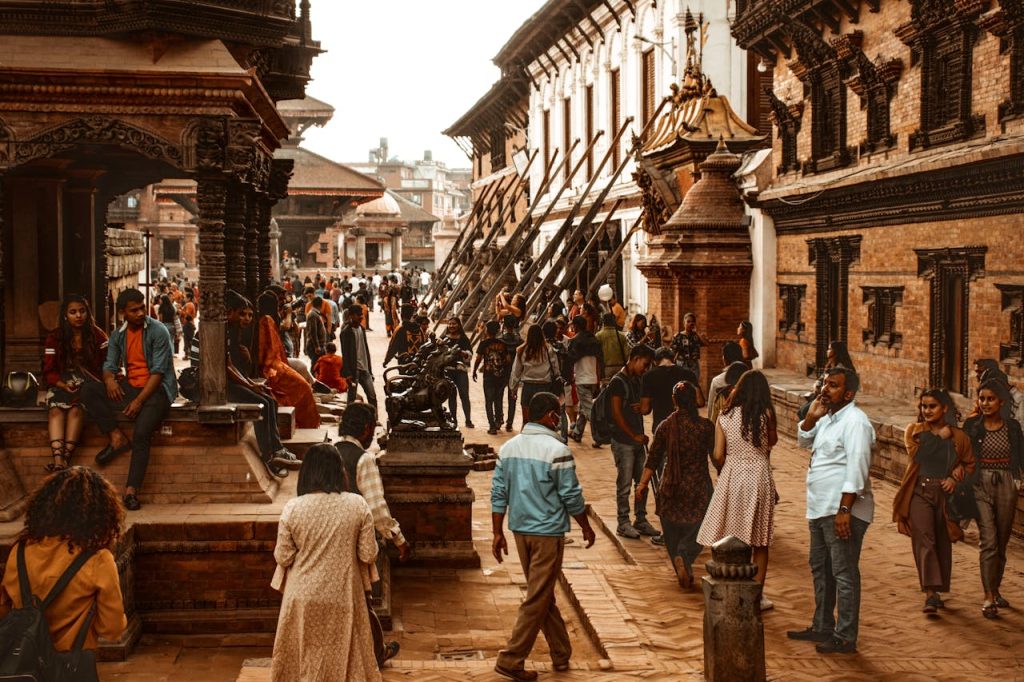
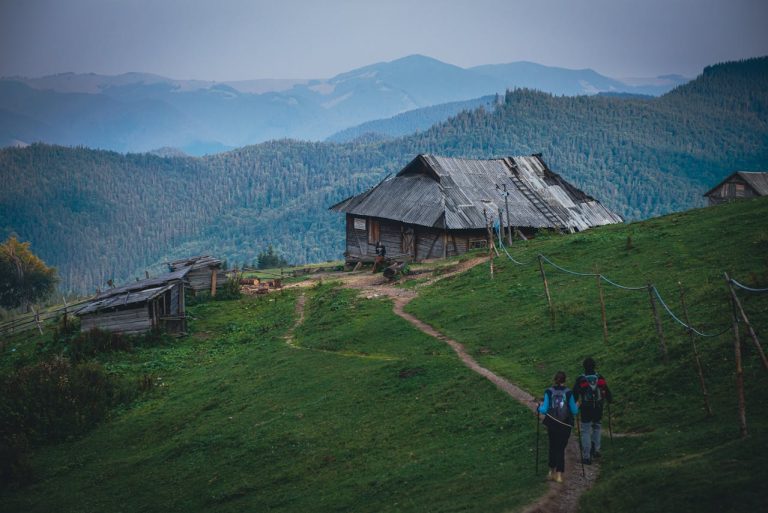
Nepal turns travel into a walking rhythm, where trail reports, permits, and tea-house nights matter more than storefronts. On routes in the Annapurna region or toward Everest, the day’s real checklist is weather, altitude, and the next village, with suspension bridges, prayer wheels, and long stone steps setting the tempo. Kathmandu’s bazaars can be lively, but what lingers is quieter: incense in a courtyard, bells at dusk, and the steady satisfaction of reaching dinner with tired legs and a warm bowl of dal bhat. Mornings start early, and the mountains decide the pace, which is exactly why the trip feels clean and focused.
Costa Rica
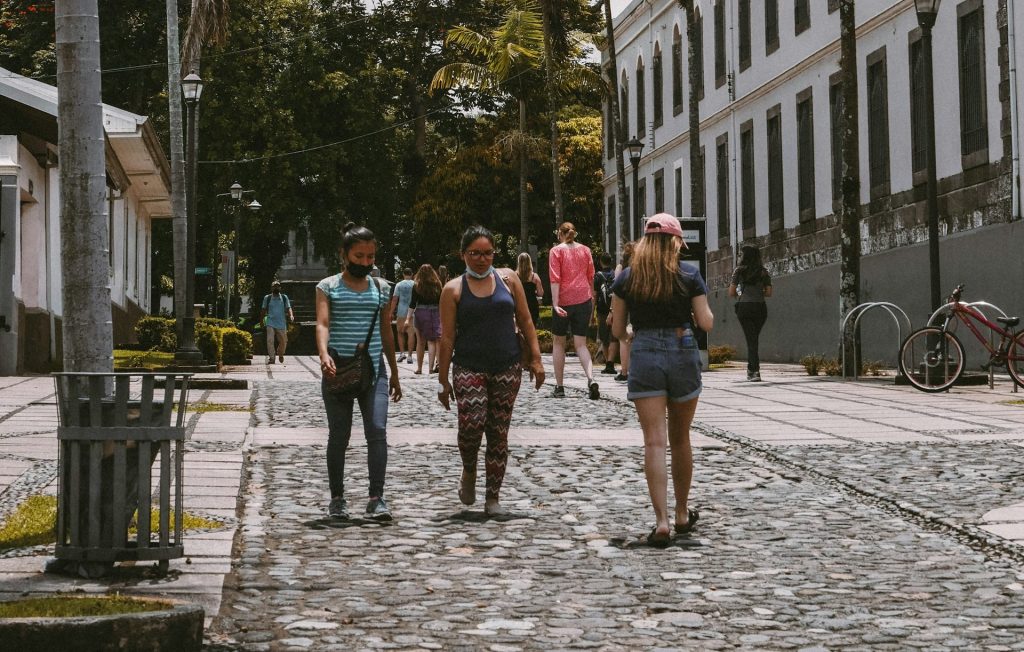
Costa Rica’s best souvenirs are sightings, not shopping bags, because so much of the country is protected as parks and reserves. Arenal, Monteverde, and the Osa Peninsula reward early starts and quiet waiting, when toucans flash through canopy, monkeys trade calls across branches, and a guide turns a muddy track into a story about seasons and rivers. Beach towns sell surf basics and small crafts, but the trip’s real currency is time outside, from a night walk for frogs to a slow coffee tasting that ends with birdsong, not receipts. Afternoon rain often presses a pause button, making naps and porch watching feel like part of the plan.
Iceland
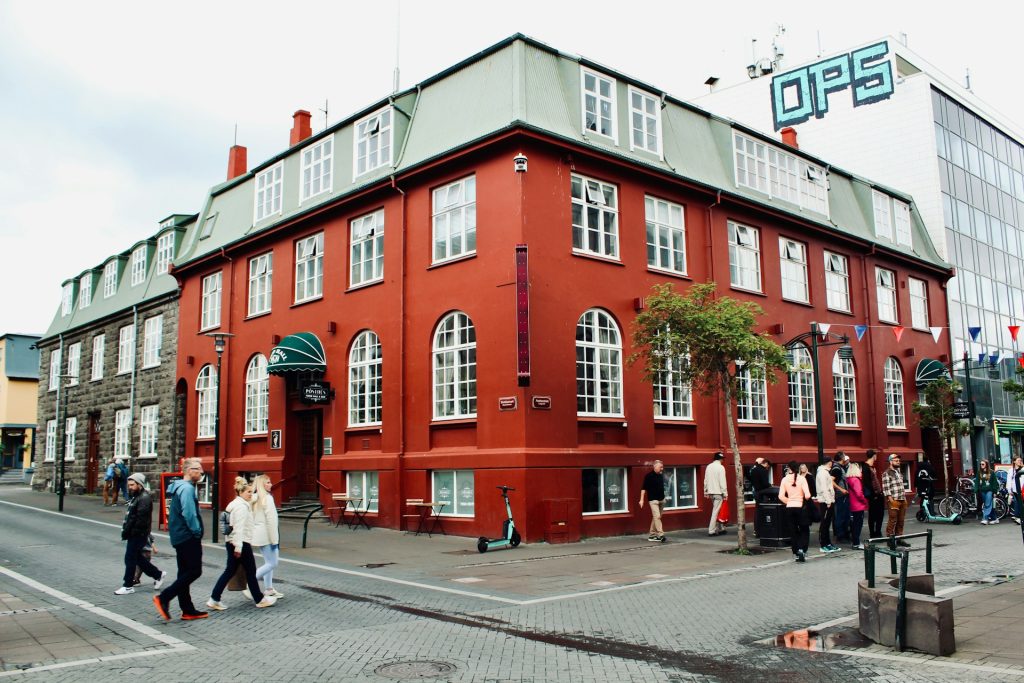
Iceland makes shopping feel secondary because the landscape keeps rewriting the itinerary in real time. A short drive can trade lava fields for glacier views, then end beside a waterfall loud enough to swallow conversation, and the next stop might be a geothermal pool where everyone settles into the same quiet. Reykjavík has strong design shops, but most trips are built around black-sand beaches, weather windows, and light, whether it is summer’s late glow or winter’s pale noon. Roadside soups, slow walks, and warm soaks become the day’s real luxury, and the mind stays on wind, water, and sky.
Namibia
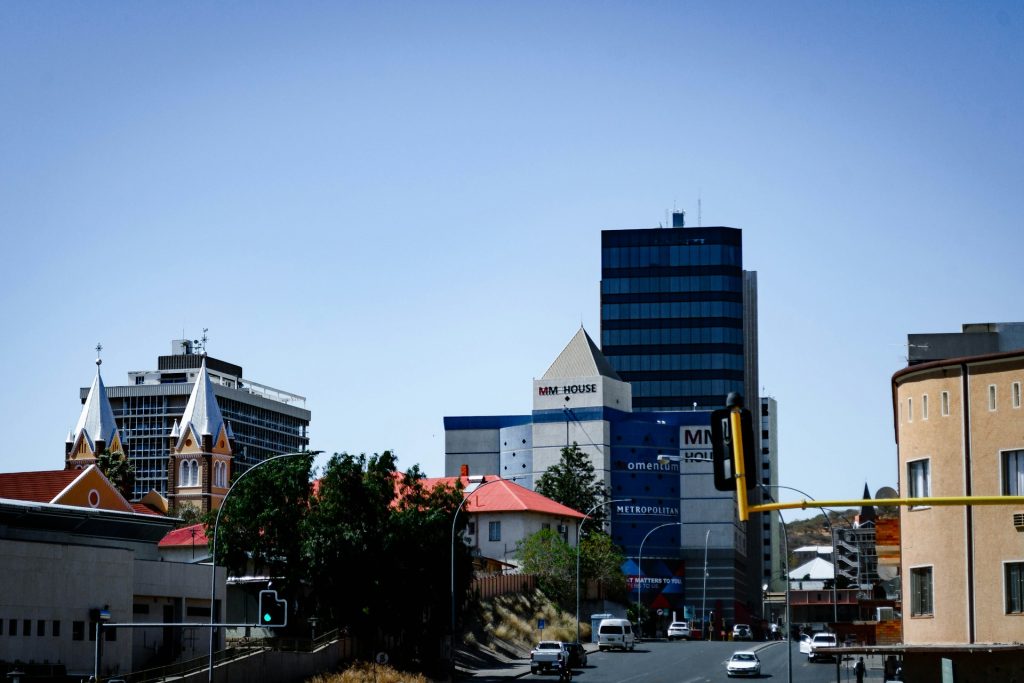
Namibia is a place where the horizon does the talking, and travel days are shaped by distance, light, and air that feels newly washed. Sossusvlei dunes, gravel plains near Swakopmund, the Skeleton Coast, and Etosha’s waterholes reward long pauses, when a single elephant visit, a line of oryx, or a sudden wind shift can define the whole afternoon. Many routes include community conservancies, so guides speak like caretakers, not sellers, and evenings settle into campfire coffee, quiet stories, and stars bright enough to make buying feel beside the point. Sunrise drives and picnic lunches keep the focus on land, not what fits in a bag.
Mongolia
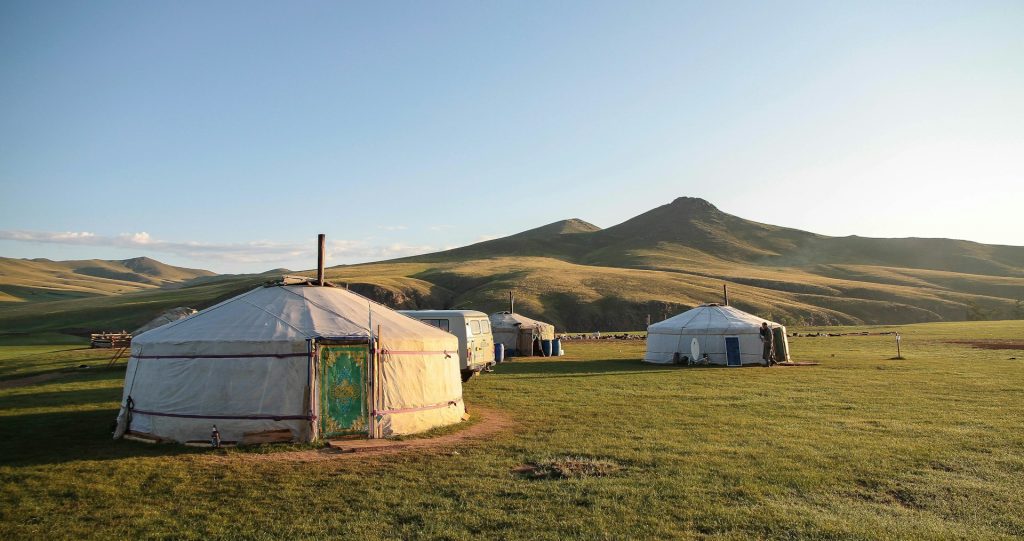
Mongolia shifts the focus from buying to belonging, because the trip’s center is hospitality, weather, and open space that stretches for miles. Long drives across the steppe end in ger camps where salty milk tea, dumplings, and stove warmth matter more than any souvenir, and hosts treat conversation and a second cup as the real exchange. In July, Naadam celebrations, often held July 11 to 13, bring wrestling, archery, and horse racing into public view. Between towns, the Orkhon Valley and the Gobi deliver wide quiet where a short ridge walk can feel like the day’s headline. Nights end under big stars, with the wind doing most of the talking.
New Zealand
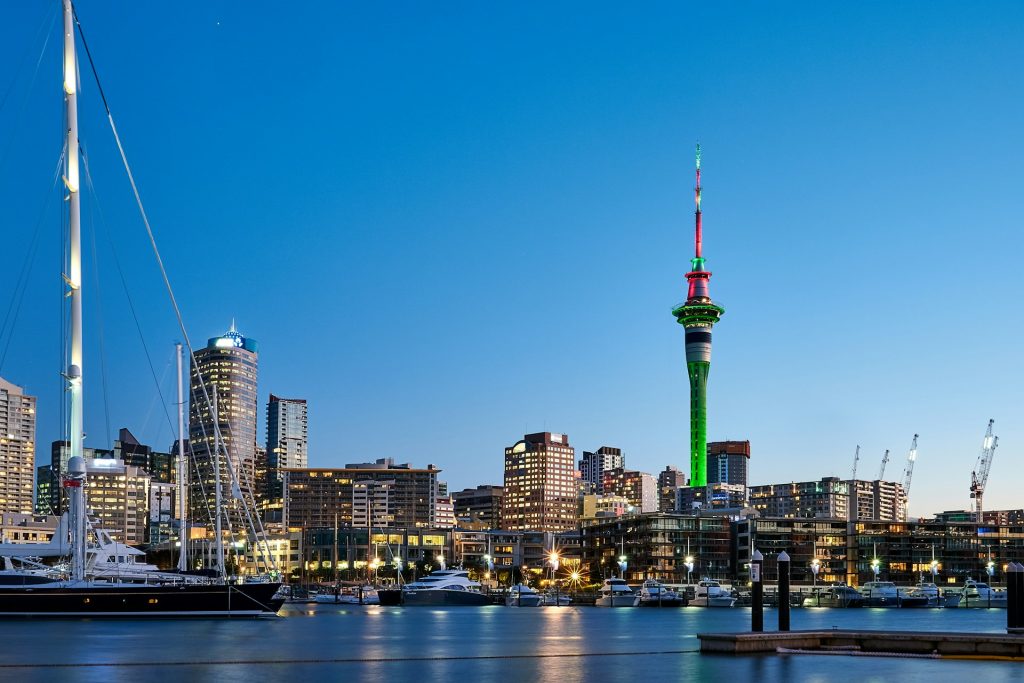
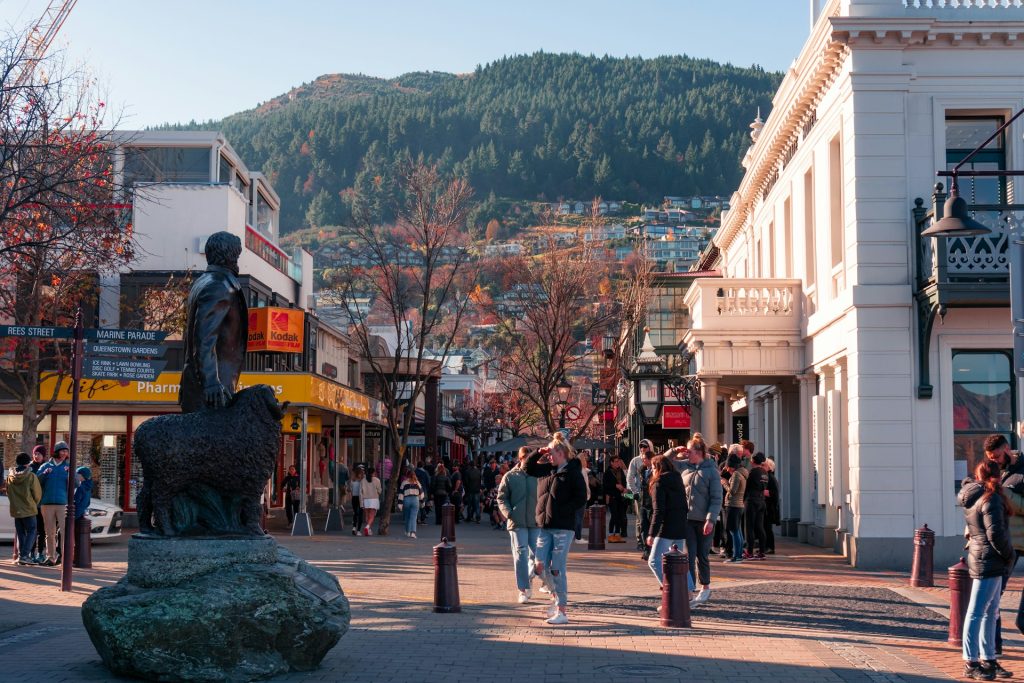
New Zealand is built around getting outside, not carrying things home, so plans often start with maps, tides, and trail weather. Multi-day routes and well-managed tracks pull travelers into a steady routine of ferry rides, hut nights, and miles through beech forest, alpine passes, and coastal sand, with Fiordland rain or Abel Tasman sun deciding the pace. Towns have cafés and small galleries, but the lasting imprint is physical: wet boots by the door, a thermos of tea, and the calm satisfaction of a day measured in footsteps, birdsong, and fresh air, not purchases. Dinner can be pie and early sleep, because tomorrow’s view is the reward.
Slovenia
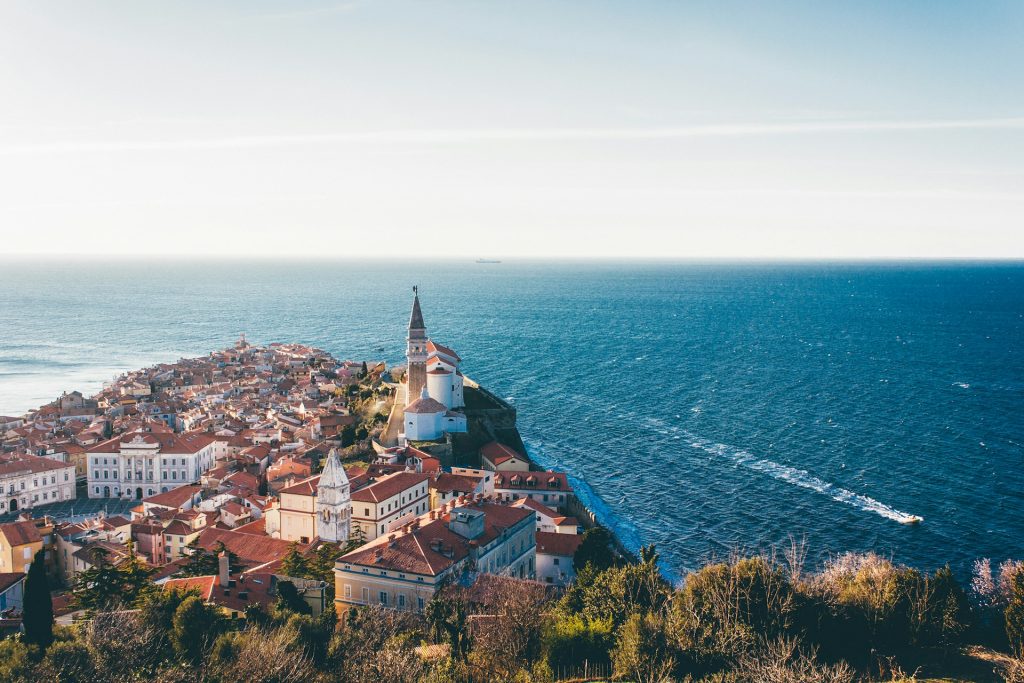
Slovenia feels like a reset for travelers who want days shaped by scenery and meals instead of shopping circuits. Its compact size makes it easy to move by train, bike, or short drives between lakes, vineyards, and mountain towns, so plans stay light and flexible. Ljubljana’s markets and design stores are charming, but they rarely steal the spotlight from swims near Lake Bohinj, hikes in Triglav, cellar tastings in Brda, and evening walks when the air cools. The day feels complete without extra purchases, because nature and good food already fill the hours. Even a simple riverfront coffee can feel like an event when the pace stays quiet.
Oman
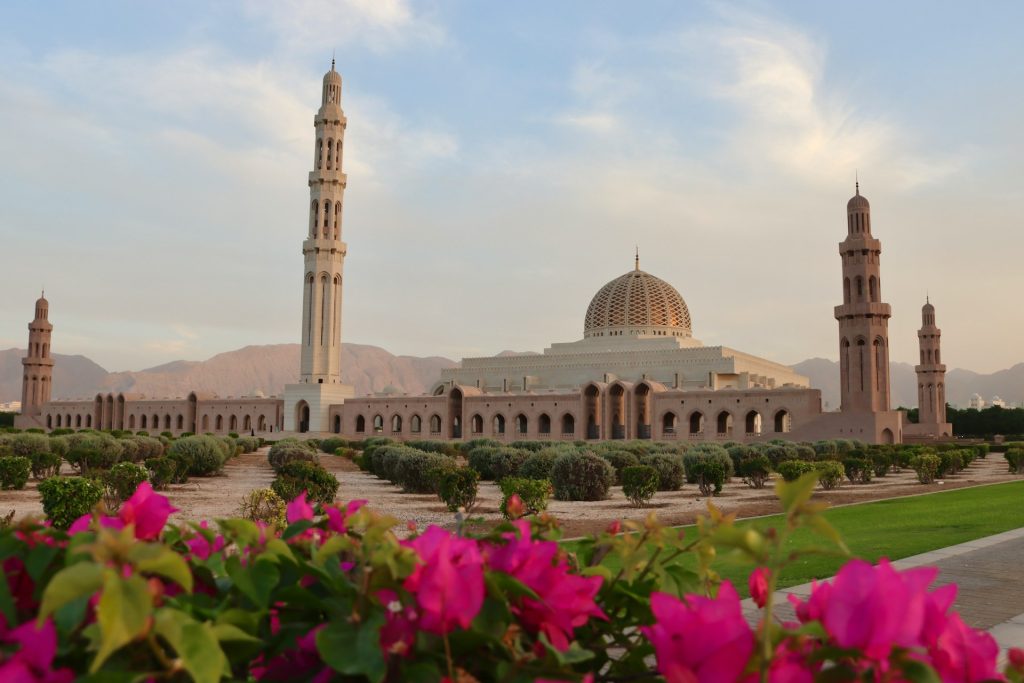
Oman’s travel rhythm is set by variety and quiet hospitality, so a week can feel full without a single shopping mission. Muscat’s corniche leads to forts in Nizwa, cooler terraces on Jebel Akhdar, deep viewpoints on Jebel Shams, and wadis like Wadi Shab where clear water invites a long swim. Then come dunes where evenings settle into coffee and conversation under a wide sky. Souqs sell frankincense and silver, but buying stays optional; the stronger pull is the drive itself, date palms, fishing boats at dawn, and the calm sense that the land sets the agenda. Pack sandals, water, and patience, and the days fall into place easily.
Madagascar
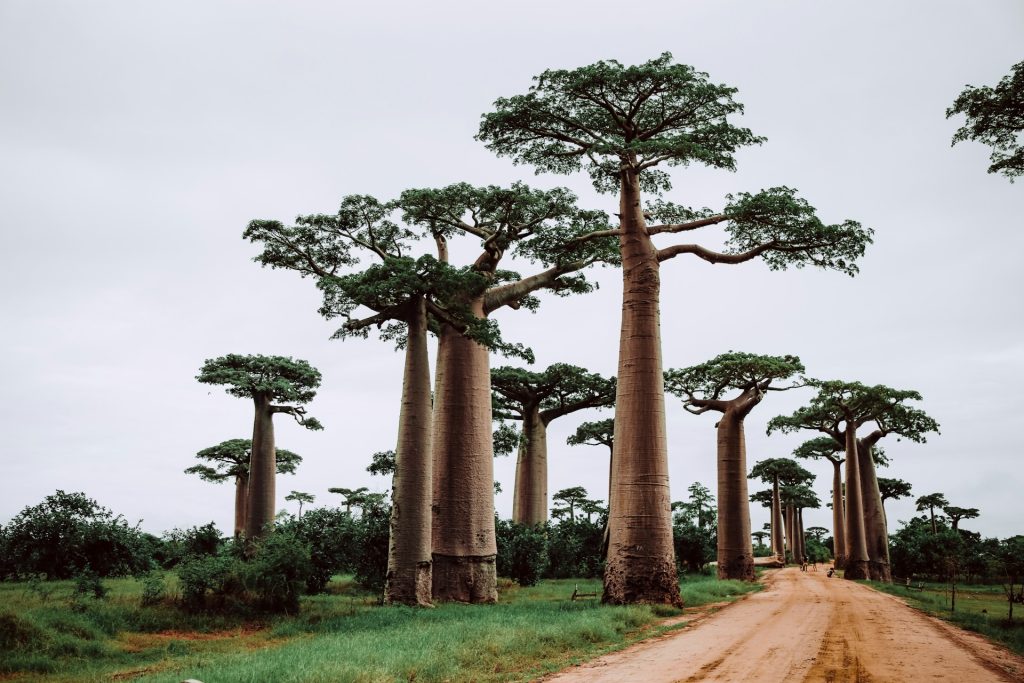
Madagascar pulls attention away from storefronts and toward living variety found in few other places. Rainforests around Andasibe echo with lemur calls, the Tsingy’s stone spires turn hikes into puzzles, and baobab avenues make evening light feel theatrical. Reef days near small islands slow the clock, especially when local guides point out what hides in plain sight. Roads can be slow, which teaches patience and makes each park visit feel earned, and markets stay practical rather than flashy. What lasts is warm sea air, red-earth landscapes, and wonder that does not fit in a suitcase. Even a short visit feels full.