10 Destinations Where Tourism Is Carefully Managed

Travel industry analysts and sustainability experts report that the global tourism landscape has reached a critical tipping point in 2026. Following years of unchecked growth that strained infrastructure and degraded cultural heritage, many of the world’s most sought-after destinations have pivoted toward a model of strict governance. Experts say that these management strategies are no longer optional suggestions but mandatory frameworks designed to protect the integrity of the locations for future generations.
Environmental conservationists and urban planners note that the shift toward managed access involves a combination of daily visitor caps, timed entry systems, and mandatory digital authorizations. By regulating the volume of people at any given moment, authorities aim to mitigate the physical impact of foot traffic and the social friction between visitors and residents. Understanding these specific regulatory landscapes is now a primary requirement for any traveler hoping to navigate the world’s most delicate environments responsibly.
Bhutan

Tourism council officials in the Himalayan kingdom have long pioneered the concept of high-value, low-volume travel to preserve their unique cultural identity. In 2026, the government continues to enforce a substantial Sustainable Development Fee for all international visitors, which directly funds free education and healthcare for the Bhutanese population. This fiscal management tool ensures that every traveler contributes to the nation’s well-being while naturally limiting the volume of arrivals to those committed to the country’s values.
Bhutanese forestry officials and cultural guides maintain strict control over movement within the country, requiring most travelers to book through authorized agencies. This oversight prevents the unauthorized development of tourist infrastructure in sensitive areas and ensures that hiking trails remain pristine. Experts observe that this top-down approach has successfully shielded the kingdom from the homogenization often seen in other major mountain destinations.
Venice In Italy
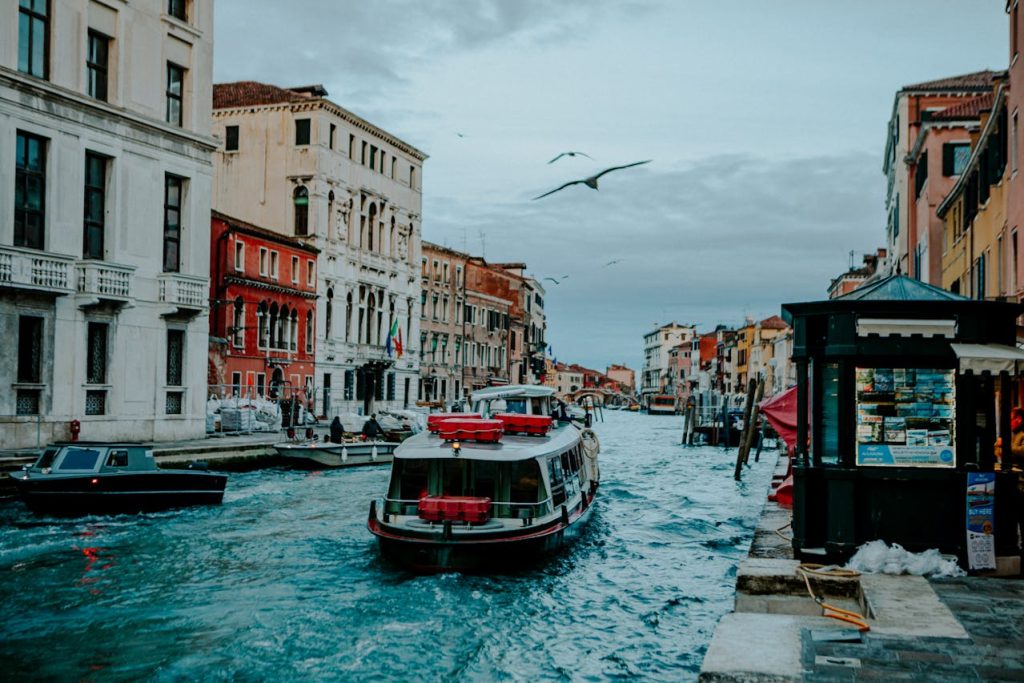
Municipal authorities and heritage preservationists in Venice have expanded their pioneering entry fee system for 2026 to include sixty specific peak dates between April and July. Day-trippers are now required to reserve their entry in advance and pay a fee that increases for late bookers, a move designed to discourage hit-and-run tourism. City officials utilize a network of smart cameras and a dedicated control room to monitor pedestrian density and prevent dangerous bottlenecks on narrow bridges.
Logistics experts note that the implementation of a QR code system for entry has fundamentally changed the arrival experience at train stations and bus terminals. Random checks throughout the historic center enforce compliance, with heavy fines for those found without a valid reservation. By creating a digital gate for the city, Venice aims to reclaim its streets for residents while ensuring that the physical burden on the ancient foundation is strictly metered.
The Galapagos Islands In Ecuador
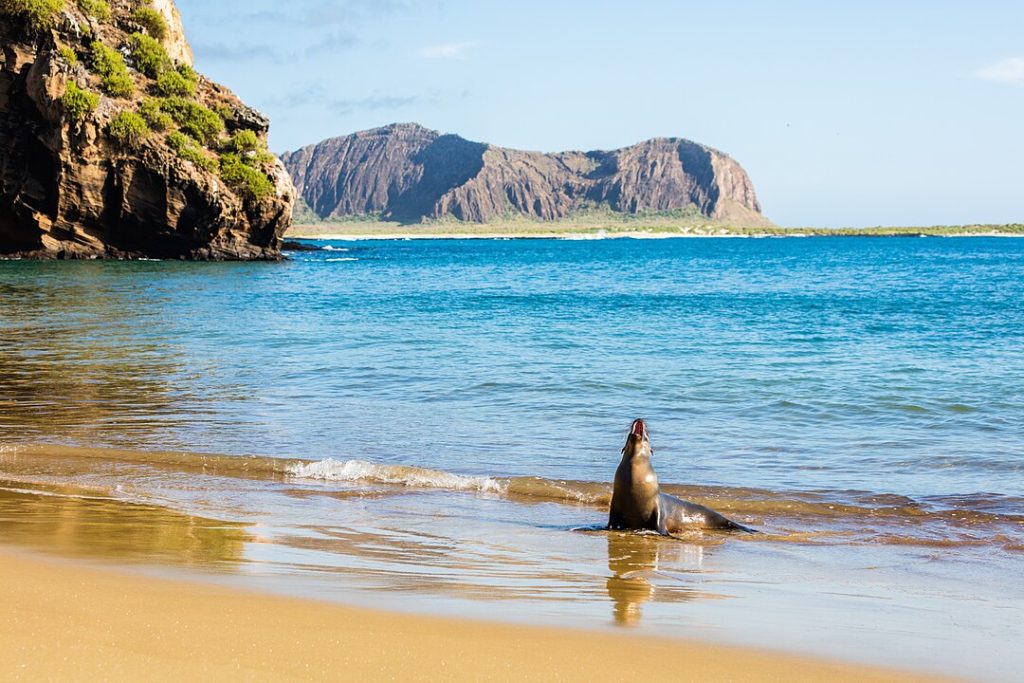
National park rangers and biosecurity inspectors in the Galapagos have introduced new, mandatory online declarations for all travelers starting in 2026. This digital transition aims to eliminate paper waste and strengthen the screening process for invasive species or prohibited organic materials. Aviation logistics coordinators note that the entry fee for foreign visitors has also been significantly increased to fund the high cost of maintaining the archipelago’s unique biodiversity.
Naturalist guides emphasize that every visitor must adhere to strictly defined itineraries that dictate which islands can be visited and at what time. This spatial management ensures that the human footprint is distributed evenly across the fragile ecosystem, preventing the over-saturation of any single wildlife site. Experts say that these rigorous controls are the primary reason the islands remain one of the most pristine wilderness areas on the planet.
Machu Picchu In Peru
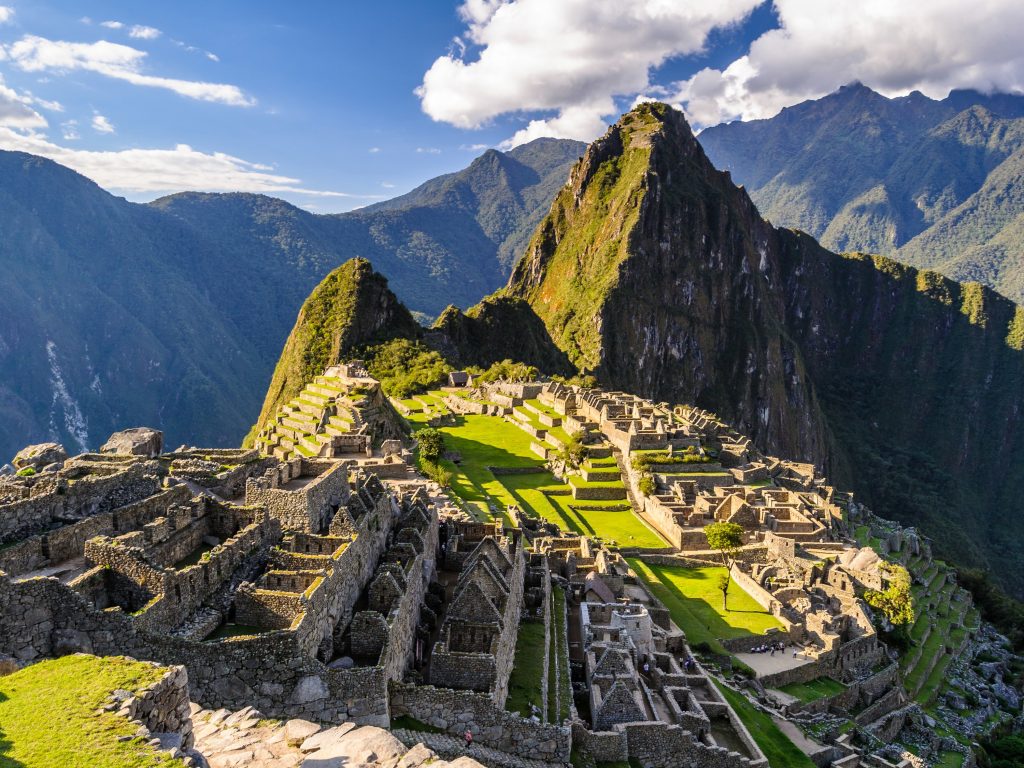
Ministry of Culture officials and archaeological site managers have implemented a rigid circuit system that divides the Incan citadel into specific, one-way paths. In 2026, travelers must select their circuit and precise entry time months in advance, as tickets for the most popular routes often sell out immediately upon release. Safety inspectors enforce a maximum visit duration of four hours per circuit, preventing the congregation of crowds that could damage the ancient masonry.
Aviation and transport consultants warn that the logistics of visiting the site are now more complex than ever, with Inca Trail permits no longer automatically including citadel entry. Mandatory guide requirements for large groups and strict prohibitions on items like tripods and drones ensure that the site remains a place of reverence. These measures reflect a broader commitment to stabilizing the structural health of the ruins while providing a more orderly experience for those who secure access.
Lord Howe Island In Australia

Environmental monitors and island board administrators in New South Wales enforce one of the world’s most famous visitor caps, limiting the total number of tourists to just four hundred at any given time. This hard limit is physically enforced by the limited number of available beds on the island, meaning that travel is impossible without a confirmed accommodation booking. Experts say that this cap preserves the island’s UNESCO World Heritage status and protects its rare endemic flora and fauna.
Biosecurity officials on the island also require visitors to undergo gear cleaning and inspections to prevent the introduction of pathogens like cinnamon fungus. The local community has embraced a slow-travel philosophy, where bicycles are the primary mode of transport and noise pollution is strictly managed. This level of island-wide cooperation ensures that the resident experience and the tourist experience remain in perfect, sustainable balance.
Antarctica
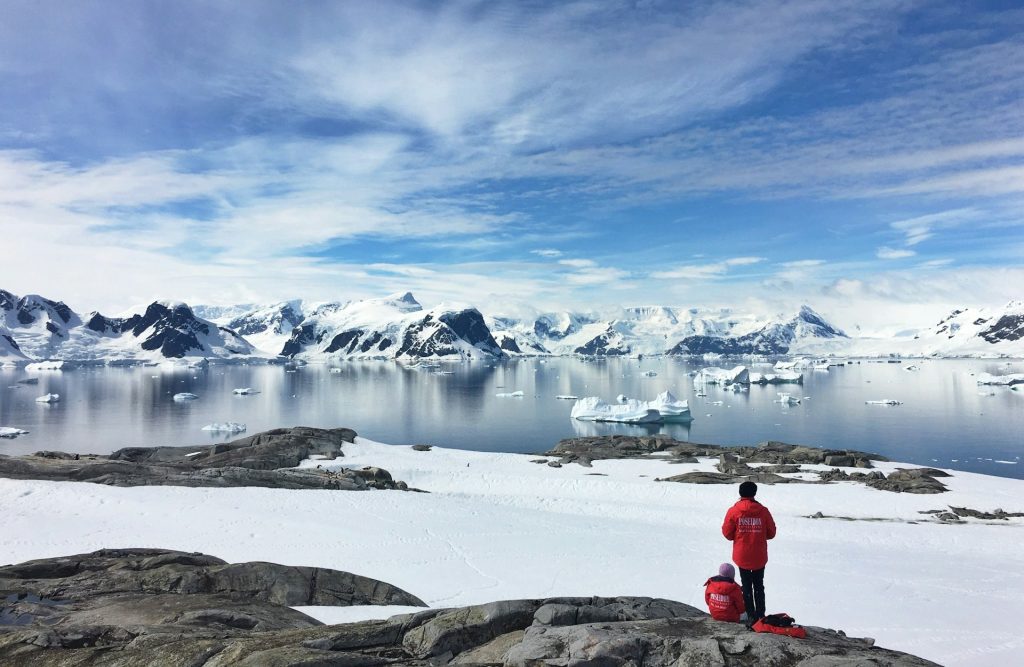
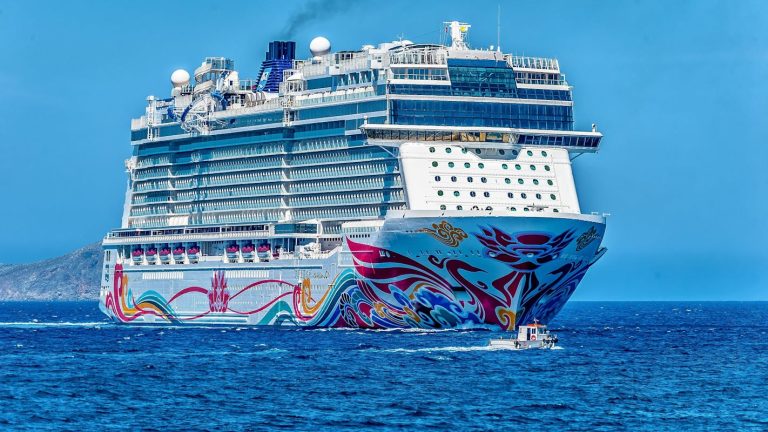
Polar logistics experts and the International Association of Antarctica Tour Operators maintain a highly coordinated management framework for the White Continent. Every vessel operating in the region must adhere to strict protocols regarding passenger landing numbers and the proximity of ships to wildlife colonies. Experts note that in 2026, the use of geofenced whale protection areas and mandatory vessel slowdowns has become a standard requirement for all expedition operators.
Biosecurity officers on these ships enforce rigorous cleaning of all clothing and equipment before any landing to prevent the transfer of seeds or microbes between different Antarctic sites. The management of tourism here is unique because it relies on international treaties and voluntary industry compliance to protect the largest wilderness on earth. This self-regulation ensures that the impact of the growing cruise industry remains within the strict limits set by scientific advisors.
Amsterdam In The Netherlands
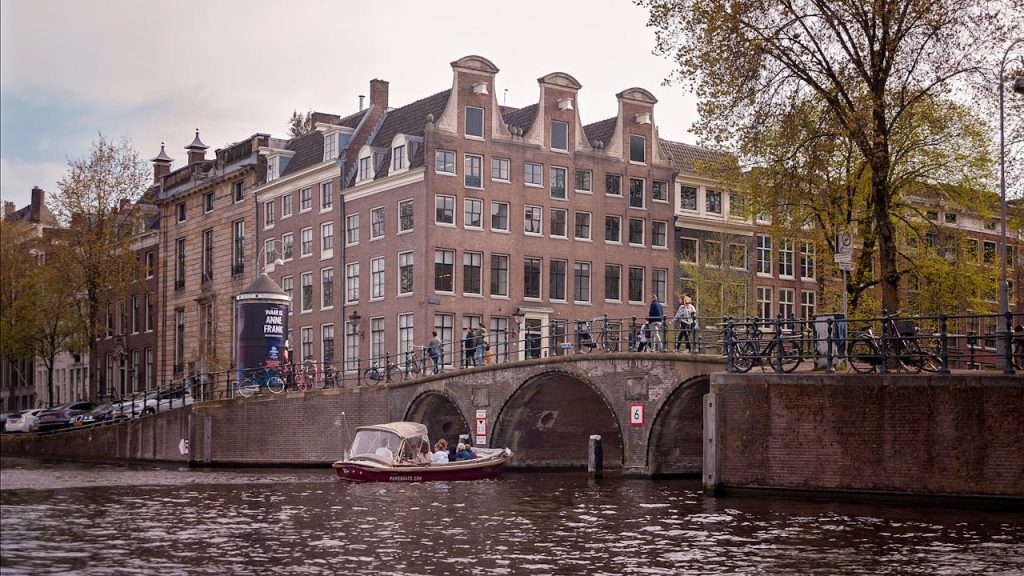
Urban planners and municipal officials in Amsterdam have enacted a hardline Tourism in Balance policy that includes an annual cap of twenty million tourist overnight stays. The city has also banned the construction of new hotels unless an existing facility of equal size closes, effectively freezing the net supply of rooms in the historic center. Security analysts observe that the ban on large cruise ships from the central port has also significantly reduced the influx of day-trippers in the canal ring.
Economic analysts highlight that the city has raised its tourist tax to some of the highest levels in Europe to prioritize high-value travel over budget tourism. Targeted nuisance ordinances, including bans on street smoking in certain areas and restrictions on disruptive nightlife, aim to restore order to residential neighborhoods. These combined measures signal a clear shift in the city’s strategy from attracting volume to managing quality and livability.
Mount Everest In Nepal

Department of Tourism officials and high-altitude safety experts in Nepal have overhauled the mountaineering policy for the 2026 climbing season. New regulations require all climbers to provide documented proof of having summited a peak of at least 6,500 meters before being eligible for an Everest permit. This experience requirement aims to reduce the number of novice climbers who create dangerous bottlenecks in the death zone.
Environmental inspectors now enforce a mandatory garbage deposit and require all climbers to carry back their own waste, including human waste in specific biodegradable bags. The increased permit fees and higher insurance requirements for guides reflect a broader effort to professionalize the industry and fund better mountain rescue services. These management changes prioritize the safety of the Sherpa teams and the ecological health of the world’s highest peak.
The Seychelles
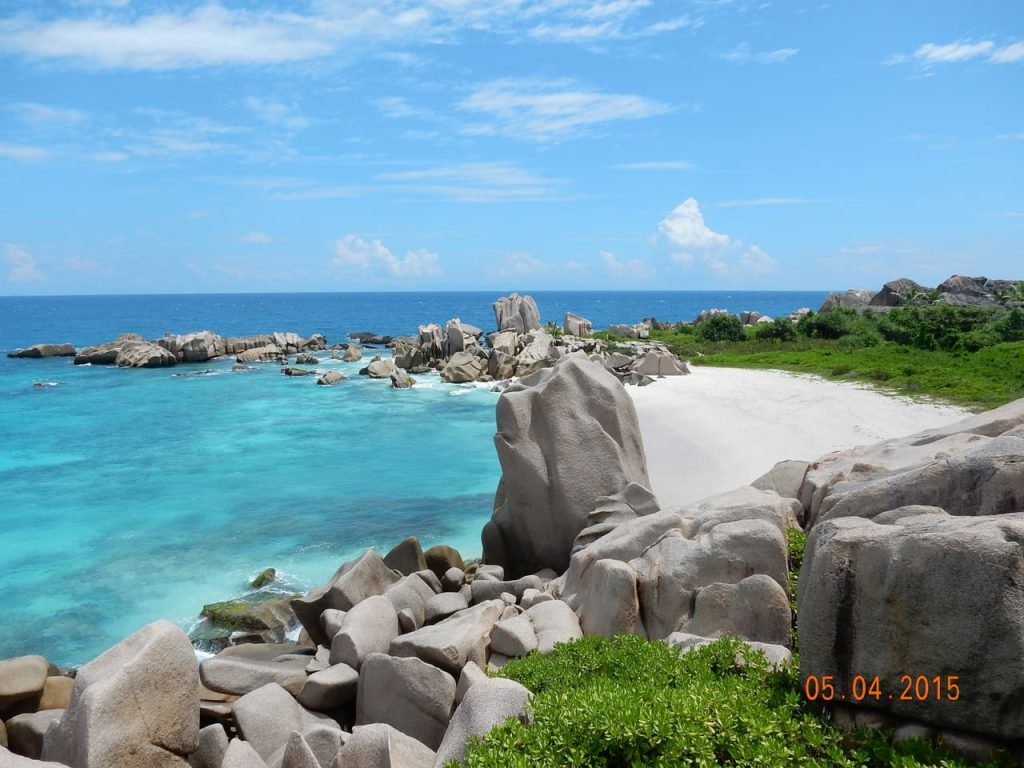
Ministry of Environment officials and tourism board administrators have implemented a tiered Environmental Sustainability Levy that took effect in January 2026. This levy is charged per person per night and varies based on the size of the accommodation establishment, with funds earmarked for the protection of the island nation’s coral reefs and coastal forests. Small, locally-owned guesthouses are exempt from the fee to support the domestic economy while larger international resorts contribute more heavily.
Marine conservationists emphasize that the management of the Outer Islands is even more restrictive, with caps on the number of guests allowed on private island resorts. This tiered approach allows the government to generate the necessary revenue for conservation while keeping the human impact on sensitive marine parks to a minimum. Experts observe that this fiscal strategy has made the Seychelles a global leader in funding climate resilience through tourism.
Palau
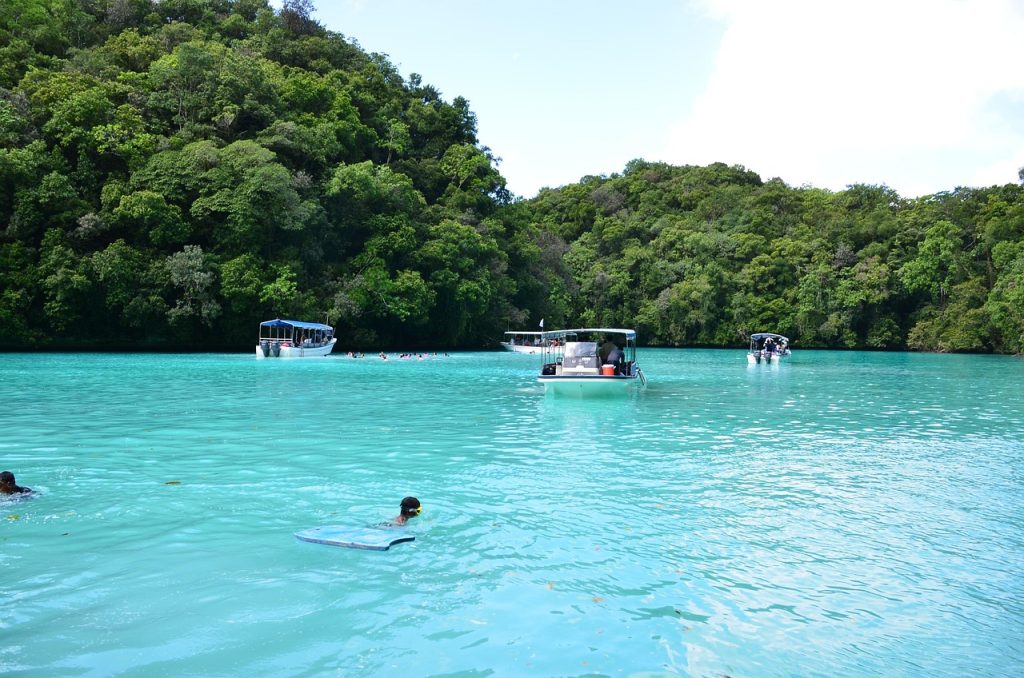
Immigration officials and environmental educators in Palau require every visitor to sign the Palau Pledge upon arrival, a legal promise stamped into their passport to act in an ecologically responsible manner. This behavioral management tool is supported by the Responsible Tourism Education Act, which prohibits reef-toxic sunscreens and single-use plastics across the entire island nation. Experts say that this moral and legal framework turns visitors into active stewards of the environment from the moment they land.
Fisheries and marine park rangers also enforce a Pristine Paradise environmental fee that is integrated into the airline ticketing process. This revenue supports one of the world’s largest marine sanctuaries, where most of the nation’s waters are completely off-limits to commercial activity. By linking tourism directly to conservation funding and personal responsibility, Palau has created a management model that prioritizes the long-term health of its ocean over short-term economic gains.