10 Historic European Cities Americans Visit Very Differently Than 20 Years Ago
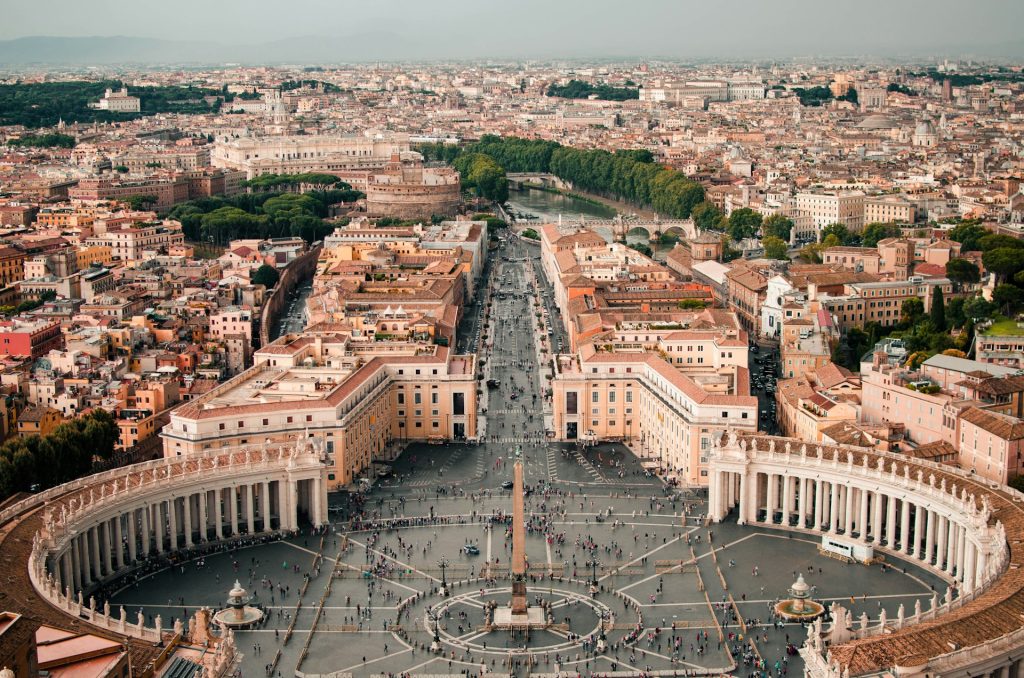
Twenty years ago, many Americans could land in a historic European city with a paper map, a loose plan, and a willingness to stand in line until doors opened. The day might begin in a main square and end in a side street café, guided more by curiosity than schedules.
Now those same old centers run on timed entries, rental rules, and crowd controls meant to keep neighborhoods livable. Phones make planning easy, but they also funnel people to the same corners at the same hour, so the best trips spread out, start earlier, and stay longer in fewer places. History still shows up, just with more structure around it, and a higher premium on calm.
Venice
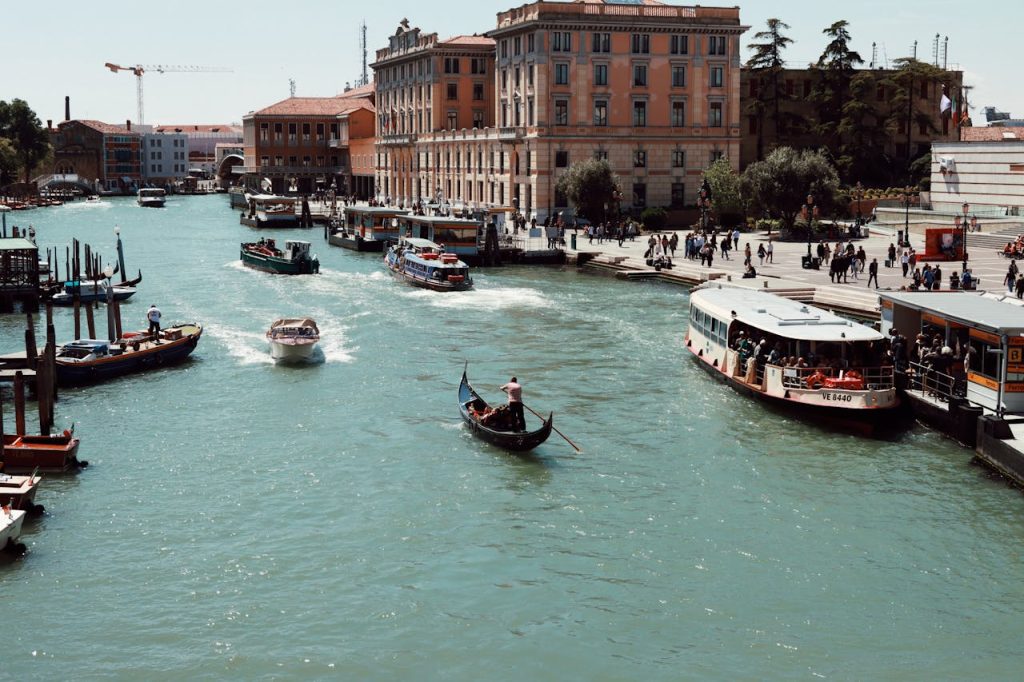
Venice once rewarded a quick loop from the station to St. Mark’s, with a gondola photo and a rushed lunch before day-trippers thickened the lanes. That pace treated the city as a stage set, even though groceries, school runs, and repairs still happen on the same narrow walkways.
Now the visit is more managed, with entry windows at major sights and stronger nudges toward staying overnight. Americans often start at dawn in quieter sestieri, ride the vaporetto like everyday transit, and trade souvenir stops for cicchetti at the counter. The payoff is a Venice that feels less like a crush and more like a living lagoon town. Again.
Barcelona
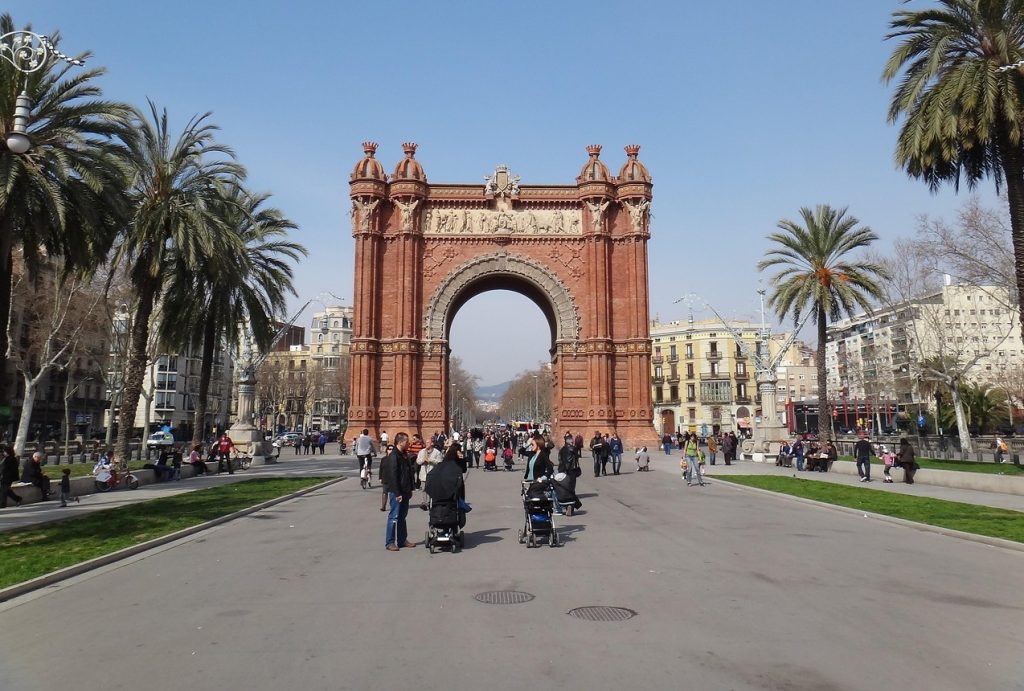
Barcelona used to feel like a cheap, easy long weekend: a central apartment, late dinners, and a fast march through Gaudí highlights. For a lot of visitors, the city was something to consume quickly, with the old center doing most of the heavy lifting.
Today the stay-and-party blueprint runs into firmer rules and louder resident pushback around housing and noise. Americans increasingly book regulated hotels, spread into calmer districts, and treat the famous sights as anchors rather than the whole trip. More time goes to markets, museums, and day trips that give the historic core a breather while keeping the experience rich.
Amsterdam
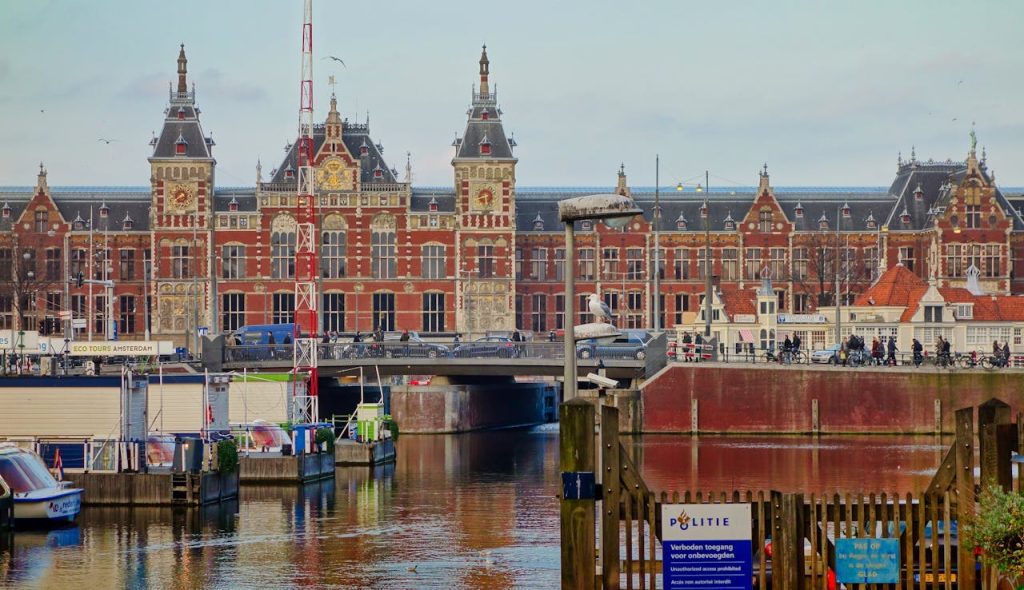
Amsterdam once sold itself as a compact weekend where canals, nightlife, and headline museums could be packed into two days. That rush fed nuisance tourism, and locals felt the squeeze as everyday shops thinned and the center turned into a loop of the same photos and the same crowds.
Now the city signals more boundaries, and visitors feel it in where they sleep, how groups behave, and what the center prioritizes. Americans plan museum entries earlier, stay in neighborhoods like De Pijp or Oud-West, and learn bike-lane etiquette. With slower mornings and fewer late-night laps, the canal city reads as culture first, not a party postcard.
Paris
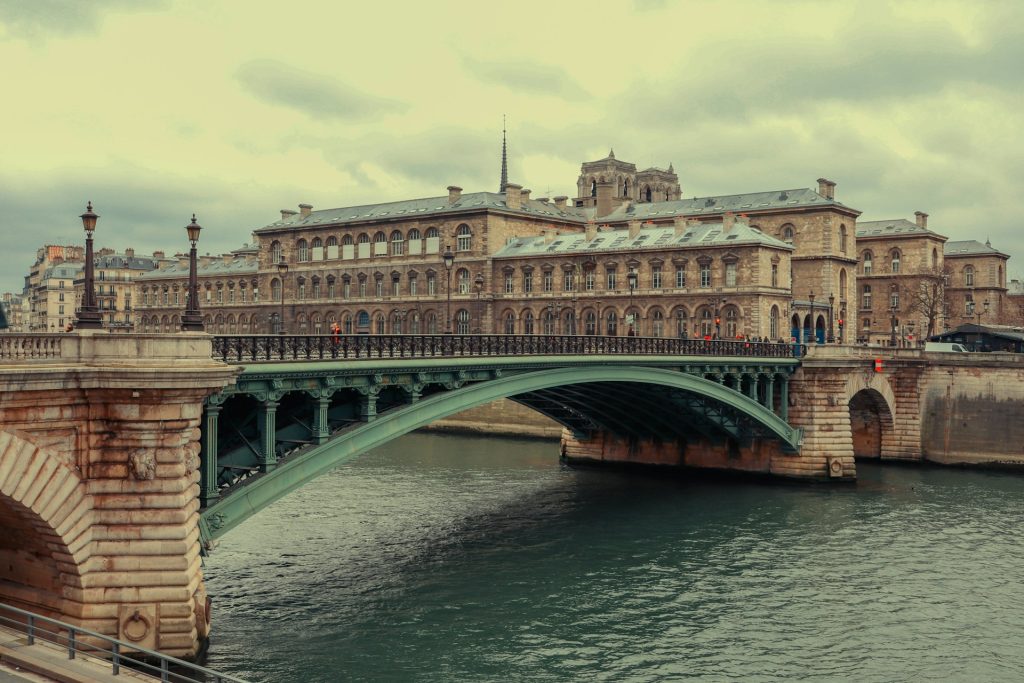
Paris once rewarded drifting: join a long line, duck into a café, then let the day unfold without a strict order. Americans could stack the Louvre, Notre-Dame, and a late Seine walk on instinct, trusting the city to absorb the crowds and still feel romantic by evening.
Now timed entries and security layers shape the biggest stops, turning spontaneity into something that happens between reservations. Americans plan by metro line and neighborhood, mixing one major museum with smaller places to avoid fatigue. Dinner gets booked earlier, and mornings start sooner, because the calm hours are the real prize when the boulevards fill.
Rome
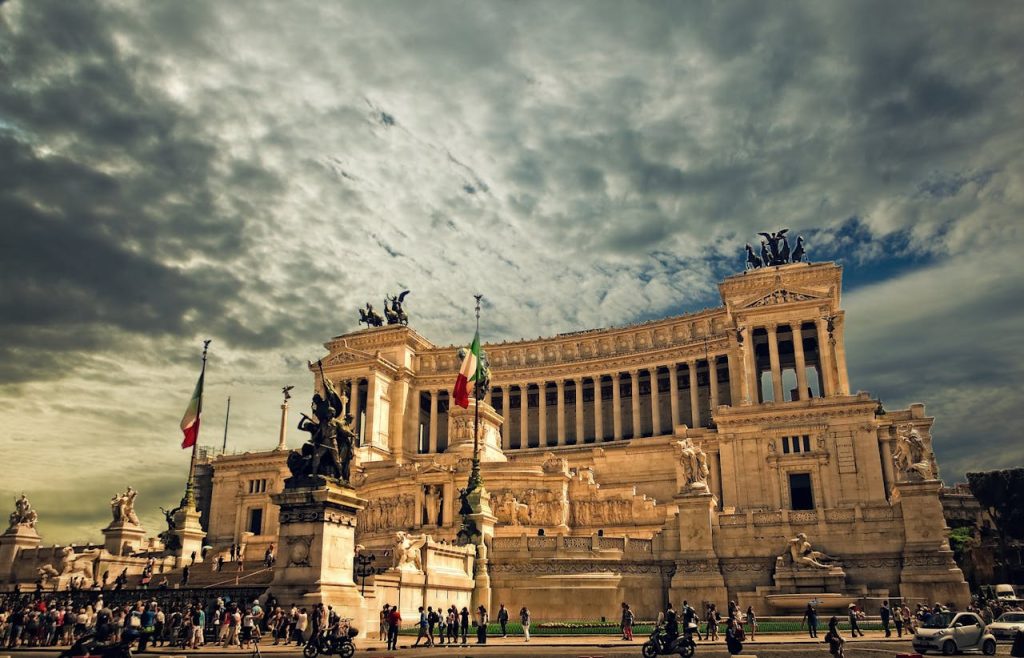
Rome used to run on improvisation: show up at the Colosseum, accept the line, and decide the rest of the day over espresso and a folded map. The city’s scale encouraged zigzags, from the Forum to a quiet church to a trattoria, with history arriving in layers and surprises around corners.
Now ticket rules and time windows push visitors to commit earlier, and to carry a backup plan when slots sell out. Americans often lock in one or two major entries, then protect free hours for long walks, unrushed lunches, and twilight piazza time once crowds thin. The modern Rome trip still revolves around ruins, but the best days feel paced, not pinned.
Athens
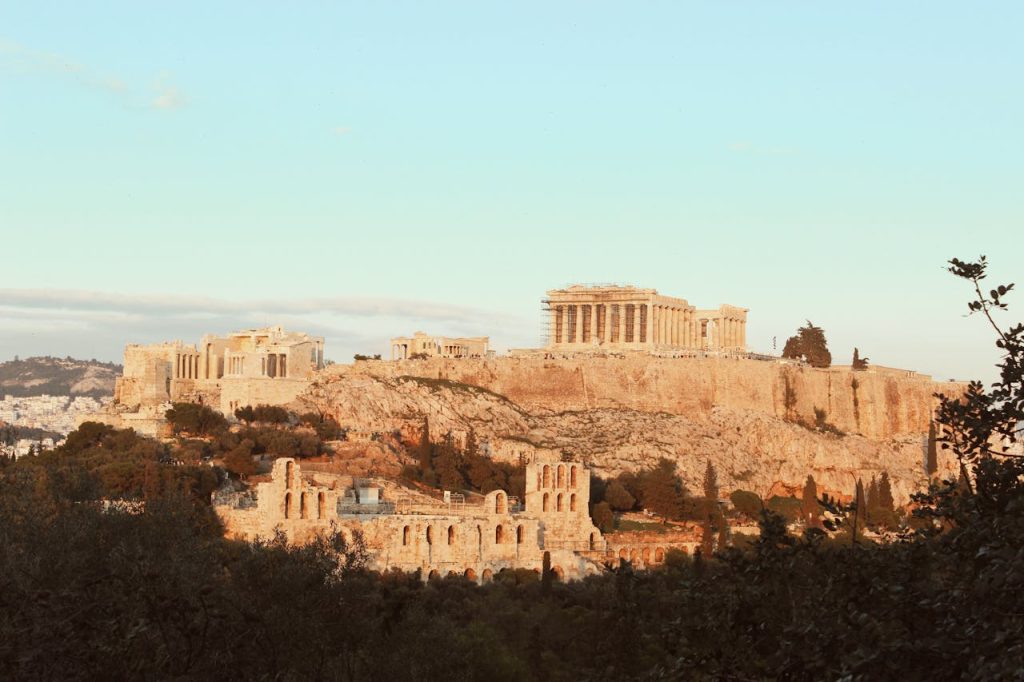
Athens once allowed a casual Acropolis climb whenever the mood struck, even after a long lunch in Plaka and a slow drift through souvenir lanes. Heat and crowds were part of the bargain, but the visit rarely required more planning than showing up.
Now capacity management makes peak-season visits more scheduled, and the hill feels like an appointment instead of a spur-of-the-moment detour. Americans shift to early hours, carry water, and pair the site with the Acropolis Museum for shade and context. The rest of the day often spreads outward to markets, hillside neighborhoods, and a quick coastal ride that resets the pace. Too.
Florence
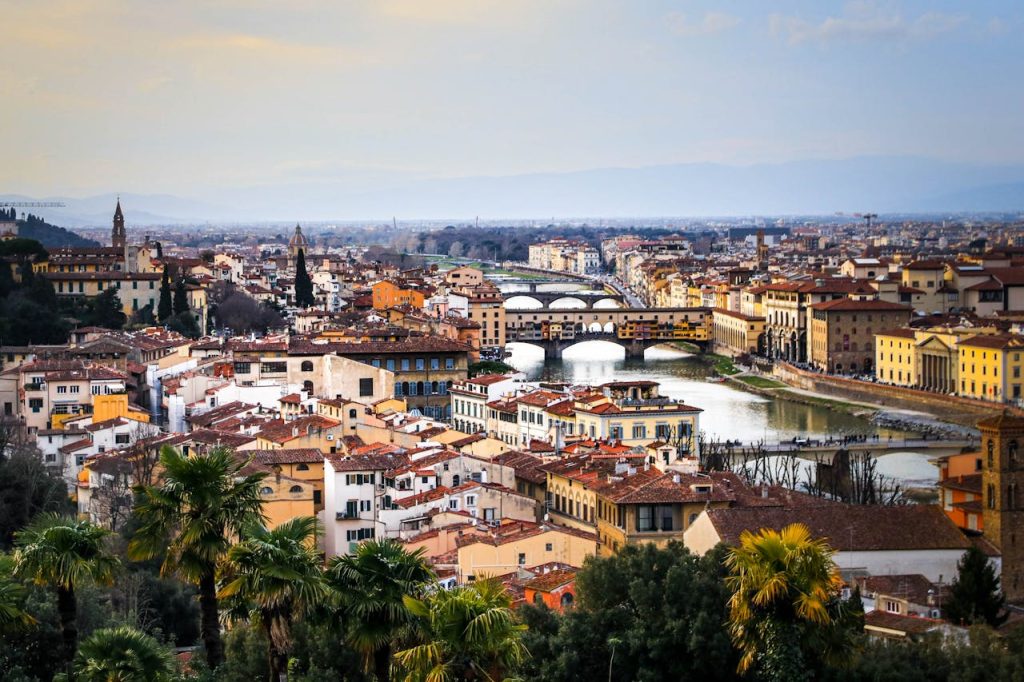
Florence used to be the classic drop-in art stop: arrive by train, join whatever line existed, and let the day be guided by cathedral bells and gallery doors. Even when it was crowded, Americans could still improvise the order and linger wherever the mood landed before dinner.
Now major access is planned earlier, with timed entry at top museums and scheduled climbs that can sell out in busy months. Americans stay longer, pace the Uffizi with quieter churches, and spend more time in Oltrarno workshops, where craft and daily life share the same streets. Florence still runs on beauty, but the best visits feel balanced, not rushed.
Prague
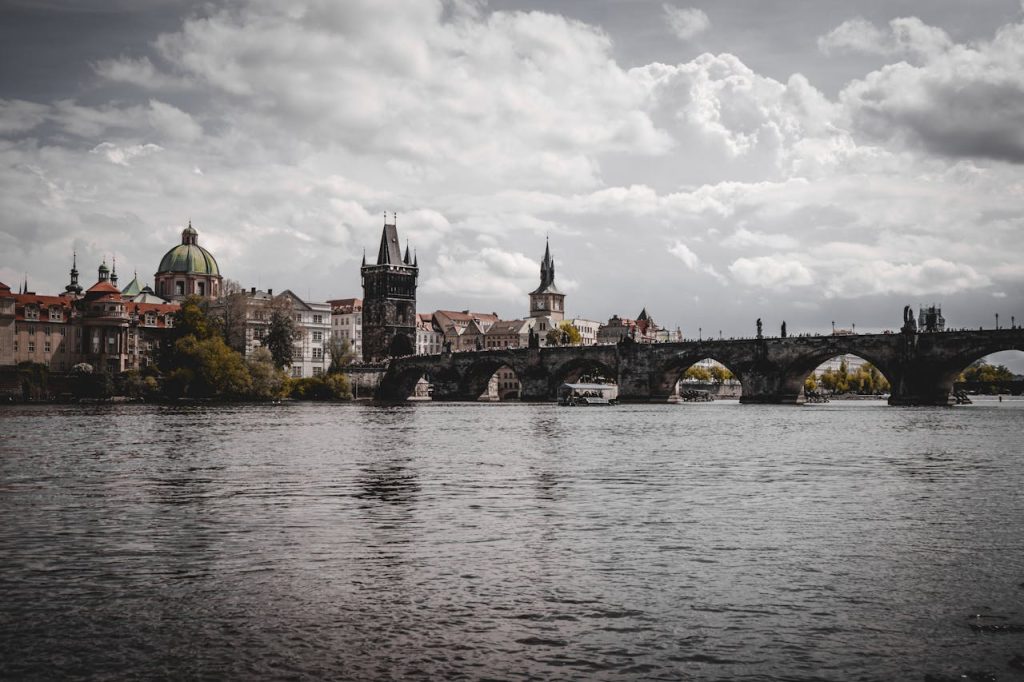
Prague once wore its bargain reputation like a badge, and many Americans arrived expecting castles by day and loud nightlife by night. Short stays piled up in the Old Town, and the center started to feel like a stage set built for quick consumption rather than slow discovery.
Now the city pushes back on late-night churn, and the visitor mix is slowly shifting with stricter rules for organized bar-hopping. Americans lean into architecture walks, concerts, and river neighborhoods, then keep evenings simpler with sit-down meals and smaller pubs. The charm lands better when streets are calmer and the city has room to breathe.
Dubrovnik
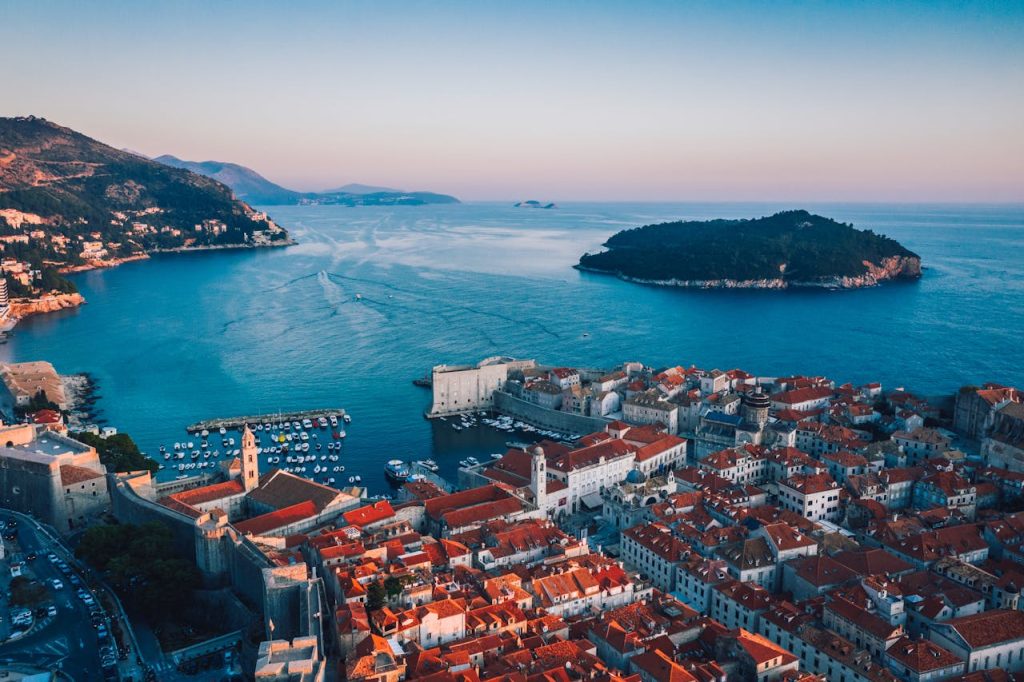
Dubrovnik used to be a quiet Adriatic detour for Americans, a walled city best enjoyed with time and sea air. Then cruise schedules and pop-culture fame compressed the Old Town into peak-hour waves, clogging stone lanes that were never built for modern surges.
Today crowd management is more explicit, with stewards, signage, and constant nudges to keep lanes moving. Americans increasingly stay overnight, walk the walls early, and pair the city with Lokrum or island hops to spread the day. With more time between moments, the place stops feeling like a funnel and starts feeling like a coastal town again after the last excursion leaves.
Edinburgh
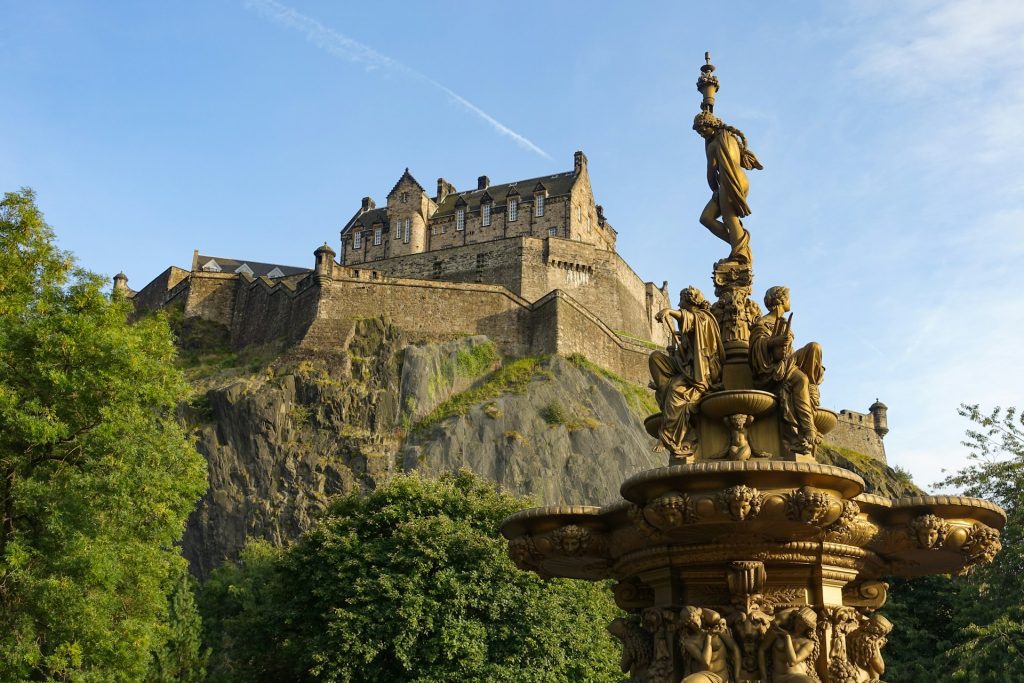
Edinburgh once felt straightforward: book a central room, stroll the Royal Mile, and decide later whether festival tickets were worth the price. Even in August, some Americans could still improvise a short stay and let the city’s pubs, bookshops, and views do the rest.
Now regulation, pricing, and new fees make timing more consequential. Americans plan earlier, spread into Leith or Stockbridge, and treat the city as a base for rail day trips that widen the map without chasing the most central beds. The shift brings fewer last-minute bargains, but it also encourages longer, calmer itineraries that fit the city’s scale. Well.