10 January U.S. Spots That Stay Brutally Real
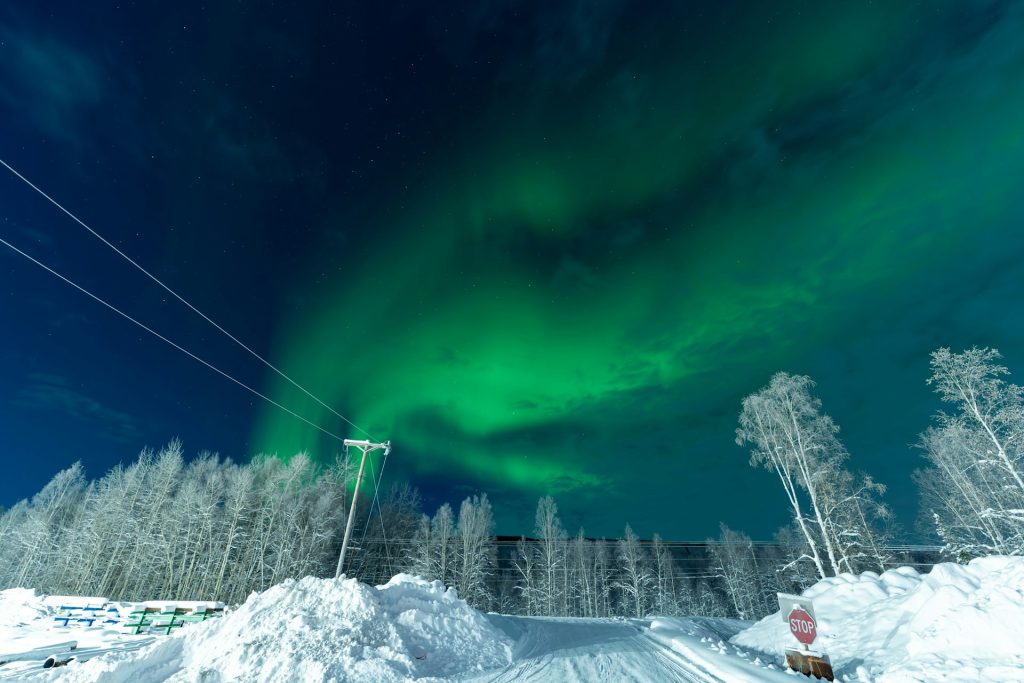
January travel removes the filter. Crowds thin, daylight shrinks, and weather sets a hard tempo, so places have to stand on their own instead of leaning on peak-season buzz and packed calendars.
With fewer distractions, small truths show up: which cafés keep the lights on at seven a.m., which sidewalks get cleared first, and which views still feel worth the cold when wind takes over and the air turns sharp.
These 10 U.S. spots stay brutally real in January, pairing hard light, empty overlooks, and local routines with warm stops that make the short days feel honest, grounded, and complete, every time, without extra fuss at all.
Chicago Lakefront, Illinois
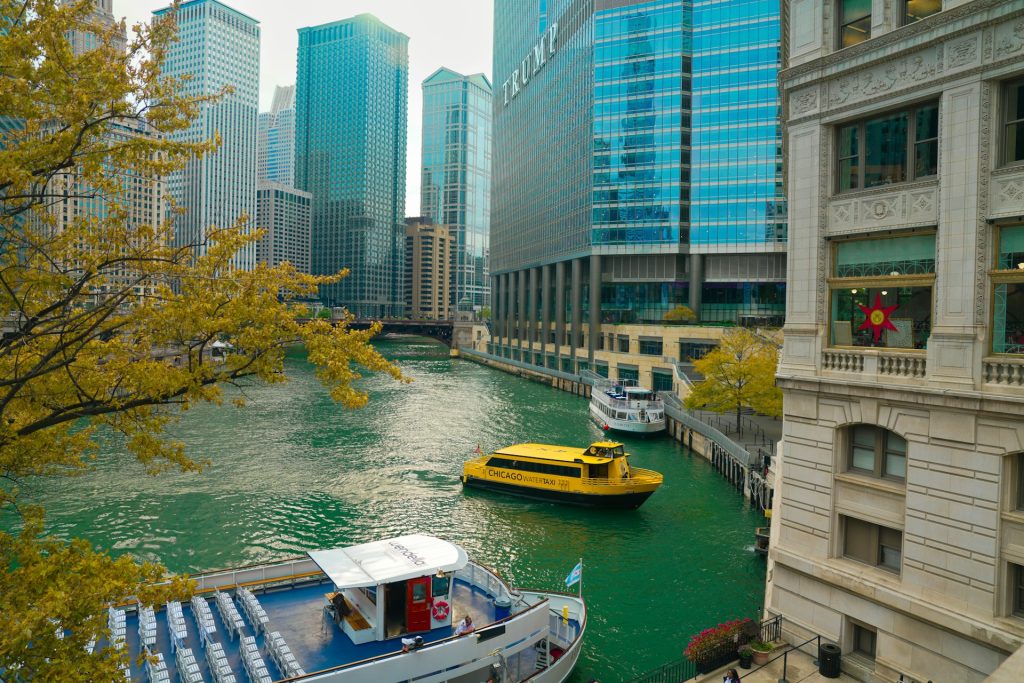
Chicago’s lakefront in January feels like the city has stopped performing. Wind off Lake Michigan scours the paths, the skyline looks etched under pale light, and even a short walk carries purpose. The cold edits distractions, leaving steel, water, and a clean horizon that makes familiar landmarks feel newly drawn.
The payoff sits indoors and in rhythm. Trains keep running, diners stay busy, and neighborhood bars feel more local when the weekend crowd thins. A warm museum hour or a booth in a corner café becomes part of the route, not an afterthought.
January rewards a simple loop: a brisk shoreline pass, a warm stop, then an early night.
Yellowstone In Winter, Wyoming
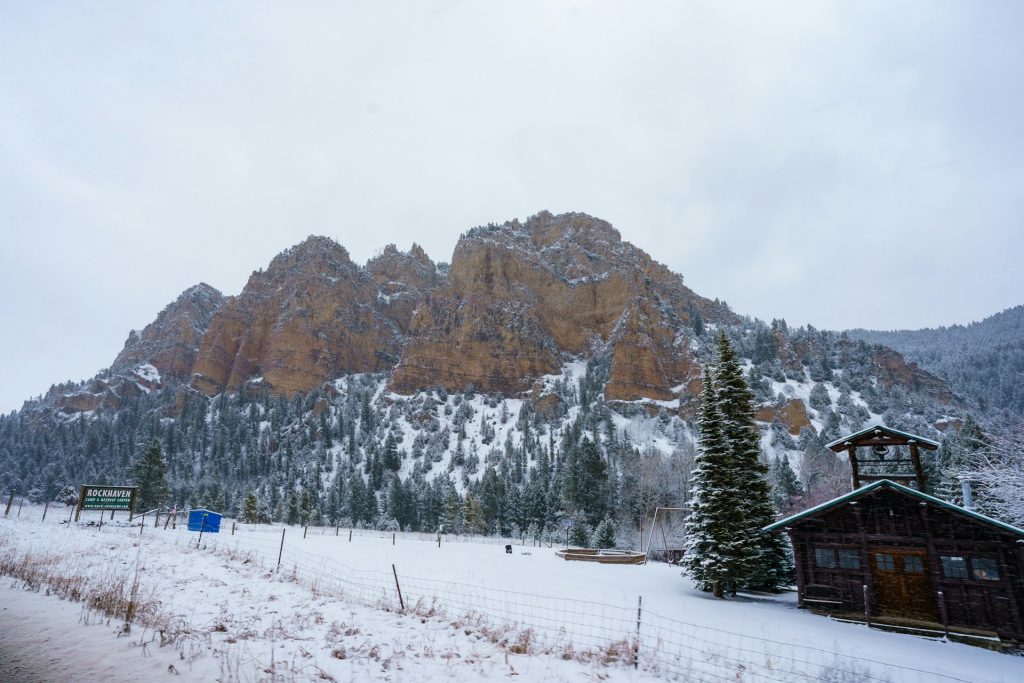
Yellowstone in January runs on winter rules. Snow muffles the basins, geysers breathe steam into cold air, and tracks across open ground turn quiet into narrative. With fewer vehicles and limited access, each stop feels chosen, and the park’s scale lands harder than it does in summer.
The constraints shape the day. Short daylight encourages one basin, one long look, and a warm break instead of a rushed loop. Wildlife watching slows down, and the silence makes small details stand out, from a distant raven to the sound of water under ice.
It is not a checklist month. Patience and planning let the famous sights feel private for a beat.
Badlands National Park, South Dakota
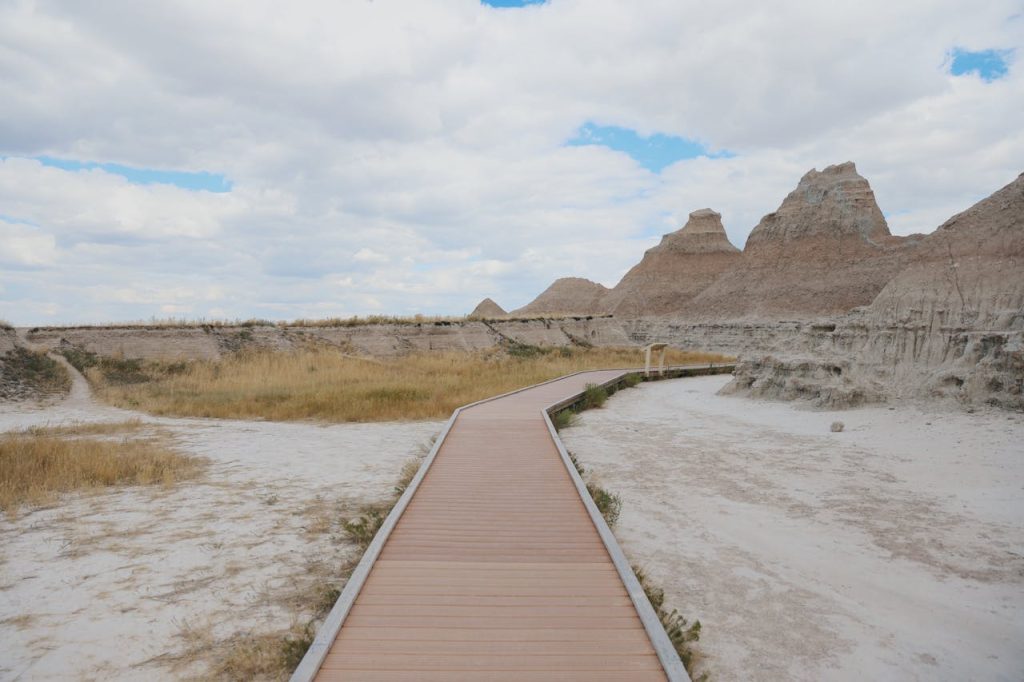
Badlands in January looks stripped to the bones. Ridges hold hard lines, shadows carve depth, and wind moves across prairie with nothing to soften it. The landscape reads like raw geology, and the light feels clean enough to sharpen every fold of rock under a big sky, especially near dawn and late afternoon.
With fewer visitors, silence becomes part of the view. Overlooks feel personal, and even a short trail carries a sense of space. Conditions can shift quickly, so the day often stays simple: a scenic drive, a brief walk, then warmth in the car.
The reward is clarity. Nothing competes with the terrain, and that honesty sticks.
Duluth And The North Shore, Minnesota
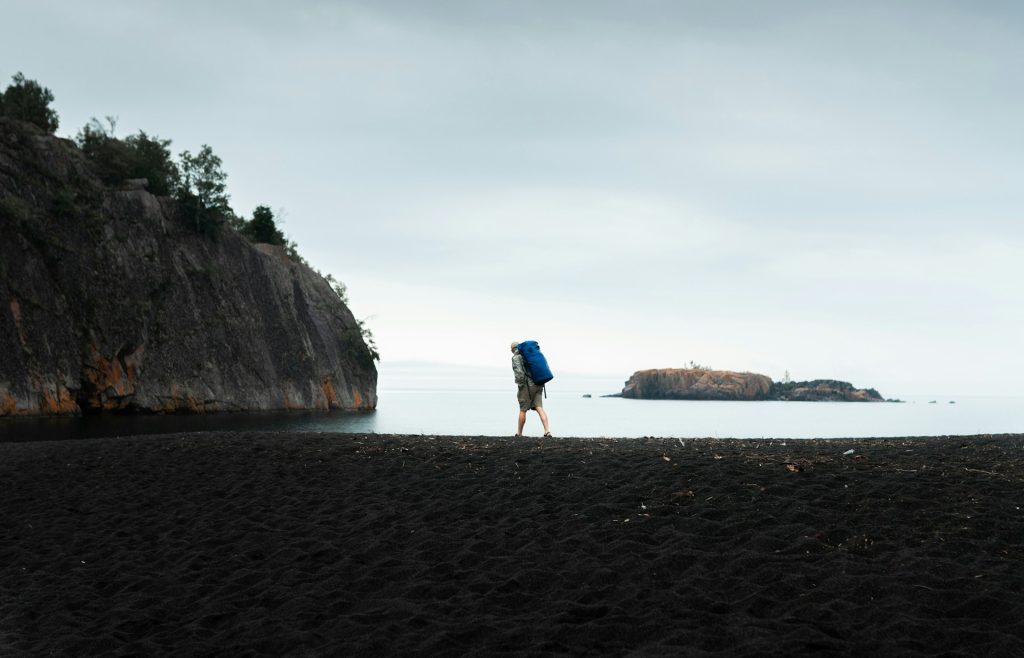
Duluth in January does not treat winter like a side season. Lake Superior sharpens the air, turns horizons clean, and makes the waterfront feel raw in a good way, with ice shelves along the rocks and waves still moving. The city’s working rhythm stays visible, from plows to coffee counters.
Up the North Shore, small towns feel calmer and more honest. Scenic pullouts become private balconies, and short trails end at views that do not need crowds. The day tends to revolve around warmth: a bakery stop, a hot bowl, then another quick walk into wind.
Simple routines become the memory here, because comfort feels earned every time.
Outer Banks, North Carolina
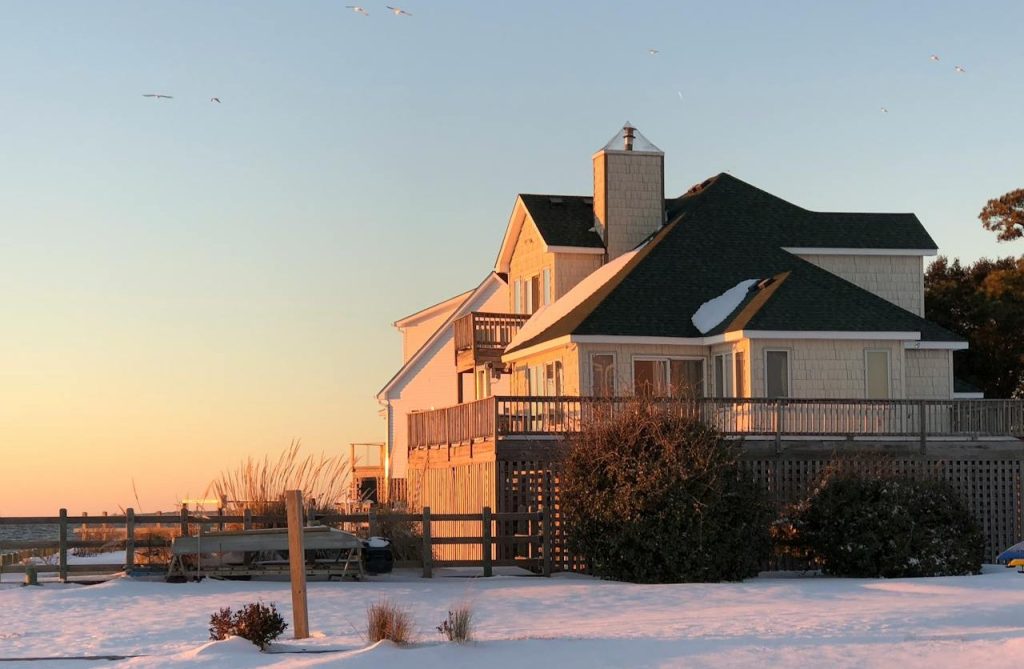
The Outer Banks in January feels like the coast without the performance. Beaches widen, parking lots empty, and wind sets the pace, pushing surf and shells up the shore after night weather. Light looks clean on dunes and gray water, and lighthouses read as working landmarks instead of props.
Winter hours trim the itinerary. Fewer open signs means more time for long drives, quiet stops, and walks that let the horizon do the work. Stormy days can rewrite plans fast, so the best trips stay flexible, with short beach runs between squalls.
Comfort becomes the anchor: a warm counter meal, a mug of coffee, and the simple relief of space.
Acadia National Park, Maine
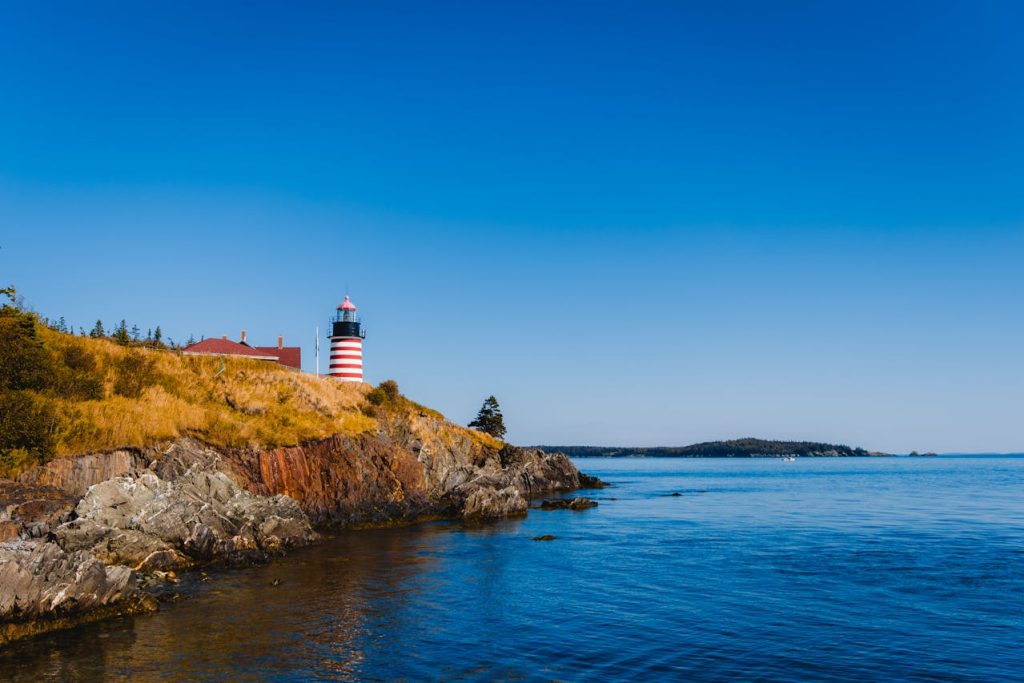
Acadia in January turns the volume down without losing the drama. Granite, spruce, and sea still carry the scene, but winter trims the extras and leaves long quiet stretches where ocean sound travels. The coastline feels newly drawn, and the air looks clean enough to sharpen every edge at once.
Seasonal closures and shorter days change the rhythm. Plans lean toward chosen overlooks and short walks rather than long driving loops. Ice and wind can reshape a route overnight, so the best days leave room for improvisation.
A warm meal in town feels like part of the landscape, and the quiet makes the island feel close again, today.
Taos, New Mexico
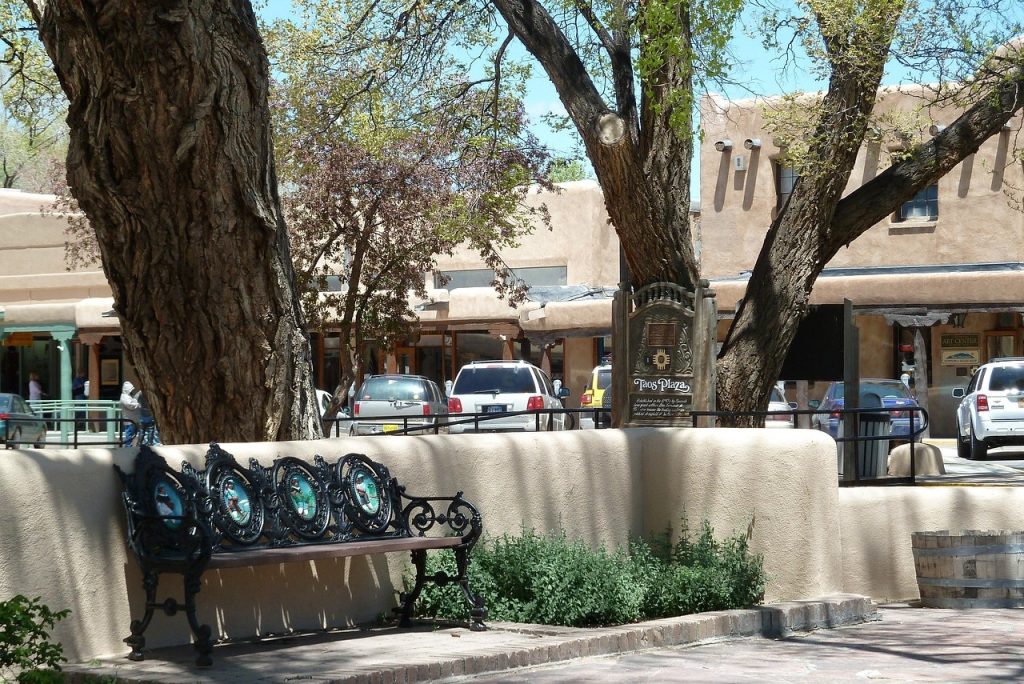
Taos in January feels like high-desert truth. The air is thin and clear, adobe holds warmth by day, and cold returns fast once the sun drops behind the mountains. Woodsmoke hangs over quiet streets, and the landscape looks crisp, with snow sometimes dusting the mesa and peaks.
The slower season changes the tone. Galleries and cafés feel unhurried, and the town’s history shows without crowd noise pushing everything along. A short drive can move from art-lined blocks to wide silence in minutes, and sky color holds longer.
Small routines become satisfying: a warm breakfast, bright light, and an early evening that arrives without apology.
Big Bend National Park, Texas
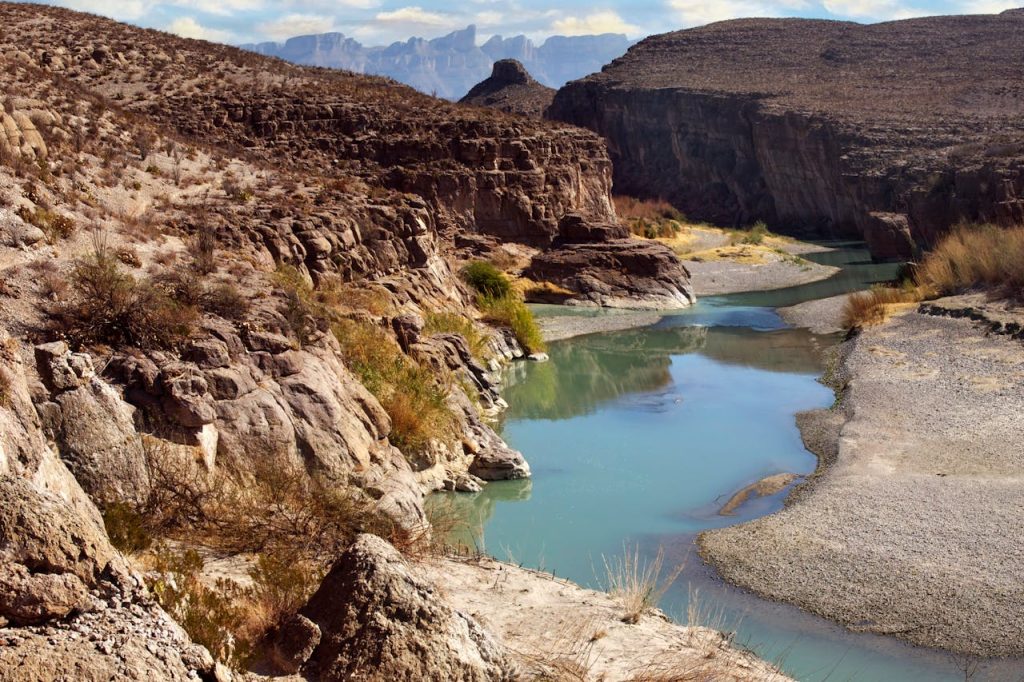
Big Bend in January is desert without the summer strain. Days can feel mild, the Chisos sit clean against a wide sky, and the silence stretches across open country. Trails feel more deliberate when heat is not the main problem, and the river adds an edge that keeps the landscape from feeling empty.
Night flips the mood. Temperatures can drop fast, especially higher up, so evenings pull people toward cabins, campfires, and early resets. That contrast makes daytime hikes feel like a gift, with long views that invite slow breathing.
The balance is the reward: views by day, stars by night, and a pace that lets the desert feel vast.
Death Valley National Park, California
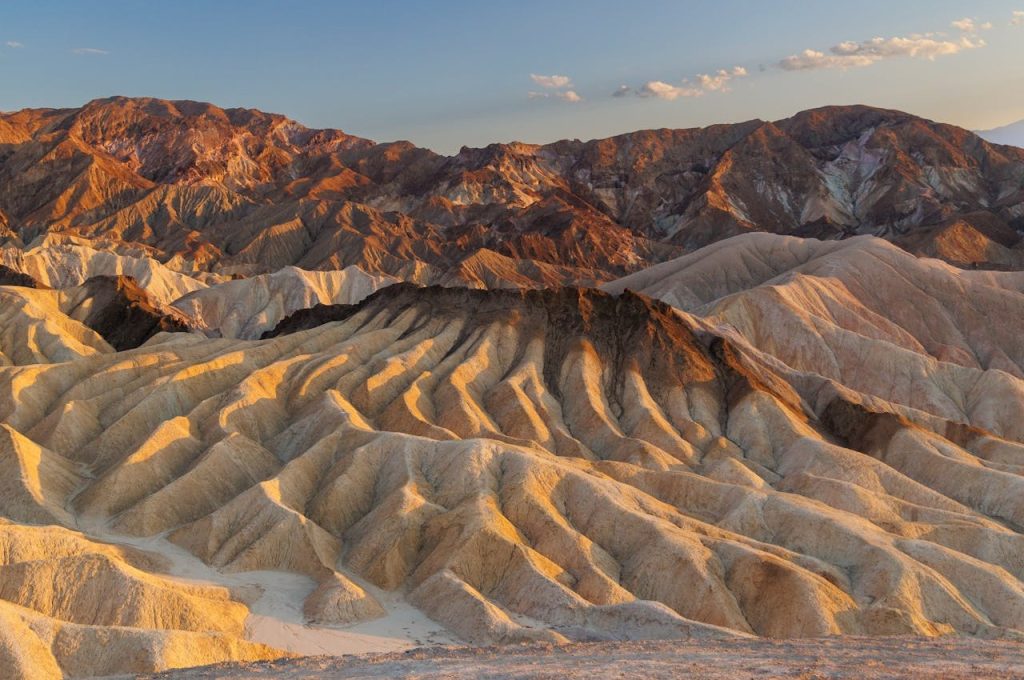
Death Valley in January flips its reputation. The extreme summer story fades, leaving mild days and cool nights that make the geology feel close. Salt flats show texture, badlands hold every shadow, and sunrise light turns the basin into a study of color instead of endurance.
Driving becomes pleasure. Pullouts feel calmer, short hikes fit the middle of the day, and the valley’s scale lands slowly rather than as a rushed photo. Higher elevations stay colder, so a day can hold several climates without leaving the park.
The desert still feels immense, but it becomes readable, with quiet roads, clean light, and room to pause.
Fairbanks, Alaska
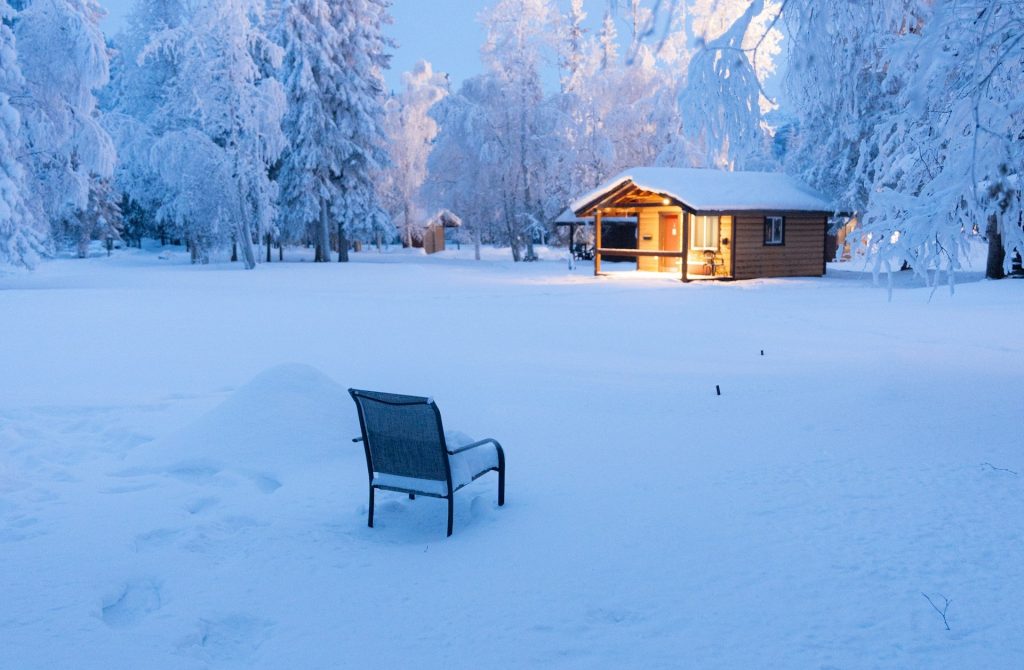
Fairbanks in January is blunt in the best way. Cold is not decorative, daylight is brief, and routines revolve around heat, traction, and timing. Breath hangs in the air, engines idle, and people move with calm efficiency because small mistakes outside feel expensive in minutes.
That realism creates its own comfort. Cafés and markets feel like gathering rooms, and warm interiors become destinations. Even short outings are planned, with steady layers and a clear route home before the sky goes dark.
The reward is winter beauty that does not pose: sharp stars, quiet streets, and nights that can turn luminous when skies clear.