10 Reasons U.S. Trips Beat International for American Women

American women are redefining what a great trip looks like. Distance and passport stamps still matter, but they no longer outweigh safety, energy, budget control, and a smooth return to daily life. In 2026, many are choosing U.S. travel because domestic routes remove quiet friction that can turn a vacation into another project.
Fewer documentation hurdles, familiar systems, and easier logistics make short getaways feel restorative. This shift is not about shrinking ambition. It is about choosing trips that deliver joy without hidden strain, where practicality and freedom finally move together and travel fits work, family, and real schedules.
1) Familiar Rules Keep Cognitive Load Low

Domestic trips lower mental load because the rules feel familiar from the first booking to the last cab ride. American women usually know how hotels, ride-share pickups, tipping norms, and basic reporting systems work, so fewer moments require guesswork while tired or rushed.
International travel can be unforgettable, but it often demands extra legal and cultural decoding in real time. Keeping travel inside the U.S. preserves attention for the experience itself, not constant interpretation, which makes short breaks feel calmer, steadier, and easier to enjoy from morning plans through late-night returns. It cuts pre-trip worry before takeoff.
2) Emergency Help Feels Faster and Clearer

When plans break, clarity matters. In the U.S., most travelers know how to call for urgent help, share a location, and explain what happened without pausing to translate procedures. That built-in familiarity can save precious minutes when a situation turns stressful and decisions must be immediate.
Abroad, emergency systems, numbers, and response patterns differ by country, and sometimes by city. Domestic travel does not erase risk, but it often makes response steps easier to execute under pressure, especially for solo women moving between airports, stations, unfamiliar neighborhoods, and late check-ins after long travel days. on rough days.
3) Homebound Logistics Are Much Simpler
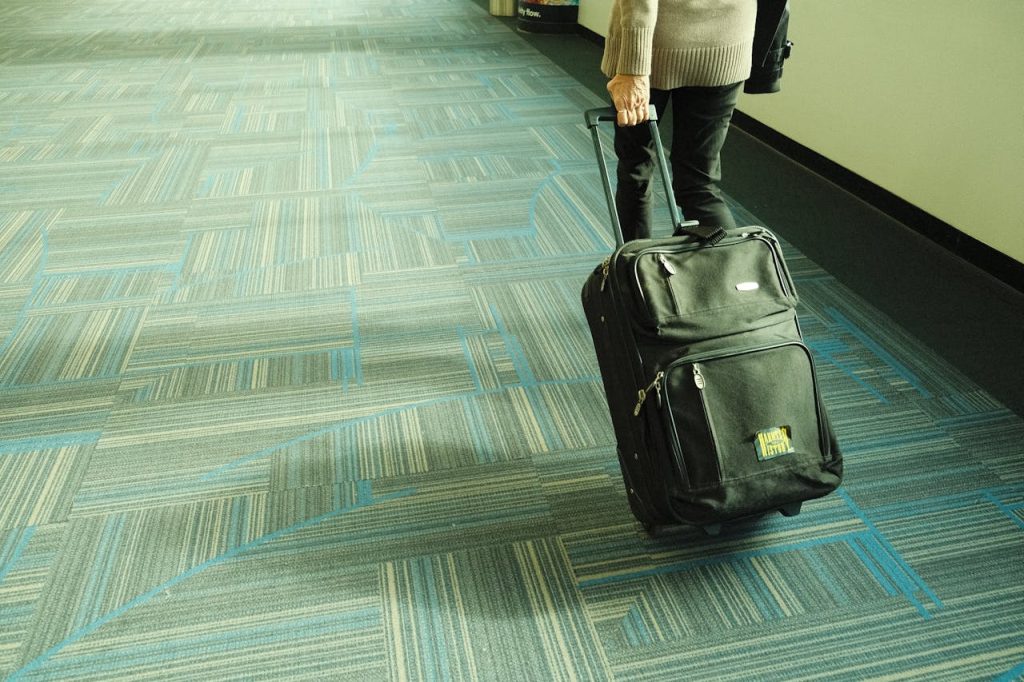
A domestic return is usually straightforward. Land, collect bags and get home without customs lines, declaration forms, or extra reentry steps after an already tiring flight. That cleaner finish matters because the final travel day often decides whether a vacation feels restorative or draining.
International returns can add long queues, tight connection pressure, and more uncertainty before normal life resumes. For women balancing work deadlines, school pickup times, or family care, U.S. itineraries reduce end-of-trip friction and make the transition back to routine faster, smoother, and less emotionally costly. It protects post-trip energy.
4) Documentation Burden Stays Manageable
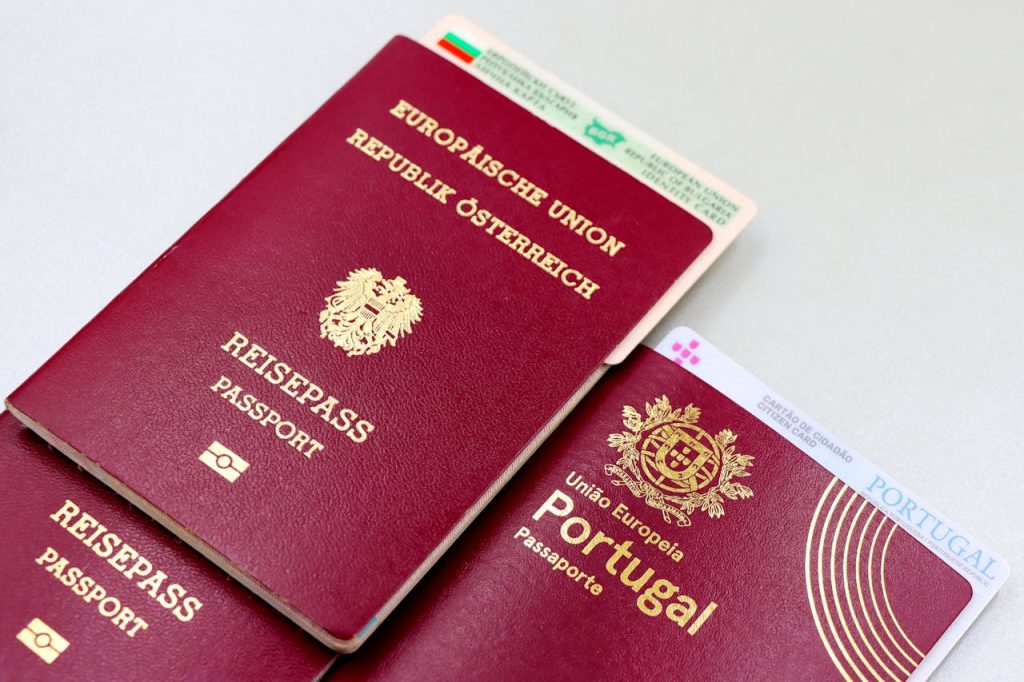
Paperwork can quietly wreck momentum before a trip even starts. Domestic travel usually demands fewer moving parts than international routes, where passport validity windows, entry conditions, and visa rules can all reshape timing and cost at the last minute.
That lighter documentation load helps women who coordinate leave across work, caregiving, and school calendars. With fewer compliance details to track, plans can be confirmed earlier and changed faster when needed. Less administrative drag means more room for anticipation, clearer decisions, and a calmer start from booking day through boarding. It cuts costly fixes when time gets tight.
5) Health Planning Is Less Complicated
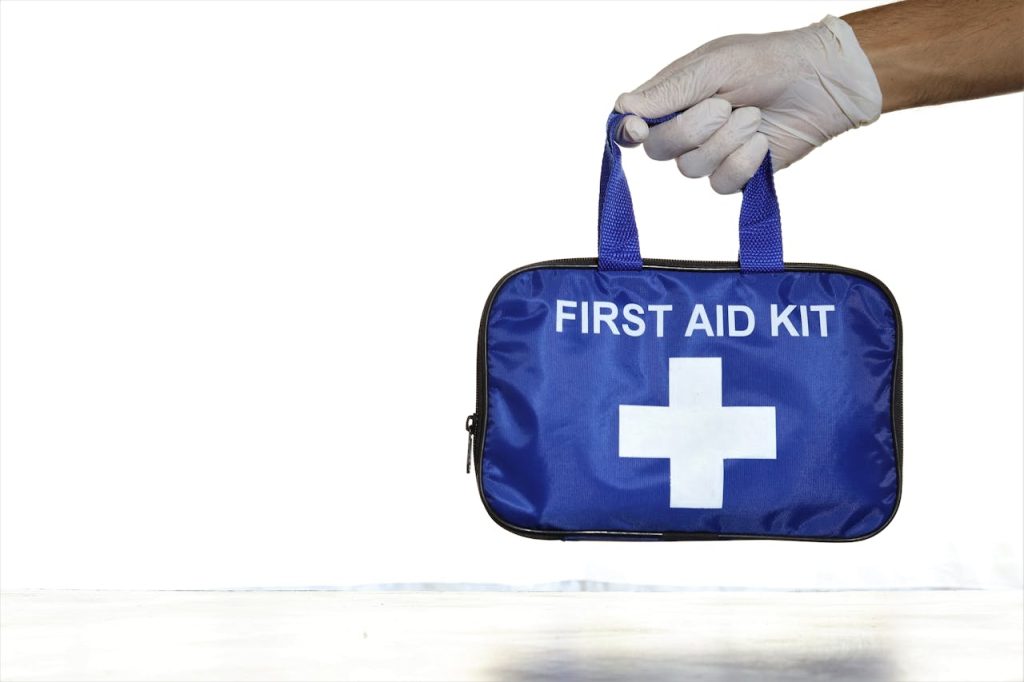
International trips often require extra health planning before takeoff, from checking destination advisories to managing medications across long schedules. Even when everything is routine, those tasks add another layer of labor that can make a short break feel heavier than expected.
Domestic itineraries still need practical caution, but they usually involve fewer pre-trip medical checkpoints. That difference matters for women planning around limited leave, family care, or burnout recovery. When health prep is lighter, travel feels more doable, decisions happen faster, and the trip starts with energy instead of fatigue. It keeps plans moving.
6) Medical Coverage Questions Are Easier to Handle

Medical uncertainty can undo peace of mind quickly. Within the U.S., coverage language, billing expectations, and care pathways are usually more familiar, which helps women make faster decisions if illness or injury interrupts a trip.
International care can involve larger payment demands up front, slower reimbursement, and harder comparisons between clinics. Domestic travel does not remove healthcare costs, but it often reduces confusion when time is tight and stress is high. That clarity supports better judgment, steadier finances, and a stronger sense of control during vulnerable moments away from home. It keeps family logistics clear too.
7) Flight Disruptions Come With Clearer Recourse
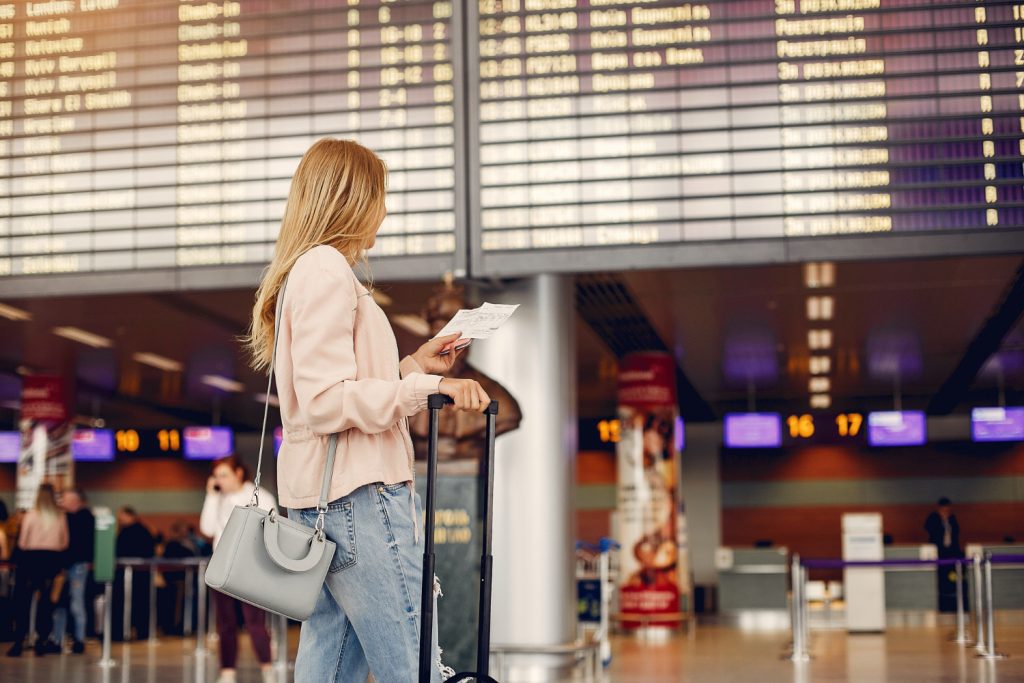
Travel disruptions are inevitable, so transparent recourse matters. On domestic routes, women often face clearer refund expectations and simpler customer-service pathways when cancellations or major delays disrupt plans at the last minute.
International bookings may layer multiple airline policies, currencies, and jurisdictions, which can slow resolution when quick answers are needed. U.S. trips cannot prevent disruption, but they often reduce administrative friction after things go wrong. That practical clarity protects time, lowers stress, and helps travelers recover plans without burning the rest of the vacation on support calls. quickly.
8) Budget Control Is More Reliable at Home
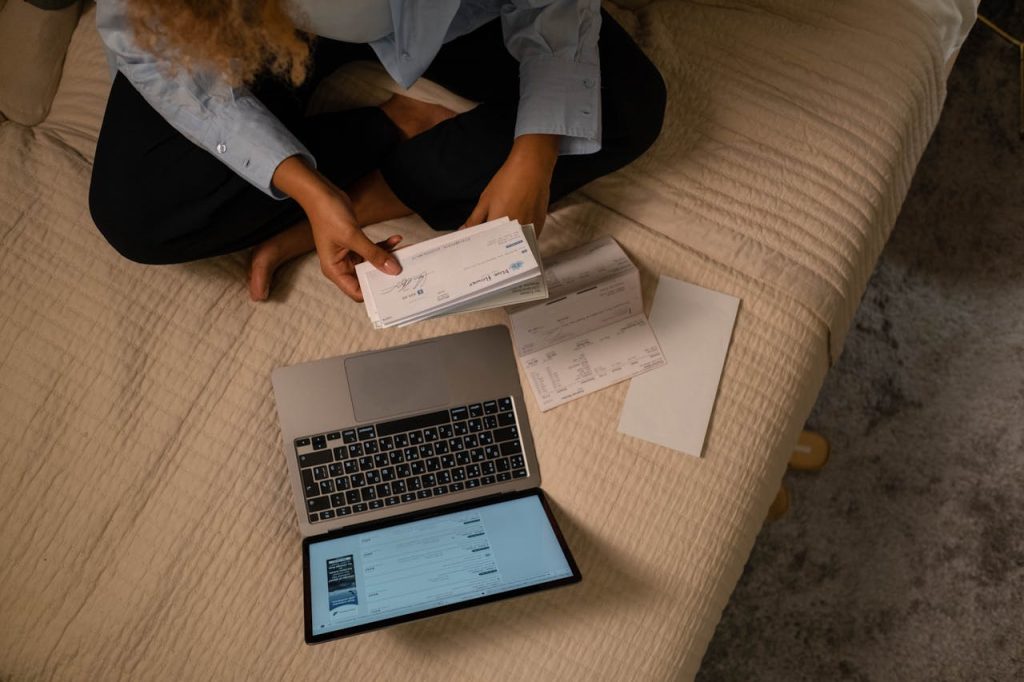
Budget confidence is easier to maintain when pricing stays familiar. International spending can include conversion spreads, foreign transaction fees and cash-access costs that appear in small amounts but add up over several days.
Domestic travel usually avoids most cross-border fee friction, which makes daily budgeting cleaner and easier to adjust in real time. For women balancing fixed incomes, student loans, or shared household costs, predictability is not a luxury. It is what keeps a trip enjoyable from start to finish, and prevents financial regret from overshadowing the memories after returning home. It improves spending discipline too.
9) Time-Zone Fatigue Is Often Less Severe

Many U.S. itineraries deliver major landscape variety without the same body-clock shock common on long-haul routes. That matters for women who need vacations to restore energy, not extend exhaustion into the next workweek or caregiving cycle.
Domestic travel can still involve time changes, but recovery is often quicker and planning is easier to pace around real obligations. From mountain towns to coastal cities to desert parks, the range is huge without mandatory long-haul strain. The result is a trip that feels expansive and memorable while still leaving enough physical and mental energy for life back home. It keeps post-trip rhythm intact.
10) Flexibility Makes Travel More Sustainable
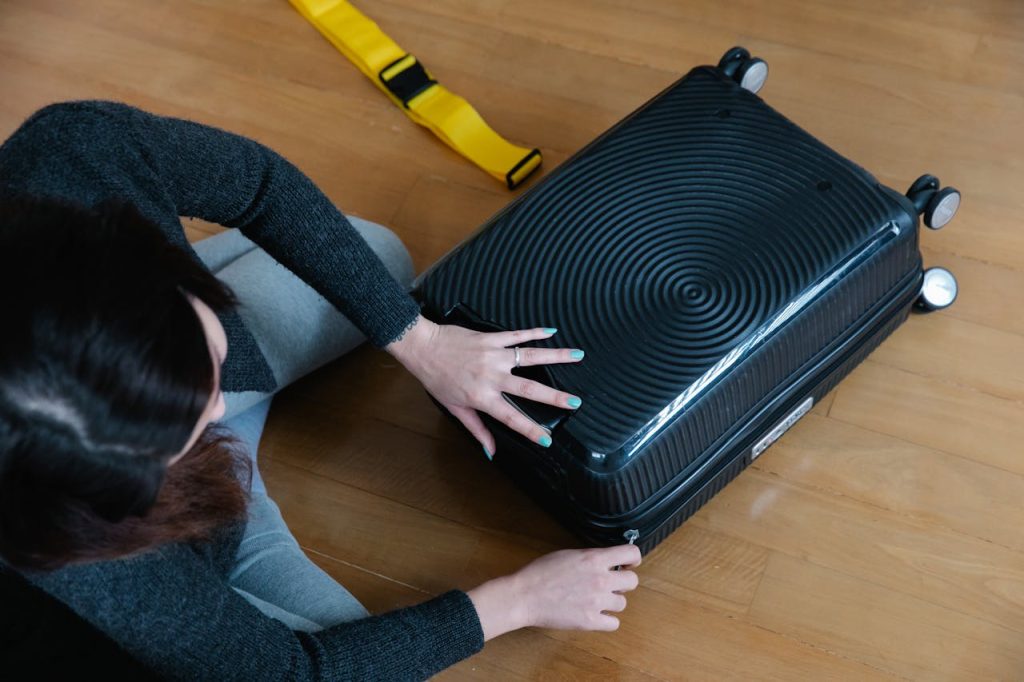
Domestic travel fits real life because plans can flex without as much paperwork or lead time. Women can shorten, extend, or shift trips when workloads change, children need support, or family schedules move suddenly, without losing the entire investment.
That flexibility makes travel sustainable across a full year instead of limiting it to one high-pressure window. Over time, frequent manageable breaks can support stronger recovery, clearer thinking, and greater confidence. U.S. trips turn movement into a repeatable habit, where joy, practicality, and personal well-being can coexist without constant logistical strain. It rewards consistency.