11 Destinations Where Tourists Have Less Freedom Than Expected
Travel freedom is often marketed as effortless movement, yet many famous destinations now ask for more structure than visitors expect. The change comes from crowded streets, fragile ecosystems, and local communities pushing for boundaries that protect daily life while tourism keeps growing.
Across historic cities, sacred landscapes, and tightly governed states, rules now shape the experience as much as scenery does. Entry windows, levy systems, conduct codes, and route controls are no longer side notes. They set the pace on the ground, reward planning over impulse, reduce pressure at peak hours, and preserve access for future seasons.
Venice, Italy
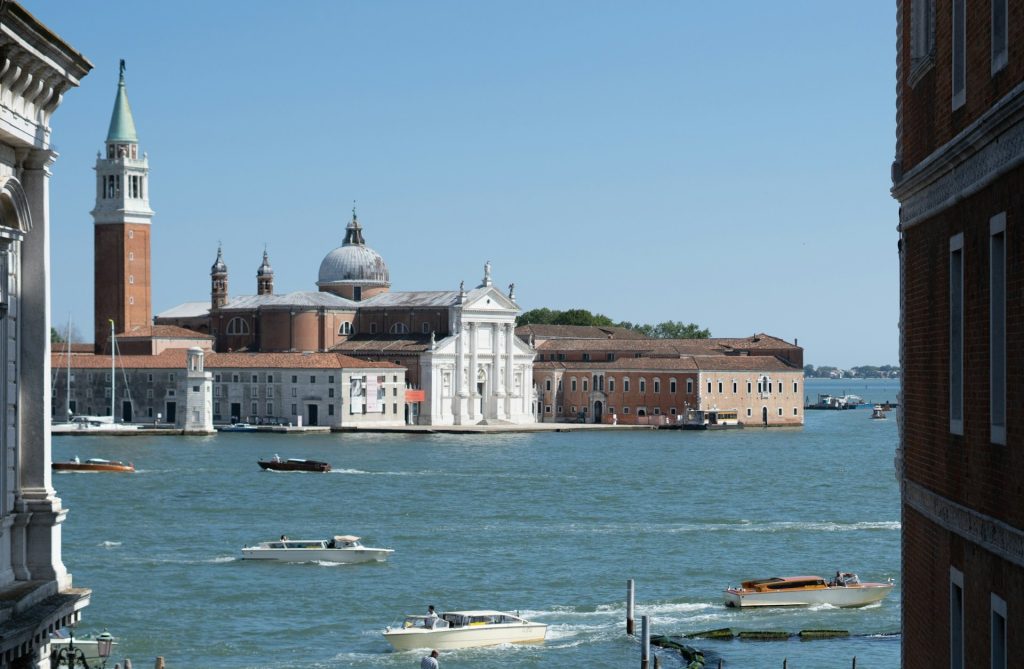
Venice still invites day visitors, but access is no longer purely spontaneous. The city has designated days when entry to the historic center requires registration and payment of an access contribution, with digital proof expected during checks. Overnight guests usually follow separate rules, creating two parallel visitor experiences in the same small urban core.
Officials present the system as crowd management rather than exclusion, and the logic is easy to see in narrow lanes that were never built for modern footfall. The practical effect is clear: a simple day trip now begins with policy steps before coffee on the first canal-side square.
Machu Picchu, Peru
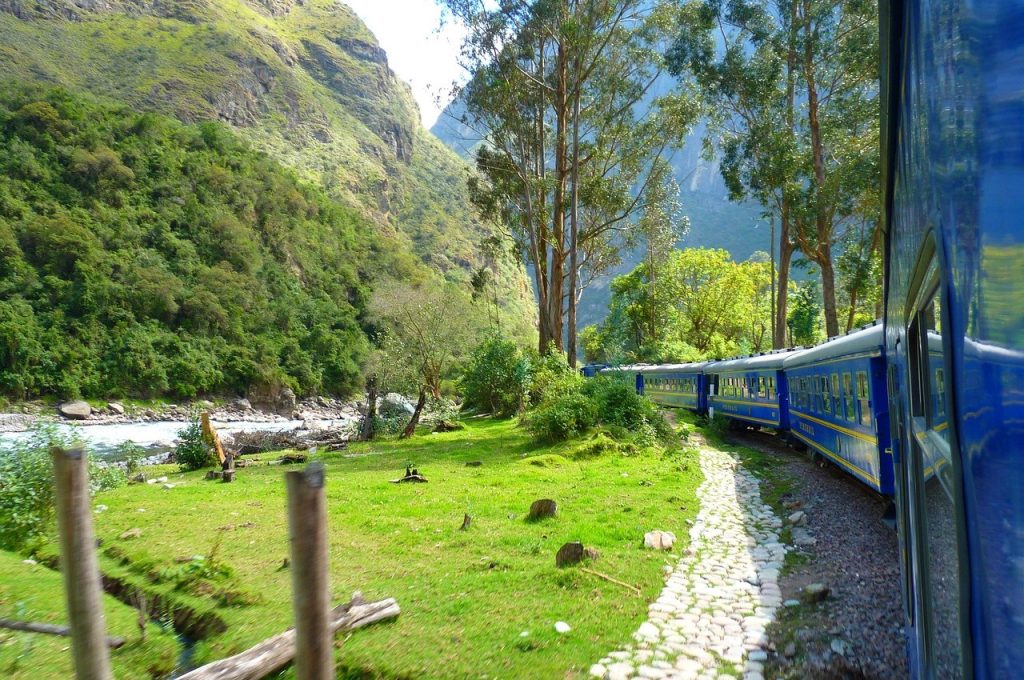
Machu Picchu is no longer a place where visitors improvise every move after the gate opens. Entry is organized through timed tickets and predefined circuits, and the chosen route shapes what can be seen during that slot. The old habit of lingering freely in one zone, then drifting elsewhere, has been reduced by design.
Peru adopted this structure to protect stonework, manage congestion, and keep visits predictable at one of the world’s most pressured heritage sites. The result is still memorable, but less open-ended. Spontaneity gives way to choreography, and missing a window can narrow the day before the mountain fog even lifts.
Galápagos Islands, Ecuador
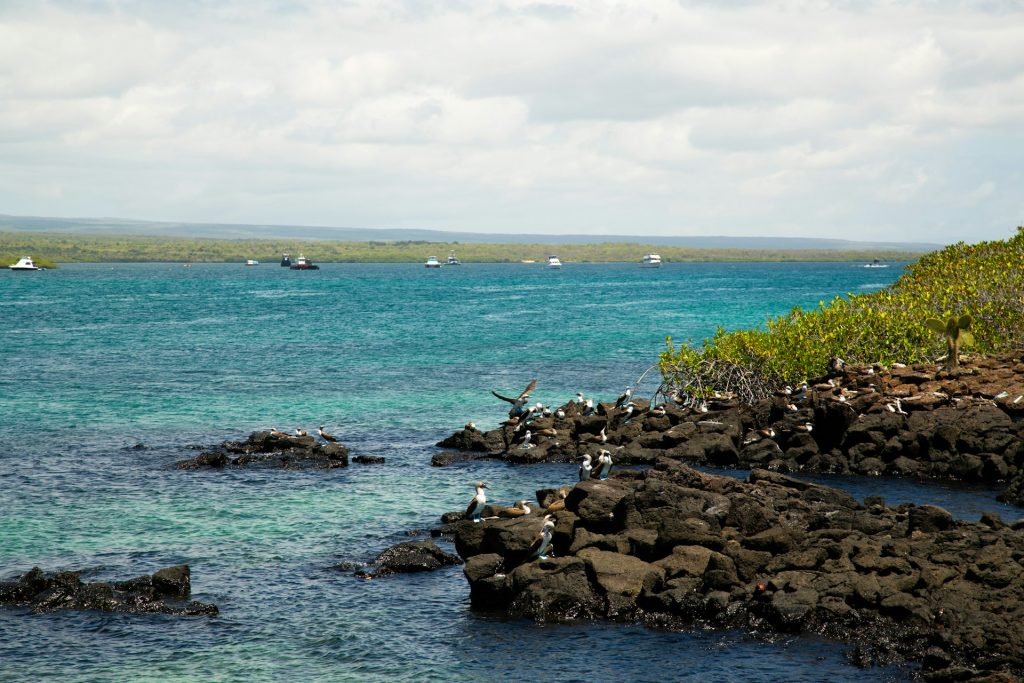
The Galápagos can look like unrestricted wilderness, yet visitation runs through firm conservation rules. In protected areas, travelers are expected to stay on marked trails, keep distance from wildlife, and move with authorized naturalist guidance. Those limits matter, because disturbances can alter behavior in fragile island habitats.
What makes the framework effective is consistency. Rules apply whether a site feels crowded or empty, and standards remain steady across species and shorelines. Freedom exists inside channels that prioritize habitat over impulse. The reward is access to life that behaves naturally, not like a staged exhibit.
Bhutan
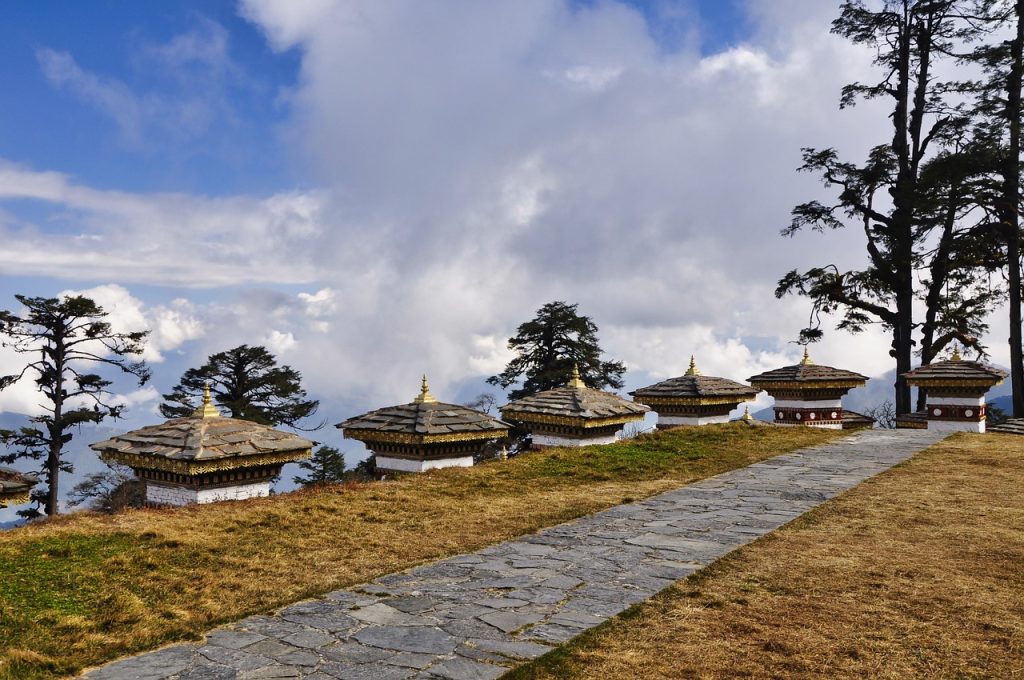
Bhutan does not treat tourism as an unlimited flow, and that approach is visible before departure. Most foreign visitors need a visa and pay the Sustainable Development Fee during entry planning. The process is transparent online, yet it filters last-minute, low-commitment travel common in many mountain destinations.
Supporters view the model as direct funding for cultural and environmental protection, not a barrier for its own sake. Critics call it restrictive. Either way, the policy states clear priorities: lower volume, managed pressure, and local control over pace in valleys where infrastructure and sacred spaces can be strained.
Mount Fuji, Japan

Mount Fuji remains one of the world’s symbolic climbs, but access is now shaped by stricter controls. Official guidance has included a mandatory climbing fee, registration systems, and entry restrictions during late-night hours for people without mountain-hut reservations. The goal is practical: reduce congestion and unsafe summit pushes.
Many climbers accept the logic after seeing trail bottlenecks and weather shifts at altitude. Still, the cultural change is real. Fuji is no longer a pure show-up challenge for peak-season crowds. Planning, timing, and compliance now determine whether the mountain day feels smooth, delayed, or cut short.
Gion, Kyoto, Japan

Gion remains one of Kyoto’s most photographed districts, yet some lanes are not open sightseeing corridors. After complaints about intrusive behavior, private roads in the geisha quarter were marked with clearer restrictions, and local reporting has noted fines for violations. The line between public streets and private space is explicit.
The policy can surprise visitors who expect unlimited access in historic neighborhoods where every corner looks cinematic. For residents and working performers, it works as boundary-setting. Tourism is still welcome, but privacy, consent, and neighborhood routine now take priority over camera pursuit.
Bali, Indonesia
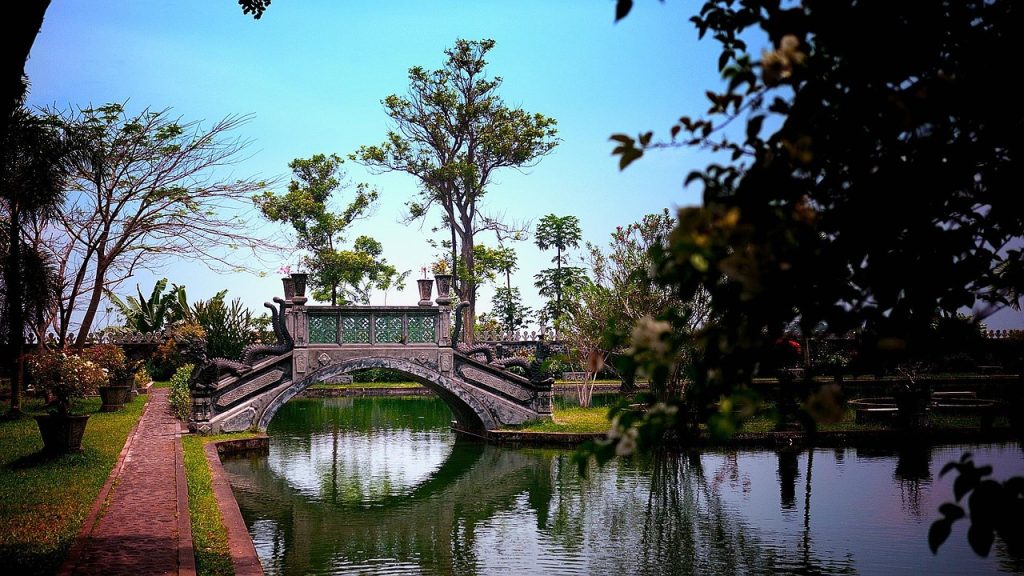
Bali remains one of Asia’s most magnetic destinations, but authorities have moved toward clearer visitor obligations. Foreign tourists are expected to pay the official levy, keep proof available, and follow conduct standards tied to temples, sacred symbols, and public behavior. The message is direct: cultural respect is enforceable.
This shift followed repeated complaints about disruptive conduct in spaces locals consider spiritually central. Most travelers still find Bali open and generous, yet freedom is now framed by formal expectations. Trips work better when local norms are treated as part of the itinerary, not background noise.
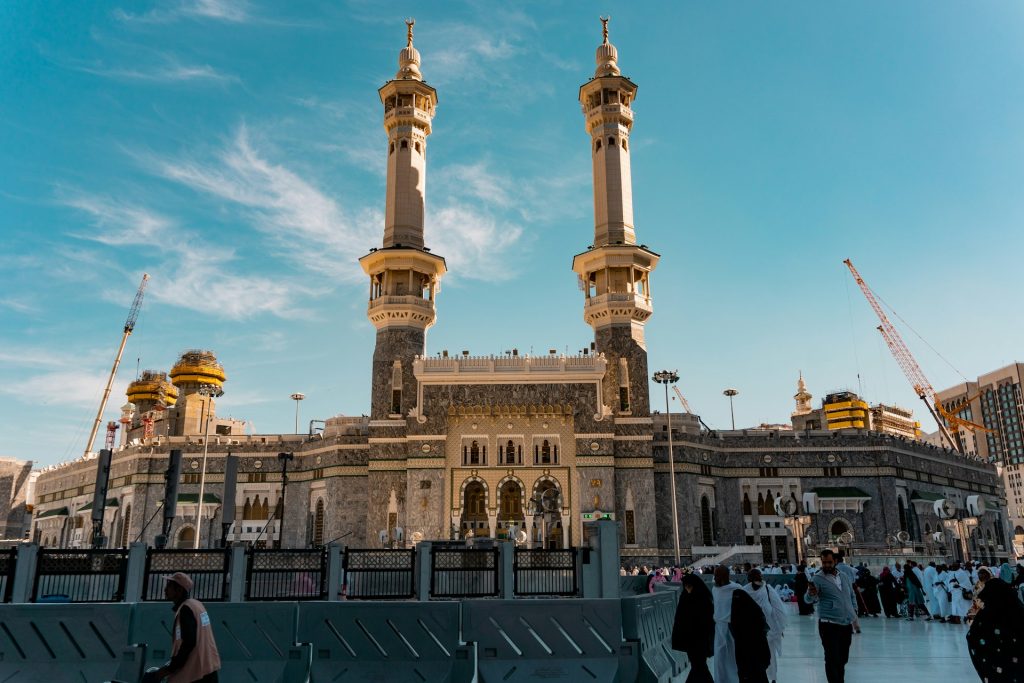
Saudi Arabia
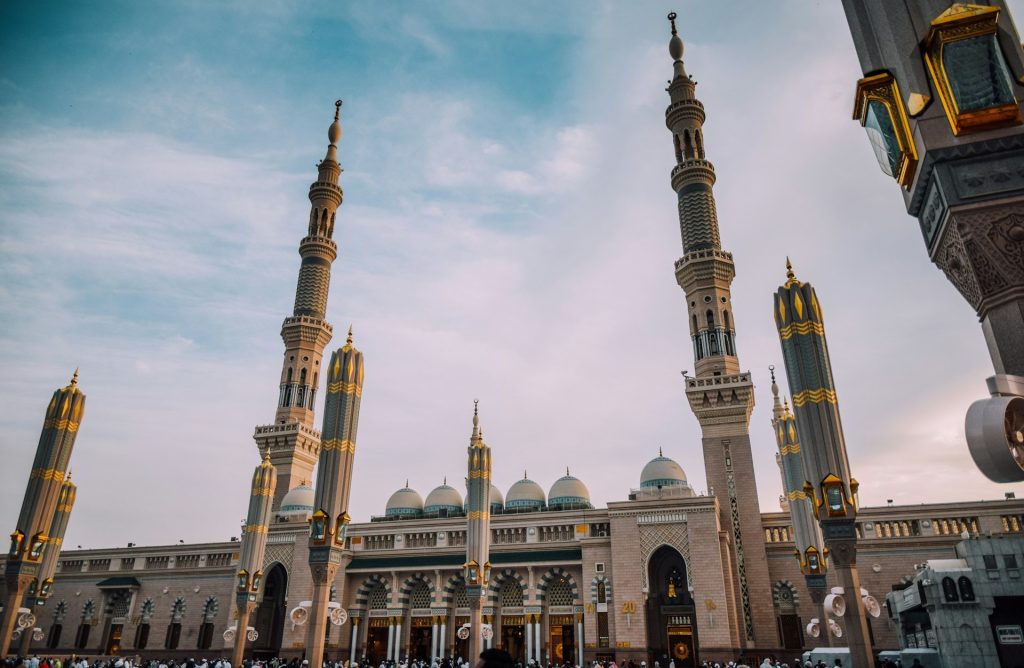
Saudi Arabia has expanded leisure tourism quickly, but visitors are still expected to follow clear public conduct norms. Official guidance stresses respect for local customs, modest dress in public places, and behavior aligned with community standards. The contrast between modern tourism hubs and conservative legal expectations can feel sharp.
The adjustment is mostly about awareness. Travelers who read local rules early usually move smoothly, while assumptions from other destinations can create avoidable friction. The core point is straightforward: hospitality is broad, but freedom operates inside a visible social and legal framework.
United Arab Emirates
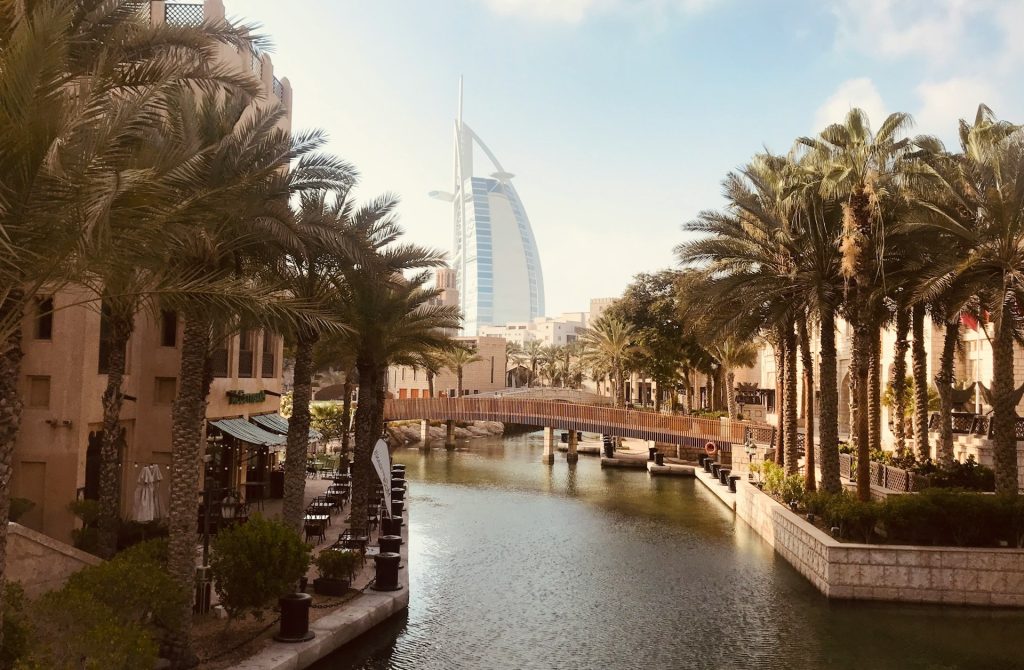
The United Arab Emirates feels highly international, which can make legal boundaries easy to miss. Official guidance states that photographing people without permission is not allowed, and some aviation-related photography can be restricted. Those rules surprise visitors who assume modern skylines signal casual norms.
In practice, the country offers wide convenience and polished tourism infrastructure, but not unlimited social latitude. Trips move better when curiosity is paired with restraint, especially around cameras and privacy. The pace is fast, hospitality is strong, and the legal framework stays present in everyday public space.
Antarctica Cruise Landings

Antarctica feels like open frontier travel, yet visitor movement is tightly governed by treaty-aligned guidelines and operator protocols. Landings are managed by strict numbers, including limits on passengers ashore at one time, while site scheduling avoids crowding from multiple ships. The wilderness is real, but access is rationed.
These controls can test patience when weather shortens windows and every landing feels precious. Still, the framework is the reason many sites remain minimally disturbed despite rising demand. In Antarctica, restraint is not an inconvenience added later. It is the operating logic that makes tourism possible.
Singapore
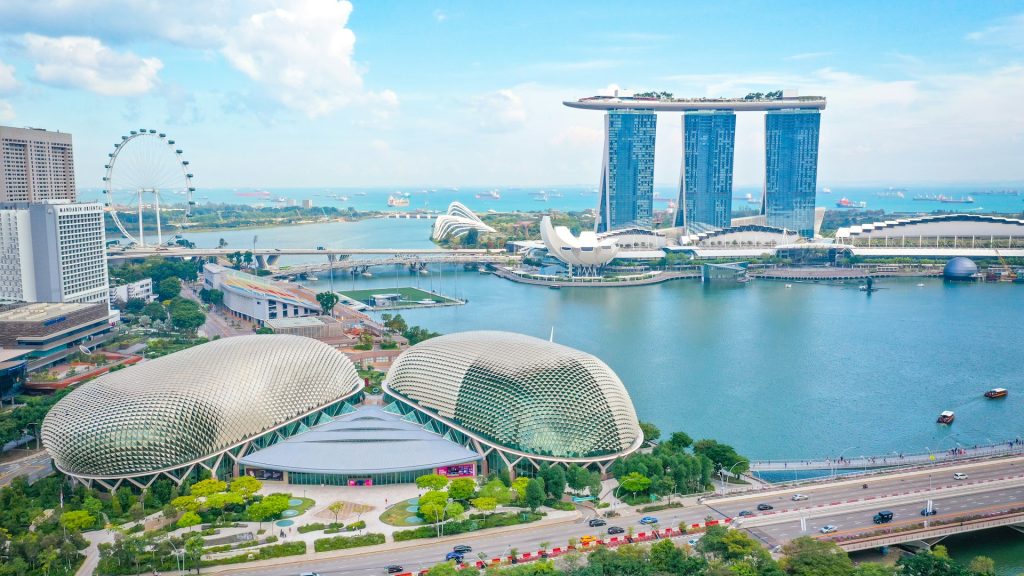
Singapore is polished, efficient, and easy to navigate, yet it also runs on strict civic enforcement that can surprise tourists expecting softer norms. Official advisories highlight penalties for public offenses, and local agencies maintain firm anti-vaping rules. The city’s order is intentional.
For most visitors, this does not make the destination difficult. It makes expectations explicit. Public behavior, cleanliness rules, and customs compliance are treated as shared responsibilities, not personal style choices. Trips feel smooth when travelers read those signals early and treat local law as part of planning, not a footnote.