11 European Hidden Gems Americans Keep Returning To

Travel industry analysts and luxury tour operators report a significant shift in American travel habits across Europe. While first-time visitors still flock to the “Grand Tour” capitals of London, Paris, and Rome, a growing demographic of repeat travelers is bypassing these congested hubs in favor of “B-side” destinations. Experts note that these locations, often smaller cities or large towns, offer the cultural density of a capital without the overwhelming crowds or inflated prices.
Heritage conservationists and urban planners emphasize that the appeal of these “hidden gems” lies in their livability and authenticity. Unlike major tourist centers that can feel like open-air museums, these towns function as living communities where visitors can engage with locals in meaningful ways. Data from travel booking platforms confirms high return rates for these specific destinations, suggesting that once Americans discover the slower pace and distinct character of these eleven towns, they are eager to return.
Lucca In Italy
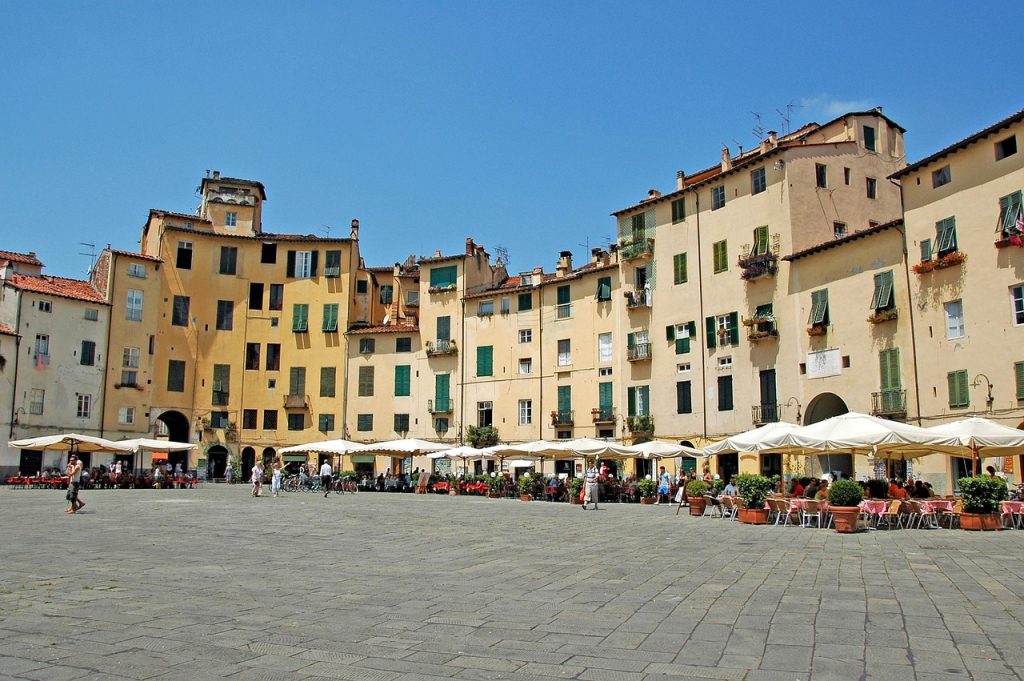
Urban historians and Tuscany travel specialists frequently cite Lucca as the ultimate “return” destination for Americans who find Florence too chaotic. Encircled by massive Renaissance-era walls that have been converted into a pedestrian promenade, the town offers a contained, car-free environment that encourages exploration by foot or bicycle. Experts note that the preservation of the historic center is so complete that it functions as a single, cohesive architectural artifact.
Hospitality consultants highlight that Lucca attracts a loyal following because it balances tourism with an active local life. The oval-shaped Piazza dell’Anfiteatro, built on the ruins of a Roman amphitheater, remains a social hub for residents rather than just a photo op. For repeat visitors, the appeal lies in the “living room” atmosphere of the town, where one can settle into a routine of morning espresso and evening passeggiata without the pressure of a rigorous sightseeing checklist.
San Sebastián In Spain
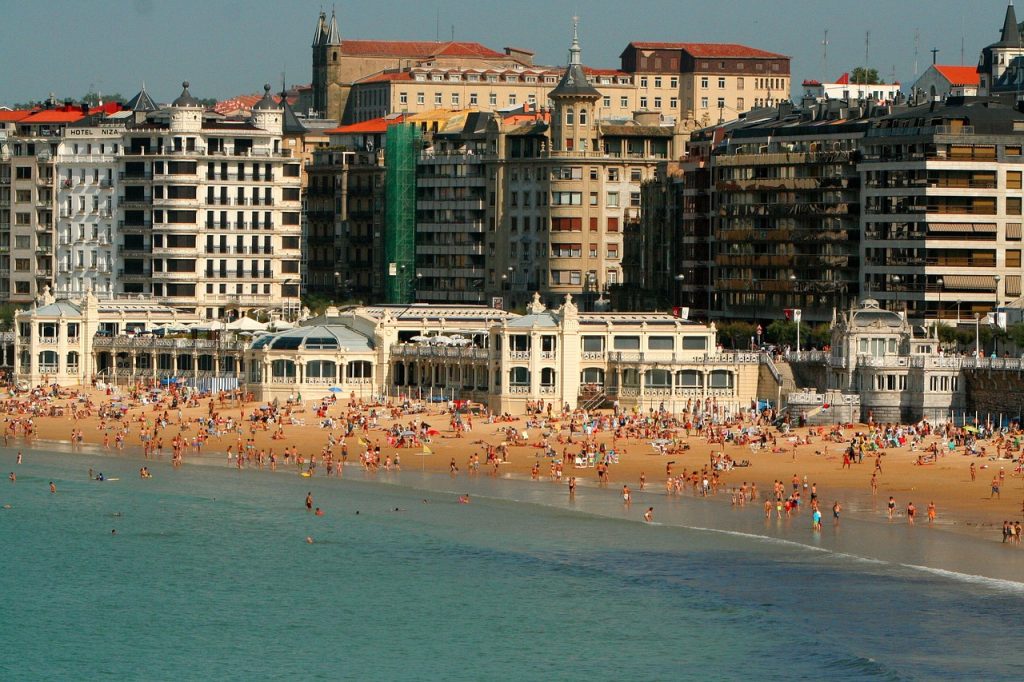
Culinary critics and food anthropologists consistently rank San Sebastián, or Donostia, as the premier gastronomic pilgrimage site in Europe. With a higher density of Michelin stars per capita than almost anywhere else on earth, the town draws Americans who view dining as the primary focus of their travel. However, experts explain that the accessible pintxo culture in the Old Town, where socializing happens over small bites in standing-room-only bars, creates the emotional hook for return trips.
Coastal geographers praise the town’s unique setting framed by the crescent-shaped La Concha Beach and lush green mountains. This duality of high culture and surf-town relaxation allows for a diverse itinerary that appeals to various travel styles. Repeat visitors often cite the distinct Basque identity and language as a refreshing counterpoint to the more homogenous tourism experiences found on the Mediterranean coast.
Ghent In Belgium
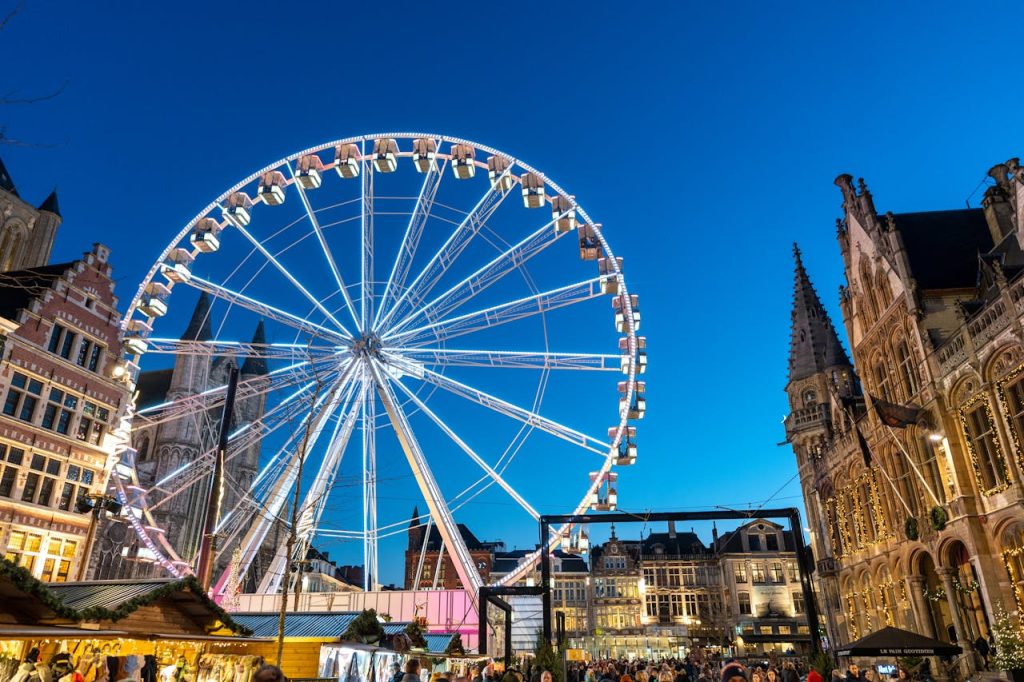
Medieval architecture experts and urban planners champion Ghent as the authentic alternative to the highly polished streets of Bruges. While Bruges attracts day-trippers, Ghent is a university town with a gritty, vibrant edge that resonates with travelers seeking a genuine Belgian experience. Preservationists note that the city boasts an impressive array of medieval buildings, including the Gravensteen castle which sits right in the city center, yet the atmosphere is defined by students and locals rather than tour groups.
Travel logistics analysts observe that Americans return to Ghent because of its strategic location and livability. It serves as a perfect rail hub for exploring Flanders yet offers a pedestrian-friendly center where the canals are lined with restaurants that serve locals. The town’s dedication to sustainability, including a massive car-free zone, creates a relaxed urban environment that feels modern despite its ancient backdrop.
Ljubljana In Slovenia
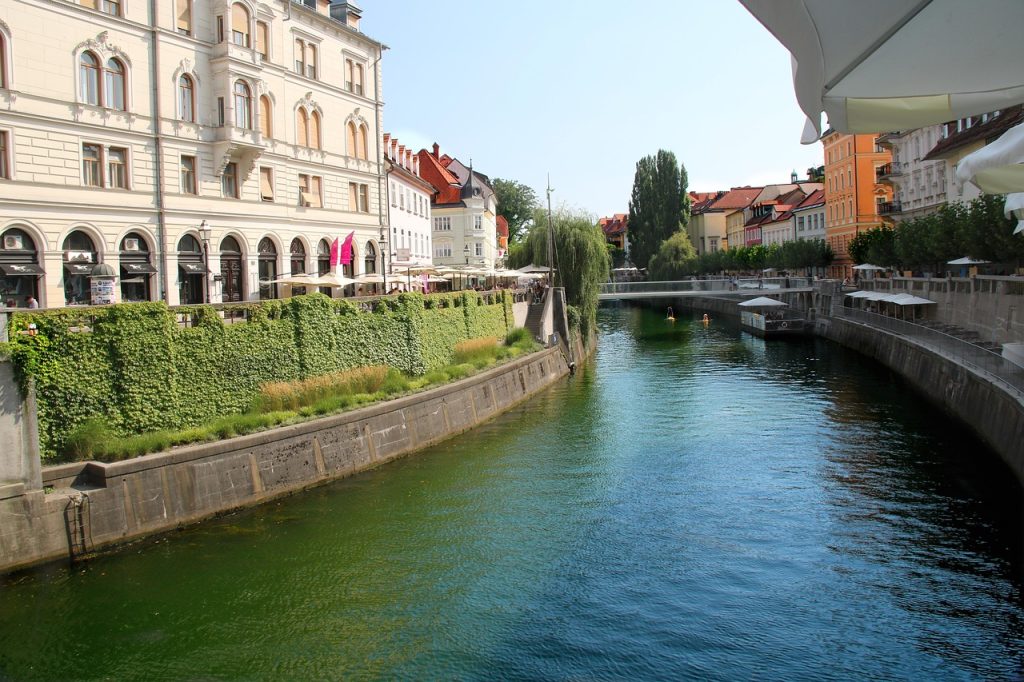
Green urbanism experts and sustainability consultants view Ljubljana as a model for the future of European travel. The Slovenian capital, which feels more like a large town, was one of the first to pedestrianize its city center completely to create a quiet, green oasis along the Ljubljanica River. Architects praise the work of Jože Ple?nik whose designs give the city a unique, cohesive aesthetic that rivals the work of Gaudí in Barcelona or Haussmann in Paris.
Adventure travel guides emphasize that Ljubljana serves as the perfect basecamp for outdoor enthusiasts with the Julian Alps and Lake Bled just a short drive away. This proximity to nature combined with a sophisticated café culture and a lack of aggressive mass tourism fosters a high repeat visitor rate. Travelers find they can enjoy a micro-Europe experience of mountains, coast, and culture all within a manageable radius.
Annecy In France

Alpine historians and landscape architects describe Annecy as the “Venice of the Alps,” a moniker that hints at its canal-laced medieval core. However, experts note that its true appeal lies in the pristine Lake Annecy which is known as the cleanest lake in Europe. The town attracts Americans who are looking for a French experience that combines the charm of a provincial market town with world-class outdoor recreation.
Tourism officials highlight the year-round appeal of Annecy from summer swimming and cycling to winter markets and proximity to ski resorts. This versatility ensures that visitors can return in different seasons and experience a completely different town. The preservation of the Thiou River canals, lined with pastel-colored houses and flower boxes, creates a storybook aesthetic that remains remarkably consistent and well-maintained encouraging long-term affection from visitors.
Bergen In Norway
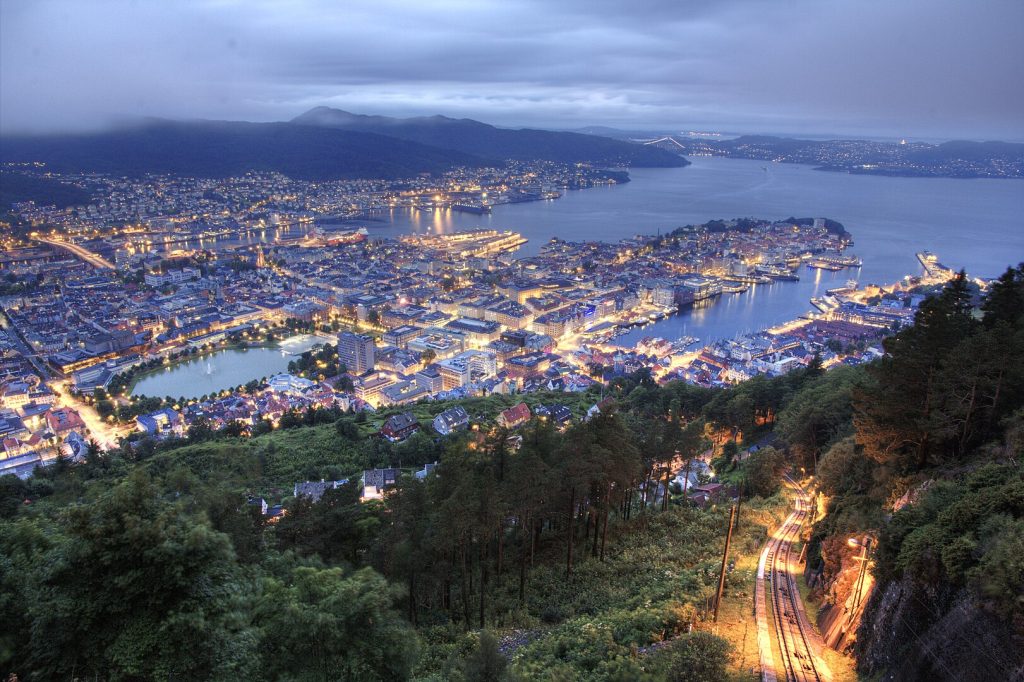
Maritime historians and Scandinavian travel experts identify Bergen as the cultural gateway to the fjords but one that holds its own as a standalone destination. The UNESCO-listed Bryggen wharf provides a direct tangible link to the Hanseatic League’s trading history. Experts explain that while many use Bergen merely as a cruise port, those who stay overnight discover a vibrant cultural city surrounded by seven mountains offering immediate access to hiking trails via the Fløibanen funicular.
Meteorologists and locals famously joke about the rain but travel psychologists suggest that this moody weather contributes to the “koselig” atmosphere that Americans find endearing. The intimacy of the fish market, the wooden architecture of the hillsides, and the strong maritime identity create a distinct sense of place. Repeat visitors often use Bergen as a familiar, comfortable anchor point for deeper explorations into the Norwegian wilderness.
Naxos In Greece

Island logistics experts and Greek tourism data analysts report a surge in Americans favoring Naxos over its more famous neighbor Santorini. Unlike the caldera villages that have become largely dedicated to tourism, Naxos remains an agricultural powerhouse. Food systems experts note that the island produces its own cheese, potatoes, and meat meaning the culinary scene is driven by local supply chains rather than imports for tourists.
Archaeologists value the island for its significant ancient sites including the Portara and the Temple of Demeter which can be visited without the crushing crowds found elsewhere. Travel advisors highlight that Naxos offers the quintessential Cycladic experience of whitewashed villages, sandy beaches, and ancient history but retains a functioning local community. This authenticity combined with lower prices makes it a stickier destination for travelers seeking a genuine Greek island life.
Tallinn In Estonia
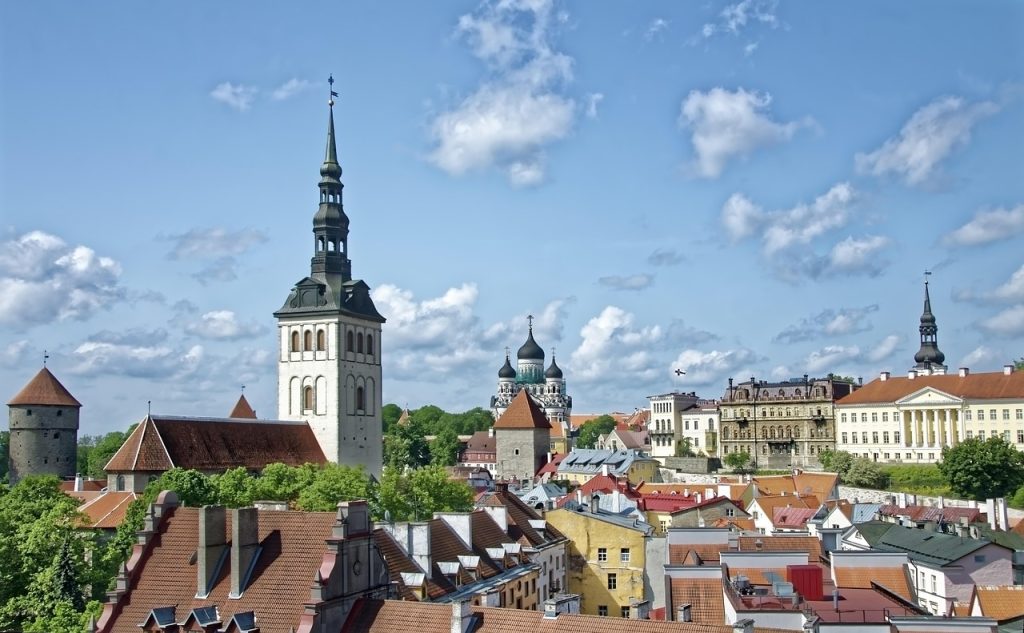
Digital nomad consultants and tech historians view Tallinn as a fascinating hybrid of medieval heritage and futuristic digital infrastructure. The Old Town is one of the best-preserved Hanseatic town centers in the world yet the city is also the birthplace of Skype and a leader in e-governance. Experts say this duality appeals to American travelers who appreciate the fairytale aesthetic of the city walls alongside the convenience of modern English-speaking service and high-tech amenities.
Baltic region specialists note that Tallinn’s compact size allows visitors to conquer the city in a few days yet its layers of history from Danish to Soviet to independent invite deeper exploration. The rapidly developing Kalamaja district with its wooden houses and creative hubs offers a hipster counterpoint to the medieval center providing a reason for younger travelers to return and explore beyond the tourist map.
Mostar In Bosnia & Herzegovina
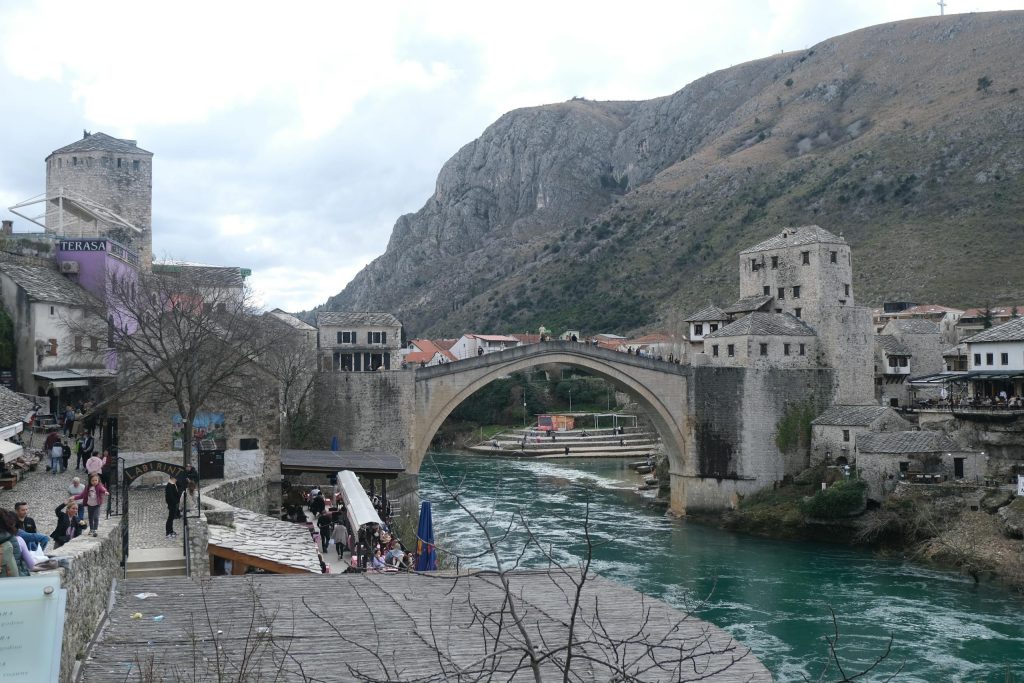
Conflict resolution scholars and Balkan historians cite Mostar as a profound destination that leaves a lasting emotional impact on visitors. The Stari Most, or Old Bridge, reconstructed after the war serves as a powerful symbol of reconciliation and resilience. Experts observe that Americans are often drawn back to Mostar not just for its Ottoman architecture and turquoise river but for the complex, palpable history that defines the town.
Adventure tourism guides highlight the town’s location as a perfect jumping-off point for exploring the Herzegovina region including the Kravice Waterfalls and the Blagaj Tekke. The warmth of the local hospitality often involving personal storytelling and strong coffee culture creates a deep personal connection. For many travelers Mostar challenges their preconceptions of the Balkans leading to a desire to return and learn more about the region’s recovery and culture.
Ponta Delgada In The Azores
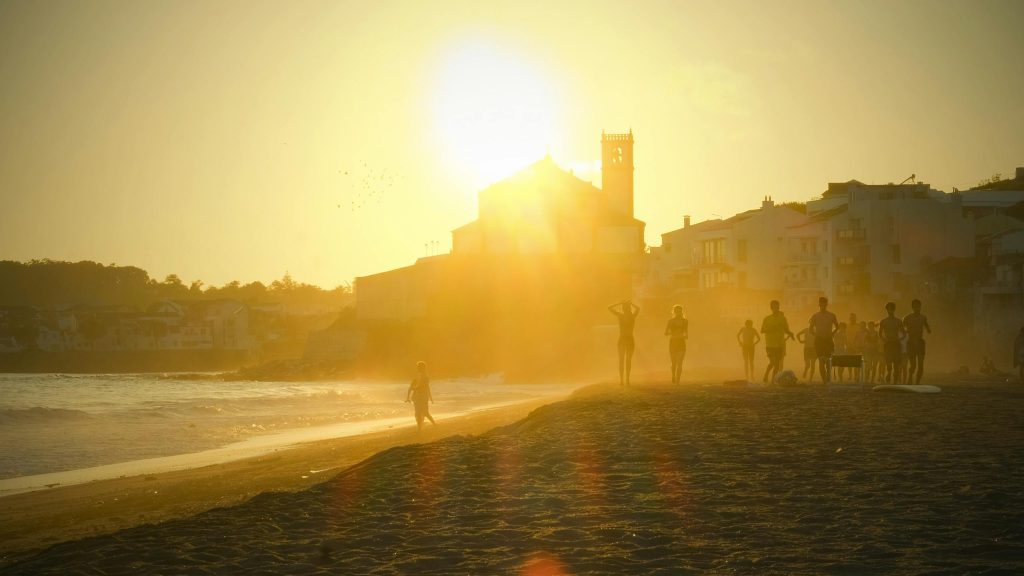
Volcanologists and marine biologists describe the Azores as the “Hawaii of Europe” with Ponta Delgada on São Miguel island serving as the accessible hub. The city features distinctive black-and-white volcanic architecture and botanical gardens that rival any on the mainland. Scientific experts emphasize the location’s importance for whale watching offering some of the best opportunities in the world to see blue whales and sperm whales which draws nature-loving Americans back repeatedly.
Sustainable tourism advocates praise the Azores for managing growth carefully ensuring that the natural landscapes ranging from thermal pools to crater lakes remain the primary attraction. Ponta Delgada offers a sophisticated urban base with excellent dining and history yet it is minutes away from wild scenery. This combination of comfort and raw nature creates a high-value proposition for adventure travelers who return to hike new trails and explore other islands in the archipelago.
Bolzano In Italy
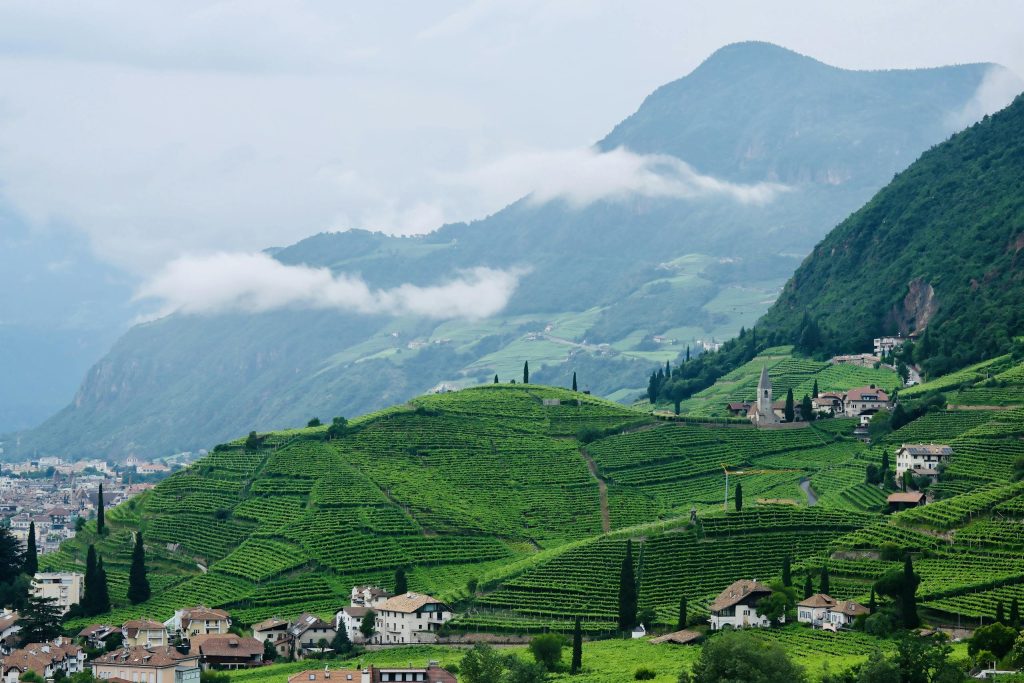
Alpine anthropologists and linguists find Bolzano to be a unique cultural laboratory where Mediterranean Italy meets Germanic Tyrol. As the gateway to the Dolomites the city offers a distinct fusion of cultures visible in everything from the bilingual street signs to the cuisine where pasta is served alongside dumplings. Experts note that this hybrid identity allows visitors to experience two distinct European cultures in one walkable town.
Outdoor recreation specialists highlight the city’s world-class cable car system which whisks visitors from the historic center to high-alpine meadows in minutes. This accessibility allows for a city-mountain lifestyle that is rare even in Europe. Americans return to Bolzano for the high quality of life, the access to the UNESCO-protected Dolomites, and the Christmas markets that are considered some of the most authentic and atmospheric in Italy.