12 Public Spaces That Have Removed Trash Canger Pay the Bills
Tourism still sells the dream of living where other people vacation, but the math has changed in many U.S. regions. Rents and home prices rose faster than pay in hotels, restaurants, marinas, and tour outfits, while schedules stayed seasonal and uneven. Workers stretch commutes, share crowded housing, or leave after one season, and destinations quietly lose the familiar faces that hold service together. What remains is a steady flow of visitors and a thinner layer of stability underneath, especially in places with limited land and heavy short-term rental demand.
Maui County, Hawaii

Maui runs on hotel, food, and tour work, yet housing costs keep pulling staff away from the resorts that employ them. With limited inventory and heavy vacation demand, many workers rely on roommates, family networks, or long drives that turn a shift into a full-day commitment, especially when split schedules leave dead time in the middle. The squeeze shows up in constant hiring, fewer experienced hands on the floor, and service that depends on new crews learning fast, even when room rates stay high, visitor numbers hold steady, and everyday expenses keep climbing. Many households treat flexibility as survival, not a lifestyle choice.
Florida Keys, Florida
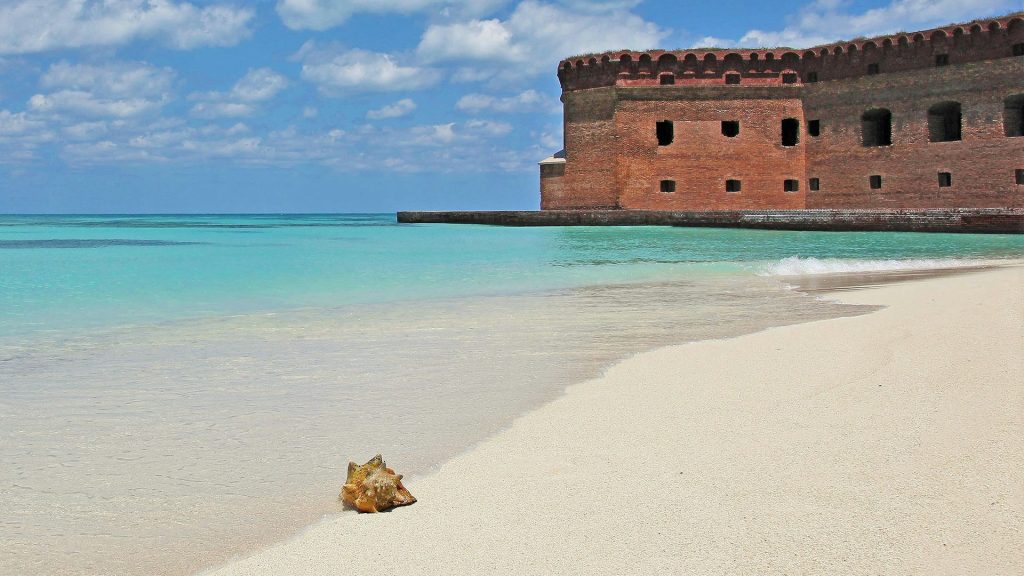
In the Florida Keys, the paycheck can look decent on paper, but the baseline cost of living rarely cooperates. Limited land, insurance pressure, and vacation demand shrink the pool of long-term rentals, so workers piece together rooms, seasonal sublets, or mainland commutes that eat time, fuel, and sleep after late closings. Employers try retention bonuses and staff housing deals, yet many roles still feel temporary because a stable lease is harder to secure than a full schedule, and one rent spike can erase a season’s savings. The stress hides behind postcard sunsets and busy patios, and even shared rooms can cost more than expected.
Cape Cod And The Islands, Massachusetts

Cape Cod’s summer rush depends on servers, housekeepers, and dock crews, but the housing market is shaped by seasonal ownership and short stays. That leaves fewer year-round leases and not enough beds for seasonal staff, so businesses compete for the same scarce apartments, motel rooms, and shared houses, often far from the jobs. Workers patch it together with roommates, long drives, and second jobs, then leave once the season ends, which drains continuity and makes training a yearly reset even for restaurants that are full every weekend. The season feels shorter when housing is the main constraint.
Outer Banks, North Carolina
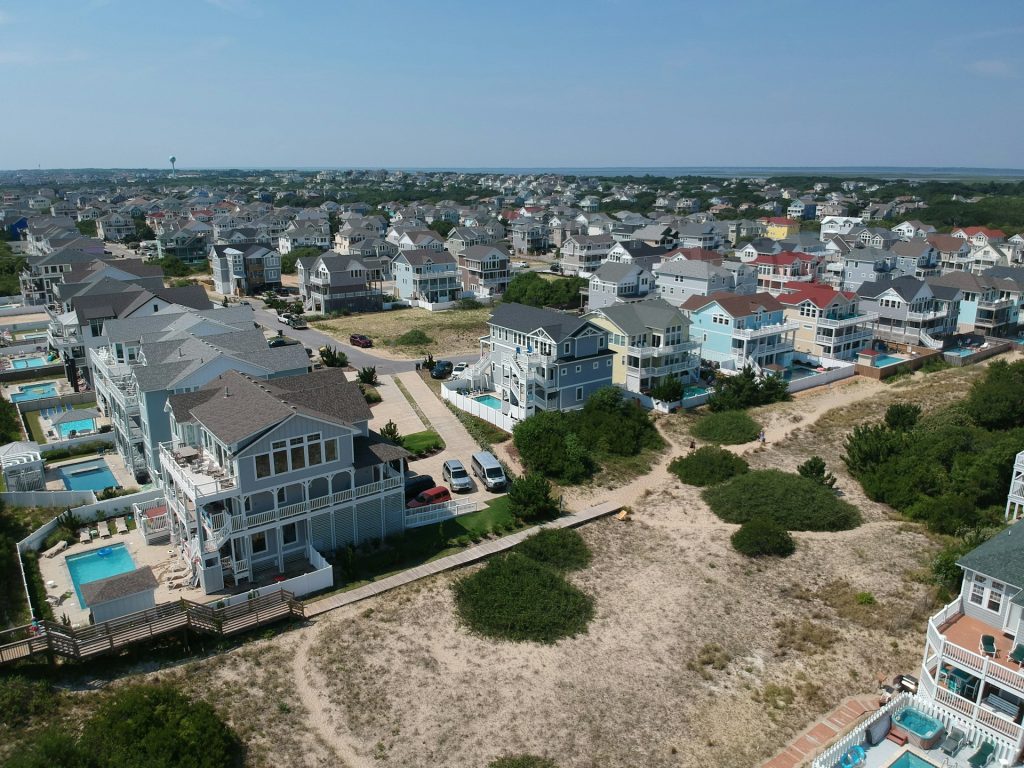
The Outer Banks runs on sharp peaks and quiet off-seasons, which makes tourism pay feel unstable even before rent enters the picture. When summer arrives, prices climb, inventory tightens, and owners often favor weekly visitors over local leases, pushing workers into cramped shares, RV setups, or long commutes from the mainland. Managers keep schedules filled with temporary fixes, but the underlying problem stays the same: the jobs return every year, while housing that fits those wages does not, so staff turnover becomes part of the destination’s seasonal rhythm. It is hard to plan a year around a few high-rent months.
Lowcountry Coast, South Carolina
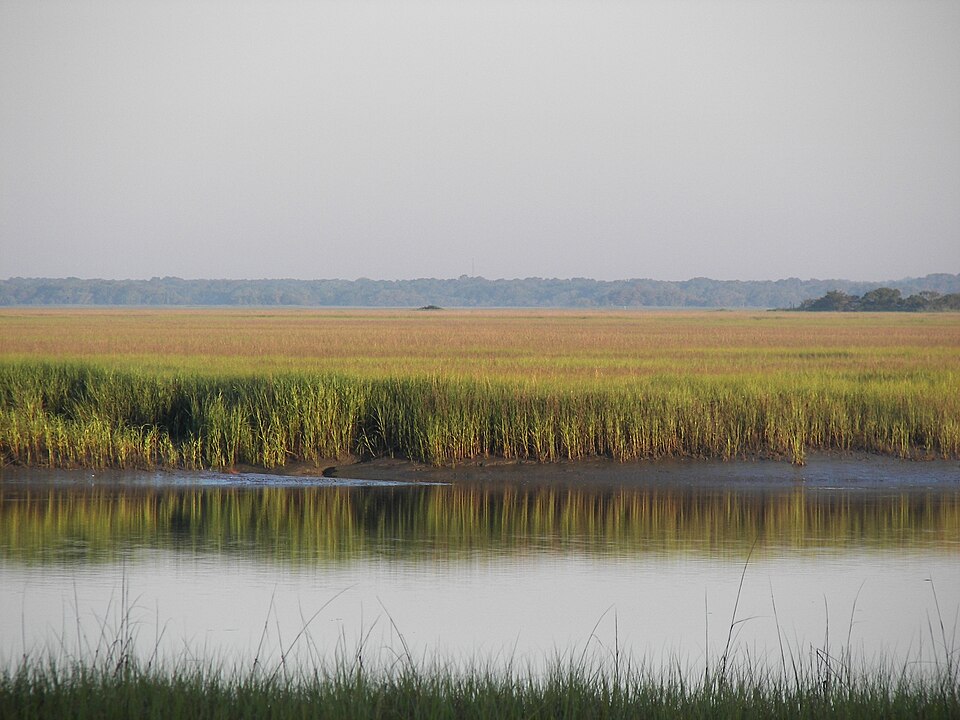
Along South Carolina’s Lowcountry coast, visitor spending fills dining rooms, golf shuttles, and beach rentals, yet many workers live far inland. Rising prices, limited rentals, and a growing short-term market make it hard to stay near waterfront jobs, even for experienced staff who keep operations smooth and guests calm during peak days. Long commutes turn late-night closings and early openings into a grind, and turnover rises, which shows up as reduced hours, fewer open days, slower service, and businesses that cannot keep the same team long enough to build momentum. The welcome stays warm, but the workforce feels stretched thin.
Santa Barbara And The Central Coast, California
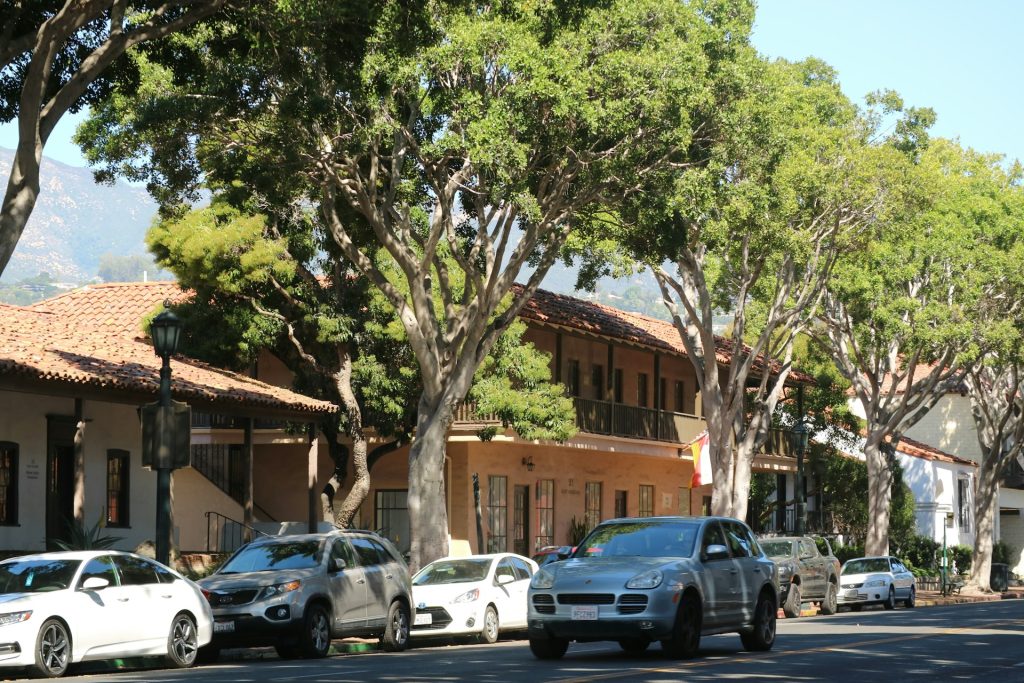
On California’s Central Coast, tourism creates steady demand, but housing scarcity keeps hospitality wages from translating into stability. Santa Barbara and nearby beach towns have tight rental markets and high purchase prices, so many workers share housing well past the point it feels temporary or commute from inland valleys to make the numbers work. Businesses post hiring signs for months, not because the work is rare, but because the cost of living turns a full-time job into a fragile arrangement that can collapse with one rent increase, one car repair, or one childcare change. Stability becomes a luxury item in a place built for leisure.
Lake Tahoe Basin, California And Nevada

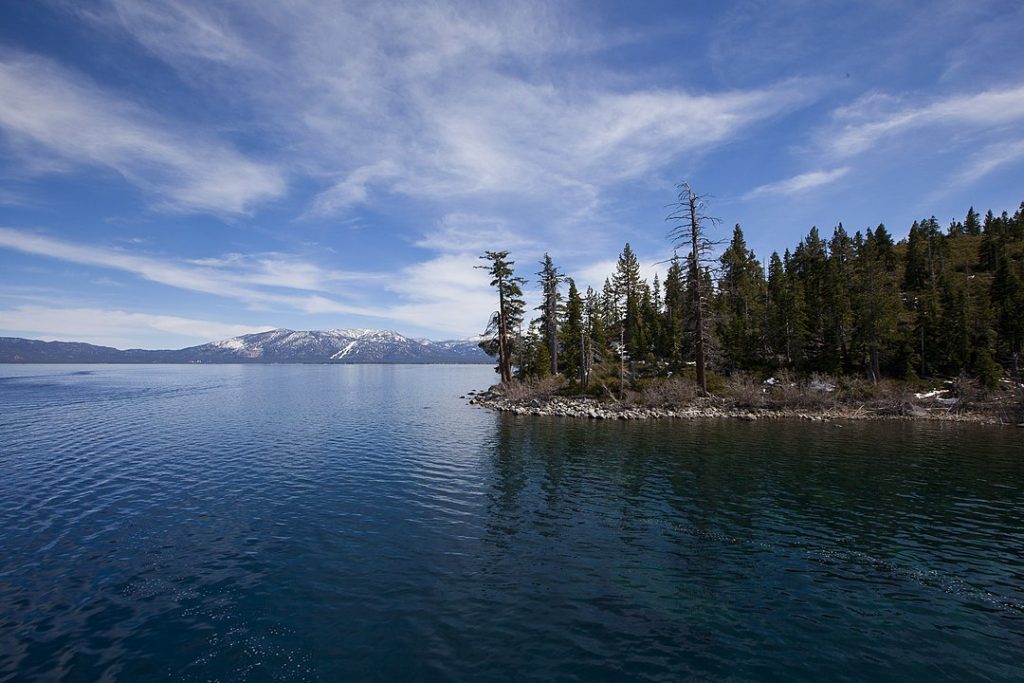
In the Lake Tahoe basin, second homes and short-term stays absorb much of the housing that workers would normally rent year-round. Service jobs stack up in winter and summer, yet many employees live outside the basin and drive in, adding fuel costs, weather risk, and lost time to already modest pay, especially on stormy weekends. Some employers offer limited staff units, but demand outruns supply, so the region relies on a commuting workforce that keeps the resort economy running while living an hour or more away from the lake they help market. That distance shapes who stays, and who quits midseason.
Park City And Summit County, Utah
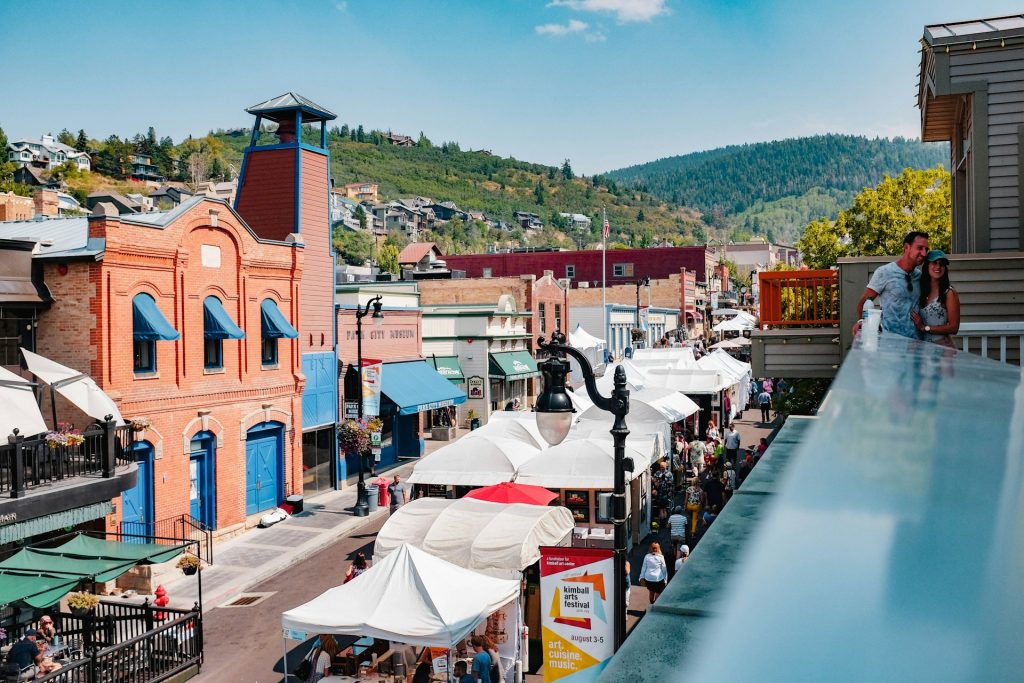
Park City looks polished at peak season, but the housing picture behind the scenes is tense. Prices and limited inventory push many tourism workers out of town, turning every shift into a commute shaped by snow, holiday traffic, and split schedules that leave little room for a second job or family time. Resorts and local leaders promote workforce housing, yet the gap stays visible in constant vacancies, shorter tenures, and service that leans on new hires learning under pressure while visitors still pay premium rates for rooms, lifts, and dining. Over time, the commute becomes the job’s hidden cost.
Jackson Hole And Teton County, Wyoming
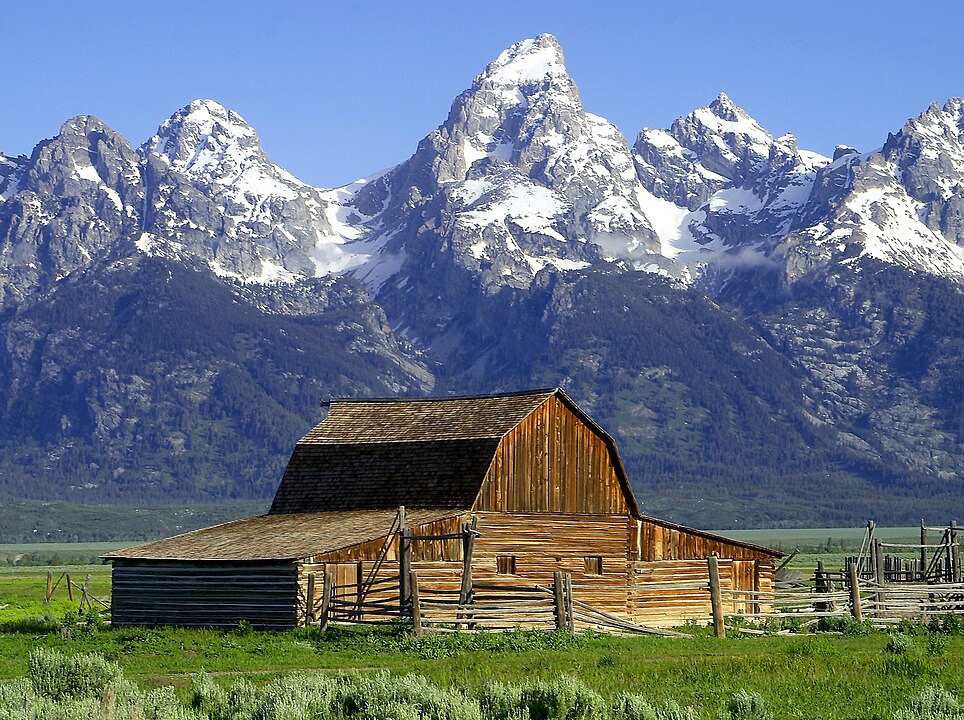
Jackson Hole’s visitor economy carries luxury pricing, while much of the workforce lives outside Teton County to afford rent. Housing scarcity, second-home demand, and limited buildable land push workers into long drives from surrounding valleys, even for jobs that require early starts, late finishes, and weekend coverage. Employers sometimes provide a limited number of beds, but most staff still build life around commuting, which makes it harder to stay for years, start families, or treat tourism work as a stable career that supports more than the basics. The gap between image and daily life keeps widening.
Aspen And The Roaring Fork Valley, Colorado
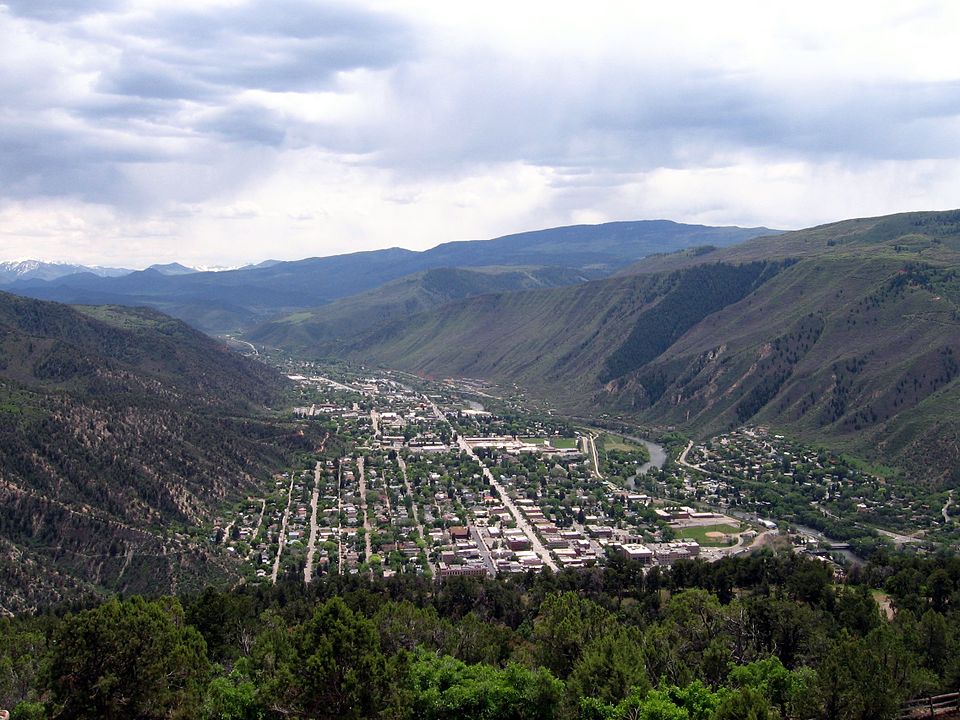
Aspen generates constant demand for hospitality labor, yet the valley’s housing costs make many roles feel like a financial balancing act. Employee-housing programs help, but many workers still live down-valley and rely on buses or carpools to keep rent, food, and childcare manageable, especially when shift times change week to week. Split shifts stretch the day, leases can be short or shared, and even returning staff may feel one rent jump away from leaving, which forces businesses to rebuild teams each season and makes consistency hard to protect. Many workers measure weeks in bus timetables and rent due dates.
Southeast Alaska Cruise Ports
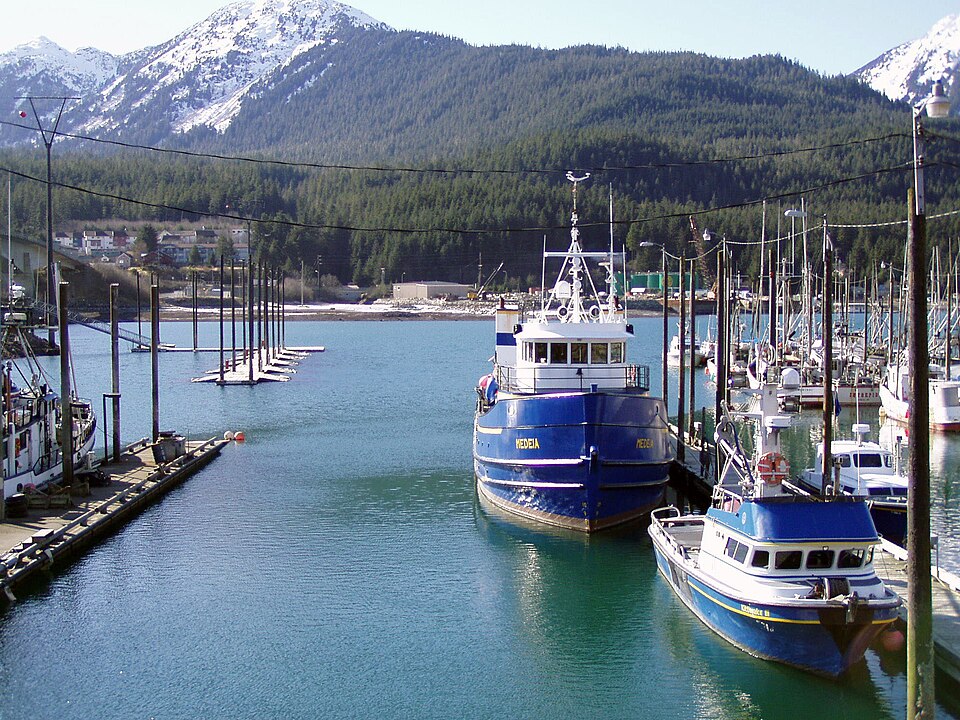
In Southeast Alaska cruise towns, summer brings packed docks and a burst of jobs, but the work is seasonal and the housing stock is limited. When short-term rentals compete with local leases, even a strong season can end with workers living far from town centers or rotating through temporary rooms that disappear when visitors arrive. That instability makes retention hard, training expensive, and staffing thin, so businesses shorten hours or scale back tours, even when visitor volume remains high and demand looks strong from the outside. In small towns, a few missing staff can change the whole day.