12 Destinations Too Risky for Casual Travelers
Some travelers love chasing the thrill of places most people will never see. Here’s the thing: not every destination rewards that sense of adventure. Several regions that are rich in culture, history, or landscapes are dealing with violence, political upheaval, or cracks in basic services that turn a simple trip into a serious gamble. This isn’t about scaring you away from the unknown. It’s about giving you a clear look at places where the danger currently outweighs the experience. If you’re planning something bold this year, knowing where the real red flags are will help you make smarter choices.
1. Somalia
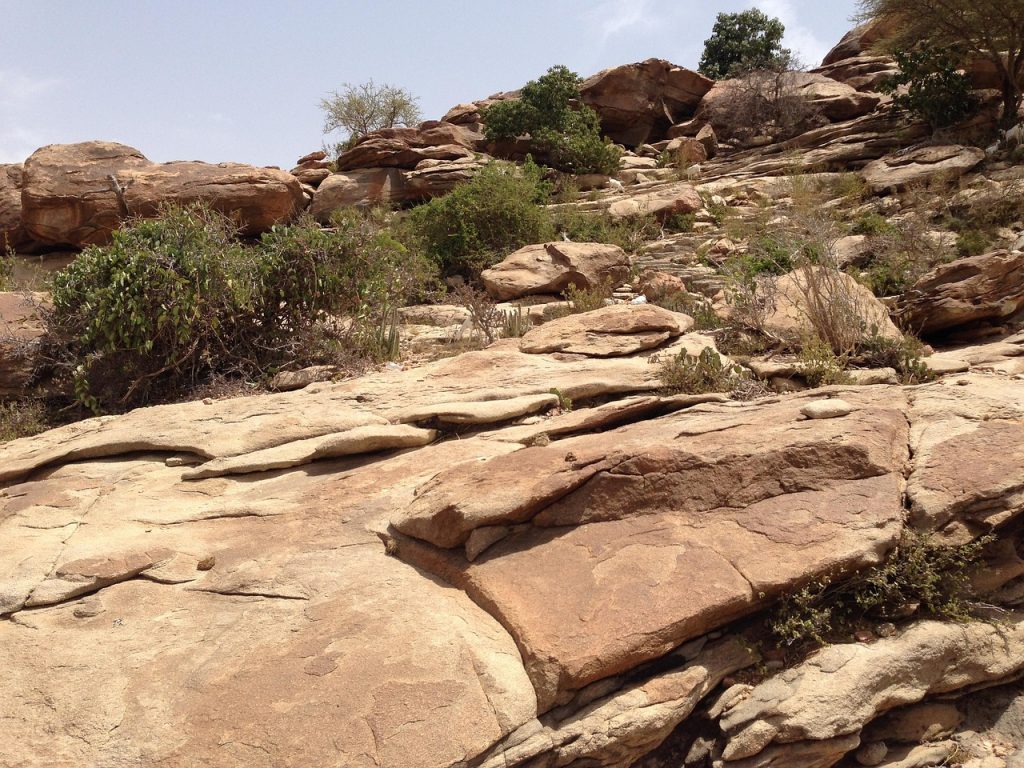
Somalia remains under a Level 4 U.S. advisory, and for good reason. Al Shabaab attacks, kidnappings, roadside bombs, and clashes with security forces are frequent, especially in Mogadishu and southern regions. Piracy threats persist offshore, and government control varies wildly from one district to the next. Healthcare, transportation, and emergency support are severely limited. Even aid groups operate with private security and evacuation plans. For casual travelers, the risk of targeted violence makes visiting extremely unsafe.
2. Afghanistan
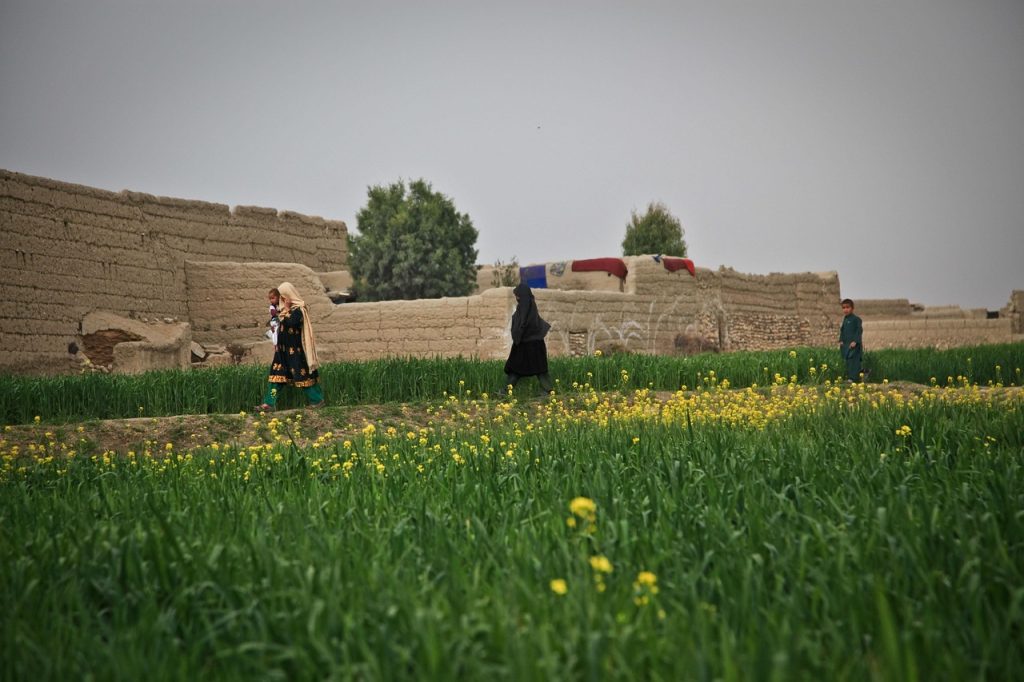
Afghanistan stays firmly on the “Do Not Travel” list. The Taliban controls the country, and attacks by ISIS K continue in major cities. Foreigners face unpredictable treatment at checkpoints, detention risks, and almost no consular support since most embassies are closed. Some adventurous travelers talk about visiting for cultural sites or mountain scenery, but the reality is straightforward: movement is restricted, information is unreliable, and the safety environment can shift in minutes.
3. Yemen
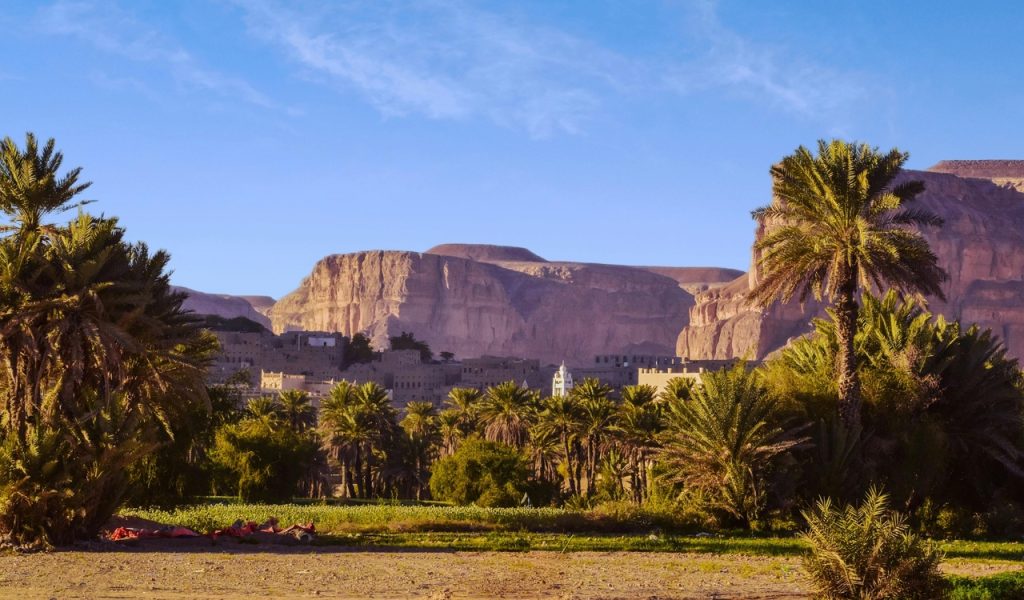
Yemen is still in an active conflict zone with airstrikes, ground fighting, and severe humanitarian shortages. Cholera outbreaks and damaged hospitals make medical care unreliable, and kidnappings remain a concern across several regions. The U.S. maintains a Level 4 advisory with no consular presence. Even travel between cities is dangerous due to shifting front lines and roadblocks. Tourism isn’t just discouraged; it’s effectively impossible.
4. North Korea
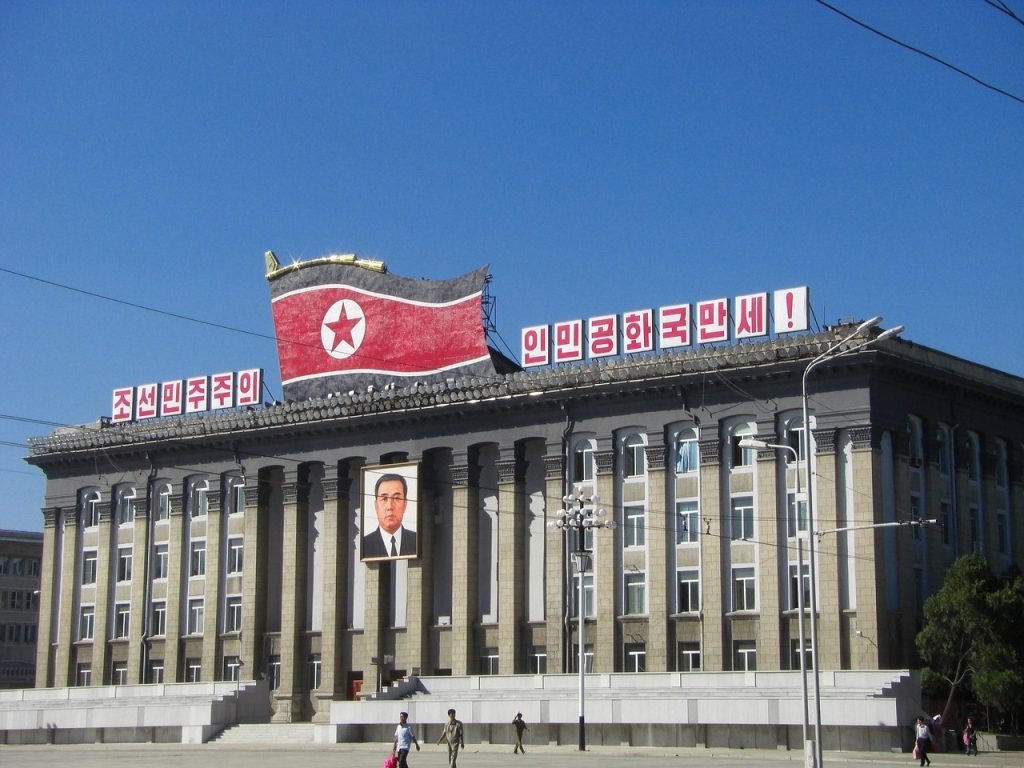
Tourism to North Korea remains heavily controlled. Independent travel isn’t allowed, and group tours operate under strict government oversight. Foreigners have no freedom of movement, must follow assigned guides everywhere, and face harsh penalties for actions considered normal anywhere else. After border closures in 2020, limited group tourism began reopening in late 2024 and early 2025, but only through approved agencies and under tighter surveillance. Consular help is minimal, and visitors risk detention for misunderstandings.
5. Syria
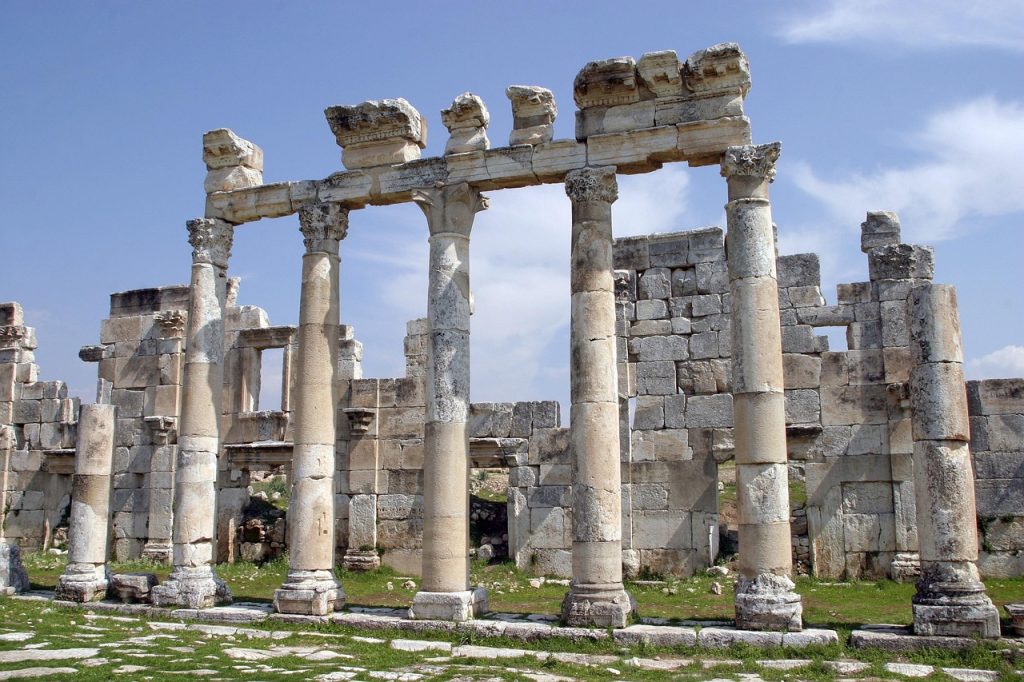
Much of Syria is still unstable despite reduced fighting in some areas. The U.S. advisory remains Level 4 due to militias, targeted attacks, unexploded ordnance, and unpredictable detentions. Border areas near Turkey, Iraq, Israel, and Lebanon have their own flare ups and periodic closures. Even regions that appear calm can shift quickly with political changes or local clashes. For anyone without essential business, overland travel is unsafe.
6. Venezuela
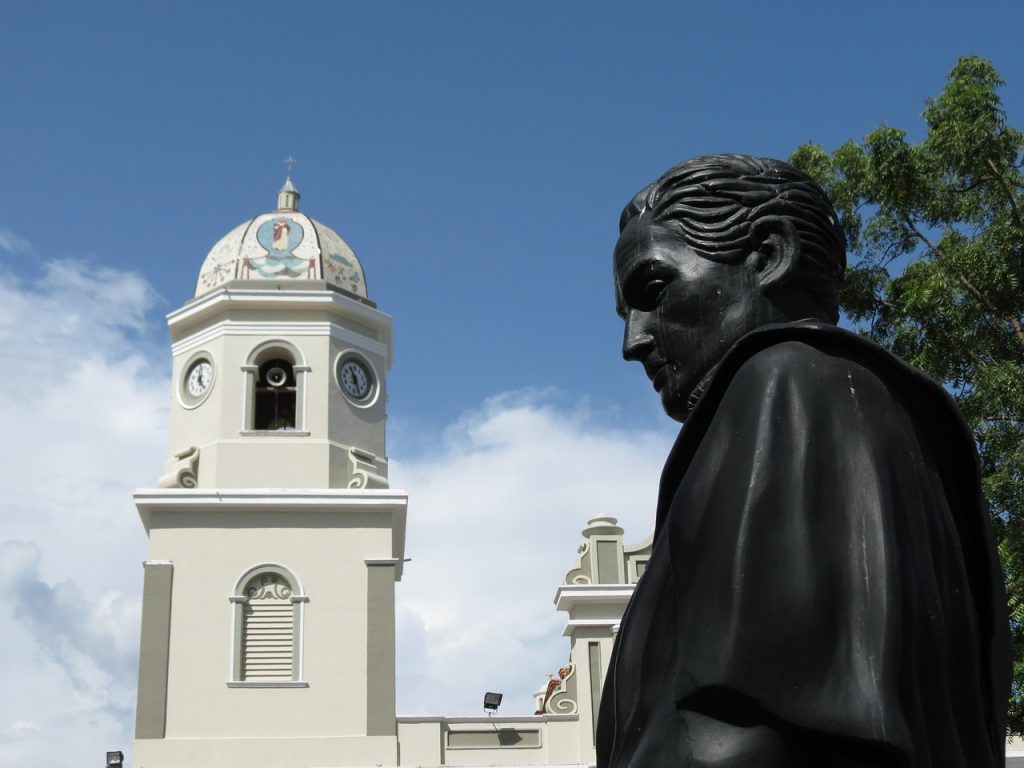
Venezuela’s natural beauty is real, but so are the dangers. Hyperinflation, shortages of medicine and fuel, and high levels of violent crime make day to day travel risky. Protests and clashes with security forces still occur, especially around election periods and late 2024 unrest. Aid organizations report targeted robberies and kidnapping threats. U.S. travelers also face limited consular support since the embassy suspended operations years ago.
7. Haiti
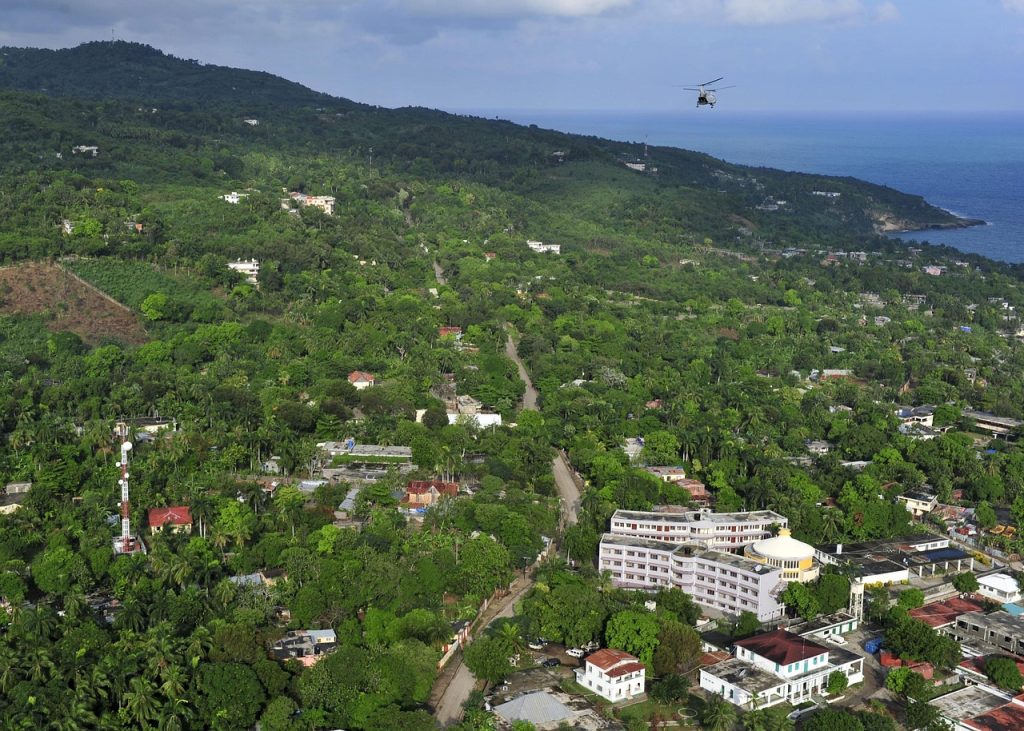
Haiti entered 2024–2025 with severe gang control over Port au Prince and surrounding areas. Kidnappings, roadblocks, and battles with police are common. Fuel shortages and hospital closures make basic movement and care difficult. The U.S. keeps it at Level 4, and most airports and roads in and out of the capital remain insecure. Even humanitarian missions require armored vehicles and security escorts.
8. Libya
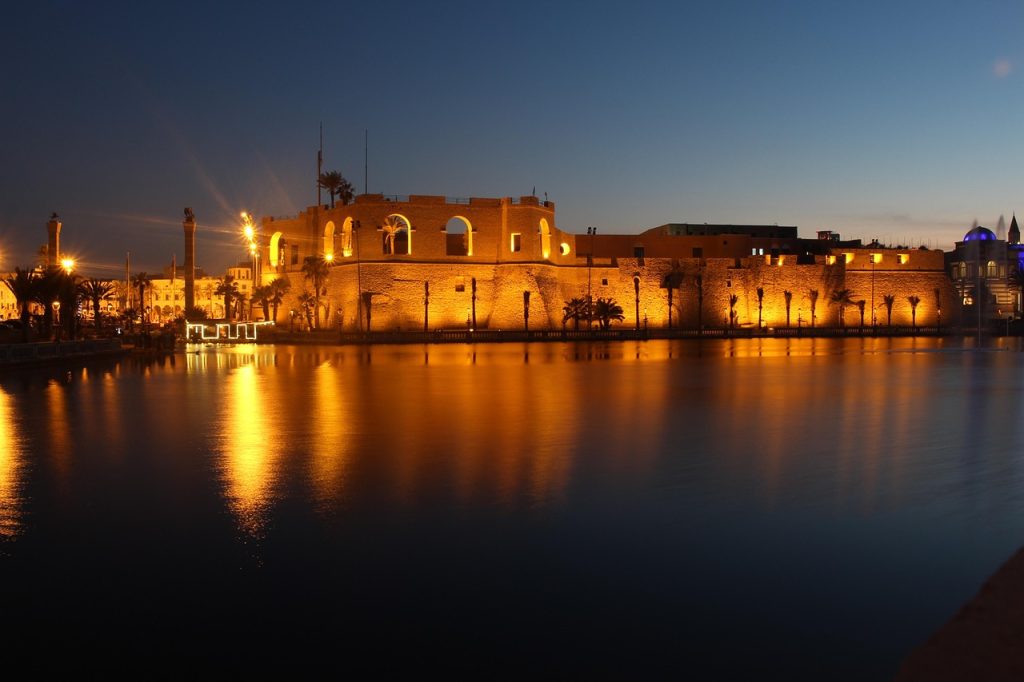
Libya is divided between competing administrations, with militias controlling key transport routes. Clashes can erupt without warning, and airports sometimes shut down with little notice. Terrorist groups operate in remote areas, and foreigners can face interrogation or document seizures at checkpoints. With unpredictable borders and weak infrastructure, casual tourism isn’t realistic or safe right now.
9. Myanmar

After the 2021 coup, the conflict spread into 2024 and 2025. Large parts of Myanmar are off limits due to fighting between the military and resistance forces. Curfews, internet shutdowns, and blocked roads make planning nearly impossible. A few places, like parts of Yangon, Bagan, and Inle Lake, may appear calmer and allow limited tourism under close monitoring, but the situation shifts often, and sudden clashes have hit even “open” regions. Travelers face unpredictable restrictions and limited medical support.
10. Mali
Mali remains under a Level 4 advisory because of terrorism, banditry, and frequent kidnappings. Attacks in the central and northern regions target locals, soldiers, and foreigners. The government’s ability to secure roads is limited, and militant groups control large stretches of the desert. Even escorted tours face risks due to ambushes and roadside bombs. For most travelers, the danger level is too high to justify a visit.
11. Sudan
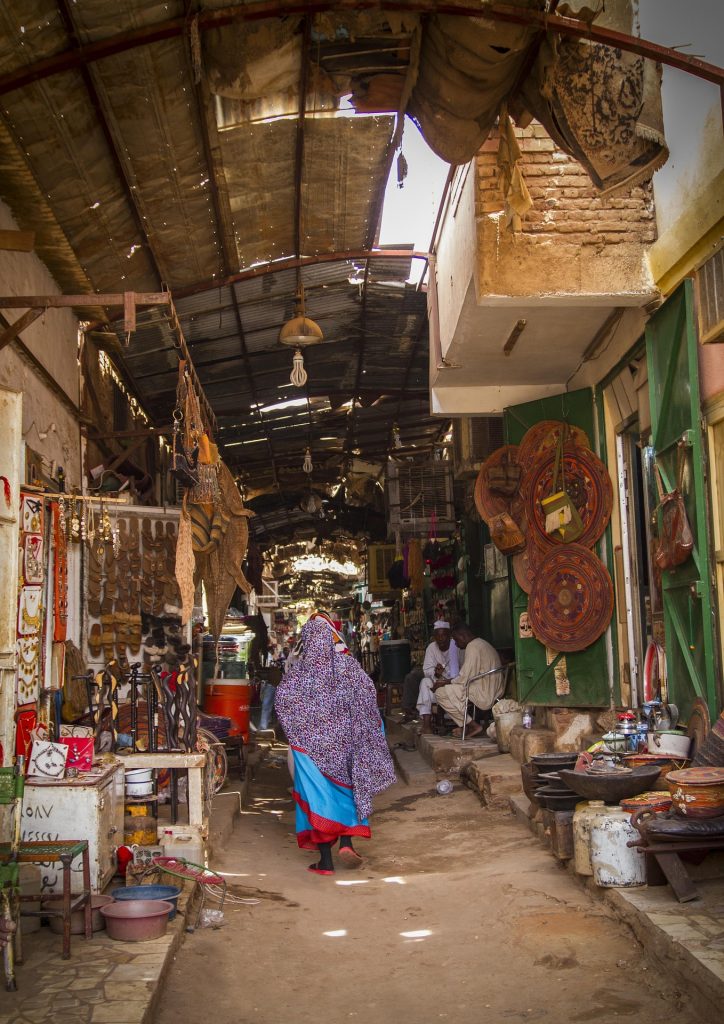
Sudan’s internal conflict between rival military factions pushed the country into crisis through 2024 and well into 2025. Cities like Khartoum face fighting, power outages, and shortages of food, fuel, and medicine. Borders open and close rapidly, and roads are unsafe due to looting and clashes. Foreigners have been caught in crossfire or detained at checkpoints. With limited evacuation routes and no reliable security, travel isn’t advisable.
12. Democratic Republic of Congo
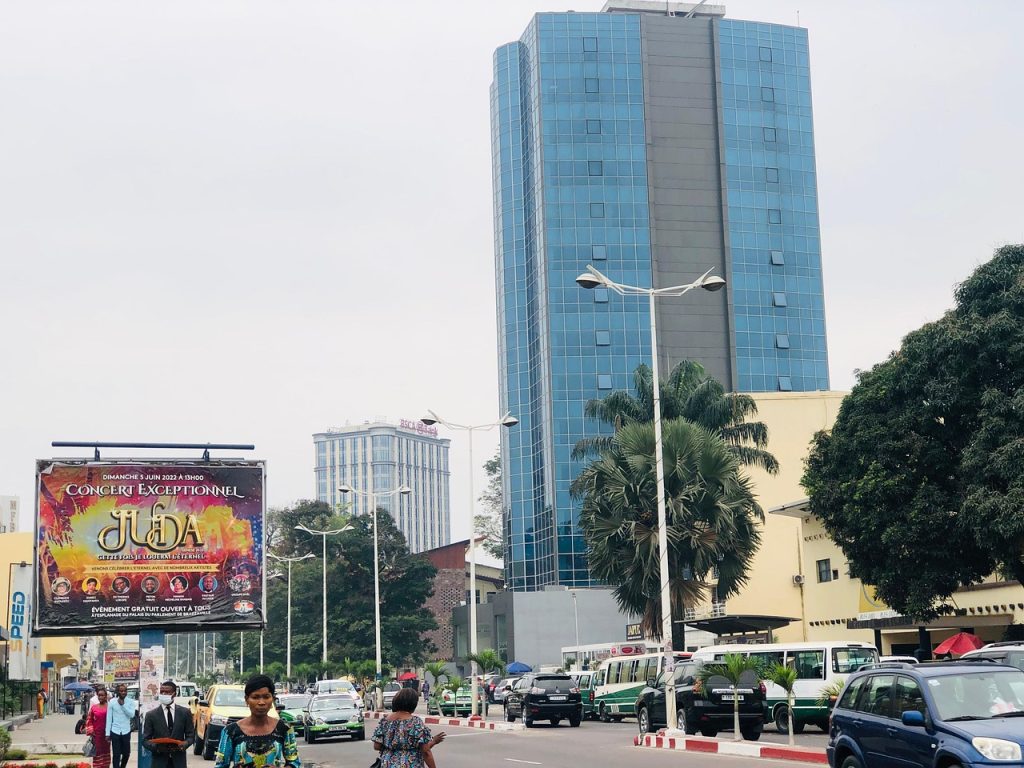
The eastern DRC continues to grapple with armed groups, clashes, and mass displacement. Even areas that attract adventurous wildlife travelers, like Virunga, have faced attacks and periodic closures. Infrastructure is thin, medical care is limited, and outbreaks of diseases like Ebola still appear in certain regions. The advisory remains Level 4 in several provinces, and movement may require private security.