12 Historic Districts Where Tourism Is Carefully Managed

Historic districts do not unravel overnight. They fray when crowds arrive faster than streets can absorb, and daily routines get squeezed by noise, traffic, and shortcuts.
The places that endure manage tourism like a shared utility. They pace entry, control vehicles, set boundaries, and fund upkeep so old stone stays legible and neighborhoods stay livable.
Careful management is not about locking history behind ropes. It is about keeping the experience calm enough that culture can be noticed, and local life can continue without being pushed aside.
Venice Historic Center, Italy
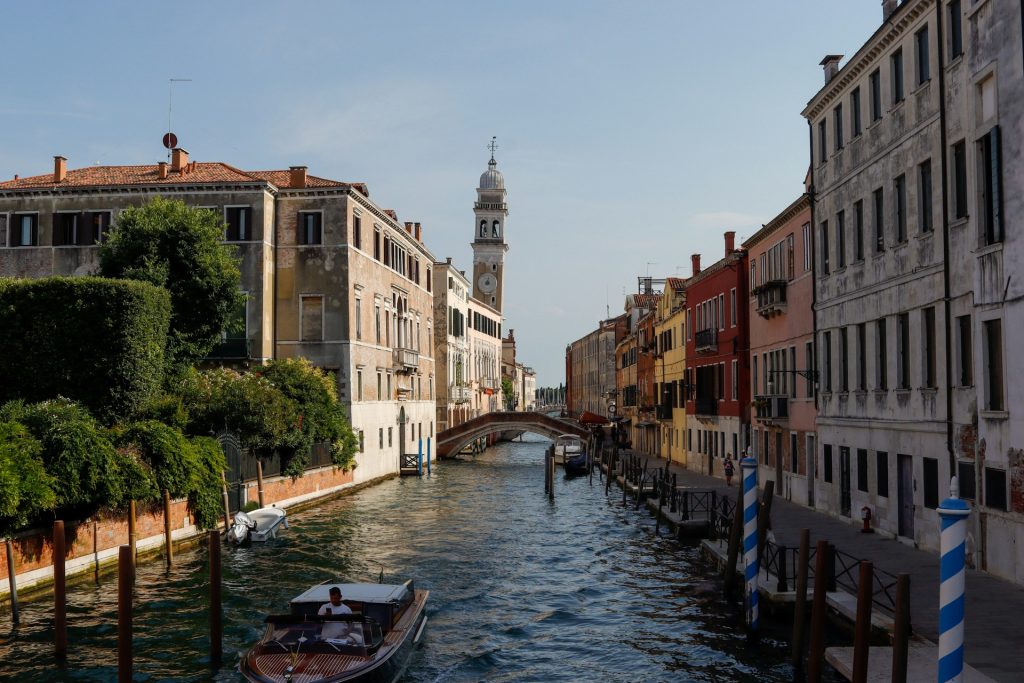
Venice now treats entry like a finite resource on select peak days, requiring day visitors to register and pay a small access fee before entering the historic center.
That pause creates a headcount and a basis for checks, and it nudges planning over impulse. The goal is to soften sudden surges that jam bridges, vaporetto stops, and the narrow calli where daily errands still happen.
It does not shrink demand, but it changes the rhythm. Streets stay more passable, public services recover faster, and residents see a public acknowledgment that capacity matters in a city built for footsteps and tides. It buys the city time to breathe.
Dubrovnik Old Town, Croatia
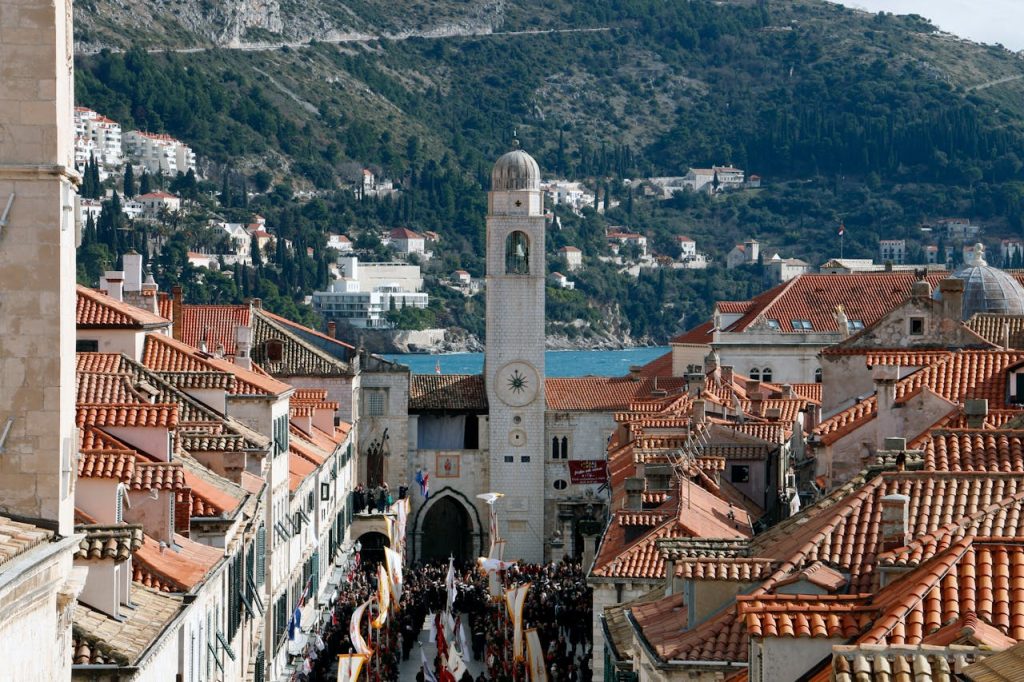
Dubrovnik’s walled Old Town is small enough that one cruise rush can flip the mood from calm to gridlock, so the city leans on schedule coordination and real-time crowd monitoring at key gates.
Instead of letting arrivals stack in a single wave, managers aim to spread pressure through the day, keep lanes walkable, and reduce the shoulder-to-shoulder friction that wears stone steps and drains staff.
The benefit is not only preservation. Deliveries move, residents cross town without fighting a tide, and visitors meet the walls and streets as a living place, not a stalled queue. The pace stays breathable, even at midday. Most days.
Bruges Historic Center, Belgium
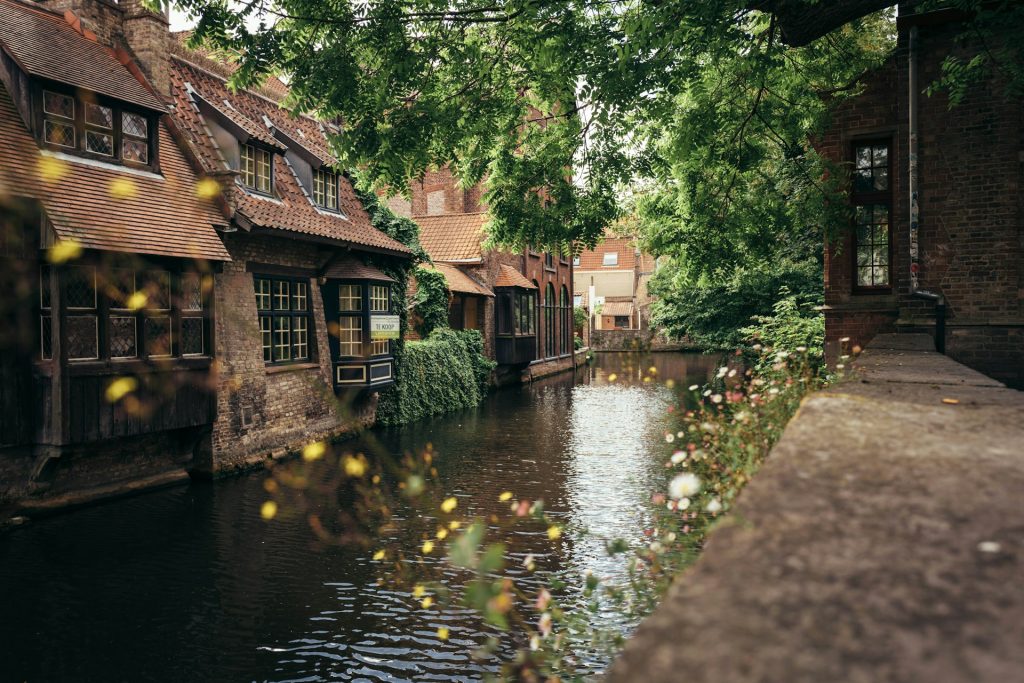
Bruges protects its medieval core by managing coach traffic first. Group drop-offs are pushed to designated zones so large vehicles do not idle and pivot through streets built for carts.
Less bus movement in the center means less noise at canal bridges, fewer bottlenecks, and fewer vibrations against old masonry and cobbles. It also keeps emergency access clearer when crowds thicken in summer.
The result feels calmer without feeling closed. Visitors still arrive in volume, but they enter on foot, at a pace the city can absorb, while residents keep a neighborhood that still functions after dark; mornings feel less rushed.
Tallinn Old Town, Estonia
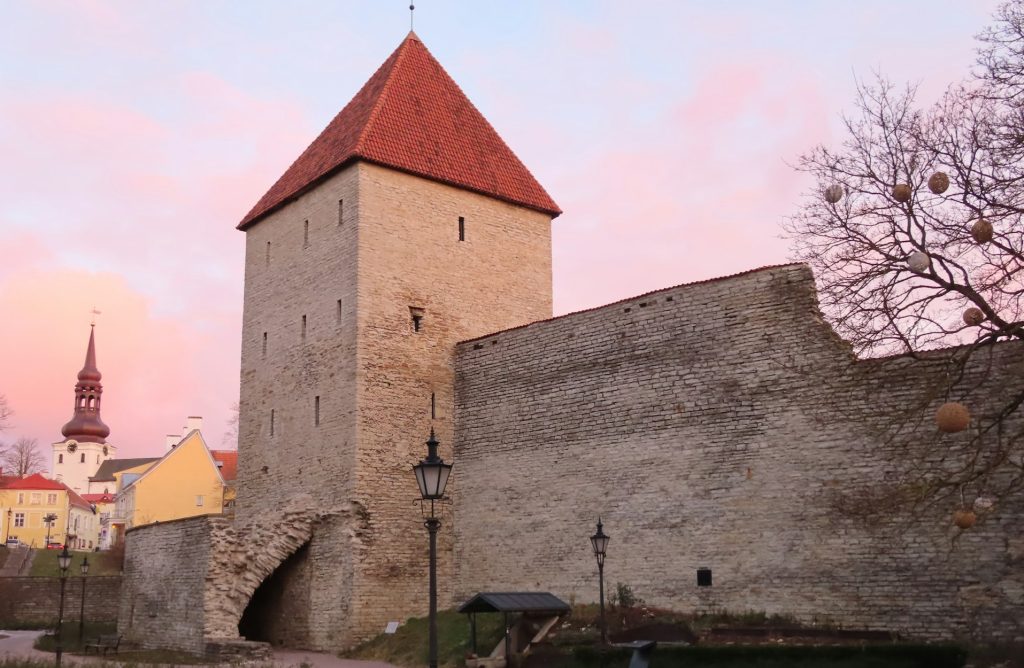
Tallinn keeps its Old Town human-scaled by limiting vehicle access in the pedestrian core through permits and time windows, so most hours belong to walkers rather than traffic.
That control protects atmosphere, but it also protects structure. Fewer tight turns and less vibration reduce stress on fragile curbs, street stones, and building edges that predate modern loading and heavy vans.
Clear rules reduce friction for everyone. Residents and deliveries have defined options, visitors stop expecting shortcuts, and the district reads as a lived-in neighborhood with history. The calm feels earned, not accidental. Stone lasts longer that way.
Hoi An Ancient Town, Vietnam

Hoi An’s Ancient Town ties tourism to preservation through a ticket system that funds upkeep and encourages visits to designated heritage homes, halls, and small museums.
That structure spreads foot traffic beyond the busiest lantern streets and gives staff a way to explain limits without turning the town into a scolding zone. Maintenance becomes planned work, not constant crisis repair.
The evenings still glow, but the pressure is shaped. When tourism helps pay directly for care, residents are less likely to feel extracted from, and the district stays readable rather than worn smooth over time. The money shows up as care.
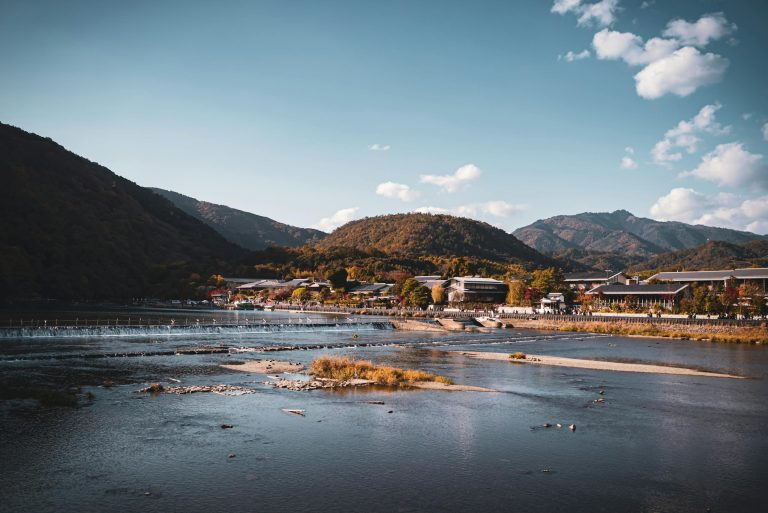
Gion, Kyoto, Japan
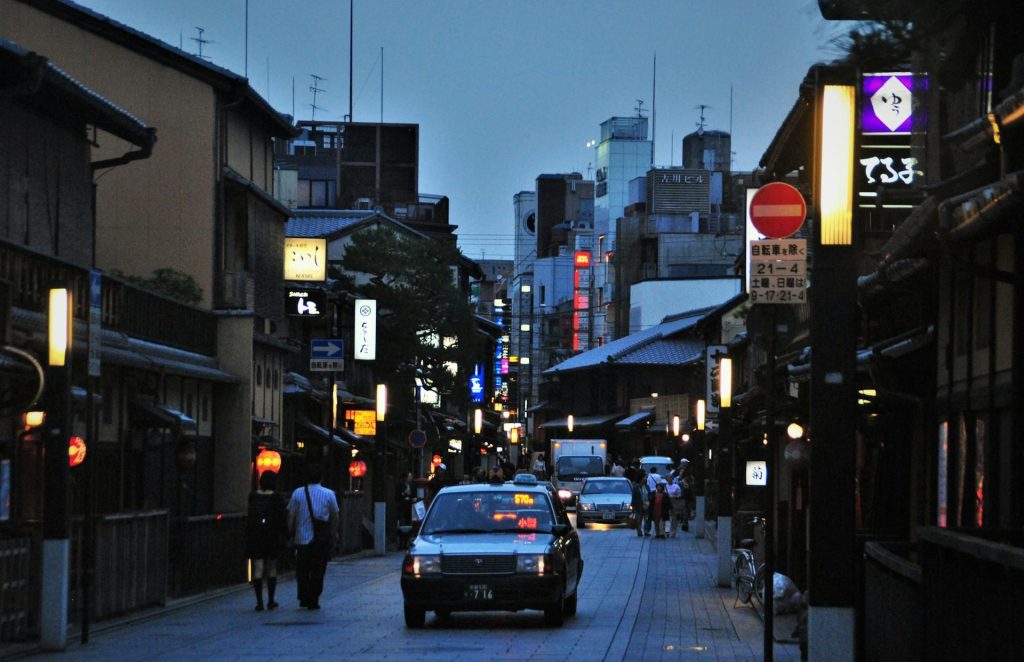
Kyoto’s Gion draws heavy attention, but parts of it are private lanes, not public corridors. Restrictions and enforcement in certain narrow alleys respond to crowding and intrusive behavior.
The intent is protective: keep small passages from becoming camera funnels and protect residents and cultural workers from being treated like scenery. Clear signage and fines make boundaries easier to respect.
Visitors can still walk main streets and nearby areas, but the district stays calmer when limits hold. The culture becomes easier to notice when daily rhythm and privacy are treated as part of the craft, not a souvenir. Quiet returns.
Acropolis Edge And Plaka, Athens, Greece
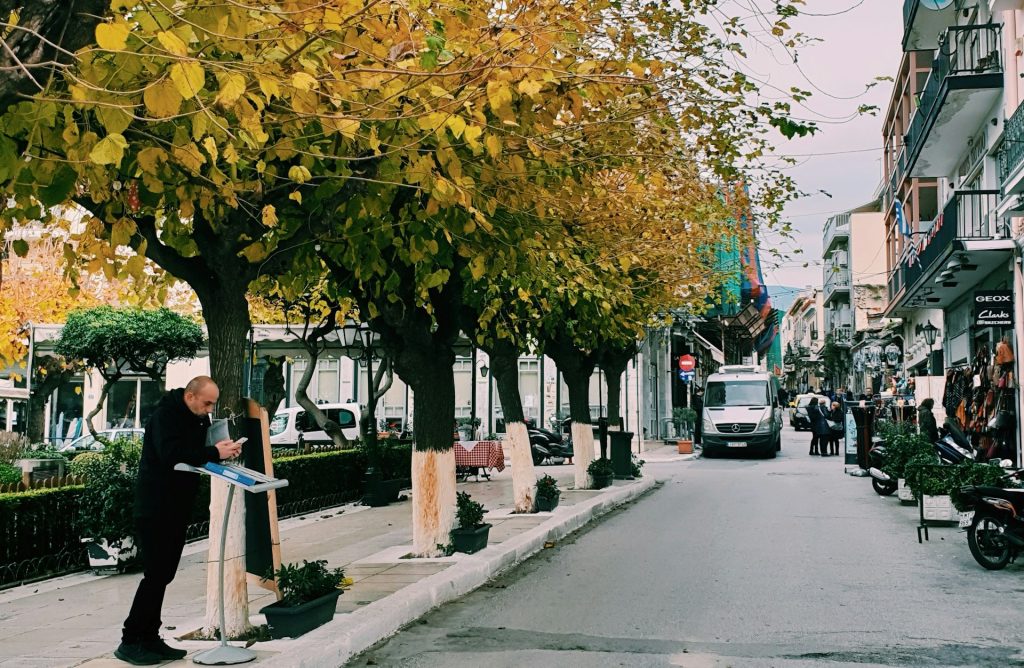
Athens has used timed entry at the Acropolis to smooth the daily surge that once stacked crowds on narrow paths. Slot-based tickets spread arrivals across the day and reduce midday pileups.
That matters on worn stone and steep steps. When groups bunch up, surfaces take more abrasion, staff lose control of flow, and heat plus congestion can turn a historic climb into a stressful shuffle.
A steadier rhythm ripples outward. Nearby Plaka feels less like spillover, streets stay more navigable, and the setting holds onto a sense of place instead of feeling like a pipeline feeding one choke point every hour. The hilltop feels safer, too.
Alhambra And Albaicín, Granada, Spain

Granada’s Alhambra manages demand through scheduled entry, timed access to key areas, and identity-checked tickets that discourage casual reselling and last-minute crowd spikes.
That structure protects carved surfaces, tight corridors, and garden paths that do not recover quickly from constant pressure. Predictable flow also lets staff intervene early when routes start to clog.
The nearby Albaicín benefits from that pacing. When the Alhambra is steadier, hillside streets below are less likely to flood in a single burst, and the neighborhood keeps more of its everyday tempo at dusk. It stays lived-in, not overrun. Routes stay clear.
Mont-Saint-Michel, France
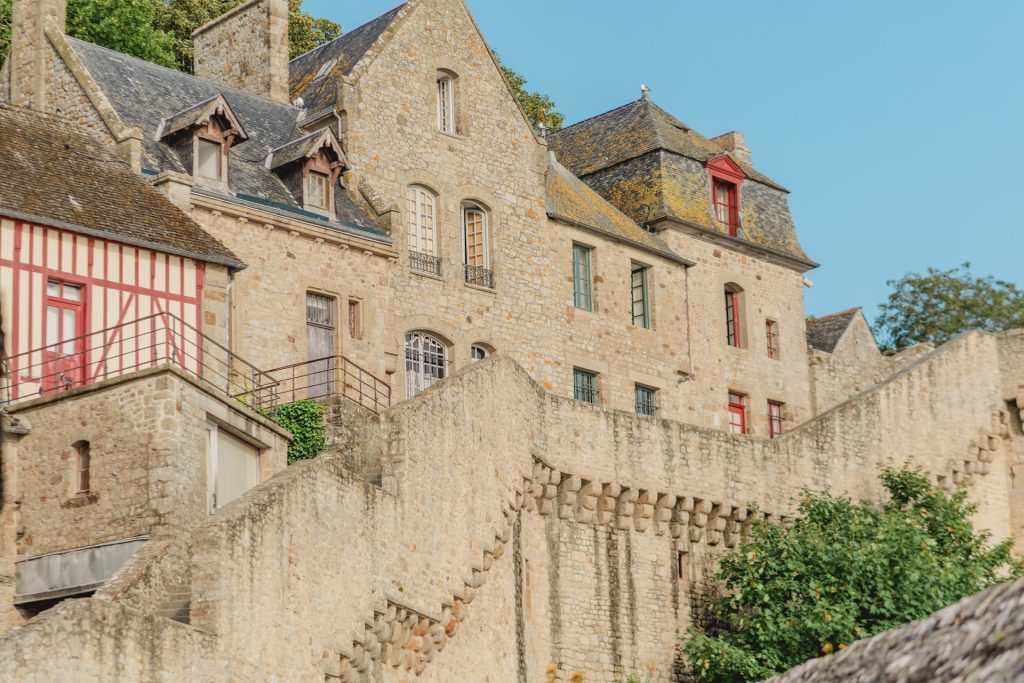
Mont-Saint-Michel manages tourism by controlling the approach: private cars stop on the mainland, and visitors reach the mount by shuttle or on foot along the causeway.
Keeping vehicles away from the base reduces idling, noise, and crowd-conflict in a tight footprint. It also preserves the first view, which stays dominated by stone and sky rather than bumpers and parking lines.
The system creates a natural buffer that slows arrival. Peak hours become easier to handle through predictable routes, and the village feels less like a traffic loop and more like a place with its own quiet tempo. The approach stays orderly, even in summer.
Pompeii Archaeological Park, Italy
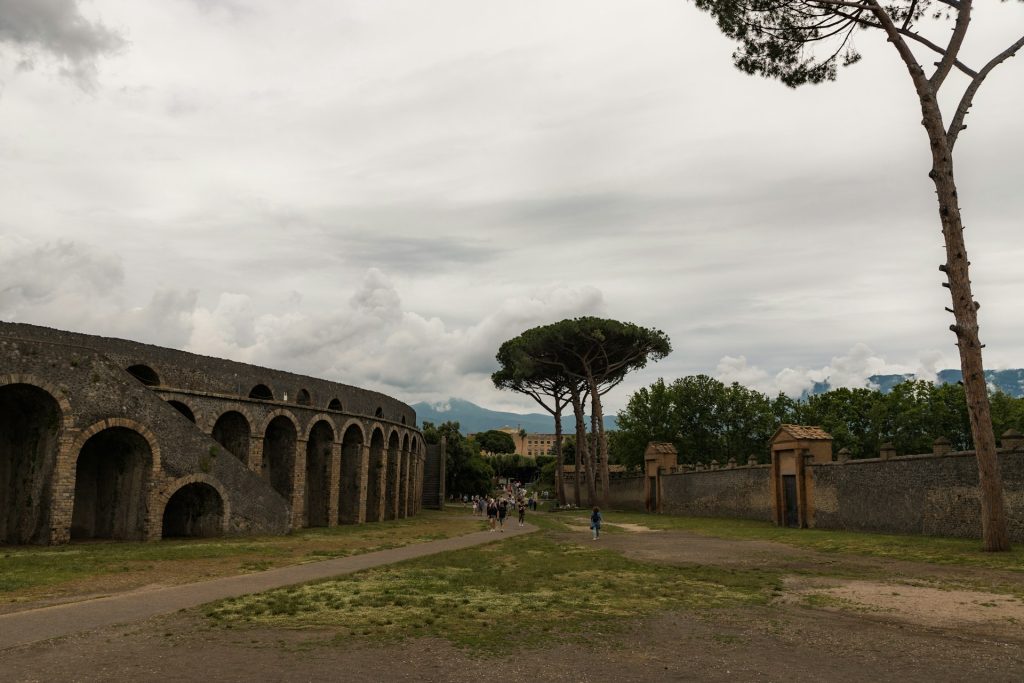
Pompeii has moved toward hard limits with a capped number of daily admissions and personalized tickets, paired with time slots in peak periods to spread arrivals.
The preservation logic is plain. Heavy foot traffic accelerates wear on ancient paving and thresholds, while dense crowds raise safety risks when heat builds and movement stalls in narrow streets.
A controlled flow makes the site more legible. Details are easier to see, staff can maintain routes without constant triage, and pressure is shared with nearby sites instead of concentrating into one crushing peak each day. It is also easier to manage shade and water breaks.
Old Québec, Québec City, Canada
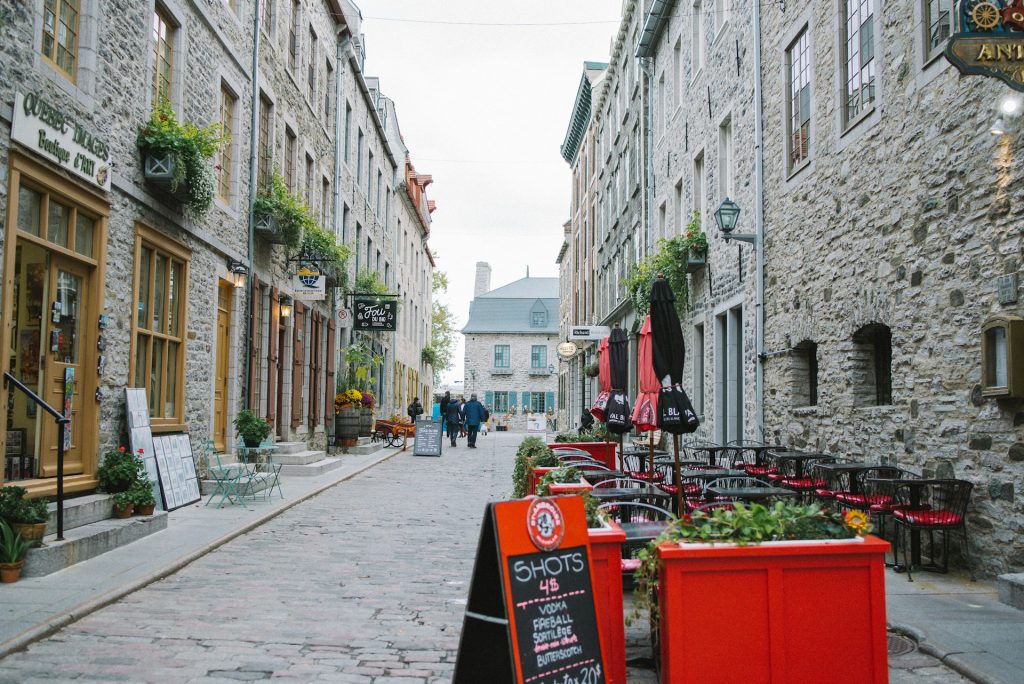
Old Québec stays more livable by managing tour bus and vehicle movement around a compact historic core. Routes, loading zones, and rules reduce congestion where streets were never designed for modern volume.
Fewer conflicts at gates and corners improves safety and lowers noise where stone and close walls amplify sound. Cleaner flow also helps air quality during heavy seasons when idling can dominate.
The payoff is tone. When buses are handled outside the tightest blocks, the district keeps its walking rhythm, residents move without constant blockage, and visitors experience a place that still feels inhabited year-round, even in peak season.
Cinque Terre Villages, Italy
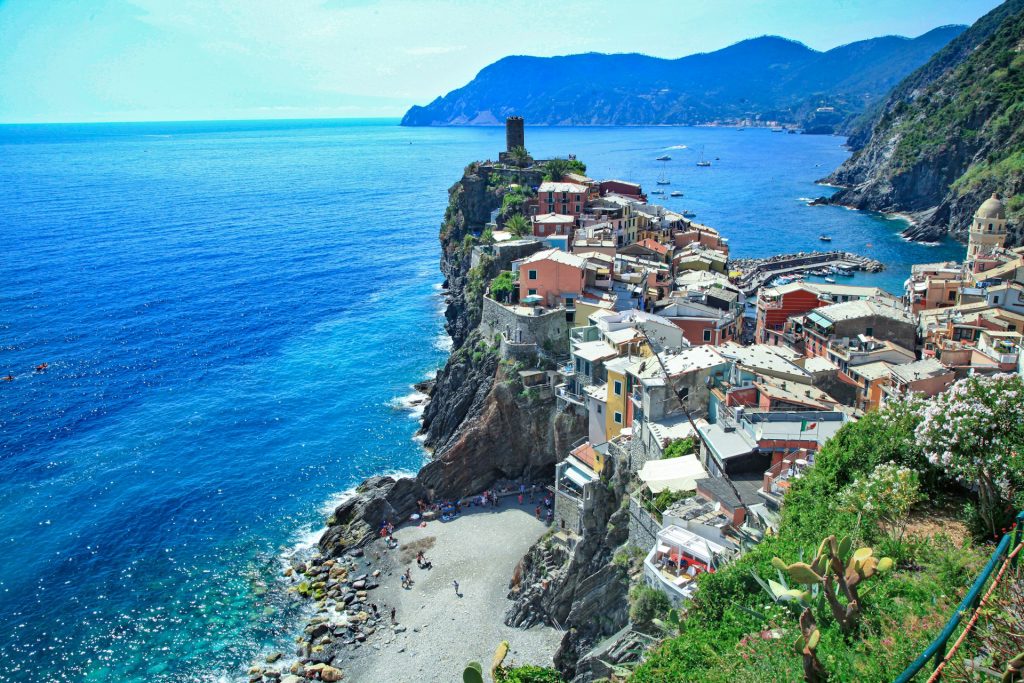
Cinque Terre protects its villages by managing what takes the most wear: trails and transit. A park card system helps fund maintenance and guides visitors toward approved routes and rail travel between towns.
That fits the terrain. Terraces and cliff paths can fail under constant pressure, especially after storms, and repairs are slow when stones slip. Clear rules reduce risky detours and crowding on fragile edges.
Funding and enforcement keep the landscape readable. The villages stay functional, trail crews stay resourced, and visitors move through scenery that still holds its shape instead of being worn down season after season.