12 Tourist Destinations That Are Far More Dangerous Than They Seem
Some trips begin with a postcard promise: a black sand shore, a famous canyon rim, a calm lagoon, a sunrise summit. Beauty can make risk feel optional, and that is where trouble starts. Places that look easy from a parking lot can turn demanding once wind or water takes over.
Weather shifts, currents surge, heat rises, and crowds compress the margin for error. Plans that look sensible on a screen can unravel when timing slips and fatigue stacks.
Local signs, seasonal rules, and permit systems exist because the same patterns repeat. Calm preparation and early pivots keep the day focused on wonder, not logistics, and that is luxury.
Reynisfjara Black Sand Beach, Iceland
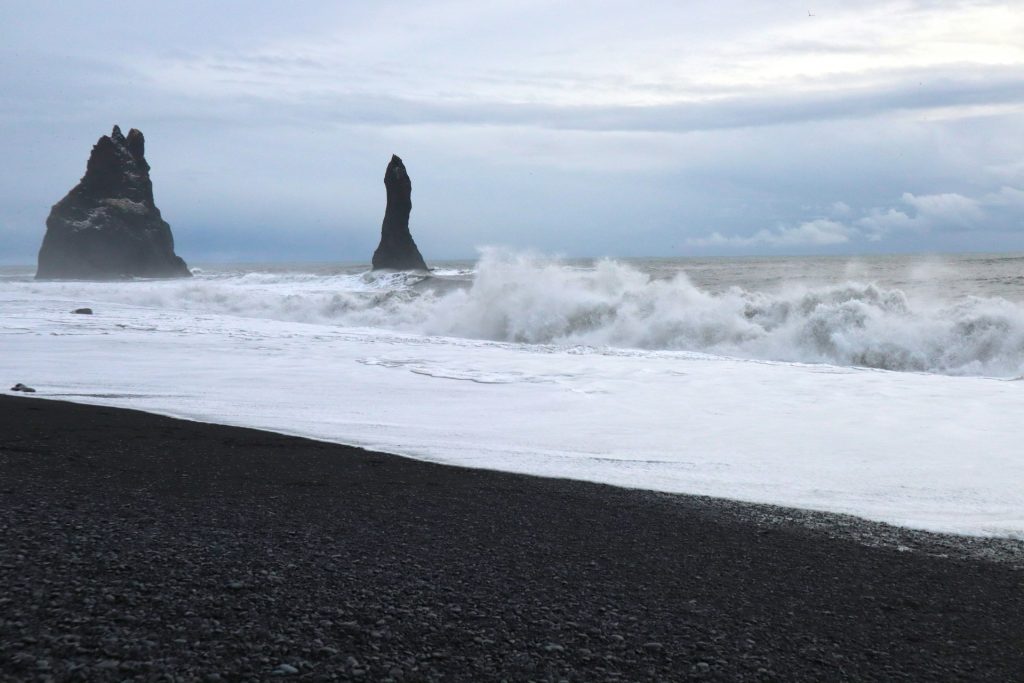
Reynisfjara feels like a quick stop, with black sand, basalt columns, and a horizon that looks calm in photos. The catch is the surf. Sneaker waves can rush far past the usual break after a quiet lull, and the pullback can knock balance off on slick stones. Wind and spray distort distance, so the shoreline can feel safer than it is, especially when crowds gather.
Safety lights and marked zones are there because visitors drift closer for a better angle, then get surprised by the next surge.
The simplest habit is constant scanning and staying on dry sand, with pockets zipped and hands free for secure footing at all times now.
Grand Canyon Corridor Trails, Arizona
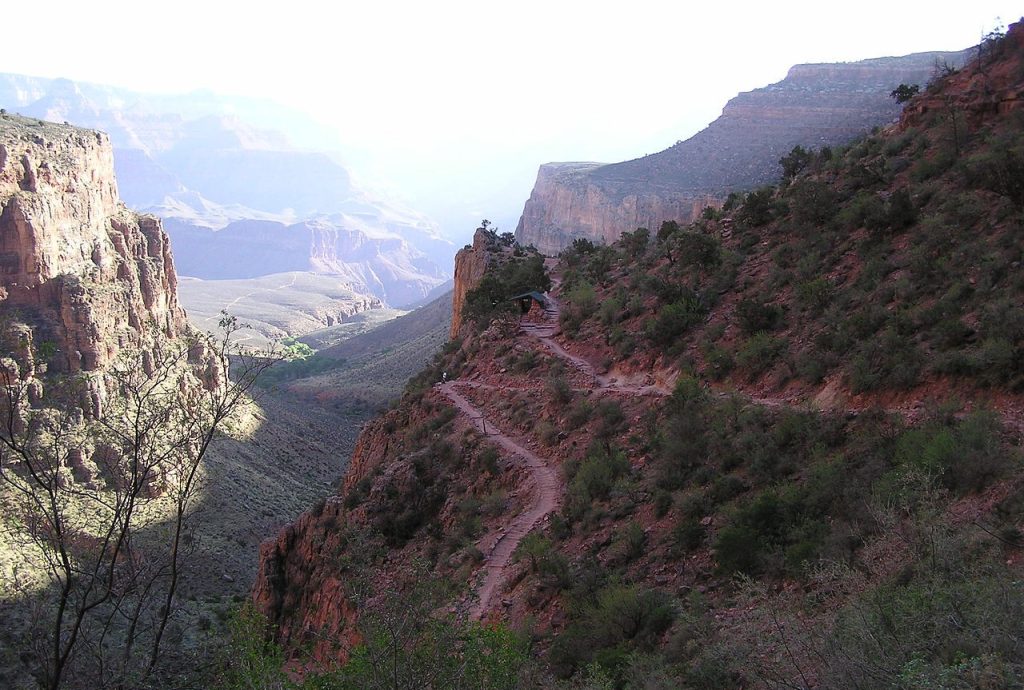
From the rim, the Grand Canyon can look like a friendly walk with wide paths and scenic overlooks. Down on corridor trails, heat and effort stack quickly, and the climb out asks for steady pacing when energy is already spent. Shade can vanish for long stretches, and dry air can hide sweat until weakness and cramps creep in. The scale also tempts people to go farther than planned.
Many incidents begin with an eager descent that spends water early, followed by a slow return under the hottest part of the day.
Early starts, salty snacks, and a firm turnaround time keep the canyon experience from turning into an endurance test.
Death Valley Scenic Stops, California
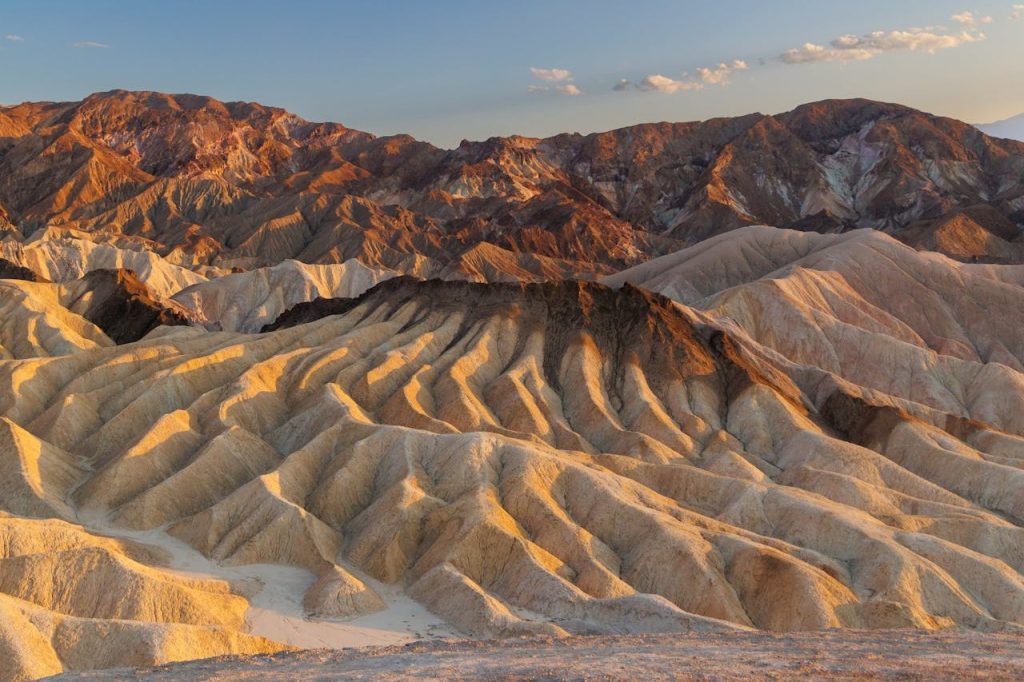
Death Valley invites quick wins: a viewpoint, a salt flat, a short walk for a photo, then back to the car. Extreme heat changes what counts as a small mistake. A wrong turn, a longer stop, or a vehicle issue can add hours with little shade nearby. Dry air can delay the feeling of trouble, so people often realize too late that water and electrolytes are falling behind.
Heat also stresses engines and tires, and some areas have limited cell service, which makes delays feel longer than expected.
The safest plan is simple: visit at dawn, stay close to air conditioning, and treat long walks as a cool season goal, not a midday add on.
Angel’s Landing, Zion National Park, Utah
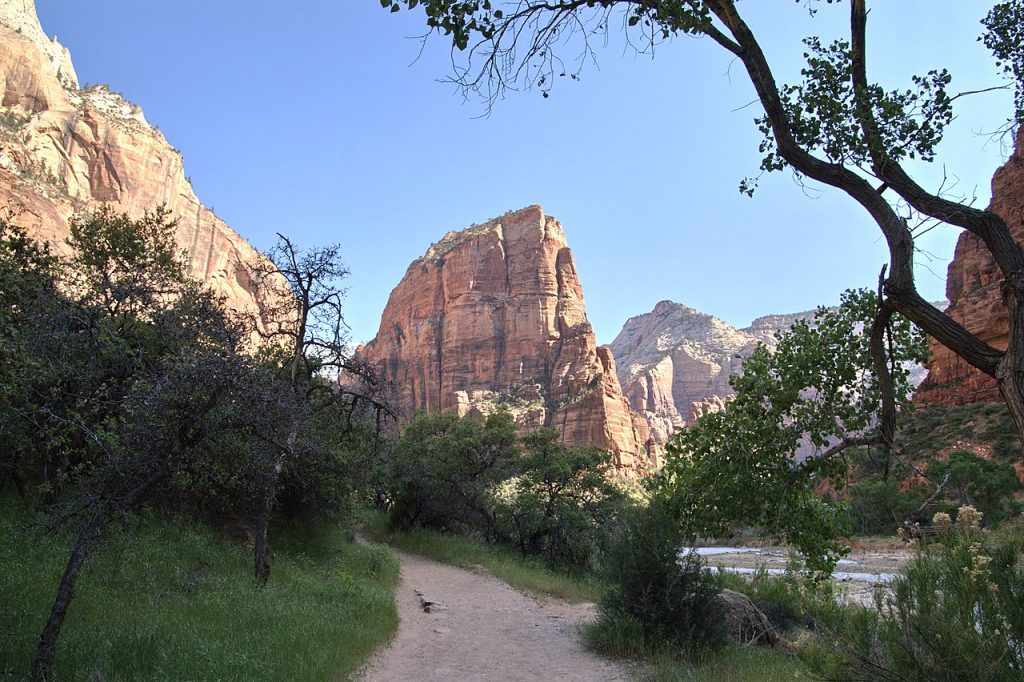
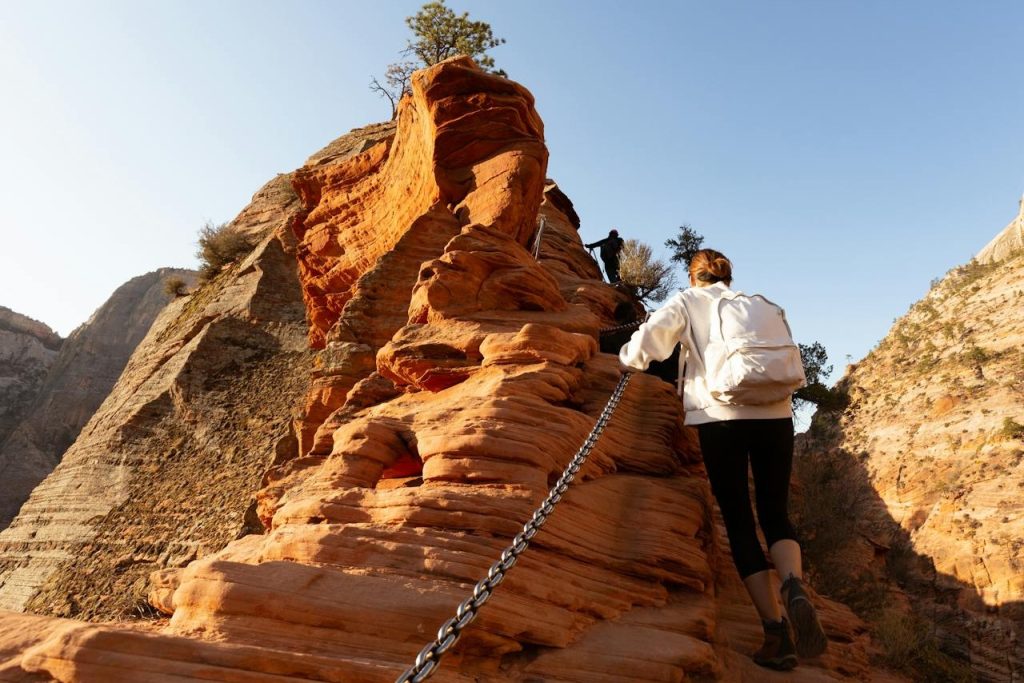
Angel’s Landing starts like a classic canyon hike, then narrows into a chain assisted ridge where attention is the real gear. The exposure is constant, and traffic jams can force awkward passing and long waits on sloped rock. When hands are busy with phones or fatigue shows up late, footing gets less precise at exactly the wrong time, and nerves spread through the line.
Wind gusts and sudden rain can make the route feel less stable in minutes, and crowd pressure can push people to move too fast.
Permits reduce numbers, but the smart move is still patience, steady contact with the chain, and turning back when the ridge feels rushed.
Half Dome Cables, Yosemite National Park, California
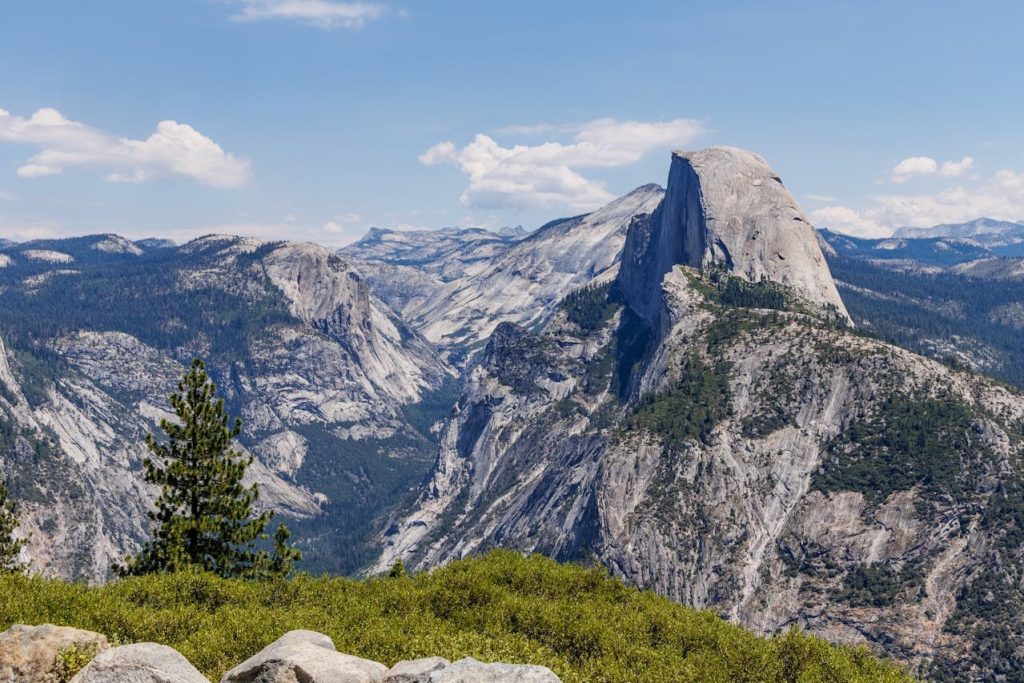
Half Dome looks smooth from Yosemite Valley, but the cable section is steep granite reached after a long approach. Tired legs make small slips more likely, and crowd delays can keep hikers on the slope longer than planned. The risk rises sharply when the surface is wet, because friction drops and hands start doing more work than feet, while the line behind keeps moving.
Summer storms can build quickly, and even light rain can change the feel of the cables and the granite in minutes.
Strong days come from early starts, clear weather discipline, and treating damp rock as an automatic stop, not a challenge for anyone there.
Petra and the Siq, Jordan
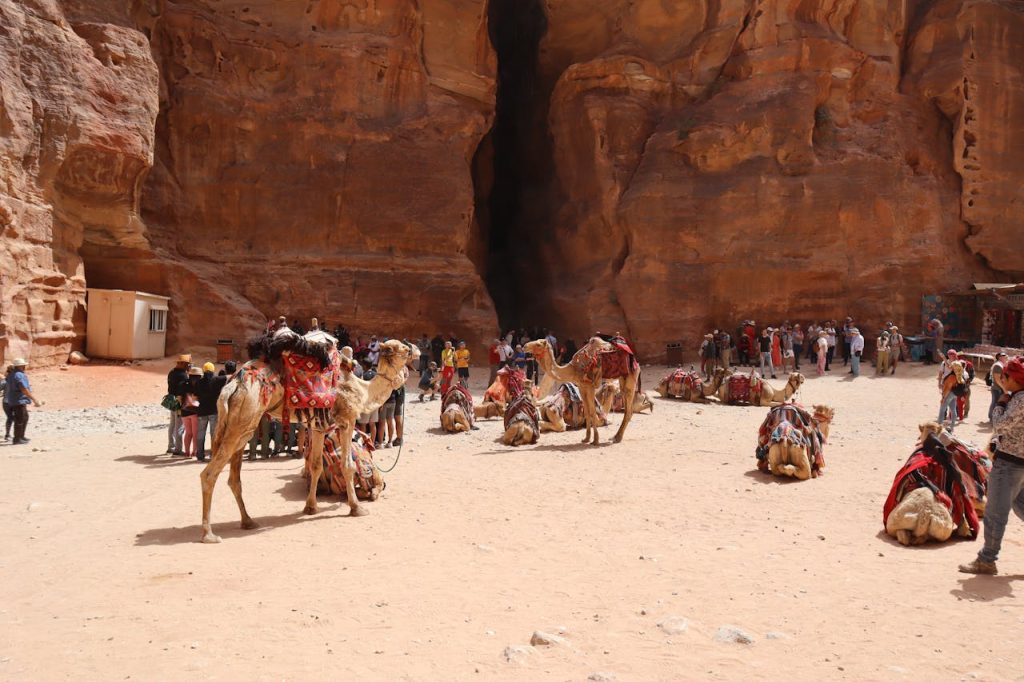
Petra can feel sheltered inside the Siq, where tall walls shade the walk and guide crowds toward the Treasury. That same narrow corridor can funnel sudden runoff when heavy rain hits the region, even if the sky above the site looks mild. Water moves faster in tight bends, and wet stone can turn footing slippery with little warning, especially near steps and drain channels.
Closures and evacuations are not drama. They reflect how quickly flash flooding can build in canyon like passages.
Checking forecasts, arriving early, and following staff directions keeps the visit calm and keeps the site’s scale and living history in focus.
Mount Fuji, Japan
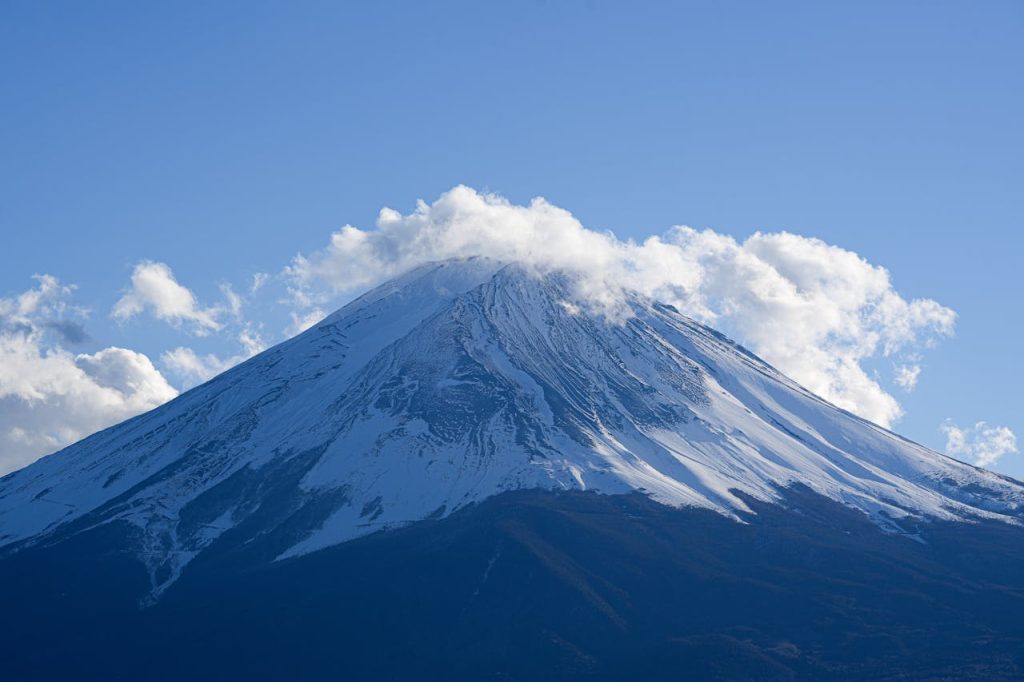
Mount Fuji’s fame can make the climb sound straightforward: marked routes, mountain huts, and a sunrise summit goal. Popularity does not steady the mountain. Wind can rise sharply, visibility can drop, and temperatures can swing from warm at the base to biting near the top. Long night climbs also stack fatigue, and tired legs make the loose volcanic descent feel more slippery than expected.
Outside the official season, support services thin out and trail conditions can change dramatically, which raises the cost of small errors.
A steady pace, warm layers, and conservative timing keep the summit goal from becoming the only plan that matters.
Everest Base Camp Trek, Nepal
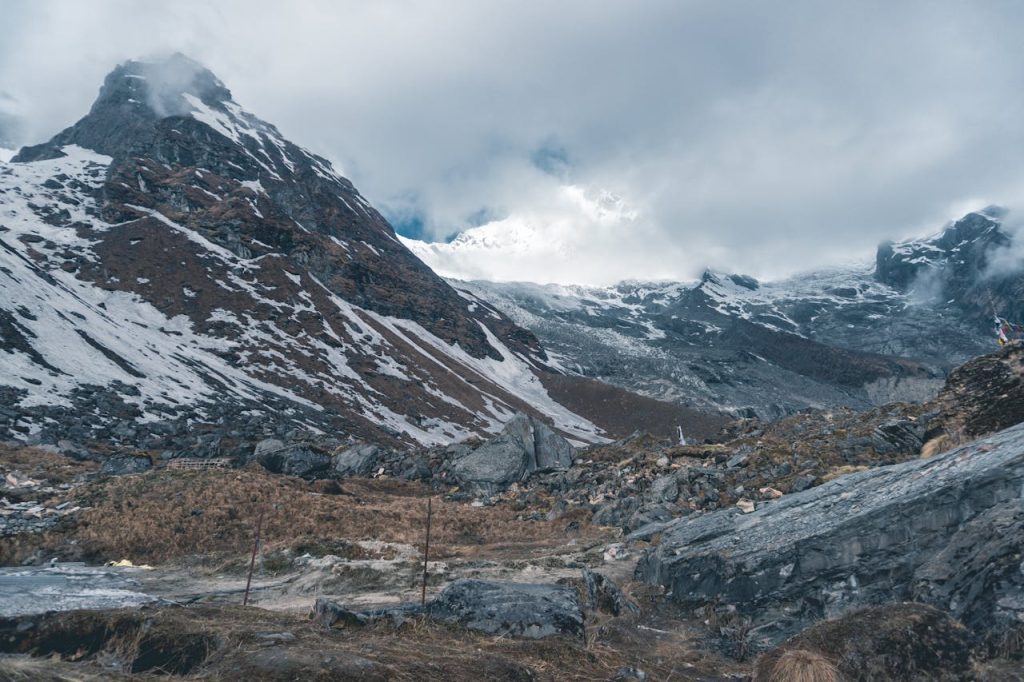
The Everest Base Camp trek is often described as approachable because teahouses line the route and guides keep a familiar rhythm. Altitude still changes the body’s math. As oxygen drops, sleep can fray, appetite can fade, and ordinary hills can feel strangely hard. Early symptoms often resemble routine tiredness, so people push ahead and lose the chance to respond early.
Good itineraries build acclimatization days and avoid big jumps in sleeping elevation, because adaptation needs time, not willpower.
When symptoms persist or worsen, stopping and descending is the practical move, and it protects the rest of the trip overall.
Bali Scooter Corridors, Indonesia
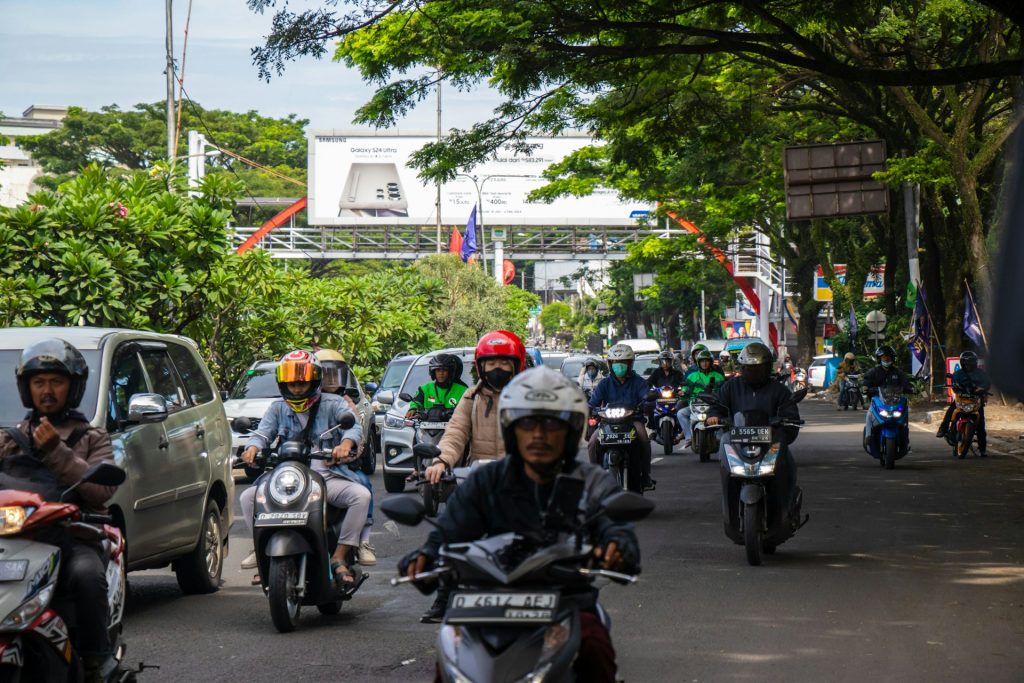
In Bali, scooter rentals feel like effortless freedom: short hops between beaches, cafés, and villas without waiting on a driver. The risk comes from unfamiliar road habits, tight lanes, sudden turns, and pavement that turns slick after brief tropical rain. Confidence often rises faster than skill, and the mix of tourists and local traffic makes intersections unpredictable.
Licensing and insurance rules can also bite after an incident, turning a small crash into a complicated, expensive problem.
Helmets, daylight routes, and slower speeds help, but many visitors choose a driver to keep the day focused on the island instead.
Great Barrier Reef Waters, Australia
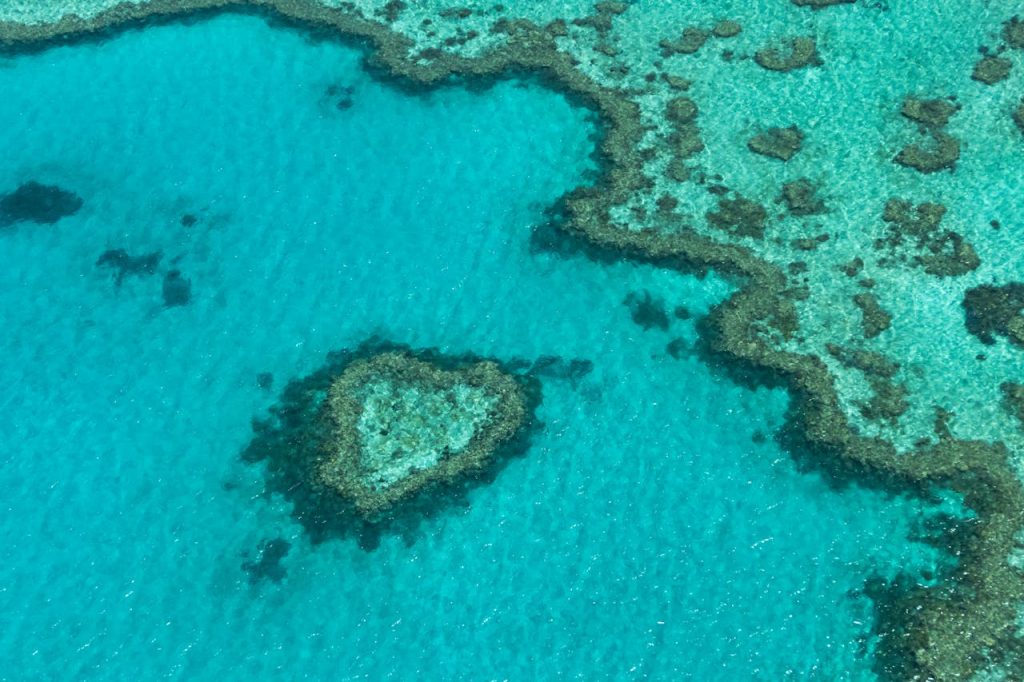
The Great Barrier Reef looks gentle in calm light: clear water, bright coral, and crews who make the day feel organized. Risk shifts with season and location. Currents can tug near reef edges, sun exposure builds quietly, and marine stingers are a known concern in tropical areas. Because the surface can look smooth, swimmers may not notice how fast conditions change a few strokes from the group.
Operators often provide protective suits and briefings, and patrolled areas may use enclosures during higher risk months.
Staying near guides, respecting time limits in the water, and treating fatigue as a signal keeps the reef day simple and safe.
Victoria Falls and Devil’s Pool, Zambia and Zimbabwe
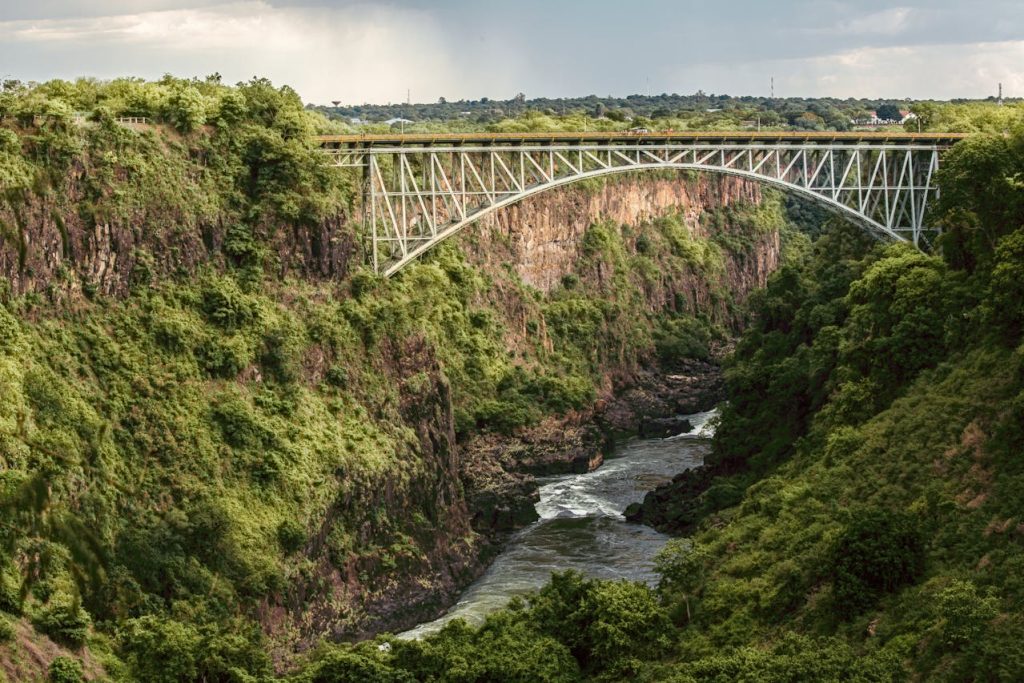
Victoria Falls can feel controlled because viewpoints sit close to town and the paths are well worn. In high flow, spray turns steps slick, visibility drops, and the roar makes distance hard to judge. Crowds compress along wet rock, and small slips happen when people edge forward for a better angle or underestimate how quickly footing changes.
Devil’s Pool is offered only during lower water periods under strict guide control, because timing and river levels shape what is possible.
Good footwear, patience at crowded overlooks, and respect for closures keep the experience centered on awe, not recovery, even on peak days too.
Sahara Desert Overnights, North Africa
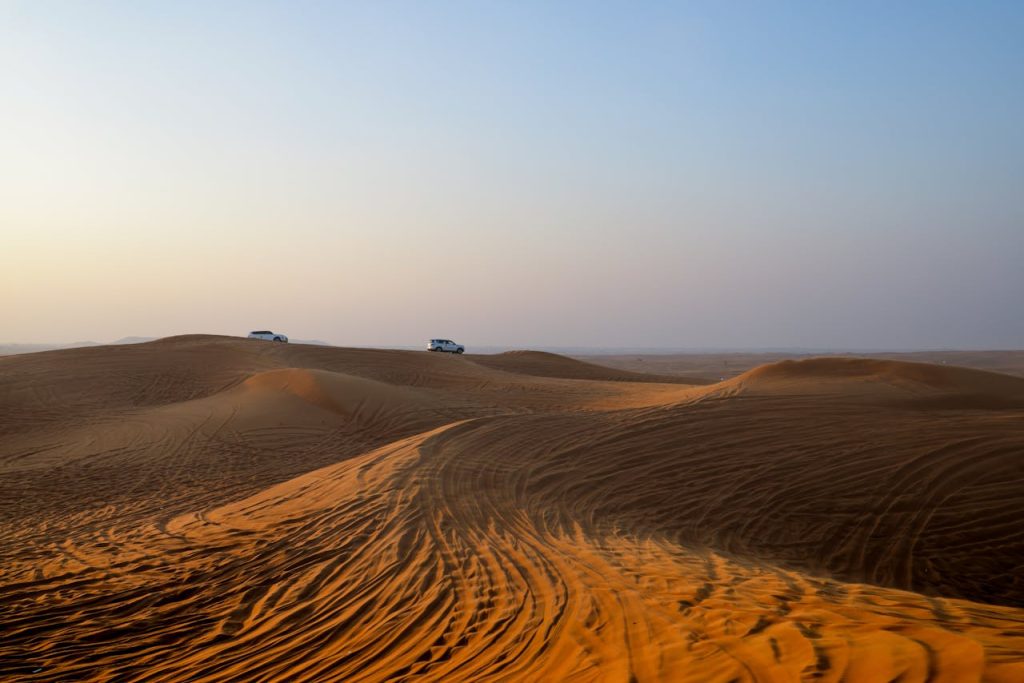
A Sahara overnight is sold as gentle adventure: dunes at sunset, tea by lantern light, and silence that feels restorative. The risk is distance. Heat and dehydration build before they feel dramatic, wind can erase landmarks, and a vehicle issue can leave a group waiting far from shade. Temperature swings also surprise first timers, with strong daytime sun followed by night air that turns sharp.
Strong operators plan conservative routes, carry backups, and keep communication options ready, because small delays can grow quickly.
The desert rewards restraint, clear timing, and choosing comfort over one more photo, which keeps the trip calm.