12 Travel Destinations That Are Best for Visitors Who Follow the Rules

Travel industry analysts and sustainable tourism experts report that the era of unrestricted exploration is increasingly being replaced by a managed travel model where strict adherence to regulations ensures the survival of the destination. While some travelers view rules as hindrances to spontaneity, conservationists and cultural heritage managers argue that these frameworks are the only way to maintain the integrity of fragile ecosystems and ancient sites. Experts note that destinations with the most rigorous codes of conduct often offer the most pristine and rewarding experiences because the chaos of mass tourism is effectively filtered out by the requirements for compliance.
Behavioral psychologists and urban planners emphasize that travelers who thrive on structure and respect for local order find these highly regulated environments deeply satisfying. In these locations, the social contract is explicit. Visitors are expected to conform to specific behavioral standards, whether that means silence in a cathedral, strict recycling protocols in an alpine village, or rigid biosecurity measures on a remote island. Following the rules in these twelve destinations is not just a legal necessity but the primary key that unlocks access to some of the world’s most exclusive and well-preserved wonders.
Bhutan
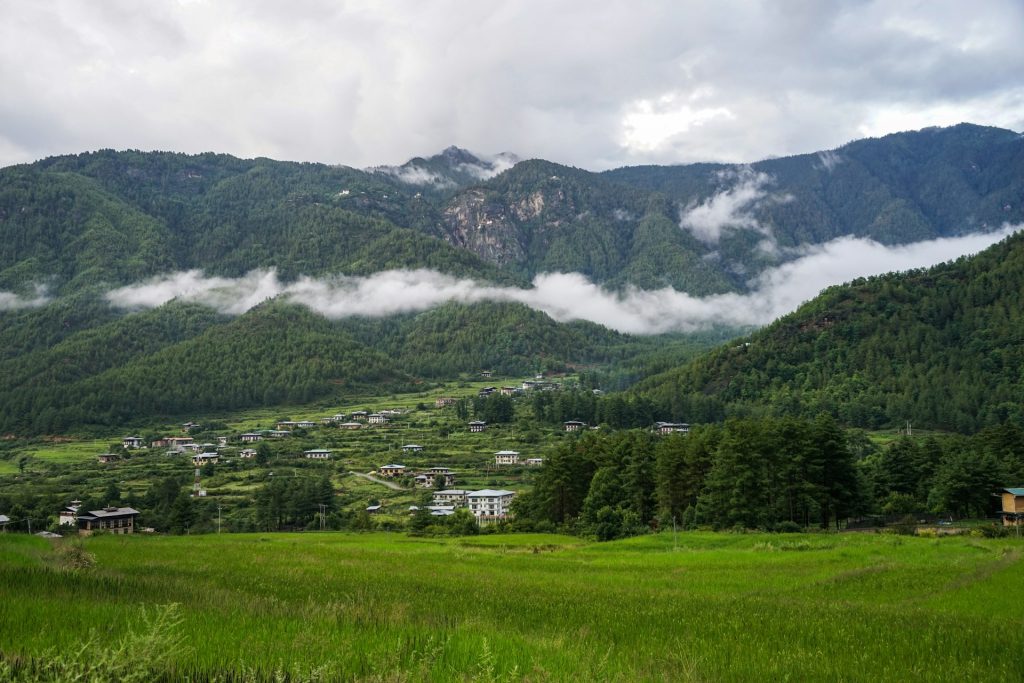
Tourism Council of Bhutan officials enforce a strict high value and low volume tourism policy that fundamentally dictates the logistics of travel within the Himalayan kingdom. Independent backpacking is largely prohibited with regulations requiring visitors to book their entire itinerary through authorized tour operators. This system ensures that a licensed guide accompanies travelers during their exploration of dzongs and trekking routes acting as both a cultural interpreter and a steward of local etiquette.
Logistics experts note that the mandatory daily Sustainable Development Fee is part of a broader framework that treats tourism as a controlled resource. The guide’s presence is not merely a suggestion but a legal requirement for most visa categories ensuring that tourists adhere to the dress codes and behavioral norms expected in a deeply religious society. This structured environment creates a travel experience that is highly educational and orderly for those who appreciate clear guidance.
Singapore

Urban planners and legal analysts frequently cite Singapore as the gold standard for a society where strict rule enforcement leads to exceptional public order and cleanliness. The city-state is famous for its rigorous laws regarding littering, chewing gum, and jaywalking which are enforced with significant fines. Sociologists observe that these regulations create a seamless and safe urban environment where public infrastructure functions with remarkable efficiency.
Hospitality consultants note that travelers who value predictability and hygiene flourish in this environment. The rules extend to public transport where eating and drinking are strictly prohibited ensuring that the MRT system remains spotless. For the visitor who finds comfort in knowing exactly what is expected of them, Singapore offers a stress-free experience defined by safety and civic pride.
The Galapagos Islands In Ecuador
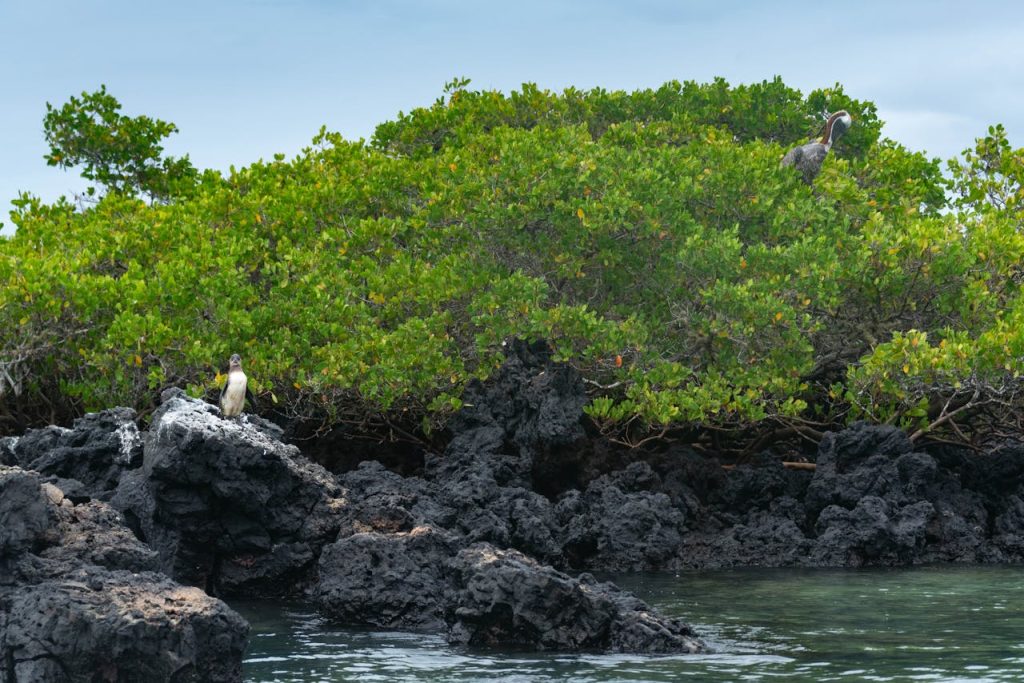
National Park Service rangers and marine biologists manage the Galapagos archipelago with a rigid itinerary system that strictly controls where and when visitors can land. Independent exploration of the protected areas is forbidden and travelers must be accompanied by a certified naturalist guide at all times. Experts explain that this rule is critical for preventing the introduction of invasive species and ensuring that humans maintain a safe distance from the fearless wildlife.
Cruise operators are assigned specific schedules that dictate the movement of vessels through the islands to disperse visitor impact. Visitors experience the islands through a curated lens with every snorkel session and hike following a pre-determined path monitored by professionals. This management style appeals to nature lovers who understand that their compliance directly contributes to the preservation of the ecosystem.
Antarctica

Expedition leaders and members of the International Association of Antarctica Tour Operators operate under strict guidelines that make Antarctic travel a highly regulated group activity. Passengers on expedition ships are not permitted to wander freely on the continent as landings are carefully coordinated and visitors must stay within flagged boundaries. Polar safety experts emphasize that these rules are in place to prevent crevasse falls and to protect sensitive penguin colonies from disturbance.
Biosecurity officers enforce rigorous cleaning protocols for boots and gear before and after every landing. The experience is defined by the schedule of the ship and the weather with briefings and lectures replacing the freedom of independent choice. Travelers act as a collective unit moving under the constant supervision of guides who ensure that the human footprint on the White Continent remains minimal.
Rwanda
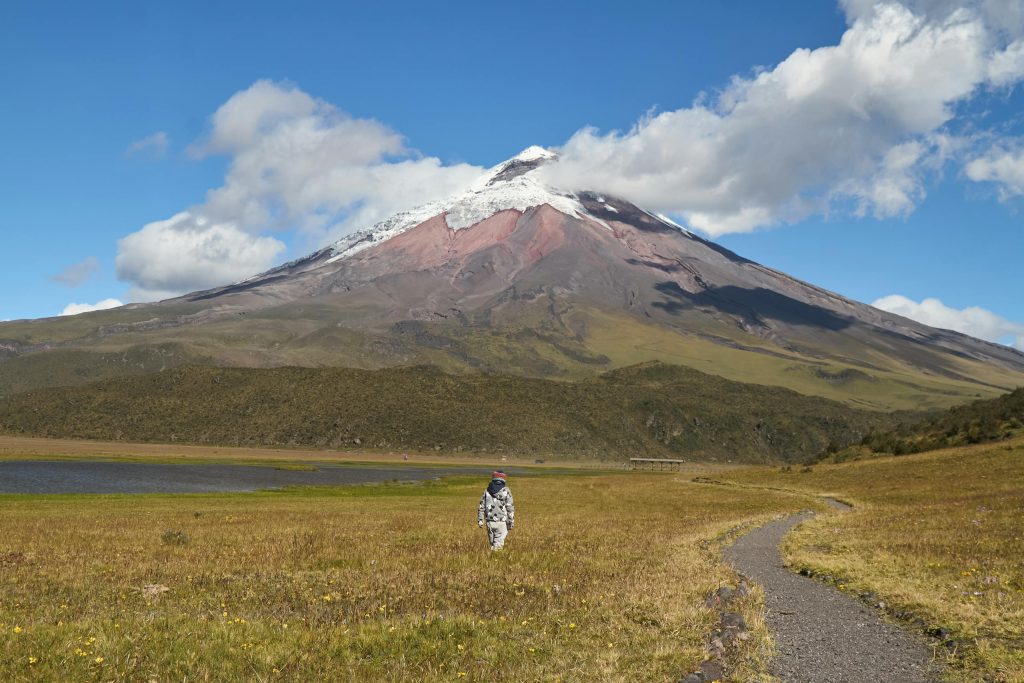
Primatologists and conservation officers enforce a strict quota system for mountain gorilla trekking that makes the experience entirely dependent on professional guidance. Visitors are assigned to a specific gorilla family and must trek with armed rangers and trackers who know the animals’ location. Veterinary experts emphasize that the one-hour limit for viewing the gorillas is strictly enforced to minimize stress on the primates and reduce the risk of disease transmission.
Safari operators explain that the trek itself is a disciplined march through dense vegetation where following the guide’s instructions is a matter of safety. Travelers cannot choose their route or their pace but must adapt to the group and the terrain. The high cost of the permit and the exclusivity of the access create a reverent atmosphere where the guide’s authority is absolute.
Switzerland
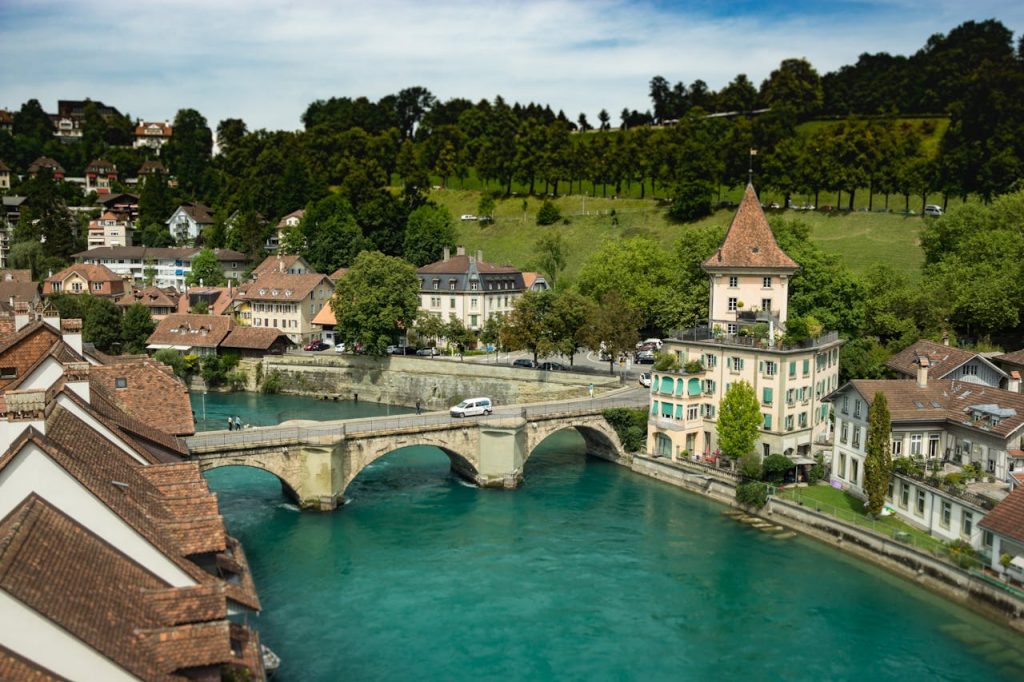
Municipal authorities and cultural historians highlight Switzerland as a nation where social harmony is maintained through a complex web of unwritten and written rules. Noise control officers enforce quiet hours particularly on Sundays and during lunch breaks which prohibits activities like mowing the lawn or recycling glass bottles. Urban sociologists explain that these regulations are designed to ensure collective rest and peace for all residents.
Transport logistics experts praise the Swiss reliance on punctuality where train schedules are adhered to with seconds of precision. Travelers who respect these temporal rules find the system incredibly efficient. The cultural expectation of orderliness extends to queuing and waste management making the country a paradise for those who find relaxation in structure and predictability.
Palau
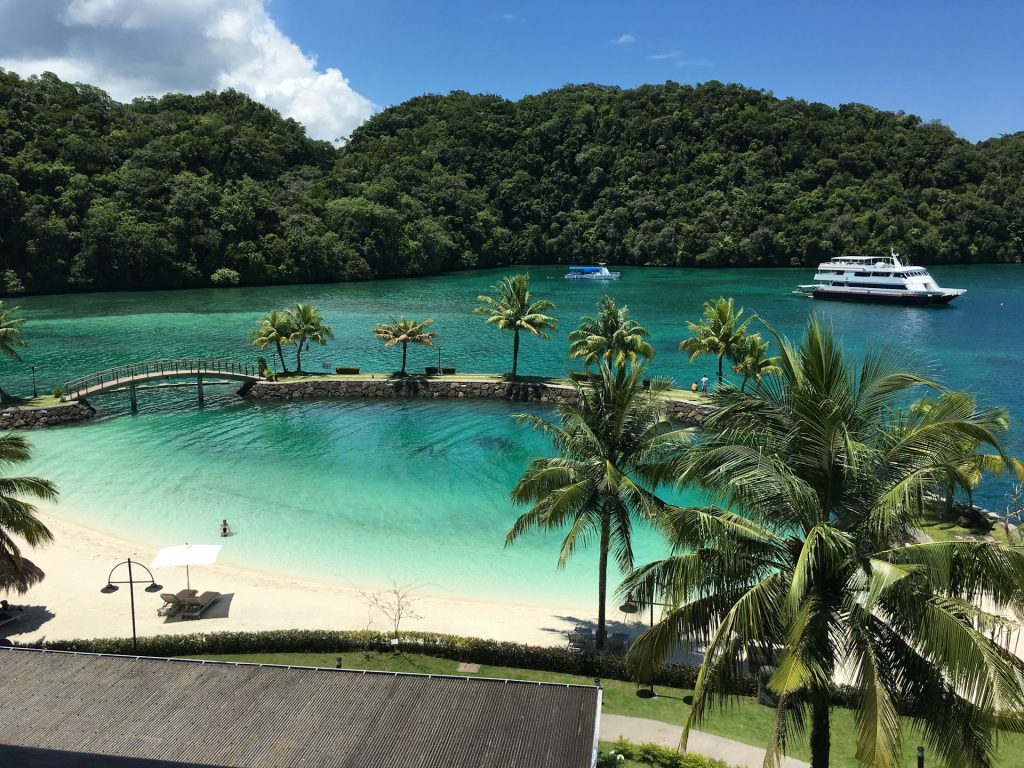
Immigration officials and environmental educators in Palau require every visitor to sign the Palau Pledge upon arrival which is a stamp in the passport promising to act in an ecologically responsible manner. This behavioral management tool is supported by strict laws prohibiting reef-toxic sunscreens and single-use plastics. Experts say that this moral and legal framework turns visitors into active stewards of the environment from the moment they land.
Fisheries and marine park rangers enforce a pristine paradise fee that is integrated into the airline ticketing process. This revenue supports the marine sanctuary where most of the nation’s waters are off-limits to commercial activity. By linking tourism directly to conservation funding and personal responsibility Palau appeals to ethical travelers who are willing to follow instructions to protect the ocean.
Lord Howe Island In Australia

Environmental monitors and island board administrators enforce a strict cap of four hundred visitors at any one time to preserve the unique ecosystem of this World Heritage site. This limit creates a natural bottleneck where accommodation availability dictates the ability to visit. Travel planners explain that flights to the island cannot be booked until a confirmed bed is secured which prevents day-tripping and overcrowding.
Marine conservationists note that the island operates with high biosecurity standards to protect its endemic species. Visitors must subject their gear to cleaning and inspection to prevent the introduction of pathogens. The bicycle-centric culture of the island also requires following road rules that prioritize pedestrians and wildlife ensuring a slow and safe pace of life.
Machu Picchu In Peru
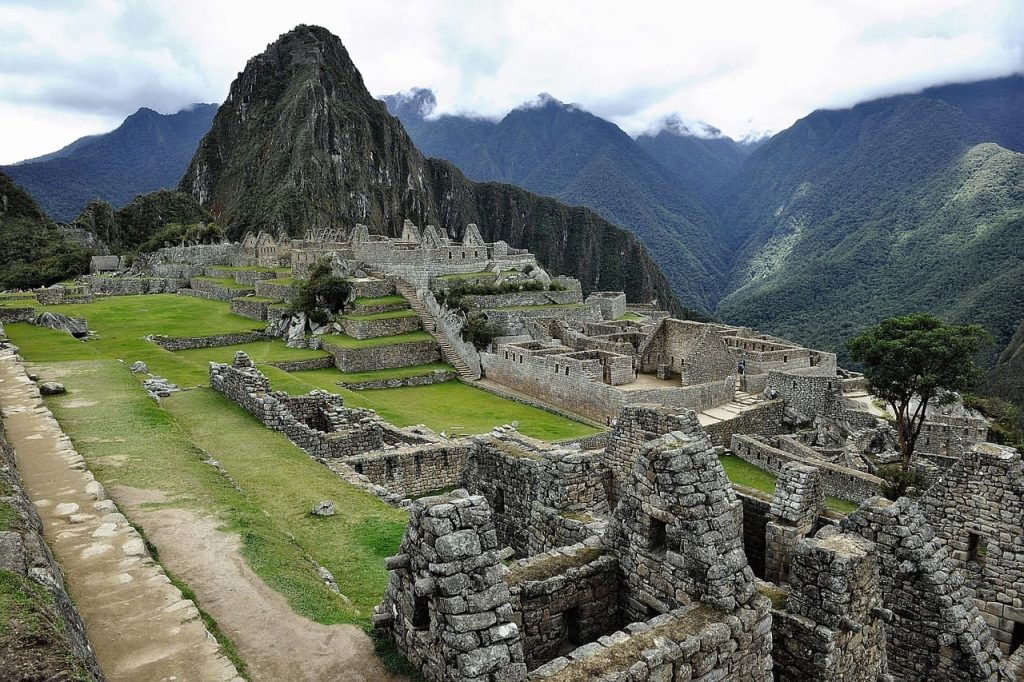
Ministry of Culture archaeologists and site managers have transitioned the Incan citadel to a rigid circuit system to manage the immense physical strain of mass tourism. Visitors must now choose a specific one-way route upon booking and are often required to enter with a licensed guide. Heritage experts explain that this prevents backtracking and congestion on the narrow ancient pathways that were not built to withstand millions of annual footsteps.
Transport logistics consultants highlight that the entire journey to the site is a series of guided steps that leave little room for improvisation. The structured flow through the ruins means that lingering in a favorite spot is often impossible as the pressure of the crowd keeps the group moving. This management style ensures that the site remains accessible while minimizing the cumulative damage of unrestricted foot traffic.
The Wave In Arizona

Bureau of Land Management rangers oversee access to the fragile sandstone formation known as The Wave with a permit system that functionally guides the visitor experience through scarcity. While there is no physical guide required to walk with permit holders the strict limitation of just sixty-four people per day creates a highly monitored environment. Rangers frequently patrol the area to check permits and eject those who have entered illegally.
Geologists explain that the lack of marked trails and the delicate nature of the rock fins require visitors to follow a provided map or GPS track to reach the site without causing damage. The guided aspect here comes from the intense regulatory framework and the educational briefing provided to permit winners. The experience is defined by the privilege of access where the rules of the land management agency dictate the terms of engagement.
Svalbard In Norway
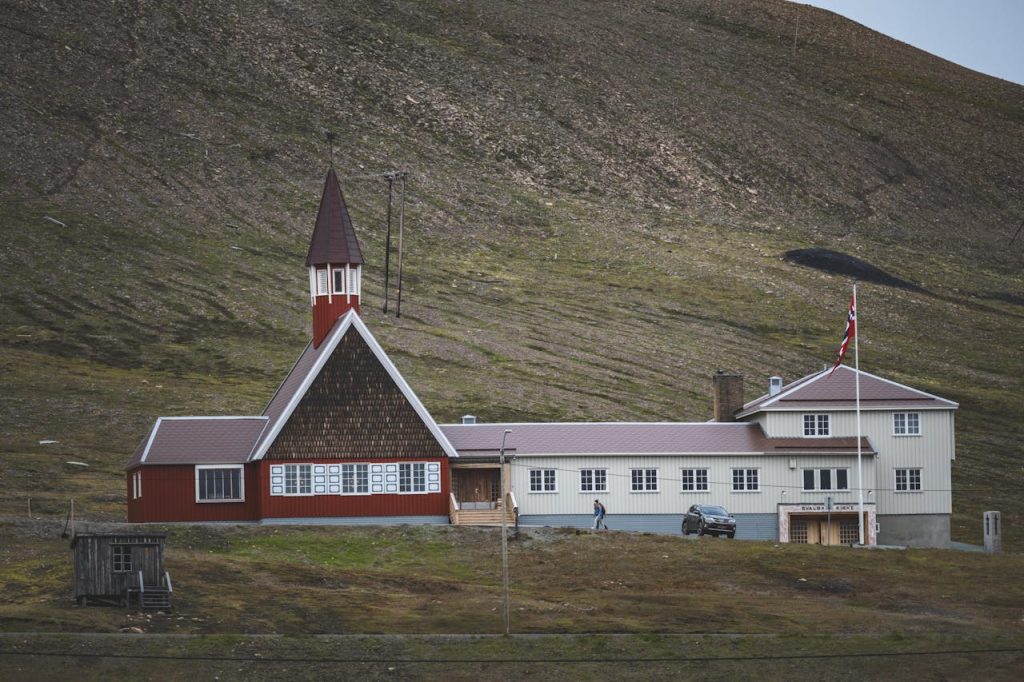
Polar governors and safety experts manage tourism in Svalbard with a strict set of regulations designed to protect both humans and polar bears. Leaving the main settlement of Longyearbyen requires carrying a firearm and knowing how to use it or being accompanied by a guide who does. Local officials emphasize that this rule is non-negotiable due to the high density of bears in the archipelago.
Cultural historians note the local custom of removing shoes before entering hotels and public buildings which harkens back to the coal mining days. This tradition is strictly observed and reinforces a communal sense of cleanliness and respect. The extreme environment dictates a rule-based existence where survival depends on adherence to safety protocols and weather warnings.
Zion National Park In Utah
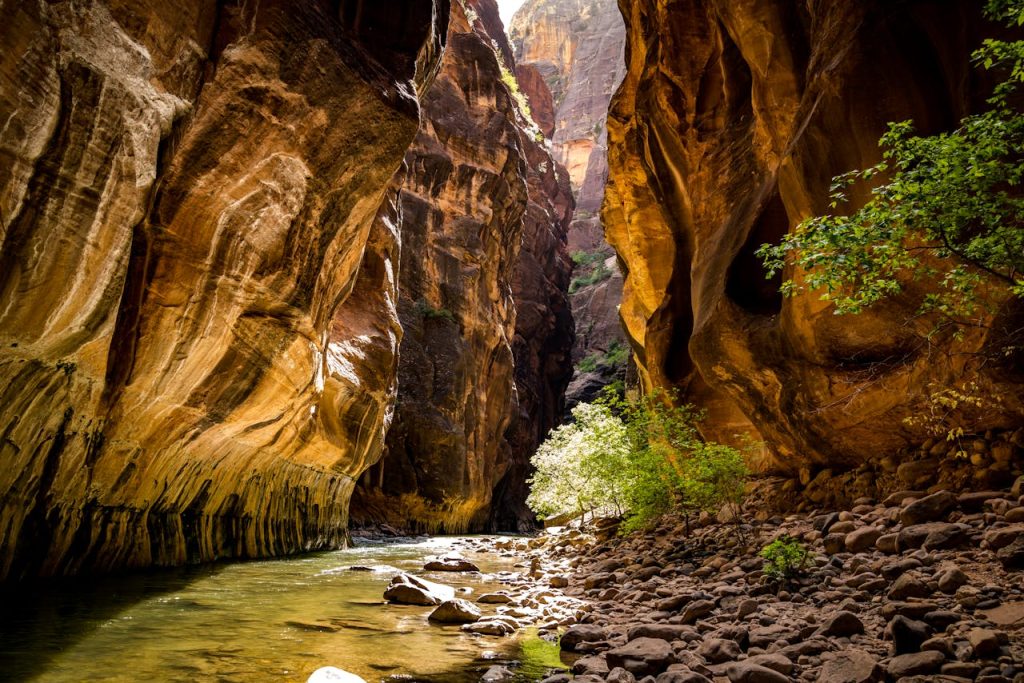
Park rangers and traffic management consultants have implemented a mandatory shuttle system for the main canyon to eliminate the gridlock that previously plagued the park. Visitors must park their cars at the entrance and utilize the bus service to access trailheads. Experts note that this system regulates the flow of people and reduces noise and air pollution in the scenic drive.
Safety officials also enforce a lottery permit system for the dangerous Angels Landing hike. Only those with a winning permit are allowed to ascend the final chain section of the trail. This regulation prevents dangerous overcrowding on the narrow ridge and ensures that those who attempt the climb can do so with a greater margin of safety.