13 Underrated College Towns That Are Perfect for Retirement

College towns often create a quiet richness that suits retirement well. Cultural events stay close and errands take minutes rather than hours, and local conversations feel familiar to newcomers. These thirteen towns pair accessible clinics, walkable neighborhoods, and public programs that welcome older residents into lectures, concerts, and volunteer projects. Together they offer a mix of calm routine and ongoing curiosity. Residents find that modest daily costs, steady social calendars, and reliable health services combine into a retirement rhythm that encourages learning, connection, and care.
Corvallis, Oregon

Corvallis blends university energy with small town ease, giving retirees steady access to lectures, concerts, and public classes that remain affordable. Walkable streets, mild weather, and parks make daily outings pleasant, and clinics sit close to residential neighborhoods so routine care stays simple. Retirees find that local markets, seed libraries, and cooperative gardens reduce monthly costs while offering social rhythms that root newcomers quickly. Volunteer projects pair skills with need, and environmental groups create steady reasons to be outside. The town’s balance of convenience and curiosity means days can be both restful and interesting without large expense.
Ames, Iowa
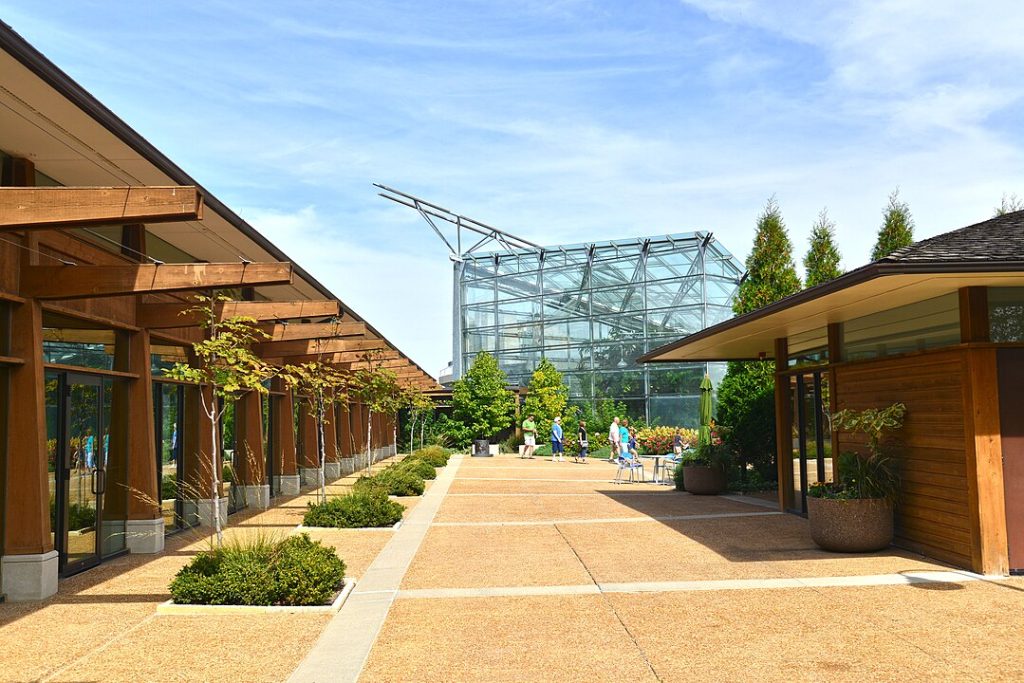
Ames pairs Midwestern calm with a thoughtful campus culture that invites older residents into talks, exhibits, and seasonal festivals without high cost. Public transit and compact neighborhoods reduce driving, while volunteer programs and cooperative gardens provide meaningful ways to connect. Reliable clinics and community centers host fitness classes, crafts, and lectures that fit many schedules and budgets, and farmers markets supply fresh produce close to home. Retirees appreciate the predictability of services, the friendliness of local volunteers, and the easy access to learning opportunities. The town’s practical amenities make daily life manageable and socially rich.
Lawrence, Kansas
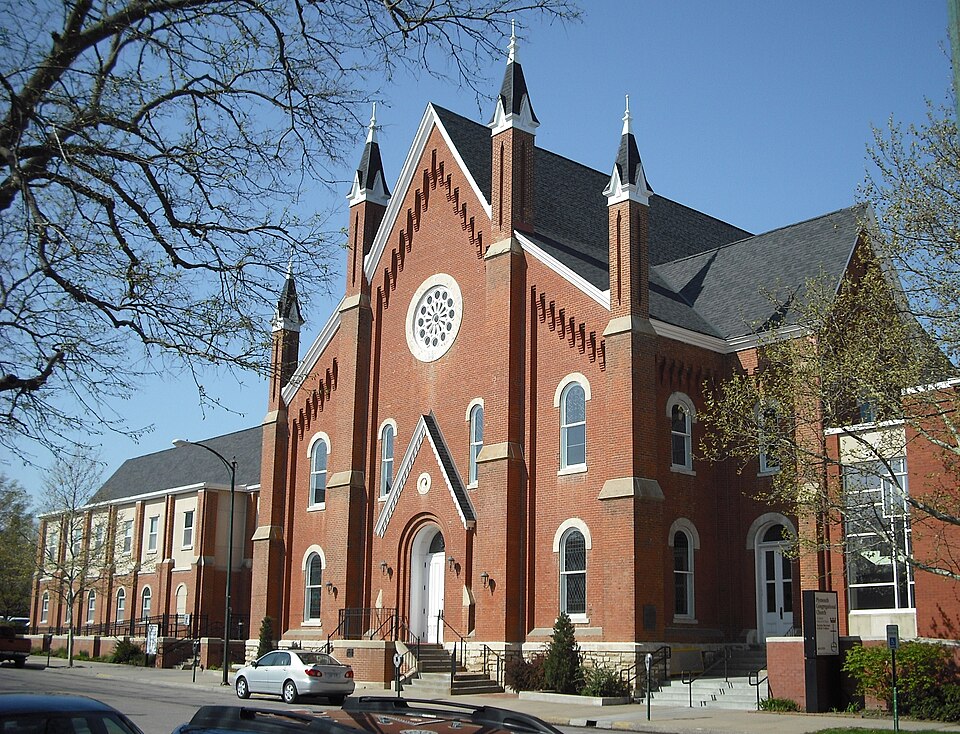
Lawrence offers an engaged arts scene anchored by a university yet keeps a friendly, approachable town center that fits retirement life. Walkable blocks, bookstores, and farmers markets help residents stay socially active, and local clinics provide accessible medical care. Seasonal festivals and music series draw neighbors together without heavy cost, and volunteer boards welcome extra hands for cultural and civic projects. Neighborhoods near downtown offer short errands and regular social contact, while parks and trails encourage daily movement. The town’s approachable scale and steady cultural calendar make it possible to pursue interests without feeling hurried.
Missoula, Montana
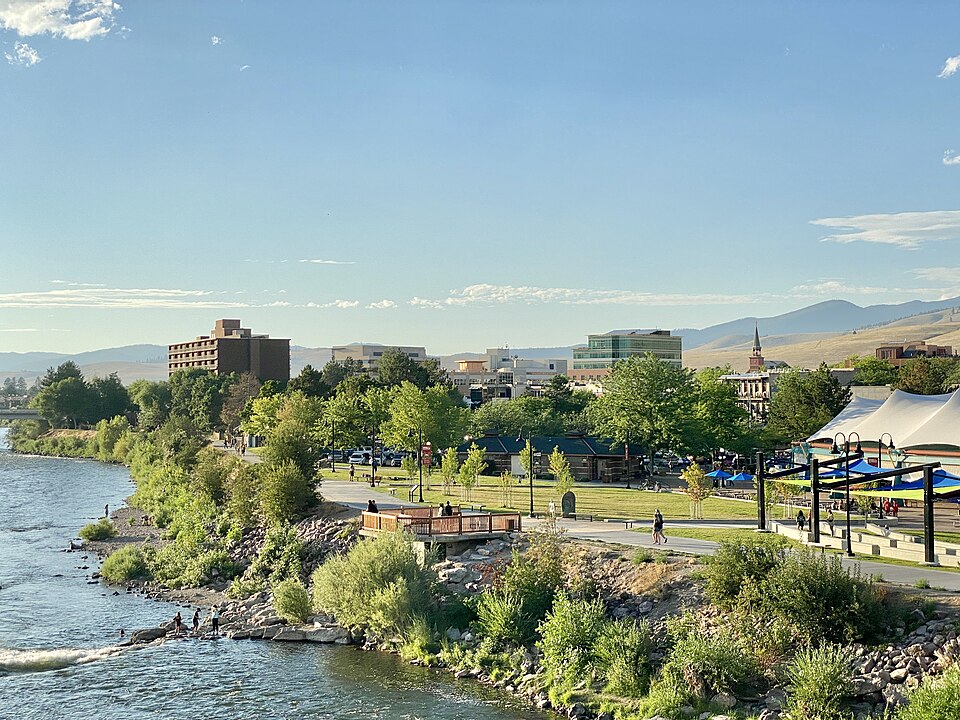
Missoula rests between rivers and mountains, offering retirees trail access, riverfront walks, and a university calendar of talks and performances. Neighborhoods remain human scale, galleries and markets invite regular interaction, and a regional hospital supports routine and urgent care. Retirees often describe the ease of meeting neighbors at a market or lecture and the comfort of short trips to outdoor spaces that lift daily mood. Volunteer opportunities in conservation and the arts provide meaningful roles, while community theaters and chamber music present frequent low cost entertainment. Missoula gives people room to explore nature and culture side by side.
Bozeman, Montana
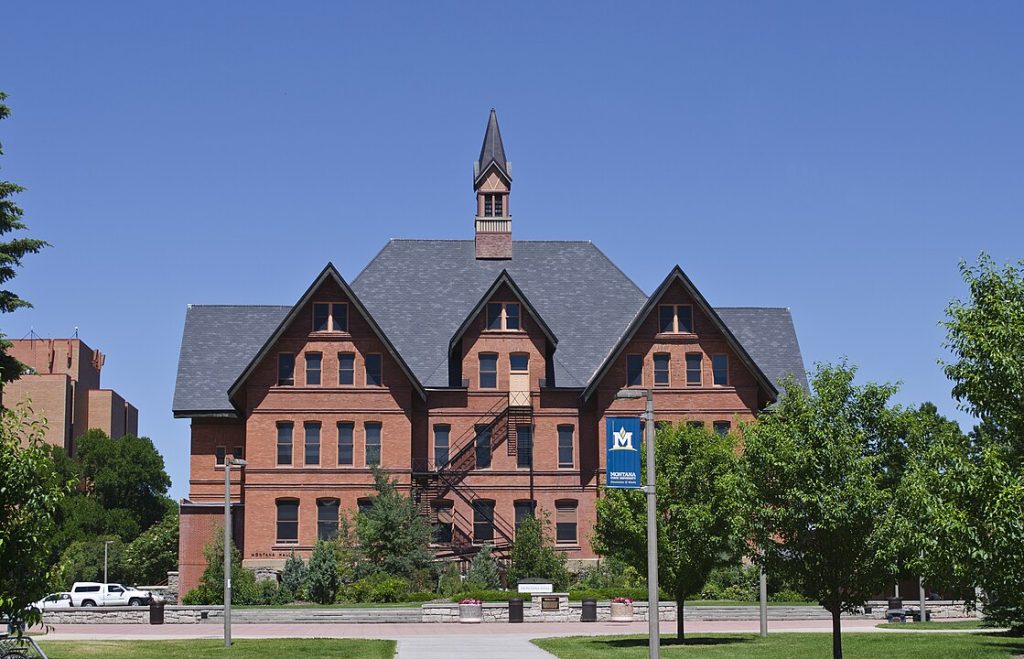
Bozeman blends mountain scenery with active campus life, giving retirees outdoor access and steady cultural offerings such as lectures and concerts. Healthcare options are strong for the region, and small neighborhoods provide pockets of affordability within reach of services. Community centers host classes in crafts, technology, and movement, and conservation groups create accessible ways to stay active. Many retirees find that social life grows from regular attendance at markets, library talks, and volunteer events. The city’s mix of learning, landscape, and civic energy supports a retirement that balances activity with calm, though people remain mindful about housing choices.
Flagstaff, Arizona

Flagstaff’s high elevation and cool summers attract retirees who value mild outdoor activity and university programs that welcome the public. The town supports observatory events, community gardens, and markets, while clinics and a regional hospital cover most needs. Walkable neighborhoods make daily errands practical, and local festivals provide occasions to meet neighbors without pressure. Astronomy outreach programs and nature talks create gentle entry points for social life, and volunteer projects in parks and schools turn interests into contribution. For many, Flagstaff’s combination of scenery and civic programs makes retirement both healthy and pleasantly varied.
Charlottesville, Virginia
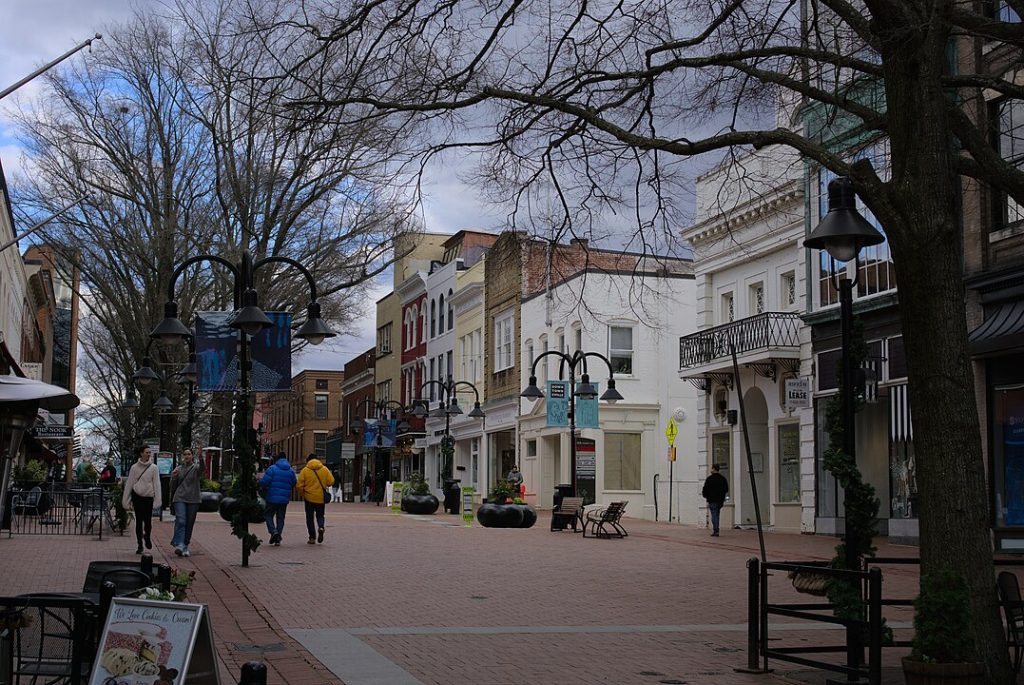
Charlottesville pairs historical architecture with a dynamic university scene that offers lectures, music, and civic programs for older residents. Tree lined streets and parks encourage walking, and a regional medical center supplies specialty care within a manageable distance. Cultural institutions bring frequent talks and performances, and lifelong learning programs make it easy to try new subjects. Volunteer opportunities in history, gardens, and arts organizations turn knowledge into service, while public gardens and trails provide calm daily routines. The town’s steady cultural life and reliable health services create a hospitable setting for people who want to stay engaged and well cared for.
Burlington, Vermont
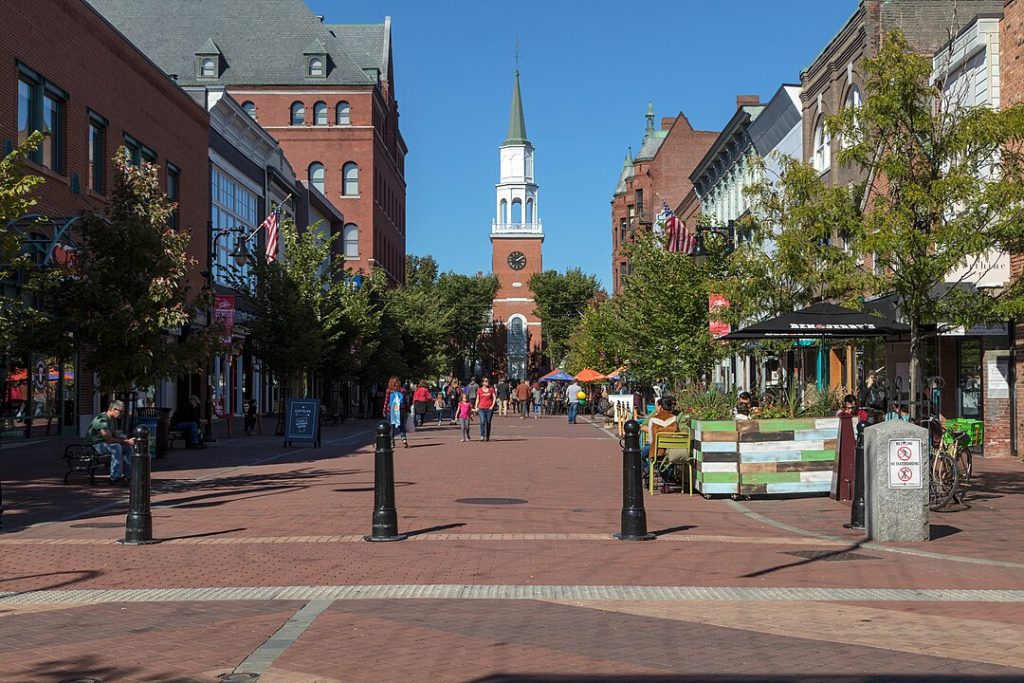
Burlington sits on a lake with a compact downtown, bike paths, and college sponsored arts that enrich retirement life without heavy expense. Public transit and clinics support independent living, and seasonal markets supply fresh food close to home. The local college hosts lectures, theater, and music events that residents can join easily, and parks and trails invite gentle outdoor activity year round. Community centers run classes and volunteer opportunities that help newcomers plug into civic life quickly, and cooperative grocery projects keep staples affordable. Burlington’s human scale and steady programming make it simple to build a satisfying everyday rhythm.
Durham, North Carolina
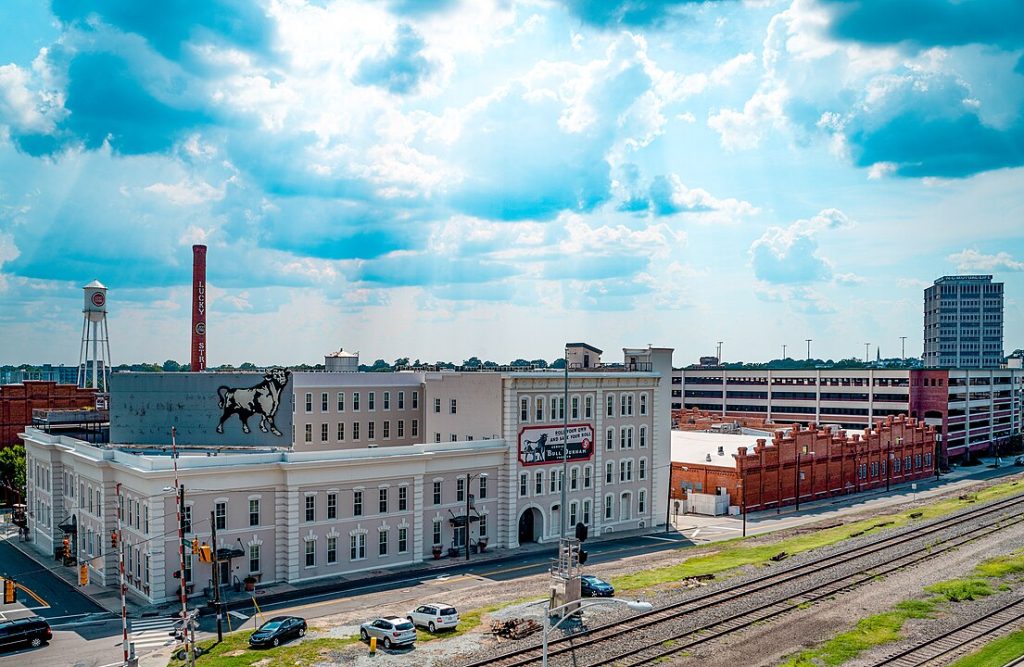
Durham combines research university resources with revitalized neighborhoods and accessible healthcare that make retirement practical and engaging. Botanical gardens, art spaces, and volunteer programs offer steady ways to stay social and contribute to community projects. Clinics and specialty centers are within easy reach, reducing travel time for appointments and giving peace of mind about medical access. Cultural programming and public lectures create regular chances to learn and meet people, and neighborhood hubs host classes, clubs, and shared meals that ease social connection. Durham’s mix of care, culture, and practical amenities helps retirees shape balanced lives.
State College, Pennsylvania
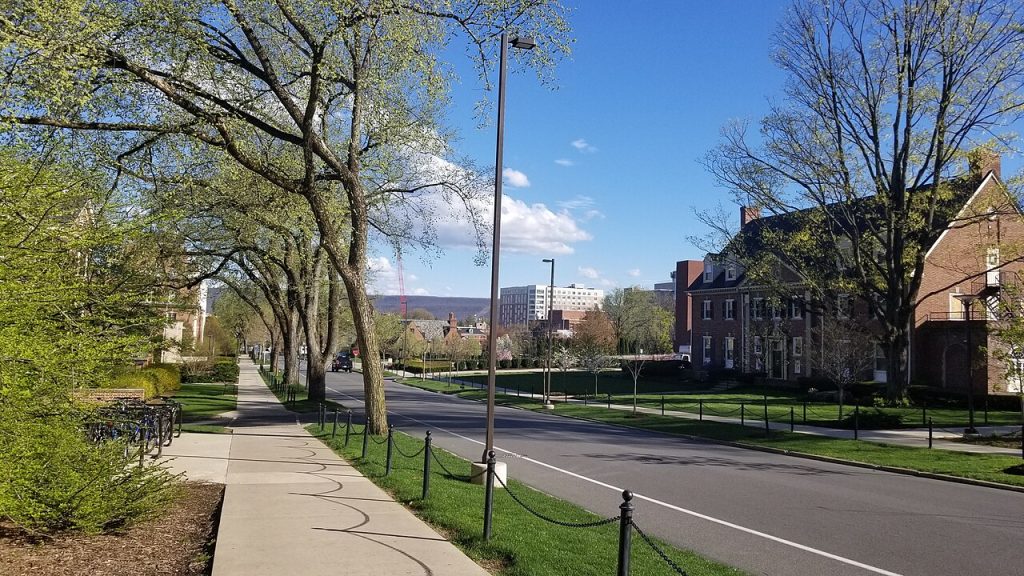
State College pairs compact town layout with a university hub that brings public lectures, theater, and sports into local rhythms retirees can enjoy. Parks, volunteer groups, and community centers create regular chances to learn and socialize while keeping daily tasks convenient. The borough’s walkable streets reduce reliance on a car for many errands, and seasonal festivals provide welcoming ways to meet neighbors. Local clinics and a regional medical center handle routine and specialist care, and lifelong learning programs allow retirees to take classes without the pressure of exams. Practical services and campus energy combine to make days feel connected.
Athens, Georgia

Athens weaves a storied music scene into a warm college town culture that invites retirees into concerts, galleries, and public talks. Neighborhoods remain walkable and friendly, and local clinics and hospitals provide necessary medical support close at hand. Volunteer programs, community classes, and garden projects offer many ways to stay active and useful, and local markets host regular social exchange. The town’s musical heritage and arts calendar supply consistent low cost entertainment, while campus lectures and outreach programs broaden options for learning. For many older residents Athens presents an easy blend of culture and community.
Decorah, Iowa
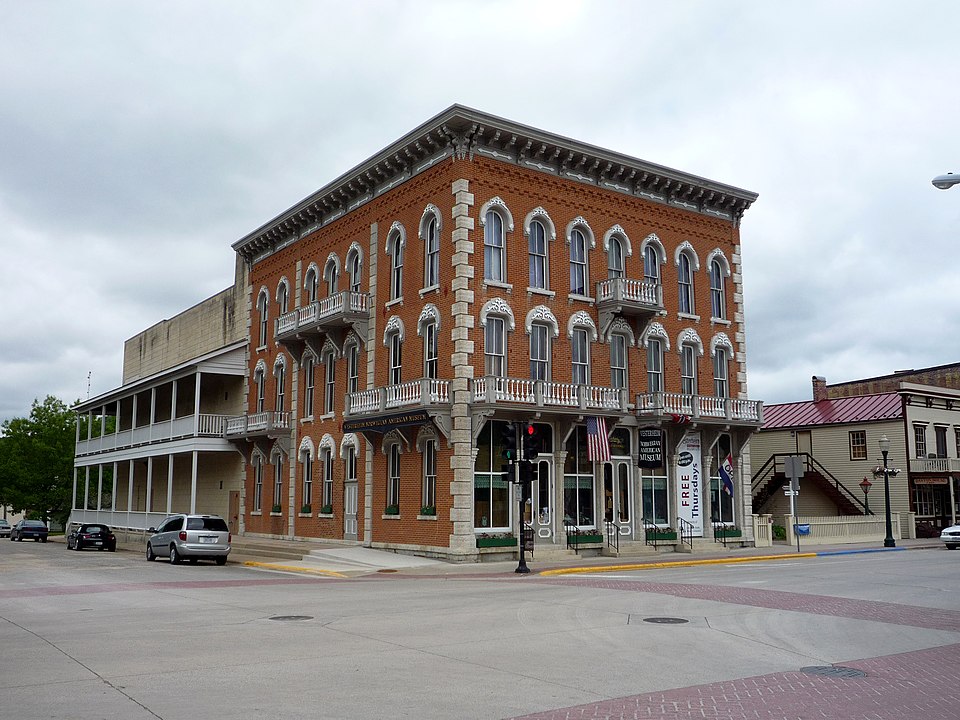
Decorah emphasizes nature and craft, with river trails, markets, and a college that integrates cultural events into town life for residents old and new. Volunteer programs, maker spaces, and community gardens create practical ways to share skills and keep daily costs modest. Clinics meet everyday health needs, and the town’s stewardship ethic supports conservation projects and seasonal festivals that anchor social life. Retirees often describe the comfort of regular market days, lecture series, and craft workshops where neighbors trade expertise. Decorah’s gentle pace and active civic networks make it straightforward to build meaningful routines and friendships.
College Station, Texas
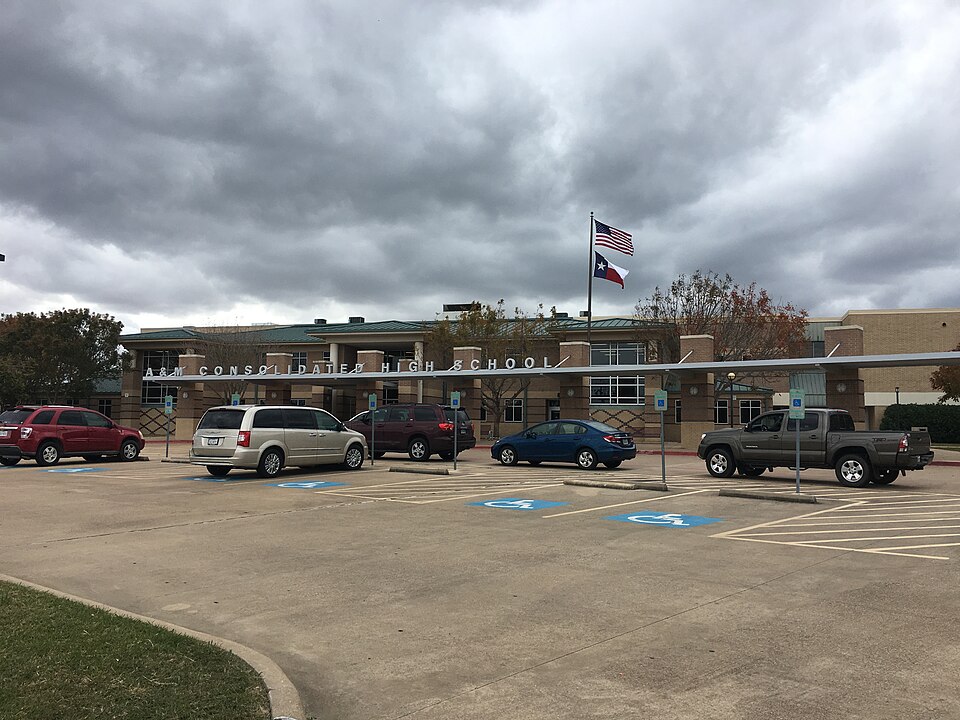
College Station mixes university outreach with an affordable regional economy that suits retirees who want access to events and healthcare without large expenses. Neighborhood parks, extension programs, and community centers provide options for learning, service, and low cost recreation. Medical centers offer a range of primary care and specialty referrals, and civic groups organize classes that turn experience into volunteer leadership. The town’s steady calendar of talks, markets, and performances keeps social life varied without pressure, and short drives make visits from family manageable. Practical amenities and campus resources combine to create welcoming routines.