15 Travel Scams Happening Over the Phone Right Now

A wave of phone based travel scams is targeting travelers through urgent sounding calls promising refunds fixes or exclusive help. The schemes often mimic airlines or government offices to create pressure. A growing reliance on mobile bookings and customer service numbers has made voice fraud effective. The calls usually sound professional use spoofed numbers and exploit real travel disruptions. The following guide breaks down fifteen common phone scams circulating now and explains how they operate. A clear understanding helps travelers recognize red flags before money or information disappears quickly entirely. Awareness encourages safer decisions during booking changes delays emergencies and unexpected travel related phone interactions.
Fake Airline Rebooking Calls

A common airline rebooking scam begins with a call claiming a flight was canceled or rescheduled unexpectedly. The caller pretends to represent a major airline and offers immediate assistance securing a new seat. The pressure often increases by mentioning limited availability or rising fares. A request for confirmation fees personal details or card numbers soon follows. The scammers rely on real disruptions reported in news cycles. A legitimate airline rarely initiates unsolicited calls demanding payment. A direct callback using official airline numbers usually reveals the deception. Careful verification through apps emails and official websites prevents losses and protects traveler accounts globally.
Bogus Hotel Confirmation Scams

A misleading hotel confirmation scam starts with a call stating a reservation problem requires urgent verification. The caller claims affiliation with a well known hotel brand and references a recent or upcoming stay. A sense of inconvenience is created by warning about overbooking or missing payment details. A request for credit card numbers or security codes follows quickly. The information is then used for unauthorized charges. A real hotel typically communicates through official apps or emails. A direct call to the property confirms legitimate booking details safely. Simple verification steps help travelers avoid stress financial loss and unnecessary account compromises altogether worldwide.
Vacation Rental Payment Requests

A deceptive vacation rental scam involves callers posing as property managers requesting off platform payments. The call often references a popular rental site and claims a technical issue delayed confirmation. A sense of urgency is created by warning the booking may be released. A demand for wire transfers gift cards or direct payments follows. A legitimate rental platform processes payments internally and documents communication. A sudden request to bypass official systems signals fraud. A quick review of booking messages within the platform usually exposes inconsistencies immediately. Staying within platform messaging protects reservations finances identities and prevents costly mistakes during travel seasons.
Cruise Prize Notification Calls

A cruise prize scam starts with an unexpected call announcing a free or deeply discounted cruise. The caller claims a contest entry or loyalty reward triggered the offer. A small processing or port fee is requested to secure the prize. The charges often repeat or escalate after initial payment. A real cruise line does not award prizes without clear documentation. A lack of written confirmation and pressure to pay immediately indicate fraud. A search of the cruise line website typically disproves the offer quickly. Careful travelers verify promotions independently and avoid sharing payment details during unsolicited calls worldwide today. Staying alert reduces risk and prevents unnecessary financial stress while traveling.
Timeshare Resale Solicitations

A persistent timeshare resale scam targets owners with promises of quick profitable sales. The caller claims an eager buyer already exists and urges immediate action. A request for upfront listing fees appraisal costs or taxes soon follows. The promised buyer never materializes and the company disappears. A legitimate resale process does not guarantee buyers or require advance payments. A verification through licensed brokers or consumer protection agencies helps confirm authenticity. A refusal to provide verifiable credentials strongly suggests a scam operation. Research patience documentation transparency skepticism reporting prevent losses protect finances reputations and travel planning decisions.
Travel Insurance Refund Scams

A misleading travel insurance refund scam involves calls claiming unused coverage qualifies for reimbursement. The caller pretends to represent a known insurance provider and cites policy numbers vaguely. A request for bank details or verification fees follows. The scam exploits confusion around canceled trips and flexible policies. A real insurer processes refunds through original payment methods without unsolicited calls. A review of policy documents clarifies eligibility. A direct call to the insurer using official contact information confirms whether refunds exist legitimately. Careful review patience independent verification documentation awareness prevent losses and safeguard sensitive financial information everywhere.
Airline Miles Theft Calls

A deceptive airline miles scam begins with a call warning about suspicious activity on a loyalty account. The caller claims immediate verification is required to prevent point loss. A request for login details or one time codes follows. The information allows attackers to drain miles or access linked accounts. A legitimate airline never asks for passwords over the phone. A notification through official apps usually precedes any action. A password reset initiated independently protects accounts and reveals fraudulent attempts quickly. Regular monitoring strong passwords two factor authentication and caution reduce exposure to loyalty account fraud. Awareness education and proactive habits significantly strengthen long term digital travel security.
Fake Embassy Emergency Requests

A frightening embassy emergency scam involves calls claiming a traveler or relative is detained abroad. The caller poses as embassy staff and requests urgent fees for legal help. The story often includes threats of jail or travel bans. The urgency discourages verification. A real embassy does not request payments by phone. A call to the official embassy number confirms situations accurately. A pause to verify facts often exposes inconsistencies. A calm response and independent contact protect against emotional manipulation and financial loss. Family communication emergency plans skepticism official channels patience verification prevent irreversible mistakes during crises. Staying informed reduces panic responses.
International Roaming Charge Scams
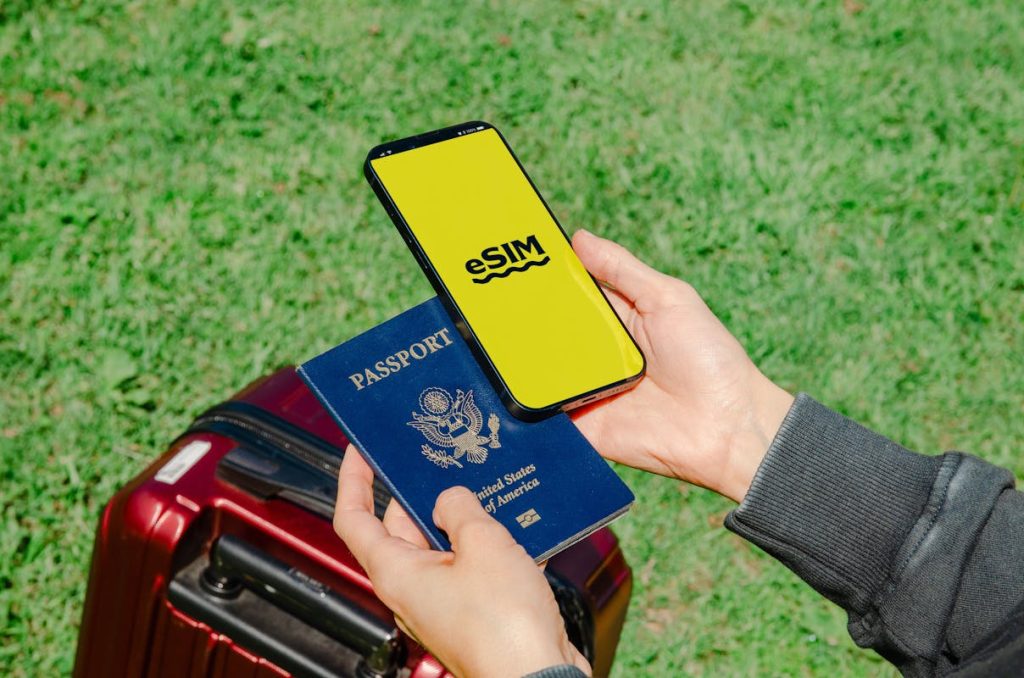
A costly roaming charge scam starts with a call warning of excessive international phone fees. The caller claims to represent a mobile carrier and offers immediate resolution. A request for account details or payment follows. The scam exploits fear of unexpected bills after travel. A legitimate carrier provides billing details through official statements or apps. A direct login to the carrier account verifies charges. A refusal to share information over unsolicited calls prevents unauthorized access and financial damage effectively. Travelers benefit from reviewing statements regularly enabling alerts using secure apps and contacting carriers directly before acting. Proactive monitoring reduces confusion costs stress risks and fraud attempts.
Rental Car Damage Claims

A fraudulent rental car damage scam involves calls claiming damage was discovered after vehicle return. The caller demands immediate payment to avoid insurance claims. The pressure relies on vague descriptions and lack of documentation. A legitimate rental company provides written reports and photographs. A demand for phone payment without evidence signals fraud. A review of rental agreements and return receipts helps verify claims. A direct call to the rental company using official numbers confirms whether damage charges are valid. Keeping photos timestamps witnesses receipts and inspection reports strengthens disputes deters scammers supports chargebacks and protects travelers from unfair post rental accusations later worldwide effectively.
Travel Agency Cancellation Fees

A deceptive travel agency scam includes calls claiming a booking requires cancellation fees due to policy changes. The caller impersonates an agency and warns of penalties without immediate payment. A sense of urgency is created by limited deadlines. A real agency communicates changes through documented channels. A review of booking confirmations clarifies policies. A callback to the agency using verified contact information exposes fake demands. A refusal to pay over unsolicited calls protects against unnecessary financial losses and identity theft. Careful record keeping skepticism independent verification and patience help travelers avoid pressure tactics and preserve booking security during disruptions.
Airport Pickup Coordination Scams

A misleading airport pickup scam involves calls claiming a pre booked driver requires confirmation fees. The caller references flight details and arrival times to sound legitimate. A request for payment secures the ride supposedly. The scam relies on travel fatigue and confusion. A real transportation service confirms bookings through apps or emails. A lack of written confirmation indicates fraud. A check with the original booking source clarifies arrangements. A refusal to send payment by phone avoids unnecessary losses. Staying organized rested skeptical and using official apps helps travelers confirm rides reduce stress and prevent costly mistakes during busy arrival periods worldwide airports today.
Visa Processing Assistance Calls

A fraudulent visa assistance scam targets travelers planning international trips. The caller claims visa issues require immediate paid processing. A promise of expedited approval is offered for a fee. The scam exploits unfamiliar immigration rules. A legitimate visa process uses official government websites and documented channels. A demand for phone payments signals fraud. A review of embassy websites provides accurate requirements. A direct contact with official visa centers confirms timelines and costs without risk. Early research official sources patience careful reading and avoiding third party pressure help travelers navigate visa requirements safely and confidently worldwide without unnecessary expenses.
Lost Luggage Recovery Fees

A deceptive lost luggage scam begins with a call claiming that lost bags were found and require recovery fees. The caller poses as airline or airport staff and requests payment for delivery. The urgency relies on traveler frustration. A real airline does not charge to return lost luggage. A request for payment by phone indicates fraud. A direct call to the airline baggage office confirms status. A refusal to provide payment information prevents exploitation during stressful travel disruptions. Documentation tracking numbers patience official apps frequent follow ups and calm verification help travelers recover belongings safely without paying scammers during already exhausting travel disruptions.