7 Souvenirs From Popular Destinations That Are Worth a Fortune Today
Some of the most valuable collectibles in the U.S. did not start out as serious investments. They started as souvenirs, bought on vacation, stuffed into suitcases, and forgotten in closets.
Today, auction houses, appraisers, and collectors say a handful of those travel mementos can command eye-popping prices. The reason matters to everyday travelers too: rarity, condition, and a strong link to a famous place can turn a simple keepsake into a small fortune.
Early Disneyland souvenirs
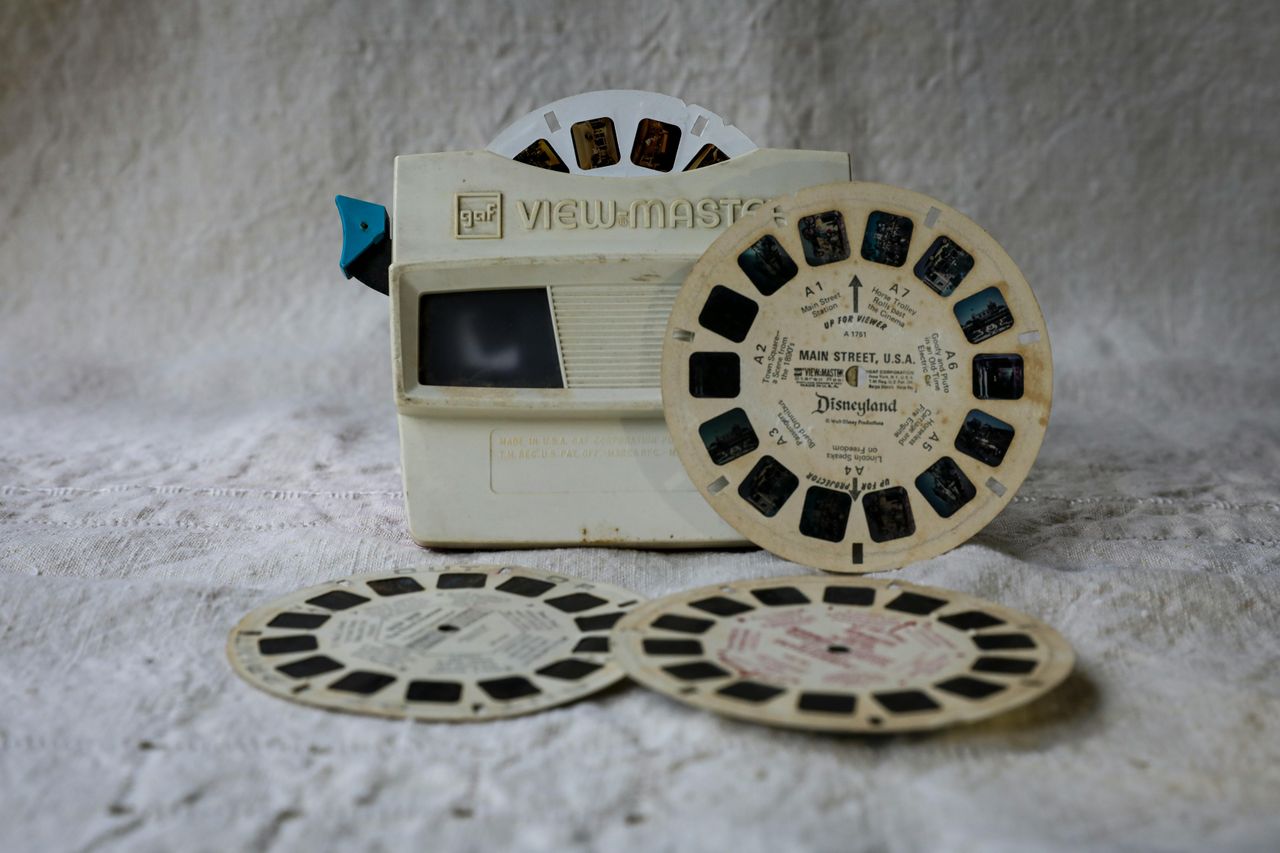
Collectors have turned early Disneyland memorabilia into one of the strongest souvenir markets in the country. Items sold during the park’s first years in the 1950s are especially sought after because they tie directly to the opening era of one of America’s most famous tourist destinations.
Original park maps, paper tickets, guidebooks, souvenir pins, and opening-year merchandise can sell for hundreds or thousands of dollars, depending on condition. Complete ticket books from the early years have drawn strong interest at major Disney auctions, while rare signs and employee items have sold for much more.
Auction specialists have long said that provenance matters here. A souvenir tied to July 17, 1955, Disneyland’s opening day, is usually worth far more than a similar item from a later year. Wear, fading, and missing pieces can sharply reduce value, especially with paper items.
That market has grown as Disney adults and nostalgia buyers compete for a limited pool of surviving pieces. What was once a low-cost family vacation keepsake is now treated by many collectors as a serious slice of American pop culture history.
Vintage Hawaiian aloha shirts
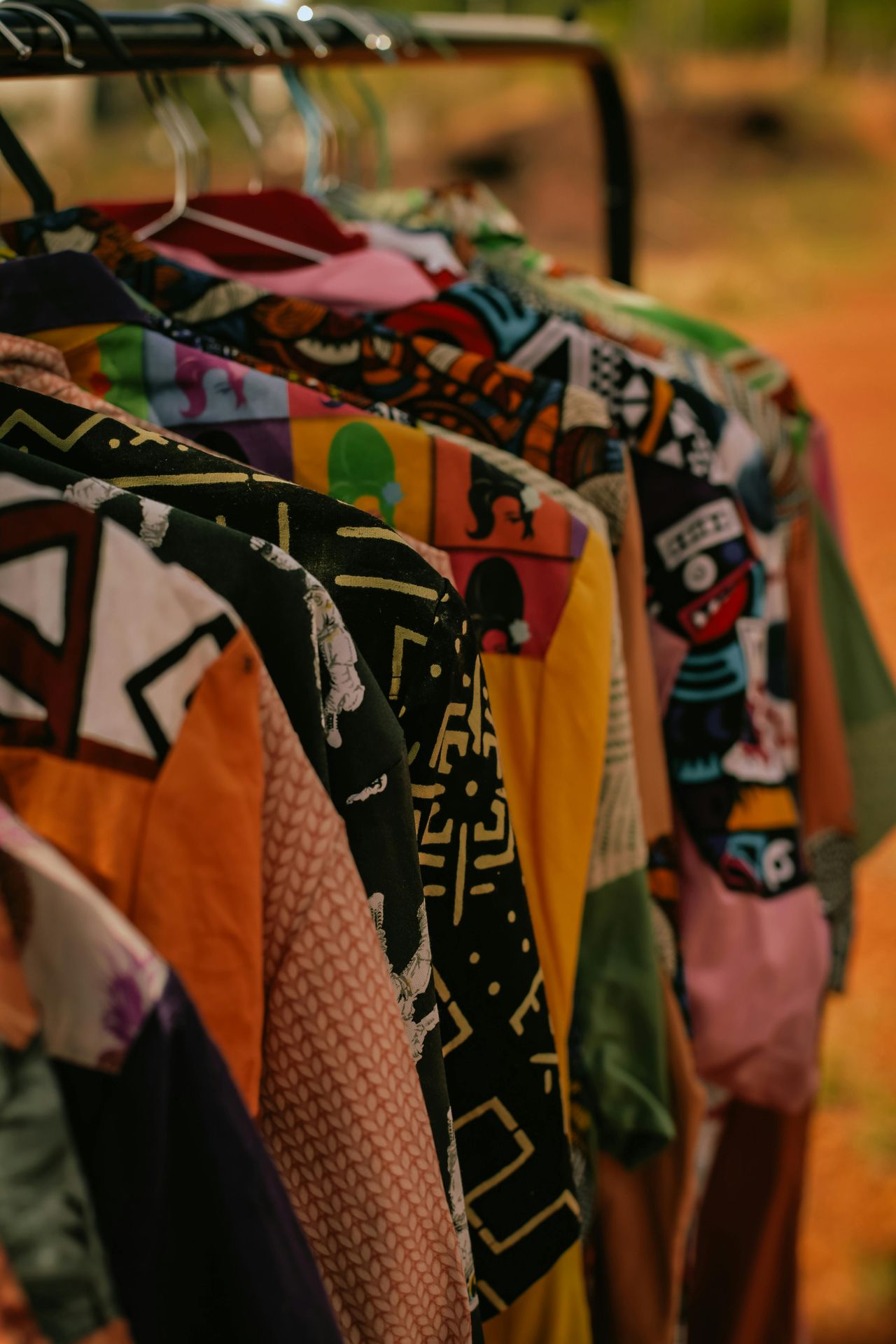
Hawaii has long been one of the most popular U.S. vacation destinations, and one of its most iconic take-home items has become highly collectible. Vintage aloha shirts, especially those made in the 1930s through the 1950s, can fetch impressive prices when they feature rare labels, bright prints, and strong fabric condition.
Collectors look for early makers such as Kamehameha, Duke Kahanamoku, and Malihini, along with shirts made from rayon rather than later synthetic blends. Certain island-themed patterns, barkcloth designs, and wartime-era prints have become especially valuable in the vintage clothing market.
Specialists in vintage fashion say the best examples can sell for several thousand dollars, with rarer designs going even higher. Condition is everything. Sun fading, staining, tears, or replaced buttons can significantly lower the final price, even when the label is desirable.
The broader boom in mid-century design has helped fuel demand. For many Americans, these shirts are more than clothing. They are souvenirs from the golden age of leisure travel, tied to Hawaii’s image in movies, music, and postwar tourism.
Old Las Vegas casino collectibles
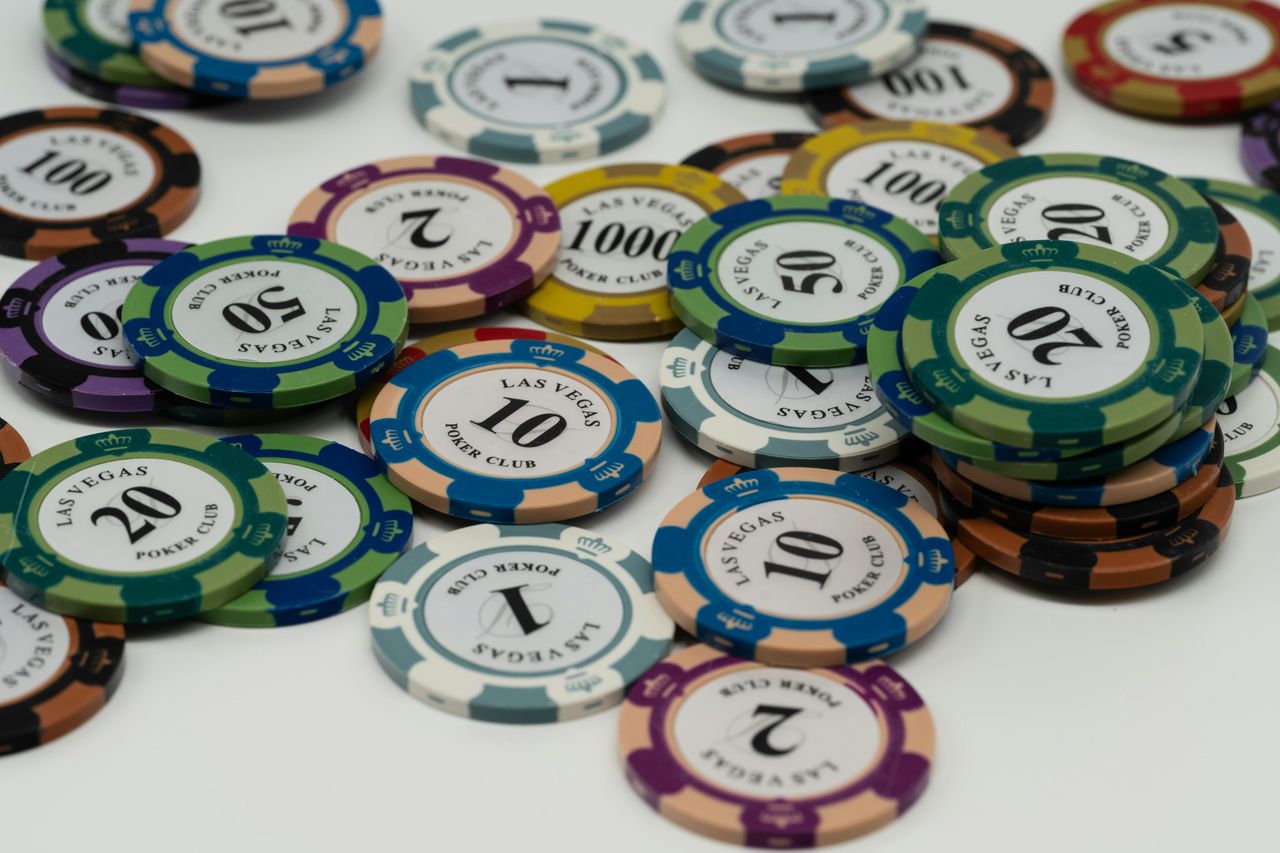
Las Vegas visitors once brought home ashtrays, matchbooks, casino chips, dice, and hotel souvenirs without much thought. Decades later, some of those pieces have become valuable because the casinos that made them no longer exist, giving collectors a direct link to vanished Strip history.
Items from famous demolished properties such as the Sands, Dunes, Stardust, Flamingo, and Desert Inn often attract strong bidding. Casino chips are one of the biggest categories, especially low-run chips, limited commemoratives, and examples from short-lived resorts.
Nevada gaming memorabilia groups and auctioneers have noted that rarity usually drives the top prices. A common souvenir ashtray may still bring only modest money, but rare chips, signage, and unopened gaming items can sell for hundreds or thousands of dollars.
The appeal goes beyond gambling. Old Vegas has become a nostalgia category of its own, with buyers chasing artifacts tied to the Rat Pack era, classic neon, and the city’s pre-corporate image. That has turned ordinary hotel gift-shop purchases into serious collectibles.
Vintage Route 66 travel signs and maps
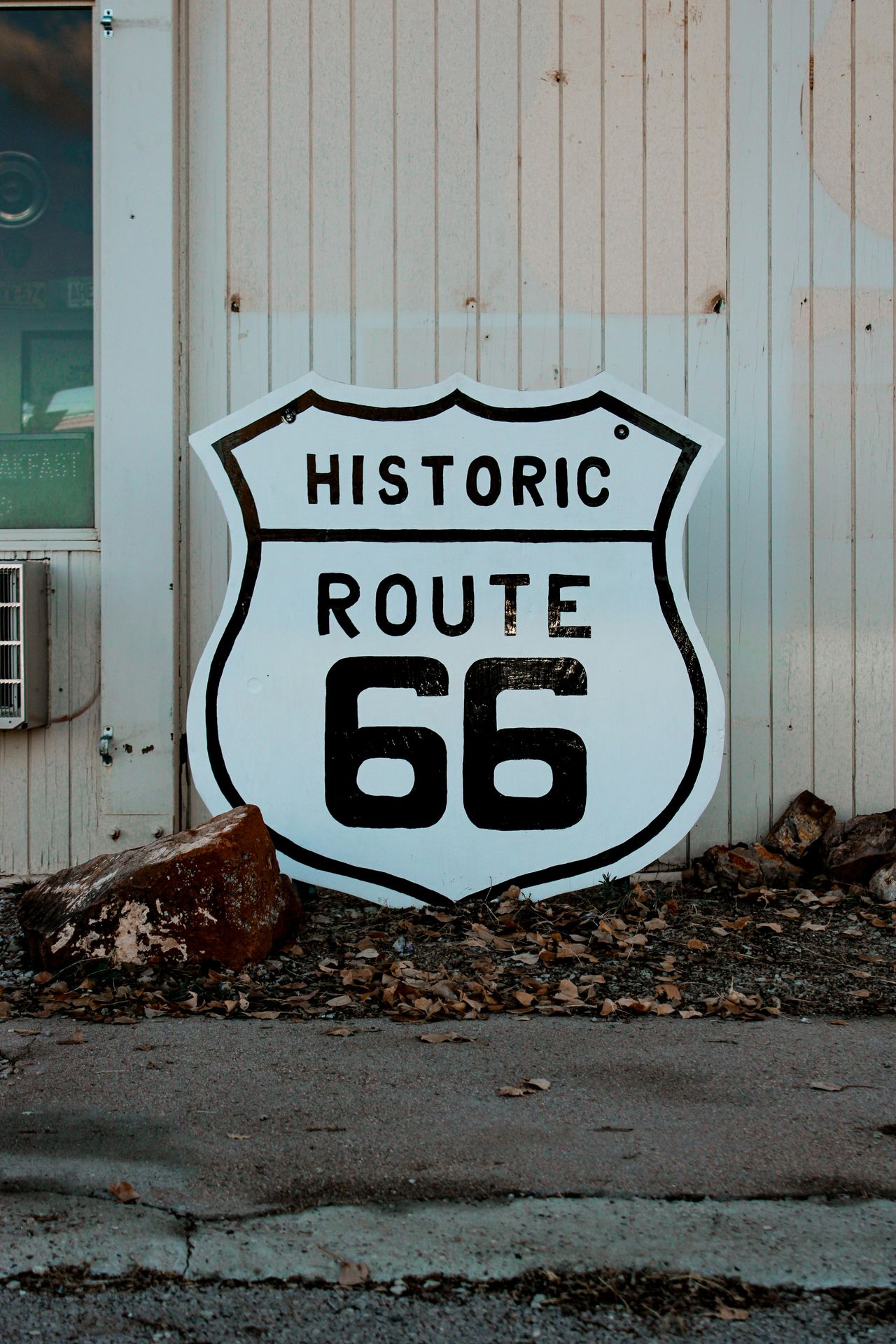
Route 66 souvenirs were once the definition of ordinary road-trip memorabilia. Families bought maps, postcards, pennants, motor court items, and enamel signs as they crossed the country. Today, original examples from the highway’s peak years are increasingly hard to find and often valuable.
Collectors especially prize pre-1970 maps, gas station signage, motel advertising, and roadside attraction souvenirs tied to now-closed stops along the route. Because many of these pieces were heavily used, well-preserved examples are much scarcer than casual buyers might expect.
Original porcelain or metal signs can command some of the highest prices, especially when they feature famous stops or recognizable branding from the route’s heyday. Even paper goods have gained value if they are colorful, complete, and tied to a specific historic location.
The market has benefited from renewed interest in classic American road travel. Museums, preservation groups, and nostalgia buyers have kept Route 66 in the public eye, and that has raised demand for souvenirs that capture the feel of postwar family vacations.
Antique Venetian glass from Italy
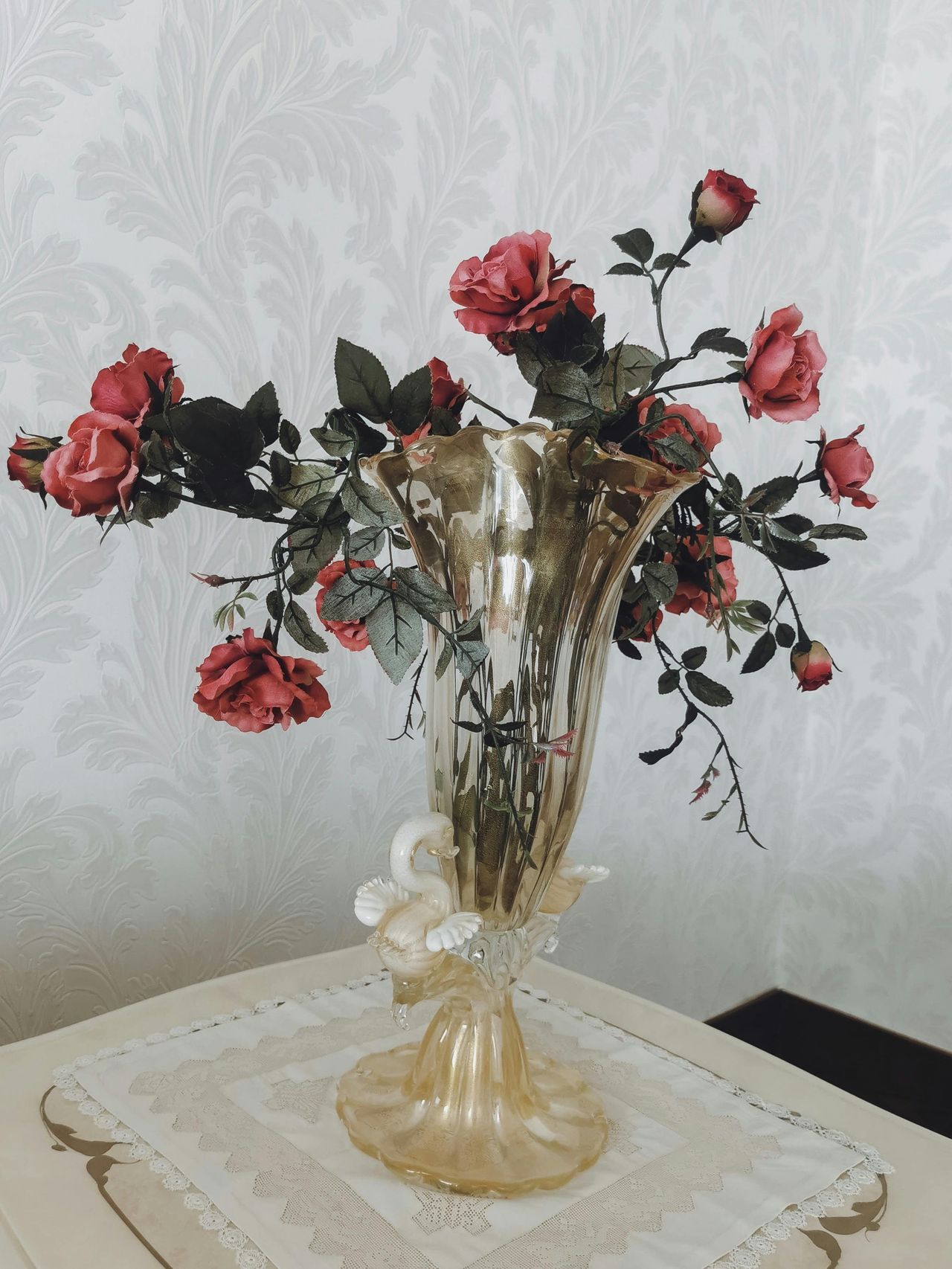
Murano glass is still widely sold to tourists in Venice, but older pieces bought decades ago can be worth far more than many travelers realize. Collectors pay the most for hand-made works from recognized Murano studios, particularly mid-century designs with documented craftsmanship and original labels.
Pieces by firms such as Venini, Barovier & Toso, Seguso, and Salviati often stand out in the resale market. Vases, sculptures, bowls, and art glass paperweights from the 1940s through the 1970s can bring substantial prices, especially when their design is linked to known artists.
Appraisers typically focus on age, authenticity, and condition. Chips, cracks, and missing stickers can make valuation harder, while confirmed attribution can dramatically raise it. Reproductions are common, which is why experts often recommend formal appraisal before any sale.
For American travelers, Murano glass was often a classic European vacation purchase, elegant but accessible. Over time, many of those decorative objects moved from souvenir shelves to the fine design market, where strong examples now sell as collectible art rather than simple keepsakes.
Soviet-era nesting dolls and propaganda souvenirs
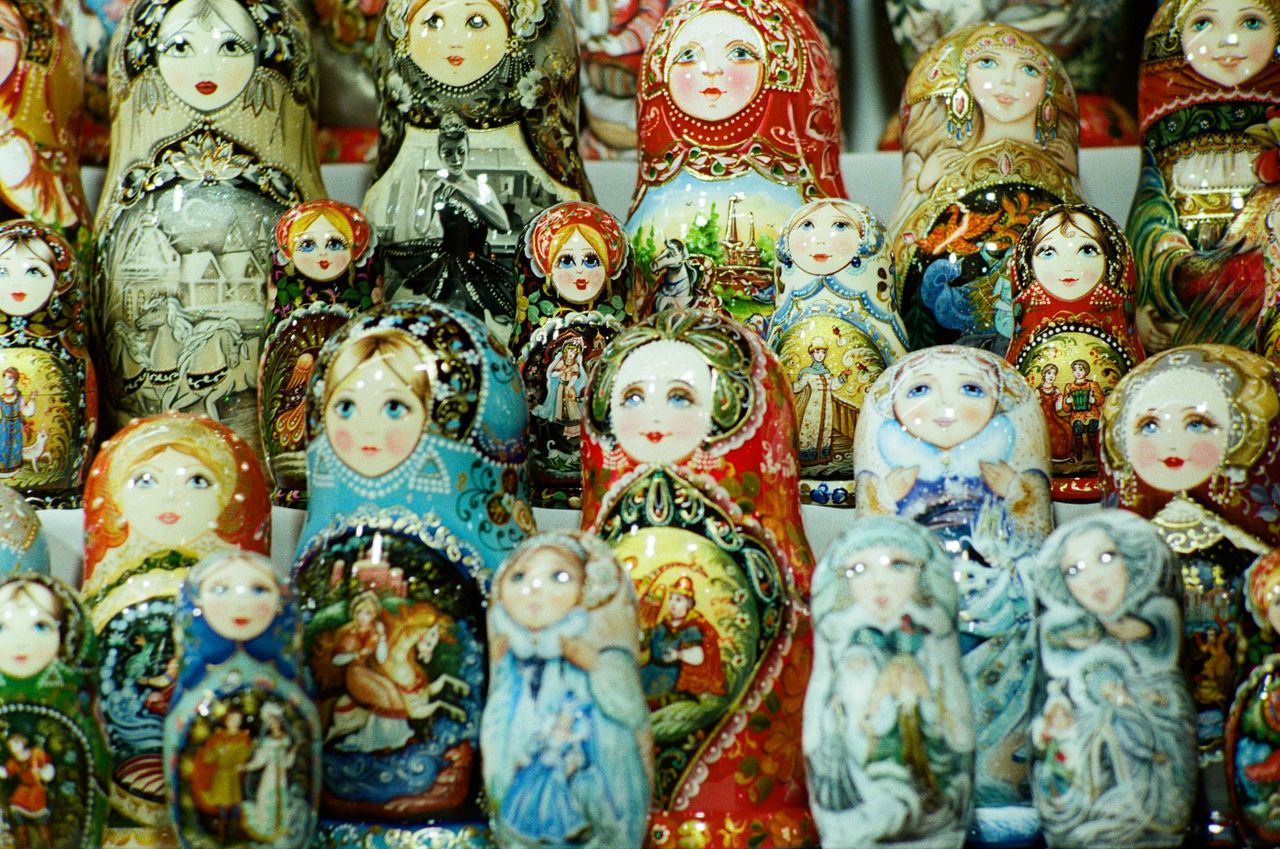
Travelers who visited Russia or Eastern Europe during the Cold War often brought home nesting dolls, badges, posters, medals, and small propaganda items. While plenty remain inexpensive, certain Soviet-era souvenirs now attract collectors because they capture a period of 20th-century political history that no longer exists.
Older matryoshka sets with fine hand painting, unusual themes, or strong provenance can be surprisingly valuable. So can Soviet tourist pieces linked to major events, space exploration, Olympic history, or state-produced imagery from the middle decades of the USSR.
Military-style badges, Lenin memorabilia, and officially issued commemorative pieces are also part of the market, though values vary widely. Experts say rarity and historical context matter more than novelty. An ordinary late-period trinket may have little value, while a well-preserved early or unusual item can sell for far more.
The market has been shaped by museums, history collectors, and buyers interested in Cold War artifacts. That gives some old travel souvenirs a second life, not just as mementos, but as physical reminders of a closed chapter in world history.
Vintage Paris posters and Eiffel Tower keepsakes
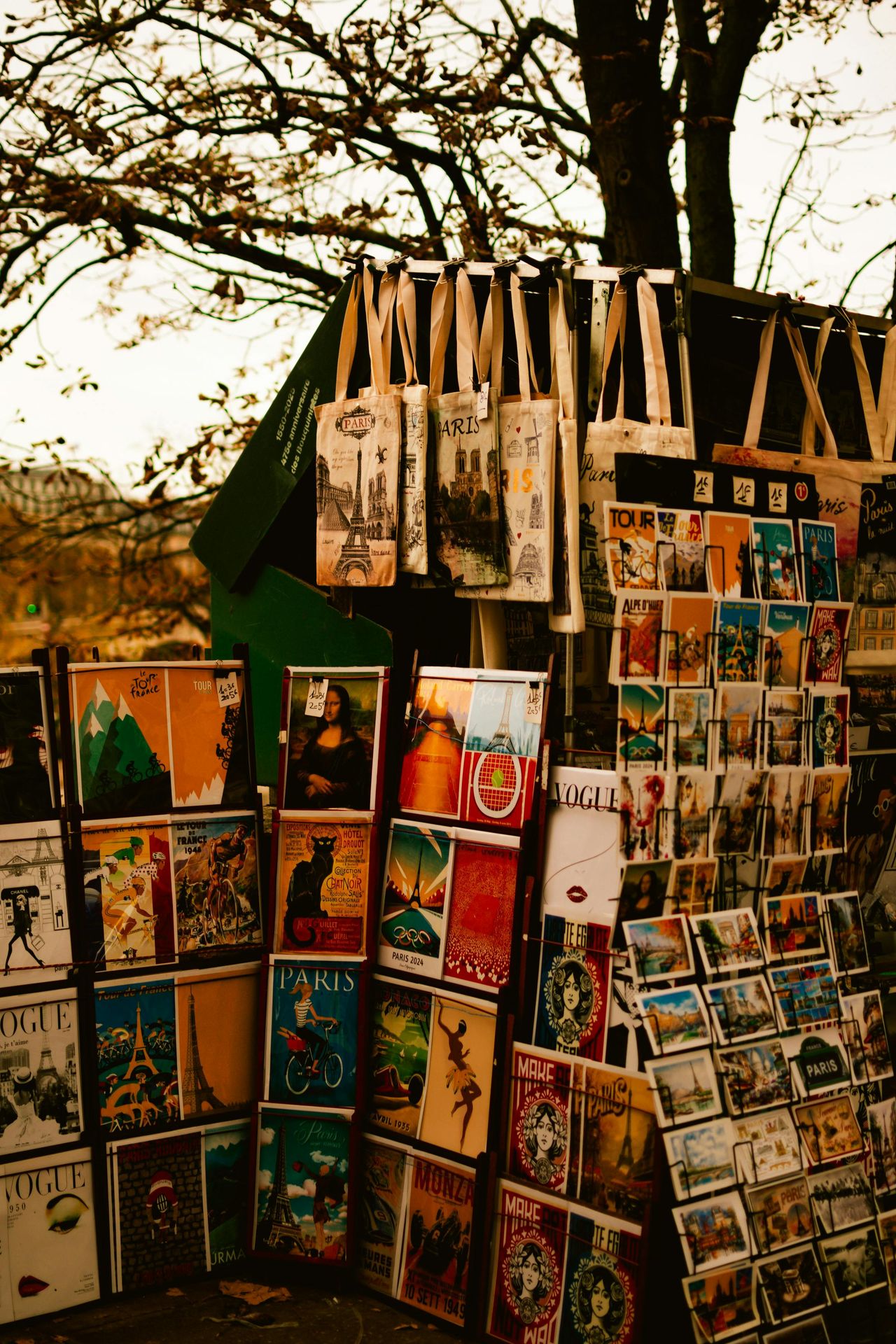
Paris has been producing tourist souvenirs for generations, but not all of them are equal in today’s market. Vintage travel posters, early Eiffel Tower miniatures, and old cabaret or exhibition memorabilia have become especially collectible when they date to the late 19th or early 20th century.
Original French travel posters are among the most valuable examples, particularly if they were designed by noted artists and promoted rail travel, world fairs, or famous neighborhoods. Smaller souvenir objects can also do well if they are clearly old, well made, and tied to a specific event or era.
Auction houses have reported steady demand for Belle Époque and Art Deco material connected to Paris tourism. Condition remains critical. Paper restoration, discoloration, or missing parts can hurt prices, while verified age and maker marks can push values sharply upward.
What makes Paris souvenirs stand out is their crossover appeal. Buyers may come from travel collecting, poster art, design history, or French cultural memorabilia. That broad demand has helped transform old vacation keepsakes into valuable collector pieces that still carry the romance of the city.