8 American Airports With Sections So Outdated They Have Not Changed Since the 1990s
Some of America’s busiest airports have shiny new gates, upscale dining, and high-tech security lanes. But tucked inside many of them are older sections that still look and operate much like they did in the 1990s.
That matters to travelers because these outdated spaces often mean tighter seating, fewer outlets, older restrooms, and layouts built for a very different era of air travel. Here are eight U.S. airports where some sections still feel frozen in time.
Philadelphia International Airport
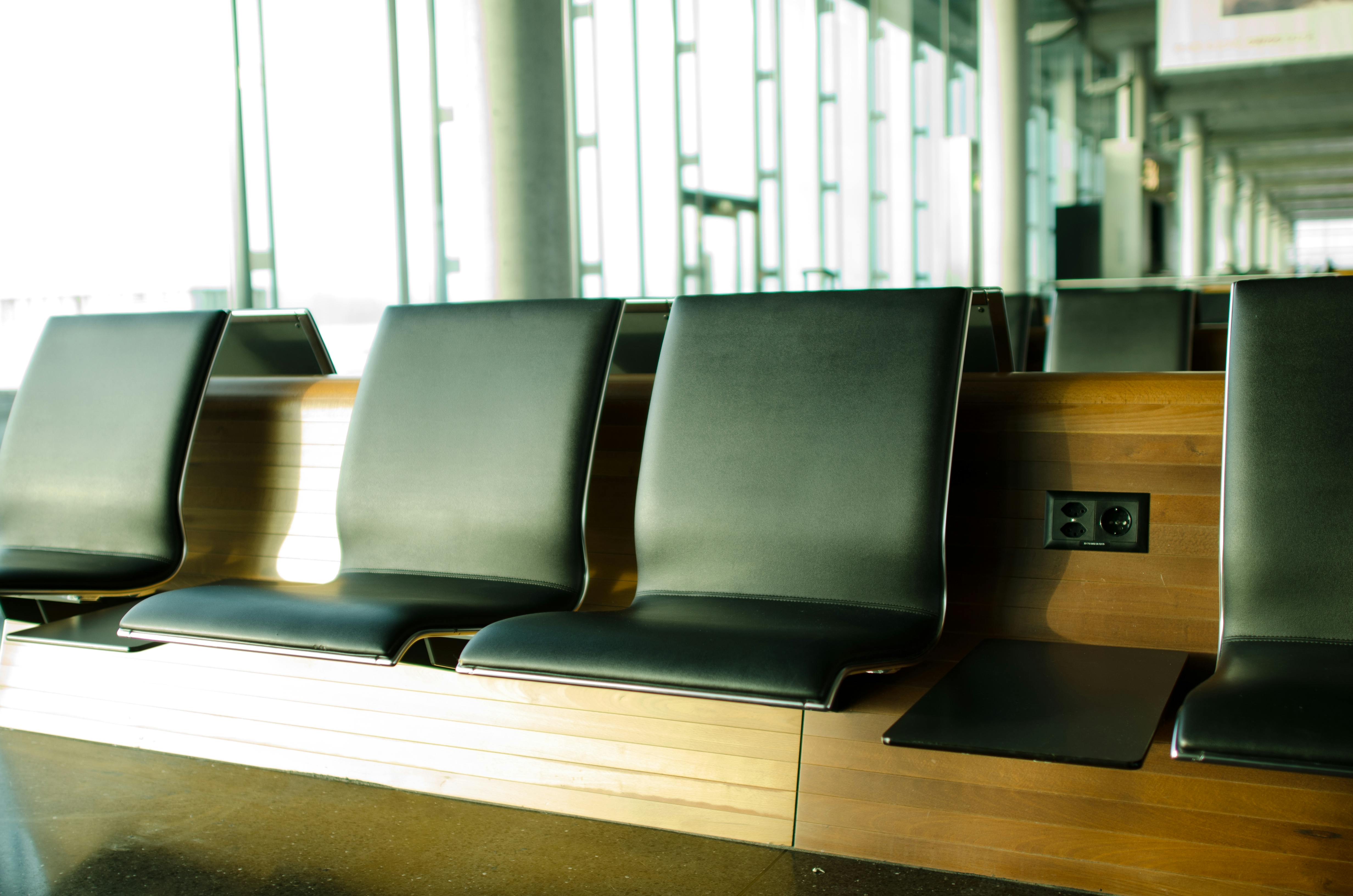
Philadelphia International has made visible upgrades in parts of the airport, but several older gate areas, especially in Terminal D and sections tied to older domestic operations, still carry a distinctly late-1990s feel. Travelers regularly point to low ceilings, aging tile, dated seating banks, and narrow waiting zones that get crowded during peak periods. The airport handled more than 30 million passengers in recent years, making those older spaces feel even more strained.
Airport officials have been open about the need for long-term redevelopment. Philadelphia has advanced a major modernization plan aimed at improving passenger flow, terminal connections, and gate facilities over time. Until that work is fully realized, though, some older sections remain reminders of an earlier airport design model built around smaller passenger volumes and fewer amenities.
The contrast is especially noticeable when passengers move from refreshed concession areas into gate hold rooms that still lack the number of charging points and flexible seating now common in newer terminals. For many travelers, that gap is what makes the age of the space so obvious. It is not nostalgia. It is function.
Newark Liberty International Airport
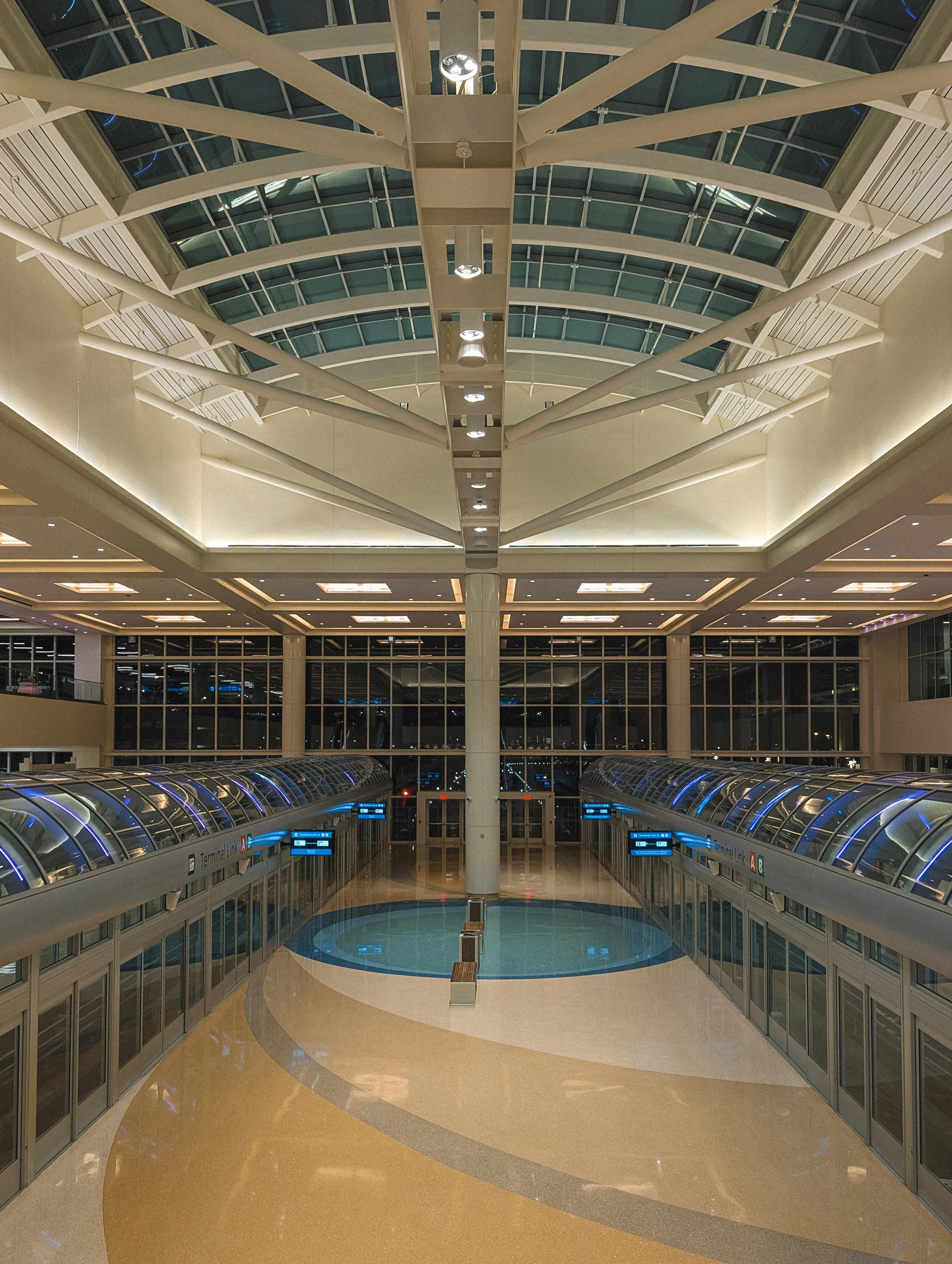
Newark Liberty has some of the clearest examples of airport modernization happening alongside aging infrastructure. Terminal A was replaced with a new facility, but parts of the older airport footprint, especially legacy areas that served decades of heavy traffic, have long been criticized for worn finishes, cramped circulation, and dim gate seating zones. Before replacement projects accelerated, many passengers described those spaces as stepping into another era.
The airport’s age is part of the story. Newark traces its commercial aviation history back to 1928, and even with periodic upgrades, some interior sections retained design choices more associated with the 1990s than with current airport standards. Older concourses often emphasized basic throughput over comfort, leaving little room for today’s expectations around workspace, family seating, and device charging.
Port Authority officials have invested heavily in redevelopment across the airport system, and Newark has been central to that effort. Still, for travelers moving through older sections that remained in use during transition periods, the sense of dated design has been hard to miss. In practical terms, age shows up in everything from restroom layouts to bottlenecked boarding areas.
Los Angeles International Airport
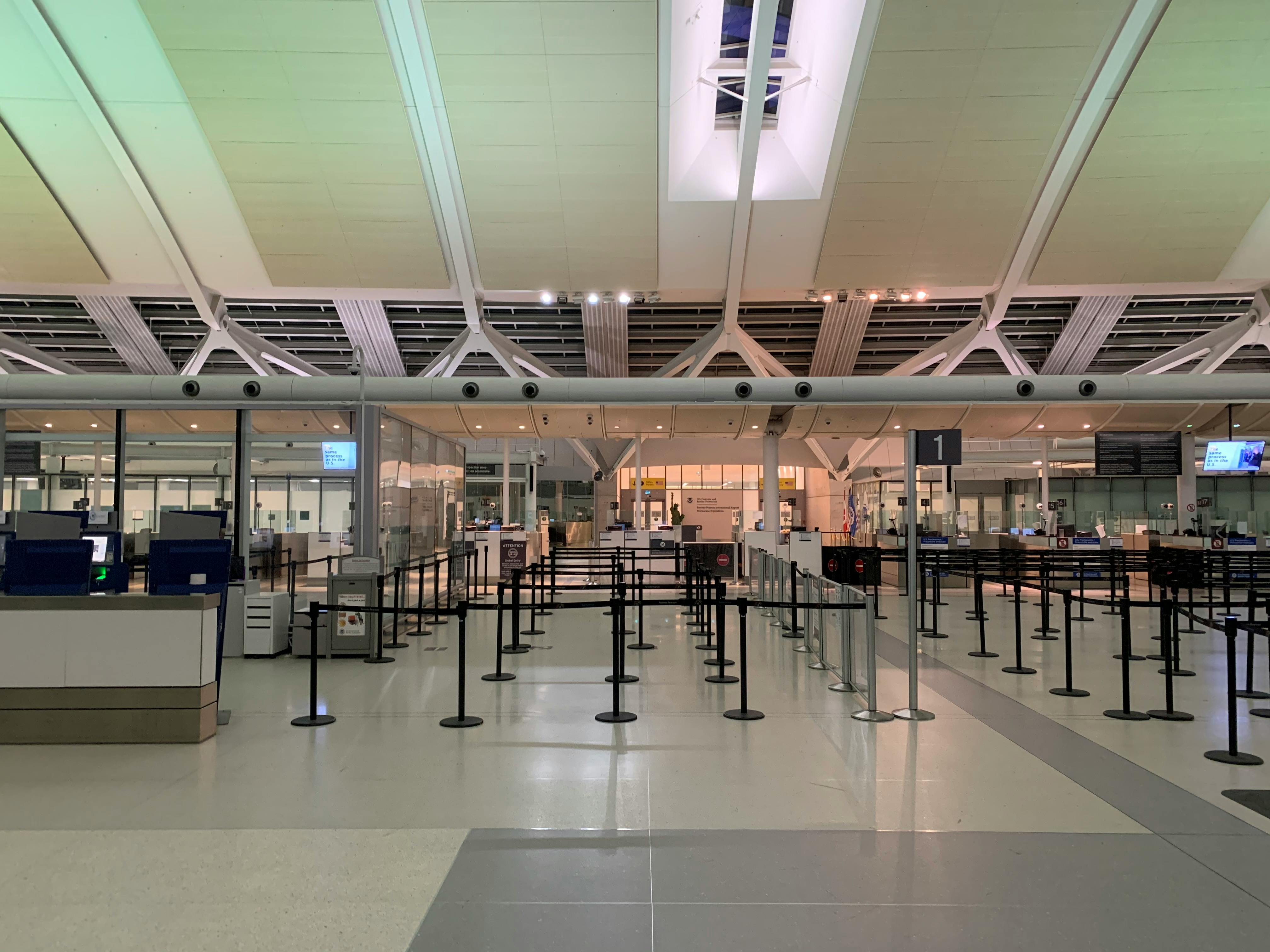
Los Angeles International is one of the busiest airports in the world, yet some of its older terminal sections have long felt disconnected from the sleek image associated with modern LAX projects. Terminal 5 and older gate areas in other terminals have, at various points, drawn passenger complaints over aging finishes, crowded seating, and layouts that reflect pre-digital travel habits. In a place built around global image, those sections stand out.
LAX has undergone years of construction tied to major events, including preparations connected to the 2028 Olympics. Airport officials have promoted terminal upgrades, people mover construction, and roadway improvements as part of a broad overhaul. But major airports are rarely rebuilt all at once, and that means older interiors can remain active even while cranes rise outside.
What gives some LAX sections that unmistakable 1990s feel is not only the decor. It is the overall experience. Passengers still encounter older boarding areas with limited power access, tighter walkways, and concession mixes that feel more practical than modern. At an airport serving tens of millions annually, even a small outdated zone becomes highly visible.
Chicago O’Hare International Airport
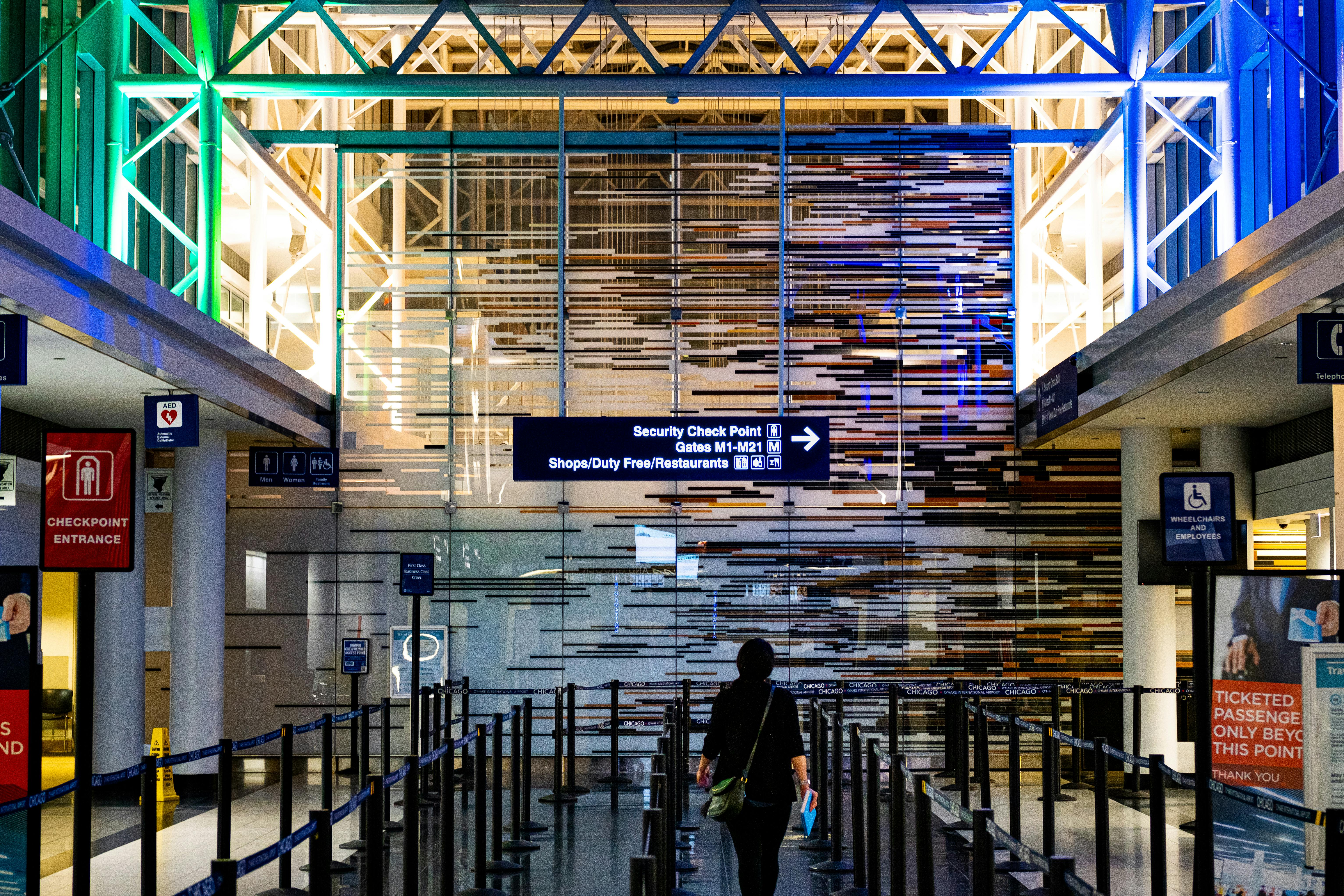
Chicago O’Hare is a giant hub with a split personality. Some concourses have benefited from significant reinvestment, while others still evoke the late 20th century through beige interiors, older carpeting or tile, worn gate podiums, and seating arrangements that leave little privacy or flexibility. Travelers who know the airport well often say the difference between sections can be dramatic.
O’Hare’s scale helps explain why modernization has been uneven. The airport covers millions of square feet and serves a massive volume of domestic and international traffic each year. Renovating one part of the complex does not automatically modernize the rest, especially when airlines, city authorities, and construction schedules must all align around ongoing operations.
Chicago has pursued broader terminal redevelopment, including long-term expansion plans. Even so, some existing domestic sections continue to feel like holdovers from the 1990s, when airport design focused less on laptops, smartphones, and longer dwell times. Today, a dated terminal is not just an aesthetic issue. It directly affects how comfortable people are while they wait.
Miami International Airport
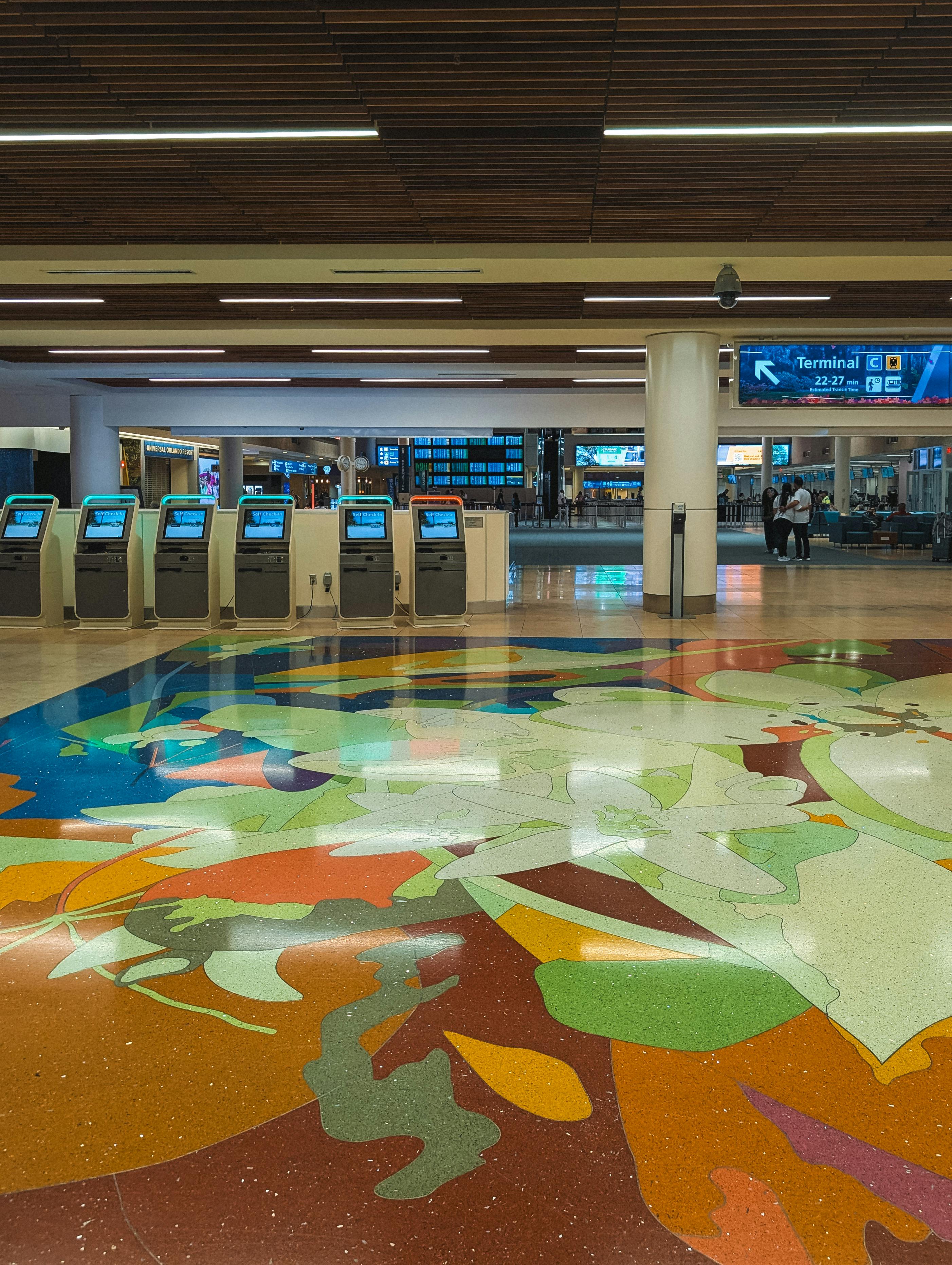
Miami International remains one of the country’s most important international gateways, especially for Latin America and the Caribbean. Yet parts of the airport, particularly older concourses that have seen years of heavy use, still show their age in obvious ways. Travelers often mention aging seating, older finishes, inconsistent lighting, and restrooms that feel overdue for complete redesigns rather than piecemeal touch-ups.
Miami-Dade officials have acknowledged the challenge of updating an airport that stays busy year-round. The airport has moved ahead with capital improvements and maintenance programs, but wear builds quickly in facilities that process millions of passengers, large numbers of international bags, and long daily operating hours. In older sections, that constant use is visible.
What makes Miami’s dated areas feel especially stuck in the 1990s is the mismatch between the airport’s global role and the design of some passenger spaces. A traveler arriving from a modern international terminal abroad can walk into a gate or corridor that feels noticeably older within minutes. That contrast shapes public perception as much as any single fixture or finish.
LaGuardia Airport
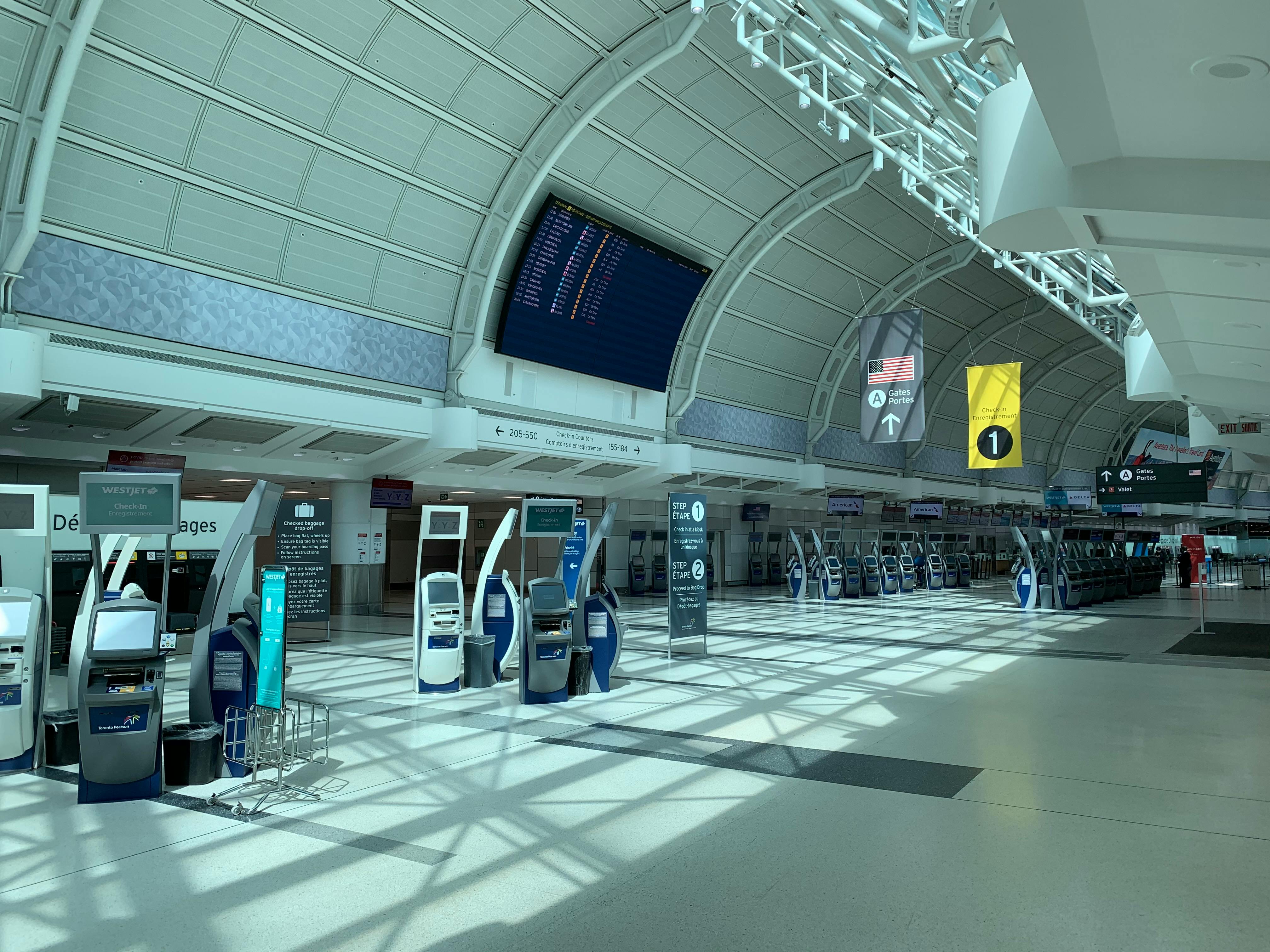
LaGuardia used to be the most famous example of an aging big-city airport, and much of that reputation came from terminal sections that looked untouched for decades. Massive rebuilding has changed the airport dramatically, but for years, older parts of the former Central Terminal and other legacy areas symbolized a kind of 1990s airport stagnation. Tight seats, low-slung interiors, and limited concessions were part of the experience.
The transformation at LaGuardia matters because it showed how deeply outdated some U.S. airport sections had become before replacement finally arrived. New York officials and the Port Authority framed the rebuild as a response to years of passenger frustration and deferred investment. Before the current terminals opened, the old spaces were widely mocked by travelers and late-night television alike.
Even now, LaGuardia belongs on this list because it remains one of the clearest recent examples of what an airport looks like when major sections are allowed to age too long. Its old terminals did not simply look dated. They reflected a system that had fallen behind traveler expectations for comfort, access, and basic convenience.
Louis Armstrong New Orleans International Airport
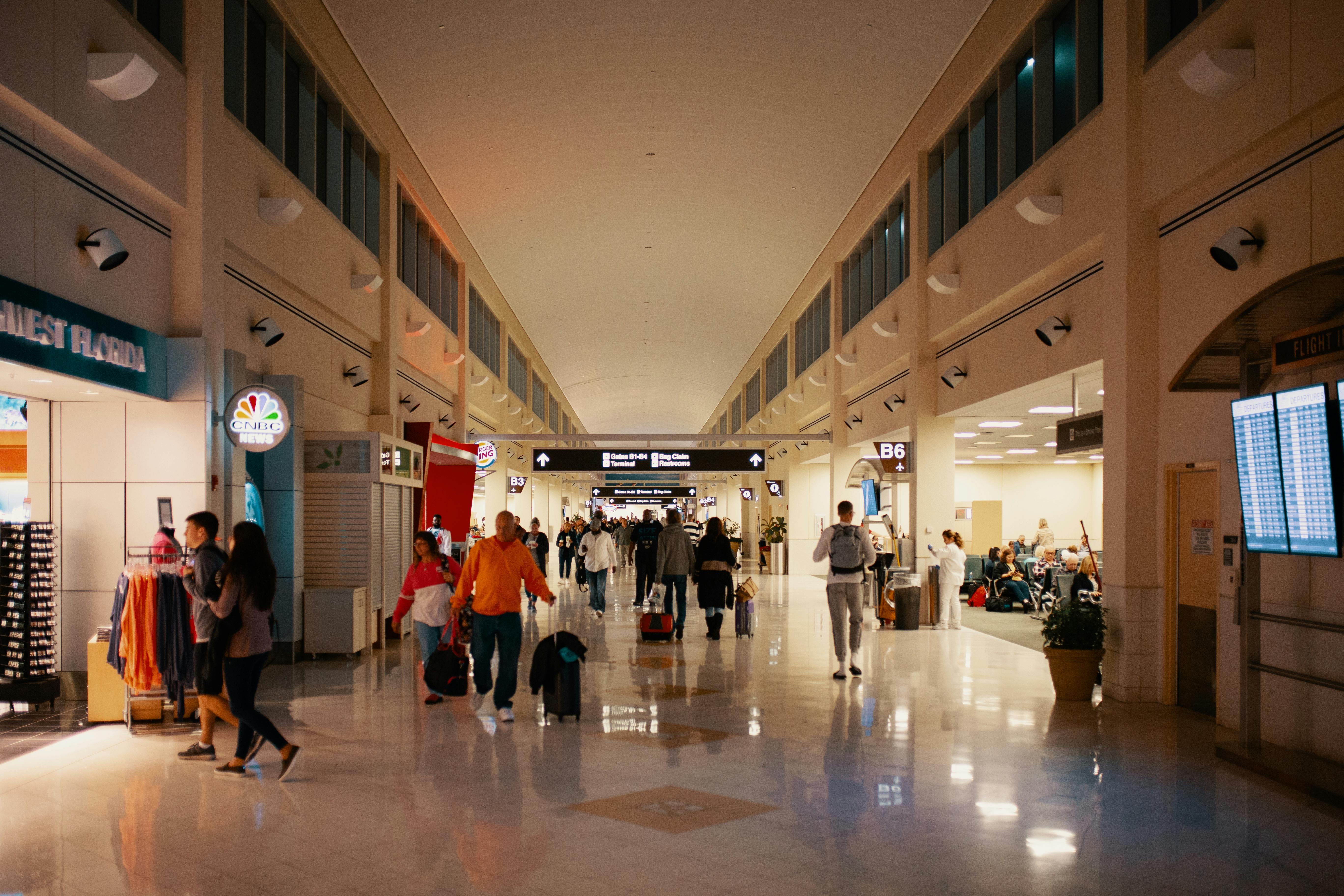
Before its new terminal opened in 2019, Louis Armstrong New Orleans International was frequently cited by travelers as an airport that felt stuck in another decade. The old terminal had practical strengths, including manageable walking distances, but many of its passenger areas carried a distinctly 1990s look with older seating, compact gate areas, and limited modern amenities. For years, that was part of the airport’s identity.
The opening of the new terminal marked a major shift, but the airport remains relevant to this conversation because its previous layout became a textbook case of how long older facilities can remain in service. Officials argued that replacement, not minor renovation, was the better answer after years of crowding and infrastructure limitations. Passenger growth had outpaced what the old design could comfortably handle.
For travelers who passed through in its final years, the old New Orleans terminal represented a common American airport problem. Airports can remain functional long after they stop feeling current. That gap between operational and modern is where the 1990s feeling tends to linger most strongly.
Honolulu Daniel K. Inouye International Airport
Honolulu’s airport has a unique open-air design that many travelers enjoy, but some older sections of the facility still feel rooted in an earlier era of U.S. airport planning. Aging gate furniture, older corridor finishes, and utilitarian waiting areas have led some passengers to describe parts of the airport as charming but undeniably dated. In high-humidity conditions, wear can also become more visible over time.
State transportation officials have worked on phased improvements, including security, baggage, and passenger facility upgrades. Still, Honolulu serves as a reminder that not every airport modernization effort results in a uniform experience. A traveler may move through one refreshed area and then reach a gate that appears far less updated in design and comfort.
That 1990s impression is partly visual and partly functional. Older sections may offer fewer enclosed spaces, less contemporary seating, and a layout that reflects different expectations for passenger dwell time. For mainland travelers arriving at Hawaii’s busiest airport, the setting is memorable. So is the sense that parts of it have been waiting a long time for a full refresh.