8 Unintended Consequences of Tightened U.S. Travel Policies on Trade Shows, Conferences, and Academic Travel
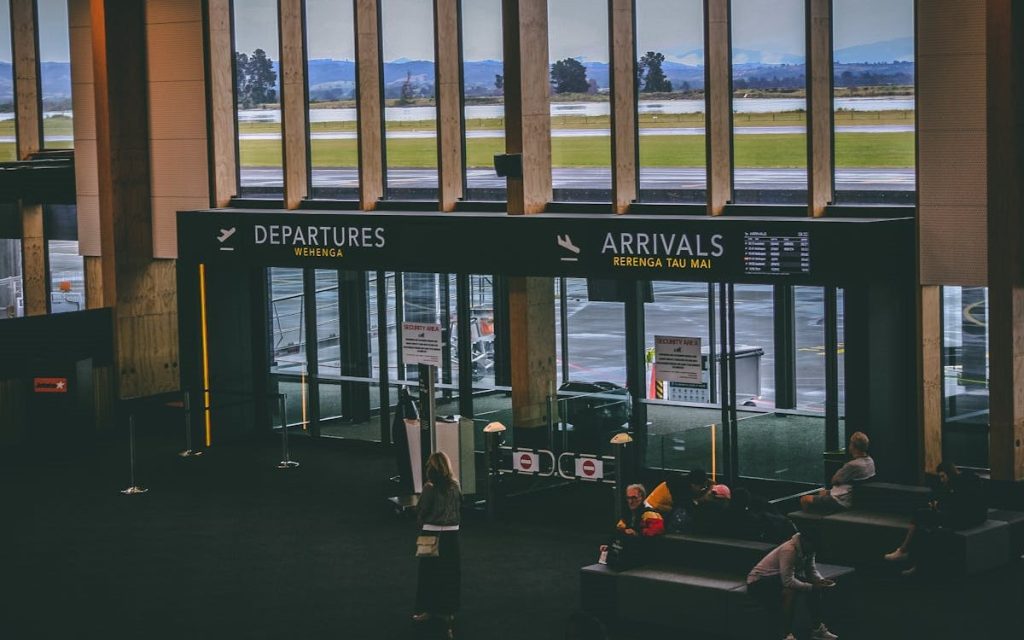
Stricter travel policies in the United States are shaping industries in ways few expected. Tighter visa requirements and longer approval times are not only reducing tourism but also affecting professional exchanges. Trade shows, conferences, and academic gatherings that once drew global audiences now face dwindling attendance and growing costs. These changes ripple through sectors that depend on collaboration, innovation, and the exchange of knowledge across borders.
Decline in International Participation

Many foreign professionals and scholars are skipping U.S. events due to visa delays and uncertainty. Invitations that once guaranteed attendance now come with risk, as travel approval can take months or be denied outright. Organizers face empty seats, while participants turn to virtual options or conferences in more accessible countries. The result is a noticeable drop in global engagement.
Reduced Economic Impact on Host Cities

Major cities like Las Vegas, Chicago, and Orlando, which rely on large conventions, are feeling the financial strain. Hotels, restaurants, and transportation services lose millions when attendance dips. The overall impact extends beyond event venues, affecting local workers and small businesses that depend on visitor spending throughout the year.
Shift Toward International Venues

Companies and organizations are moving their global conferences to friendlier destinations. Places like Canada, the Netherlands, and Singapore are becoming preferred alternatives for international gatherings. This shift weakens the U.S. position as a hub for innovation and exchange, redirecting both prestige and profits to more open markets abroad.
Strain on Academic Collaboration
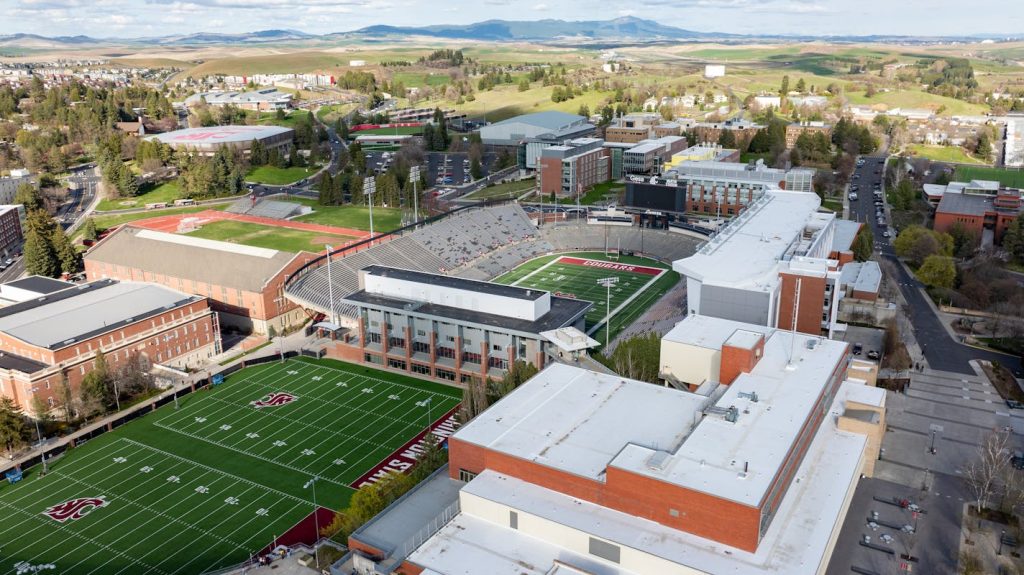
Universities are seeing fewer visiting scholars and students, especially from countries with more complex visa processes. Academic conferences that once fostered groundbreaking partnerships now struggle to attract diverse participants. This loss limits the cross pollination of ideas and slows research progress that depends on global perspectives.
Growth of Virtual Events

Tighter travel restrictions have accelerated the growth of virtual and hybrid conferences. While these formats improve accessibility, they can’t fully replicate face to face networking and collaboration. Organizers save money on logistics, but attendees miss out on informal discussions and hands on sessions that often lead to meaningful opportunities.
Decreased Innovation Exchange

Trade shows play a critical role in unveiling new technology and forming business connections. With fewer international exhibitors, these events lose the diverse input that drives innovation. Industries from tech to healthcare risk becoming more insular, with limited exposure to emerging global trends and partnerships.
Challenges for Startups and Small Businesses

Smaller companies that rely on U.S. events to attract investors or showcase products now face greater hurdles. The added cost and complexity of international travel deter potential clients and collaborators. This imbalance favors larger corporations with resources to navigate restrictions, leaving startups at a disadvantage.
Erosion of Global Leadership

As global gatherings shift elsewhere, America’s role as a leader in professional and academic exchange is diminishing. The country once served as a crossroads for ideas and innovation, but increasing barriers have made it less accessible. This decline in presence affects influence, reputation, and long term competitiveness on the world stage.