9 Remote US Counties Where Wealthy Preppers Are Buying Land in 2026

Across the mountain West and desert Southwest, a quiet shift is underway. Buyers with serious money are no longer chasing beachfront condos or city penthouses. They are shopping for acreage, water rights, private airstrips, and high-ground valleys where they can build homes that rely on wells and solar instead of public utilities. The trend blends fear, imagination, and long-term planning. These counties are where isolation meets wealth, and where land is treated as both lifestyle and insurance policy.
Flathead County, Montana
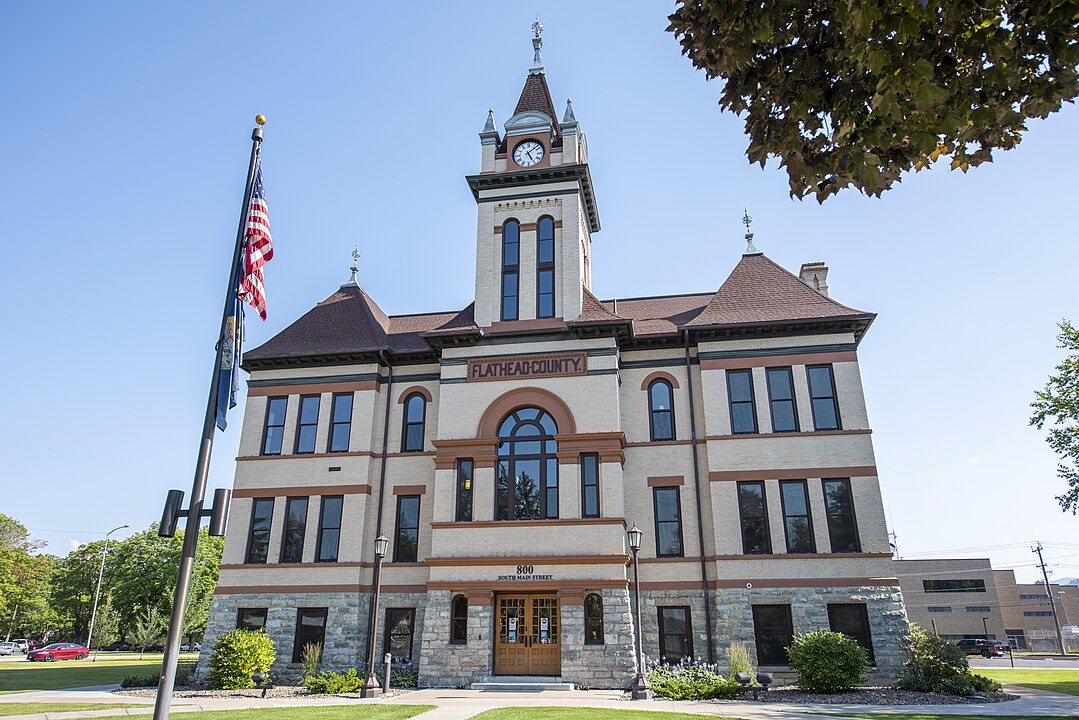
Flathead County sits between postcard lakes and miles of forest where a single dirt road can separate isolation from town. Wealthy buyers moved beyond the classic lakefront homes and started acquiring backcountry parcels fit for ranches, helipads, or private compounds. Land prices reflect that shift. Listings routinely highlight water access, timber, and proximity to national forest instead of nightlife or shopping. The people spending the most here are not chasing a vacation home but a place with options when the world gets unpredictable.
Idaho County, Idaho
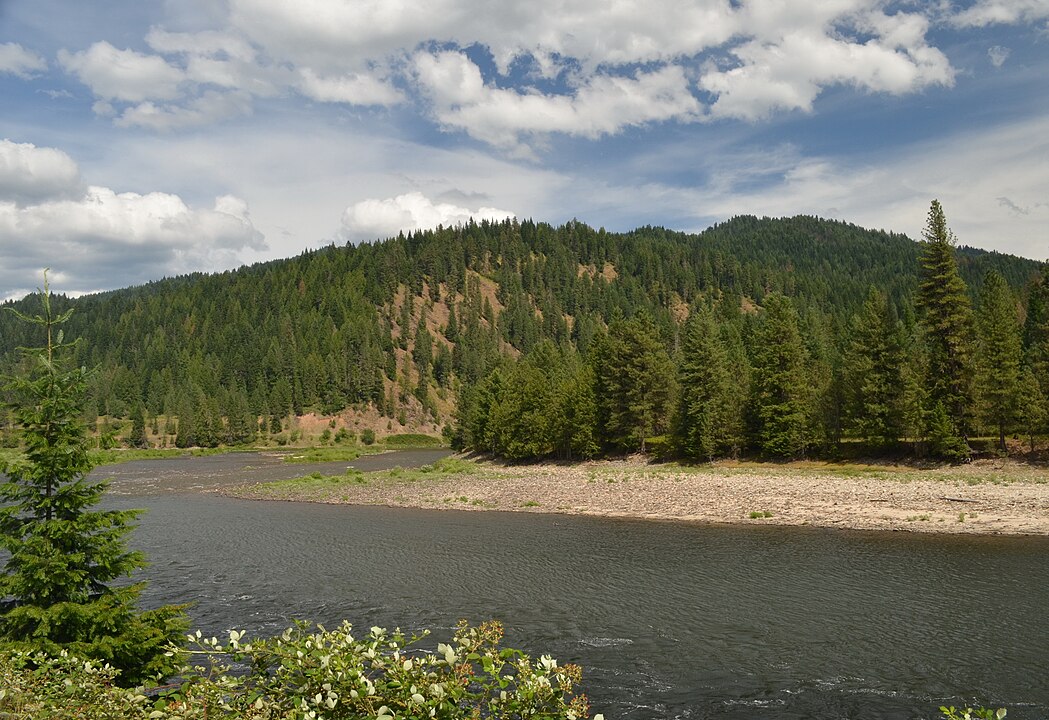
Idaho County stretches across a massive swath of mountains and river country where towns are few and neighbors are miles away. Preppers and off-grid families have circled it for years because it offers space to hunt, farm, or survive without crowds. Land brokers emphasize privacy and abundant public land rather than amenities. Buyers arrive with plans for wells, barns, and backup power systems instead of pools and wine bars. The county’s scale and remoteness make it an obvious refuge for anyone seeking distance from the coasts.
Bonner County, Idaho
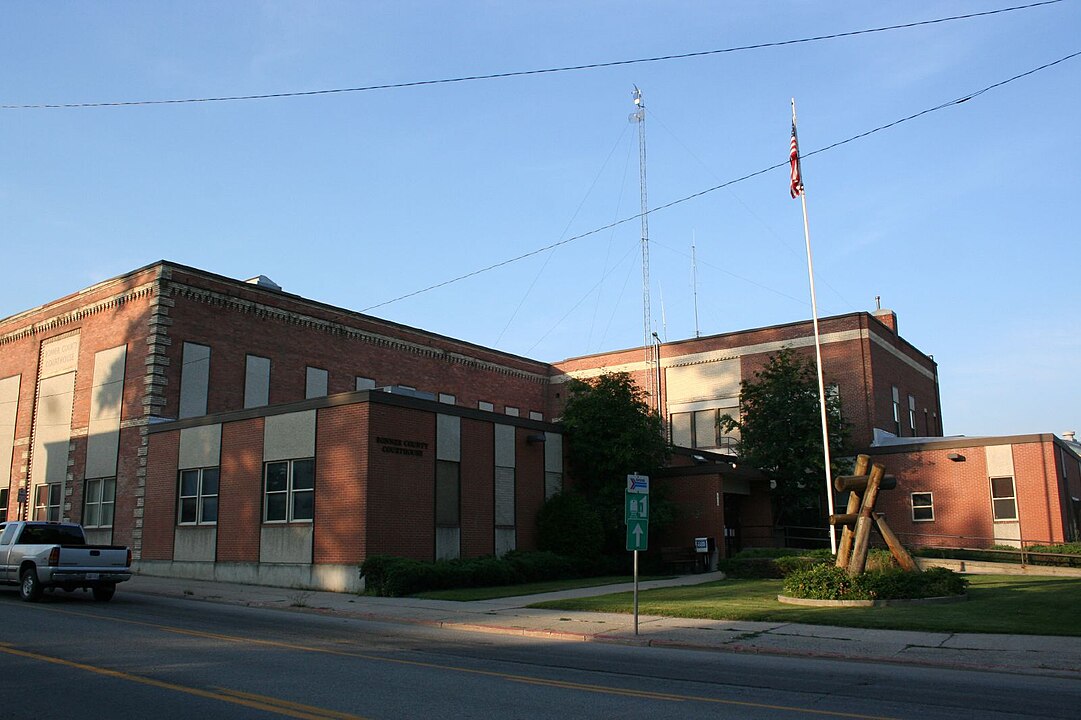
Bonner County has the look of a high-end lake town on the surface, but the deeper interest is on the outskirts. Roads peel off into thick forest and dead-end near cabins that run on solar and generators. Wealthy preppers and investors buy land here because the climate is forgiving, the water supply is dependable, and the terrain offers a level of privacy that feels deliberate. The rising share of expensive off-grid builds suggests people are designing properties that can operate independently for the long haul.
Apache County, Arizona
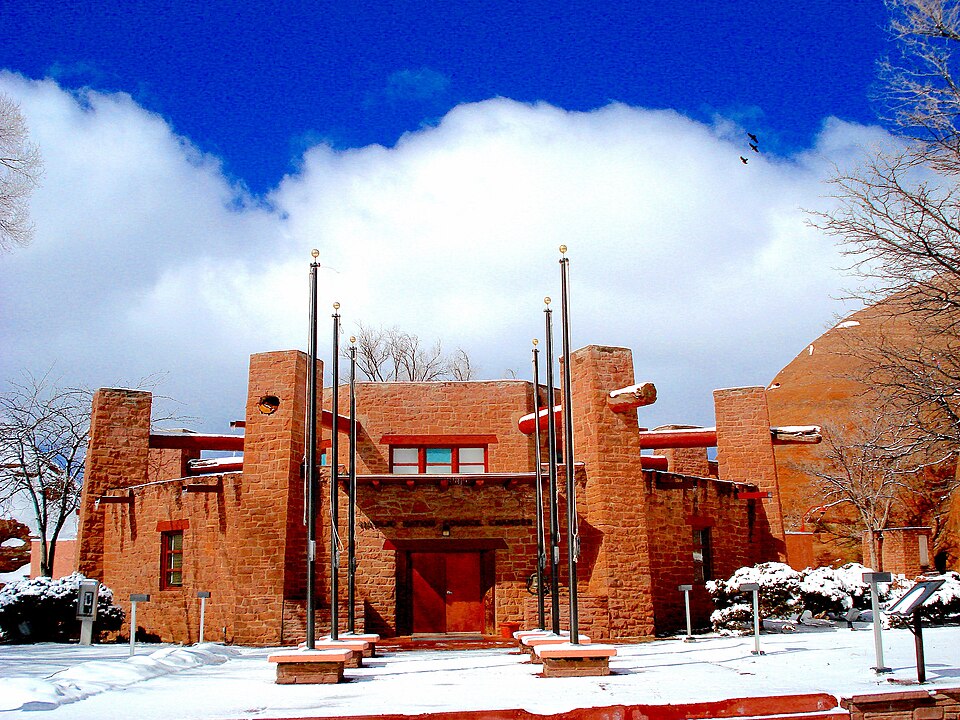
Apache County in northern Arizona is where the high desert meets pine forest, and where land still sells in hundred-acre chunks. Buyers are drawn to it because there is space to build without strict zoning rules, and the landscape is perfect for wells, solar arrays, and livestock. Real estate agents openly market properties for self-reliance rather than vacation living. Wealthier prep buyers don’t just want a remote cabin. They want a setup that functions more like a private ecosystem.
Mohave County, Arizona
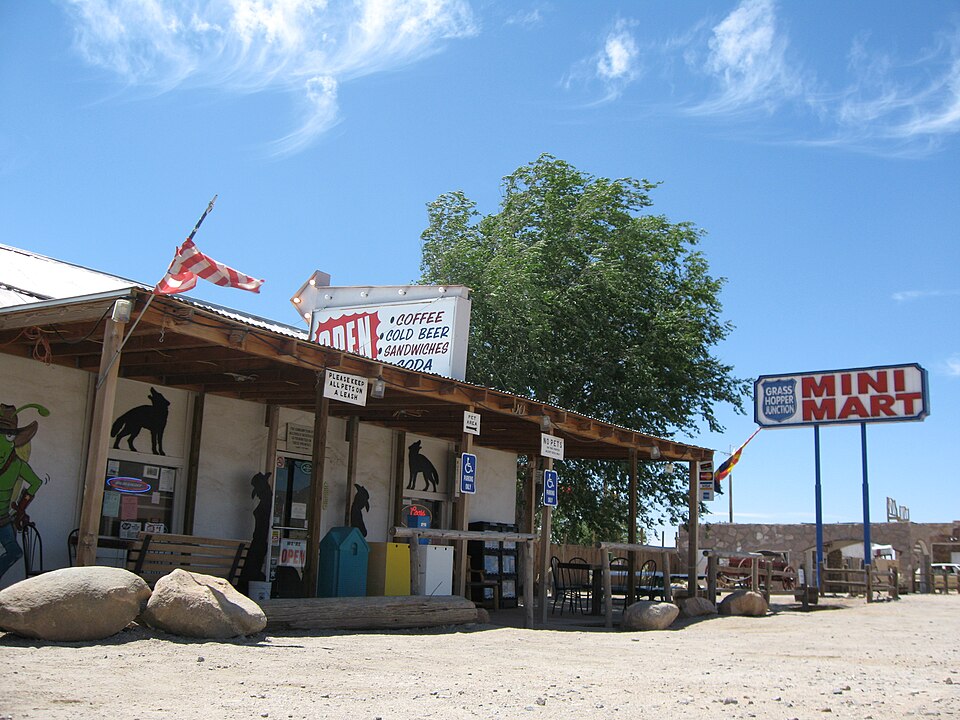
Mohave County stretches across a vast desert where land is cheap enough to buy at scale. Many parcels sit beyond paved roads or utilities, which is exactly what attracts certain buyers. Preppers here value the abundance of sun for solar power and the safety of distance from cities. Large tracts allow for water storage, private shooting ranges, and infrastructure that stays invisible from the main roads. What was once empty desert is transforming into scattered but intentional private retreats.
Luna County, New Mexico
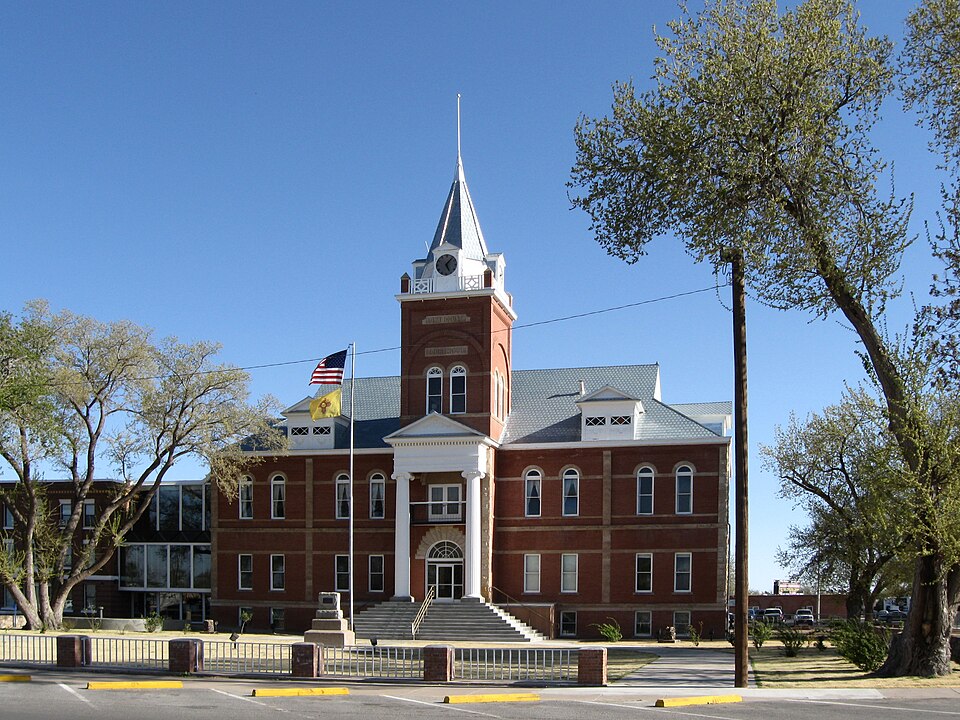
Luna County has become a magnet for investors and survival-minded buyers who want both affordability and acreage. It offers huge, flat parcels ideal for solar projects, orchards, livestock, or quiet desert compounds. Wealthy buyers appreciate that they can acquire more land for less while still building out serious infrastructure. This is where people build small homes with big footprints: wells, sheds, power banks, and room to grow if the world gets complicated.
Rio Arriba County, New Mexico
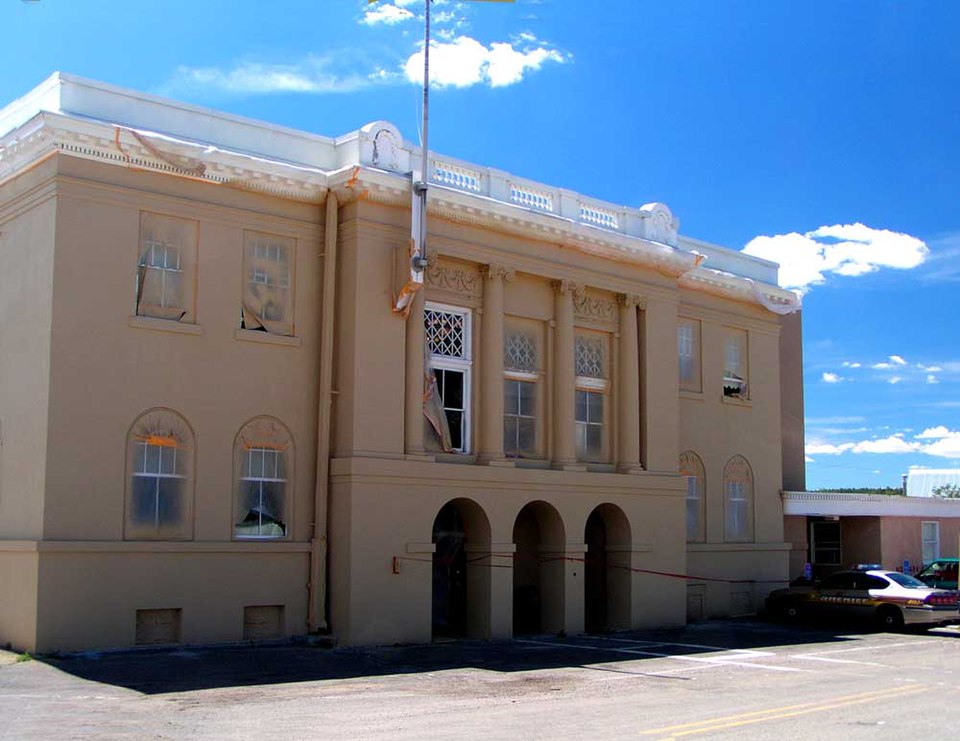
Rio Arriba County mixes high desert with mountain ranges, giving buyers access to water, trees, and elevation. Over the past few years, it has attracted everyone from artists to remote workers to preppers with carefully engineered plans. What these buyers want is land that feels timeless and self-contained. Many properties come with greenhouses, backup batteries, and water rights, signaling a move toward independence rather than weekend getaways.
Elko County, Nevada
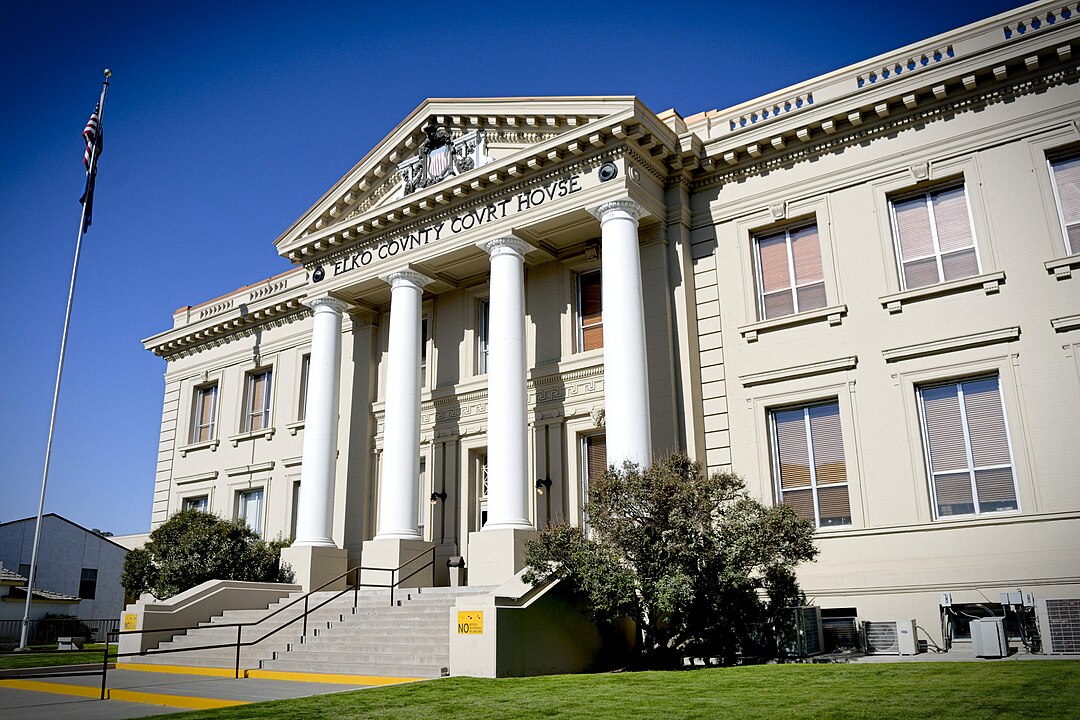
Elko County is vast and sparsely settled, with long roads that lead through sagebrush and open sky. Survival-oriented buyers like it because the land offers flexibility and enough space to build whatever they want without neighbors watching. Properties near town feel urban only by comparison. Farther out, buyers treat the desert as a blank page for ranches, bunkers, or multi-home compounds. Remote doesn’t mean primitive here. It means room to plan for the future without interference.
Fall River County, South Dakota
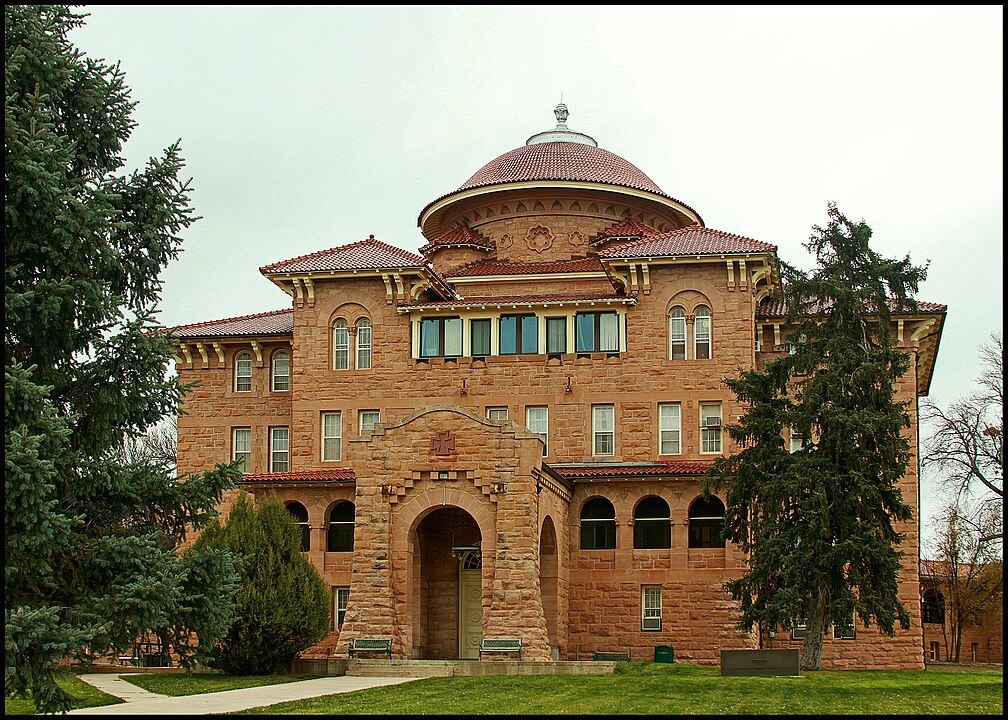
Fall River County lies in a quiet corner of South Dakota, which is exactly why it has become a target for prep-minded investors. Land here comes with pasture, water, and the kind of silence people rarely experience in suburban life. High-earning buyers can afford large parcels without paying Aspen prices, and the agricultural potential allows for true self-reliance. It is a place where privacy and practicality meet, and where many see a safe investment in more ways than one.