9 U.S. Havens Near Shenandoah That Feel Like a Break From Trying Too Hard
Travel experts and regional historians often observe that the transition into mid-winter creates a unique window of tranquility in the communities bordering Shenandoah National Park. While the peak seasons of spring blooms and autumn foliage bring a frantic energy to the Blue Ridge Mountains, January and February introduce a deliberate slowdown. According to hospitality professionals in the Shenandoah Valley, this period offers a rare opportunity to experience the region without the pressure of crowded trailheads or long restaurant wait times.
State tourism officials and park rangers note that the local atmosphere during these months shifts from an outdoor playground to a series of quiet, indoor sanctuaries. The natural environment encourages this retreat, as the stark beauty of the leafless forests and the occasional dusting of snow on the ridgeline minimize visual noise. Visitors find that the local culture becomes more intimate, characterized by the smell of woodsmoke and the low hum of conversation in historic taverns rather than the rush of seasonal tourism.
Planning a visit during this quiet stretch requires a mindset that values quality of experience over the quantity of activities. Expert guides suggest that the true charm of these havens lies in their lack of pretension and their commitment to a slower pace of life. These nine locations provide the perfect backdrop for a restorative escape, where the only real requirement is to exist comfortably within the serene winter landscape of Virginia’s most iconic mountain range.
Sperryville
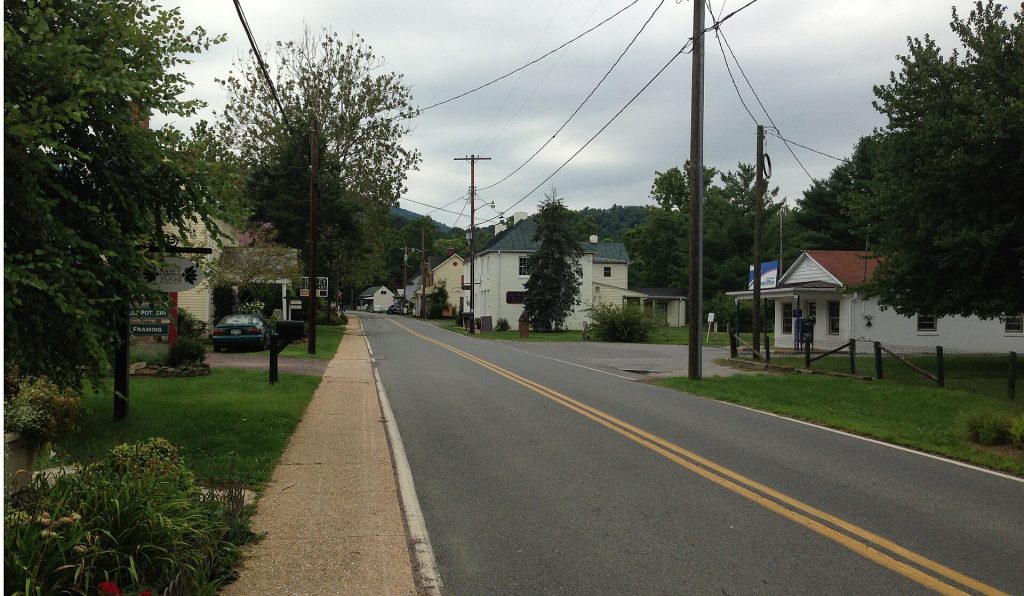
Located at the foothills of the Thornton Gap entrance to the park, Sperryville is frequently cited by design experts and rural planners as a model of understated charm. The town is defined by its repurposing of historic apple packing sheds and mills into galleries and workshops. In the winter, the rush of the nearby Rappahannock River becomes the primary soundtrack for the village, and the lack of summer crowds allows for a more personal exploration of the local craft scene.
Artisans and small business owners in Sperryville often emphasize that January is the best time to see the town’s authentic character. Without the constant flow of hikers passing through, there is space to appreciate the textures of the old brick and the meticulously curated interiors of the local cafes. It is a place where one can spend an entire afternoon in a wood-fired pizza shop or a cidery, feeling no pressure to move on to the next destination.
Staunton
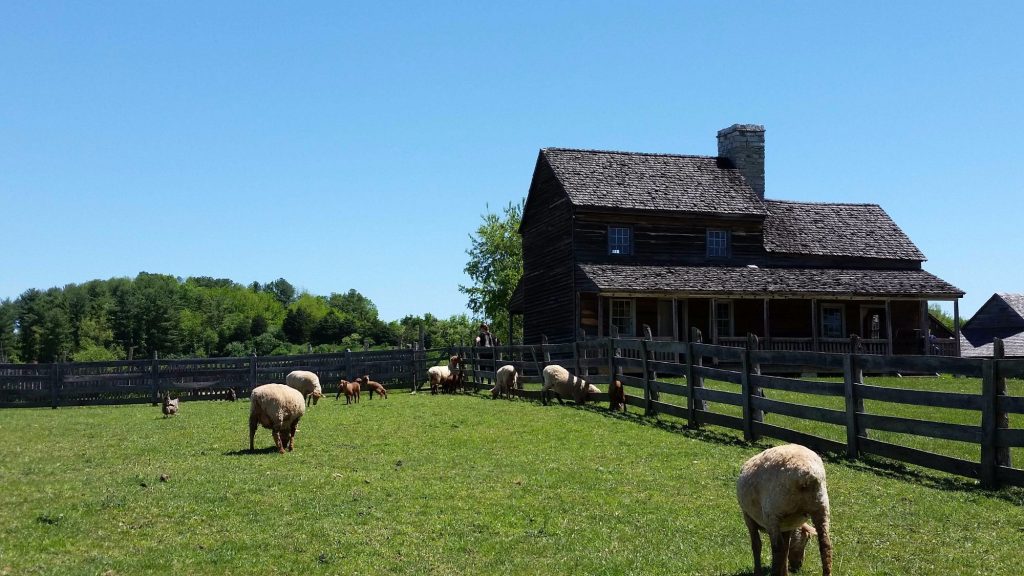
Urban preservationists and architectural historians often describe Staunton as one of the best-preserved Victorian towns in the United States. Its steep, hilly streets and red-brick sidewalks take on a particularly classic feel when the winter air is crisp. Because Staunton is a year-round cultural hub, it maintains a steady but unhurried pulse during the colder months, making it an ideal destination for those who want a break from trying too hard without sacrificing access to high-quality dining and theater.
Cultural curators note that the American Shakespeare Center remains active in the winter, providing a sophisticated indoor escape that feels world-class yet accessible. The town’s six historic districts offer endless opportunities for quiet walks where the focus is on the intricate details of the 19th-century storefronts rather than the pace of modern commerce. Visitors find that the local hospitality is grounded in a genuine sense of community that is most visible when the seasonal tourists have departed.
Luray
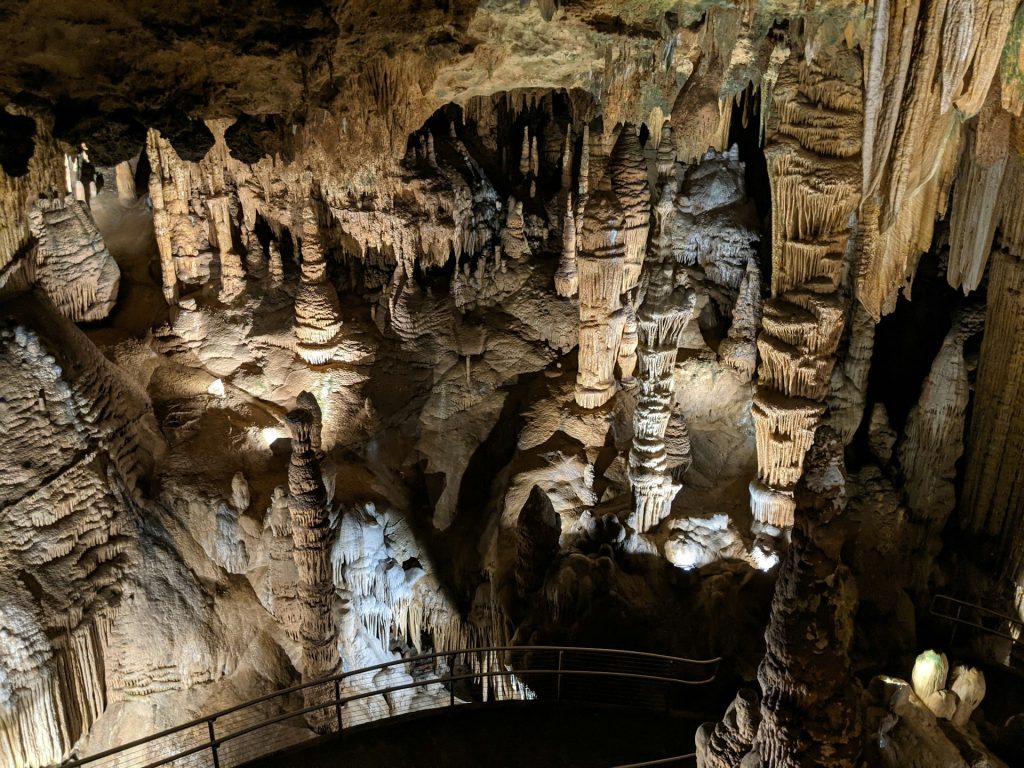
While Luray is most famous for its massive cavern system, regional travel experts suggest that the town’s surface-level charms are best enjoyed during the winter lull. The local atmosphere in January is characterized by a “sleepy” pace that local residents cherish. With the Skyline Drive often quiet or partially closed due to snow, the town retreats into itself, offering a sanctuary for those who want to watch the mist settle over the Page Valley from the comfort of a historic inn.
Geologists and park enthusiasts point out that the Luray Caverns maintain a constant temperature year-round, providing a reliable and visually stunning indoor activity regardless of the weather outside. However, the true appeal of a winter visit is the ability to walk through the town’s Greenway or visit a local winery without the usual competition for space. The community operates with a low-pressure mindset that encourages visitors to simply relax by a fire and enjoy the mountain views.
Washington

Often referred to as “Little Washington” to distinguish it from the nation’s capital, this village is renowned by hospitality critics for its high standards and quiet elegance. The town was surveyed by George Washington himself and retains a grid-like precision that makes it a delight to explore on foot. In the winter, the manicured gardens and historic homes take on a minimalist beauty that aligns with the season’s slower tempo.
Designers who appreciate rural luxury often highlight the town’s ability to provide a high-end experience without the noise of a typical resort. The absence of traffic lights and neon signs contributes to a sense of timelessness that is particularly profound during the short days of January. It is a location that prioritizes silence and privacy, making it a favorite for those who need a total mental reset in a highly aesthetic environment.
Front Royal
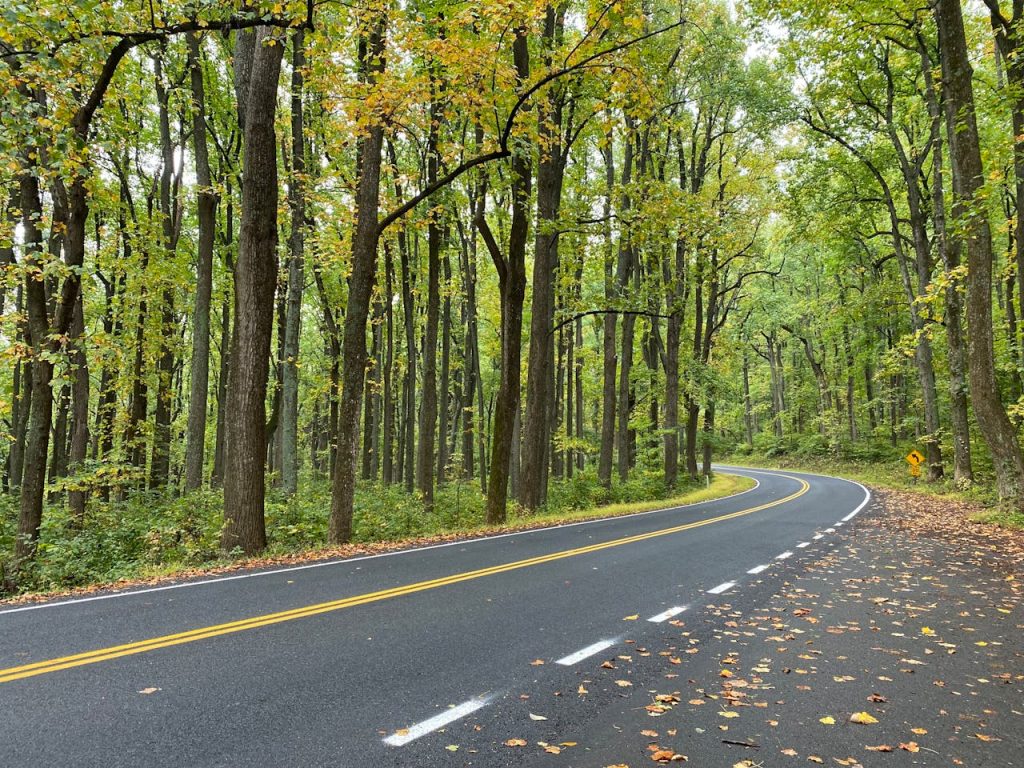
As the northern gateway to the park, Front Royal is often associated with high-energy outdoor recreation like canoeing and hiking. However, historians and local tourism experts reveal that the town’s historic core offers a much more relaxed experience during the winter. The Main Street is lined with antique shops and small eateries that feel cozy and welcoming when the mountain wind picks up. It is a place where the history of the Civil War and the development of the Blue Ridge mountains feel tangible and close.
Park rangers often suggest that Front Royal is an excellent base for “windshield touring” of the park during the winter. When parts of the high-elevation roads are open, the views from the overlooks are exceptionally clear, offering a different perspective than the hazy summer vistas. Back in town, the local breweries and coffee shops serve as community living rooms where visitors can easily blend in and enjoy a few hours of reading or quiet reflection.
Harrisonburg
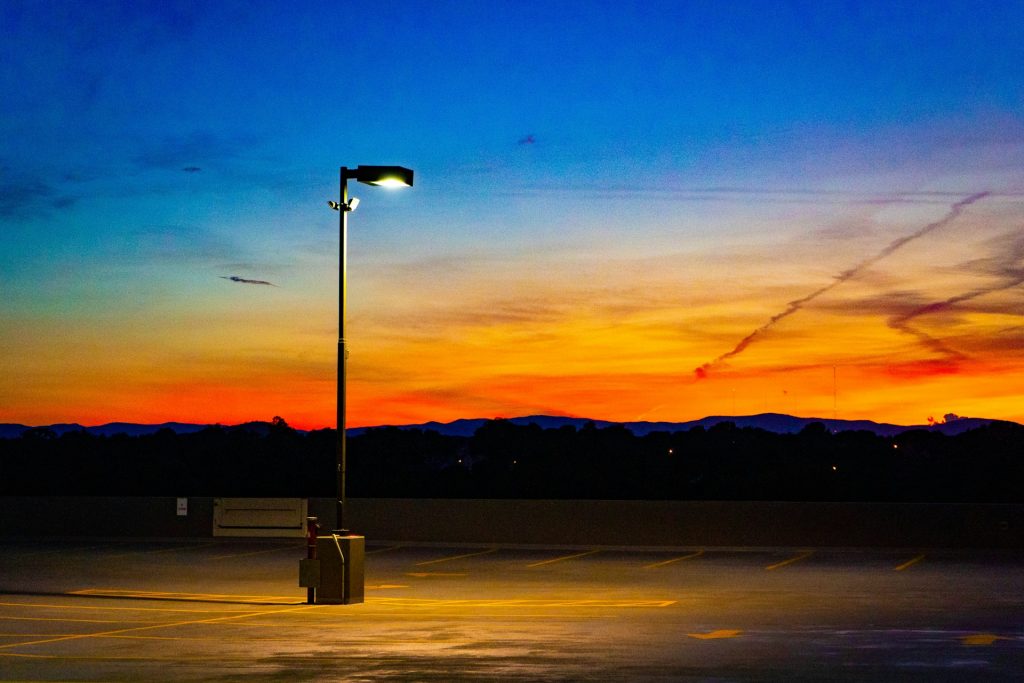
Known as a vibrant college town, Harrisonburg undergoes a significant shift in energy when the students are away for the winter break or settled into their mid-year routines. Regional planners highlight the town’s “Friendly City” reputation, which is most evident in the local markets and independent shops. The downtown district is compact and walkable, filled with refurbished warehouses that now house world-class bakeries and international cuisine.
Sociologists studying the region note that Harrisonburg’s diversity gives it a unique flavor compared to more traditional mountain towns. In January, the local food scene feels like a warm, indoor festival, with an emphasis on comfort and community. The town does not demand a specific itinerary; instead, it invites visitors to wander between the many bookstores and galleries at their own speed, enjoying the urban amenities in a relaxed, rural setting.
Culpeper
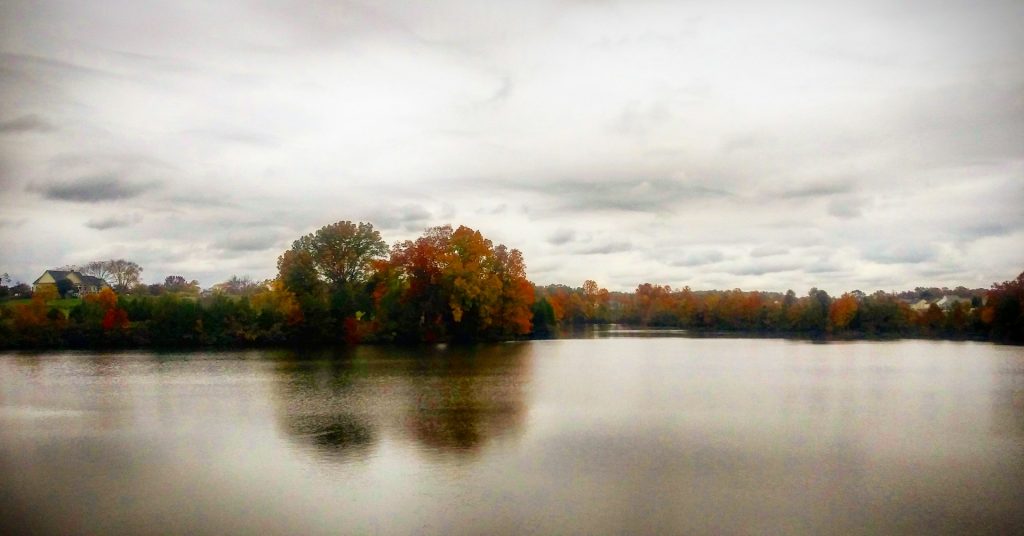
Historic preservationists and real estate experts often point to Culpeper as a prime example of a town that has successfully balanced modern growth with historic charm. Its train station and vibrant downtown area provide a sense of connectivity and life that is vibrant yet controlled. During the winter, the brick-lined streets and independent boutiques offer a cozy shopping and dining experience that feels miles away from the generic bustle of suburban life.
Local historians often recommend a winter visit to appreciate the town’s architectural heritage without the distraction of summer events. The Culpeper National Register District is home to dozens of buildings that tell the story of the town’s evolution from a colonial outpost to a thriving 19th-century hub. For the winter traveler, the town offers a perfect balance of historic depth and modern comfort, providing plenty to see and do without any pressure to do it quickly.
Madison
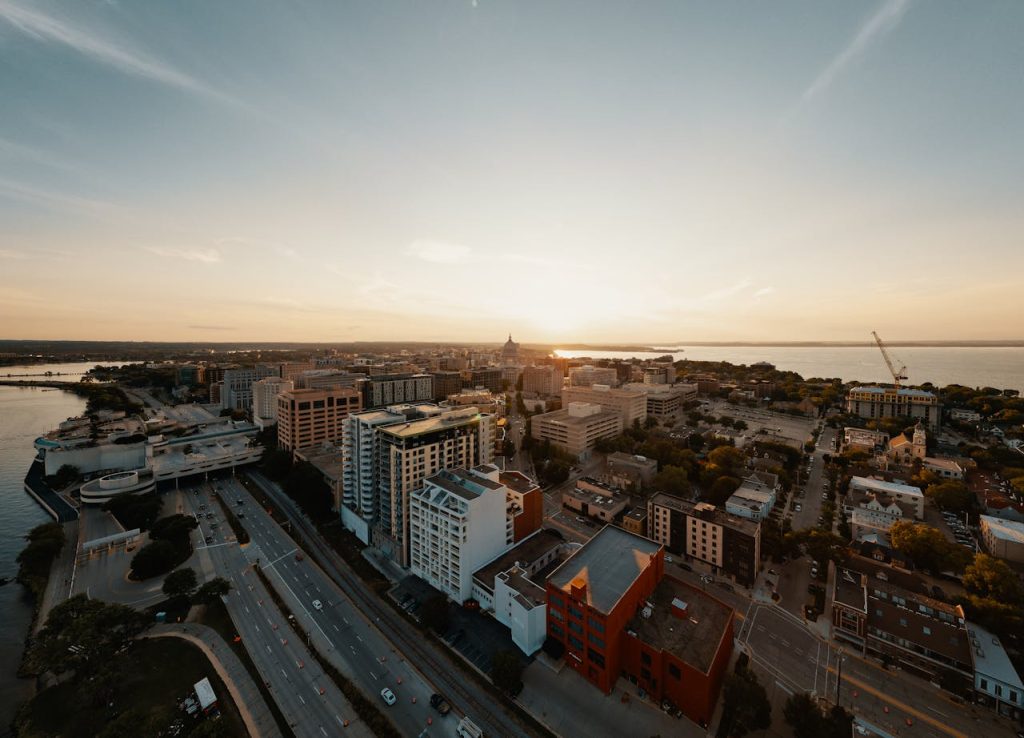
For those seeking a more rural experience, agricultural experts and local land trusts often suggest Madison as a true pastoral haven. The town is surrounded by large tracts of farmland and offers some of the most unobstructed views of the Blue Ridge mountains. In January, the fields are often silver with frost, and the local wineries provide a quiet place to sit and watch the light change over the hills.
The community in Madison is centered around a slower, more deliberate lifestyle that is deeply tied to the land. Visitors find that the local inns and farm-to-table restaurants emphasize seasonal ingredients and a cozy atmosphere. It is a place where the primary activity might be a short drive through the countryside to find a hidden antique shop or a quiet afternoon spent at a local library. Madison is a destination for those who want to disappear into the scenery for a while.
Warrenton
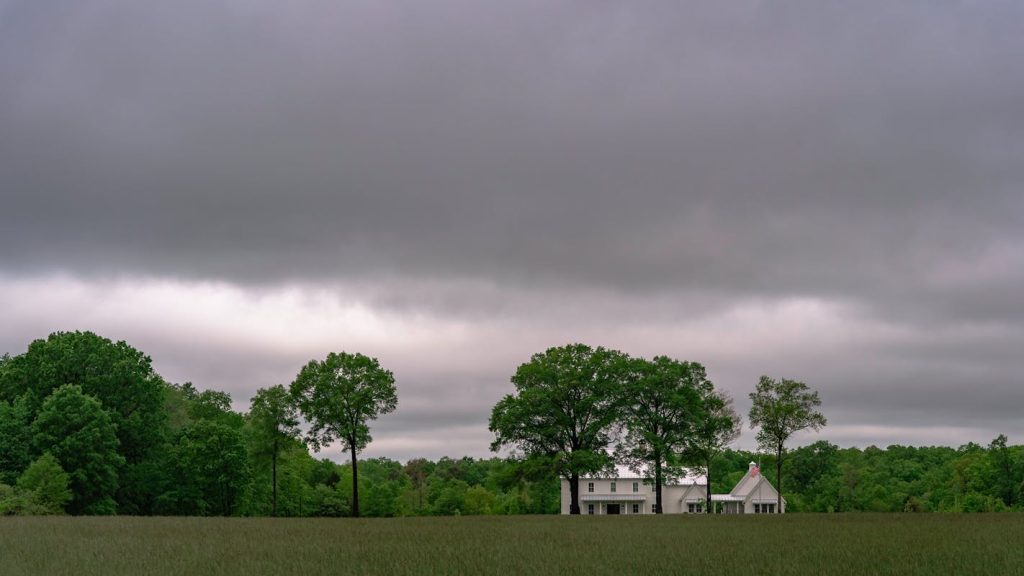
Architecture enthusiasts and historians often highlight Warrenton for its significant collection of 19th-century buildings and its role as a historic county seat. The town’s old jail and courthouse square create a sense of dignity and history that is enhanced by the quiet of mid-winter. In January, the town’s horse-country surroundings are silent, and the focus turns to the warmth of the local tea rooms and historic inns.
Urban planners note that Warrenton’s layout encourages slow exploration, with many hidden courtyards and pedestrian-friendly alleyways. The town’s commitment to preserving its heritage means that a walk through the historic district feels like a step back in time. Without the crowds of the summer horse shows or the autumn festivals, visitors can engage with the town’s story in a way that is deeply personal and entirely unhurried.