Emirates Just Cut 1 in 6 of Its June Flights and Thousands of Passengers Are Finding Out at the Last Minute
Thousands of Emirates passengers are being forced to rework their summer trips after the airline sharply reduced parts of its June schedule. On some routes, about 1 in 6 flights disappeared, and many travelers say they found out only shortly before departure.
The changes matter far beyond one carrier. Emirates is one of the world’s biggest long-haul airlines, and any sudden reduction in its network can ripple across connecting trips, hotel bookings, cruises, and family travel plans.
A sudden June pullback hit major travel routes
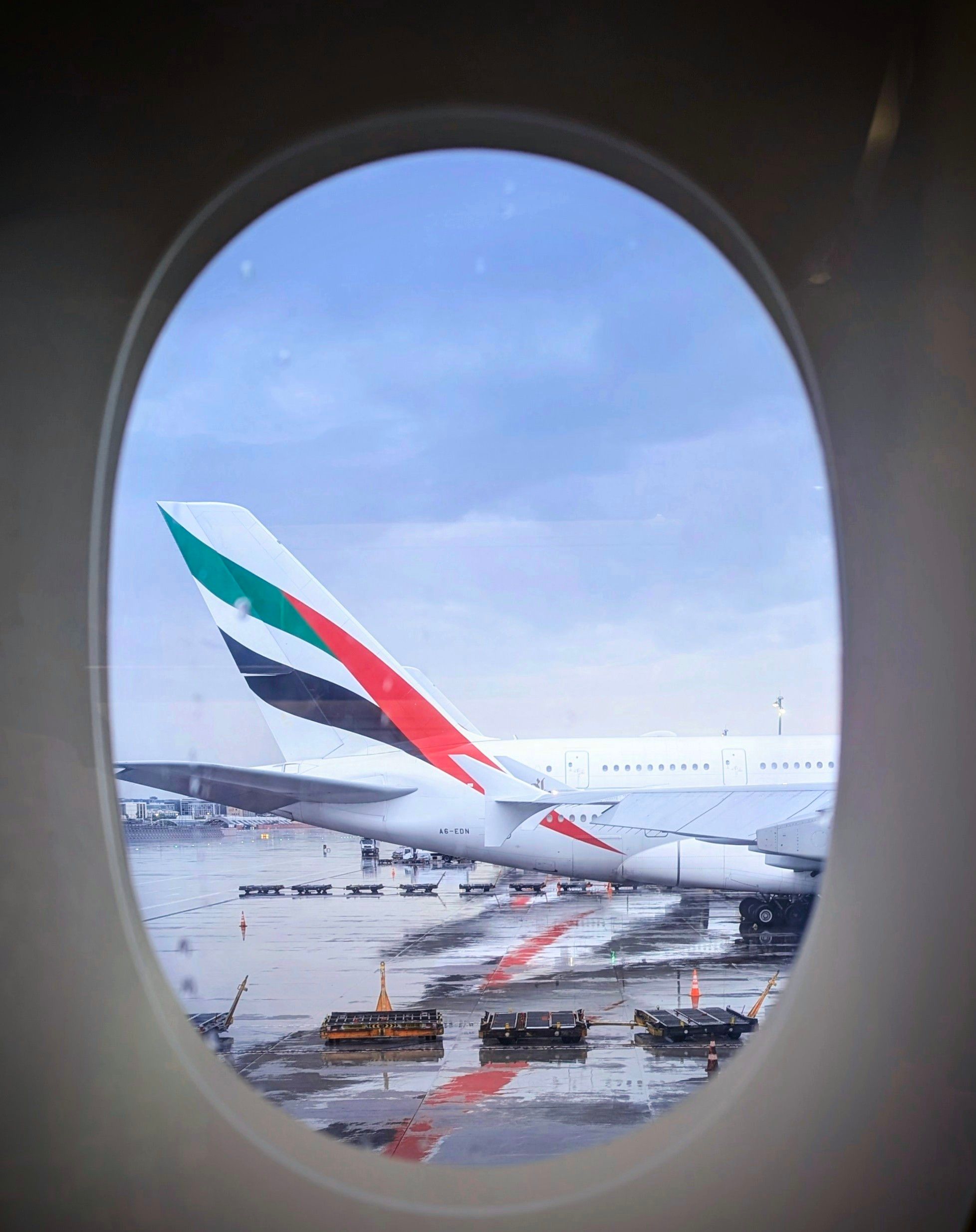
Flight schedule data for June showed Emirates trimming frequencies on a number of services, cutting a meaningful chunk of planned operations during one of the busiest travel periods of the year. Aviation data reviewed by multiple industry trackers indicated the reductions were concentrated on routes linked to Dubai, the airline’s global hub, where many passengers connect onward to Europe, Asia, Africa, and North America.
For travelers, the practical effect was simple and frustrating. Some customers received notices that their original flight had been canceled, retimed, or moved to another day, in some cases with little advance warning. That left people trying to save connecting flights, prepaid hotels, tours, airport transfers, and time-sensitive family events.
Emirates said it had adjusted services in response to operational conditions and broader disruptions affecting schedules through the region. The airline has previously said it works to reaccommodate affected passengers on alternative flights as quickly as possible, but during peak travel periods the number of open seats can be limited, especially for families or large groups trying to stay on the same itinerary.
The scale of the cuts drew attention because Emirates is usually seen as one of the more stable global carriers, with a huge fleet and dense schedule. When an airline of that size removes around 1 in 6 June flights in parts of its network, even a temporary pullback can affect thousands of people in a matter of days.
Why passengers are hearing late and why it matters
Airlines constantly adjust schedules, but the timing of these changes is what has angered many travelers. In normal conditions, carriers often revise plans weeks or months ahead so customers can rebook without major disruption. In this case, some passengers said notifications arrived at the last minute, compressing the time available to make alternate arrangements.
That can create a chain reaction that US travelers know well. A missed Emirates flight does not just affect one seat from point A to point B. It can mean missing a separate domestic leg, losing a cruise embarkation, arriving after a wedding, or forfeiting a nonrefundable hotel stay if the booking rules are strict.
Consumer rights experts often note that international passengers can face a patchwork of protections depending on where the ticket was sold, where the trip begins, and which countries’ regulations apply. For many US-based travelers flying to or through Dubai, the immediate concern is less about compensation and more about getting to the destination with minimal delay. Rebooking on a later flight sounds straightforward, but in June, when loads are high, the next available seat may be a day or two away.
Travel advisors say the late notice problem also makes it harder to recover trip costs. Hotels and tour operators may be more flexible when a cancellation is known well in advance. When a flight disappears two or three days before departure, travelers have far less room to negotiate, and customer service lines across multiple companies can become a second full-time job.
The wider pressure on airlines and airports
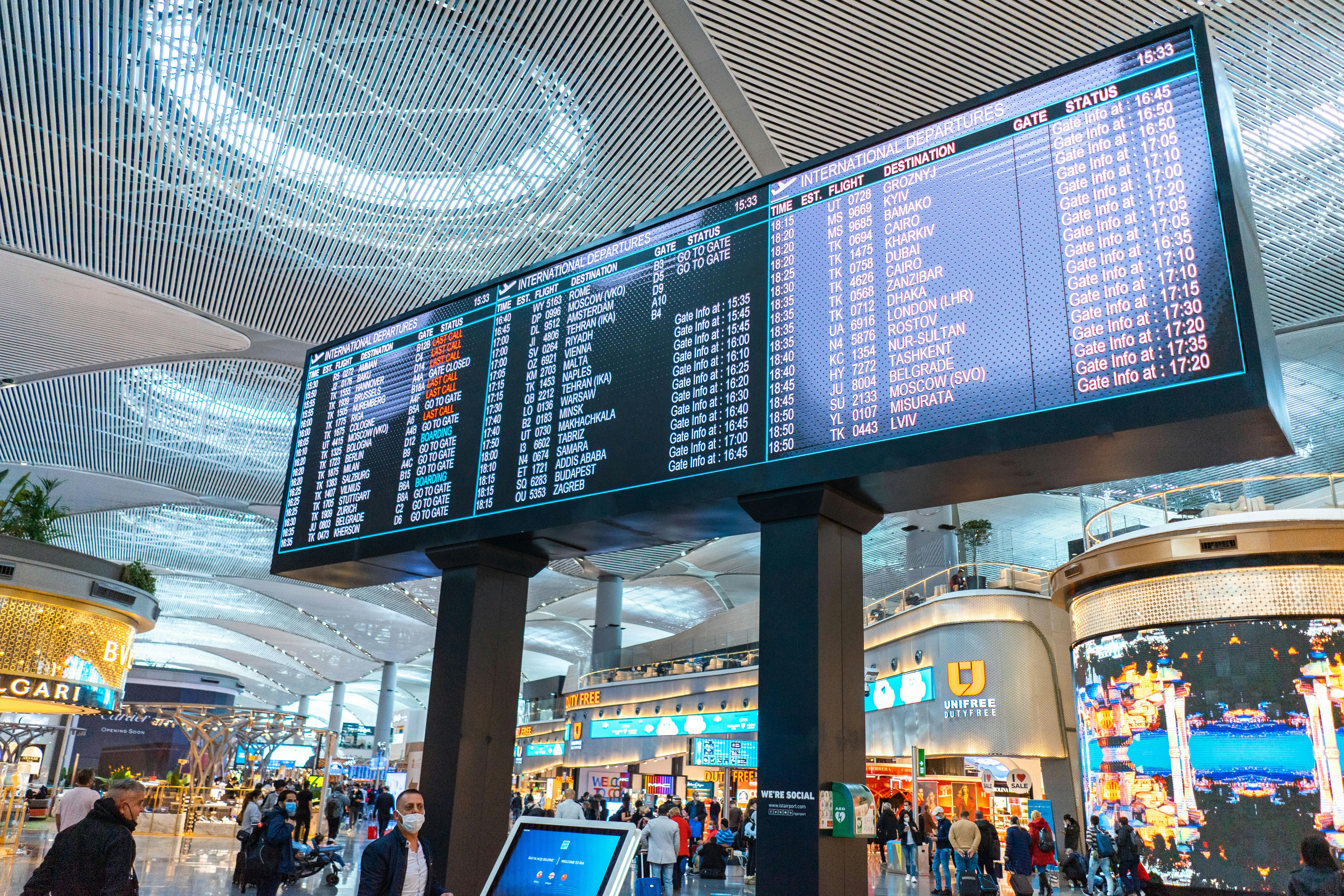
The cuts came during a period of elevated strain across global aviation, with carriers dealing with airspace restrictions, aircraft availability issues, staffing pressures, and knock-on effects from disruptions in the Middle East. Even when an airline itself is ready to operate, wider network problems can force schedule changes that are hard to avoid and even harder to explain neatly to passengers.
Dubai’s role makes the impact larger than the raw number of canceled flights might suggest. Emirates funnels huge volumes of connecting travelers through the airport every day, so when one leg is removed, the disruption can spread across several onward destinations. A passenger flying from New York to Dubai to Bangkok, for example, may suddenly need a new long-haul seat, a revised connection, and possibly a hotel room in transit.
Industry analysts say airlines sometimes cut frequencies instead of canceling routes outright because it allows them to preserve market presence while freeing up aircraft and crews where they are needed most. That may make operational sense, but from a customer perspective the distinction means very little. If your booked flight vanishes, the route still existing on paper is not much comfort.
Emirates has a strong reputation for service, and that raises expectations when something goes wrong. Customers tend to assume a premium global airline will be able to absorb disruptions smoothly. When it cannot, complaints become louder, especially on social media, where passengers post screenshots of cancellation notices and compare how much warning different travelers received.
What affected travelers can do next

For passengers already impacted, the first priority is confirming whether the booking has been automatically moved to a new flight or left requiring action. Travelers should also check every linked part of the itinerary, including separate tickets, seat assignments, baggage rules, airport transfers, and any overnight stays that may now be needed because of a changed connection.
US travelers in particular may want to document every cost tied to the disruption. That includes fare differences, meals, transportation, hotel changes, and lost prepaid reservations. Even when reimbursement is not guaranteed, having a clear record can help with an airline claim, a travel insurance filing, or a credit card trip delay benefit review.
Travel advisors also recommend avoiding assumptions until the airline confirms the final routing. In some cases, passengers may be shifted onto another Emirates service. In others, they may need to accept a different departure time, a longer layover, or travel on a partner carrier. Families should pay extra attention because automatic rebooking systems do not always keep everyone on the same reservation in adjacent seats.
The bigger takeaway is that summer travel remains vulnerable to sudden schedule changes, even on major international airlines. For travelers heading through Dubai in the coming weeks, it is worth checking reservations regularly and building more cushion into plans. A reduced schedule does not guarantee chaos, but when cuts this large happen this late, flexibility becomes almost as important as the ticket itself.