Rust Belt Cities Added Over 70,000 Tourism Jobs in May and It is Only Going to Increase
Tourism hiring jumped sharply across Rust Belt cities in May. More than 70,000 jobs were added in travel-related sectors, giving another sign that the region’s visitor economy is gaining real momentum.
The increase matters well beyond hotels and attractions. In cities that spent years trying to revive downtown districts and fill vacant storefronts, stronger tourism hiring points to broader gains for restaurants, transit systems, event venues, museums, and small businesses heading into summer.
A strong May for travel hiring across the region

May is usually a key month for tourism payrolls as businesses prepare for summer crowds, but this year’s increase stood out in Rust Belt markets that had once been seen as slower-growth travel destinations. The job gains were spread across lodging, food service, arts and entertainment, local transportation, and other visitor-facing businesses. Cities including Cleveland, Detroit, Pittsburgh, Buffalo, Milwaukee, Cincinnati, and St. Louis all benefited from the seasonal ramp-up, according to industry tracking and local labor data.
Economists say the number reflects both seasonal hiring and a deeper shift in how domestic travelers are spending. More Americans are taking shorter regional trips, looking for affordable city breaks, sports weekends, waterfront events, and food-focused travel that does not require long flights or big resort prices. That trend has helped older industrial cities, many of which now market renovated downtowns, pro sports districts, music festivals, lakefront development, breweries, and cultural institutions to visitors from nearby states.
Hospitality operators have also been trying to rebuild staffing levels that never fully returned after the pandemic shock years. In many metro areas, hotels and restaurants entered the spring with unfilled openings and used May to bring on workers quickly. Local tourism bureaus have said convention calendars, concert schedules, college graduations, and warm-weather events all combined to create stronger-than-expected demand.
The gains are especially important because tourism jobs often have a multiplier effect. When visitors book rooms, buy meals, pay for parking, attend games, and visit attractions, that spending reaches suppliers, maintenance crews, retail workers, and local tax collections. For Rust Belt cities still working to diversify beyond manufacturing and logistics, tourism has become a meaningful source of incremental growth.
Why Rust Belt cities are seeing renewed visitor demand

One reason for the hiring jump is that many Rust Belt cities have become more competitive on price. Travelers facing high airfares and expensive coastal hotel markets have increasingly looked to Midwestern and Great Lakes destinations where rooms, entertainment, and dining often cost less. A weekend in cities like Cleveland or Pittsburgh can be significantly cheaper than in New York, Chicago, or Boston, while still offering major league sports, museums, live music, and walkable districts.
Another factor is infrastructure and downtown reinvestment. Over the past decade, many of these cities expanded convention space, upgraded waterfront areas, restored historic buildings, and added restaurants, apartments, and entertainment venues near city centers. Those changes make it easier for tourism boards to pitch a fuller experience instead of a single event or attraction. Visitors now find more reasons to stay overnight rather than make quick day trips.
Big events have also helped fill calendars. Baseball season, summer concerts, food festivals, riverfront programming, and major conventions are producing steady demand across the region. In some markets, sports tourism has been a major driver, with youth tournaments, college events, and professional games bringing in visitors who spend across several categories at once. Officials in several cities have said group travel and convention business have improved from a year earlier, even if some corporate travel remains uneven.
There is also a perception shift at work. Rust Belt cities that were once defined nationally by factory closures now promote architecture, neighborhoods, culinary scenes, and public spaces. That does not erase long-term economic challenges, but it does help explain why tourism is becoming a larger part of the story. For younger travelers in particular, authenticity and value often matter more than traditional resort branding.
Where the jobs are landing and what businesses need next
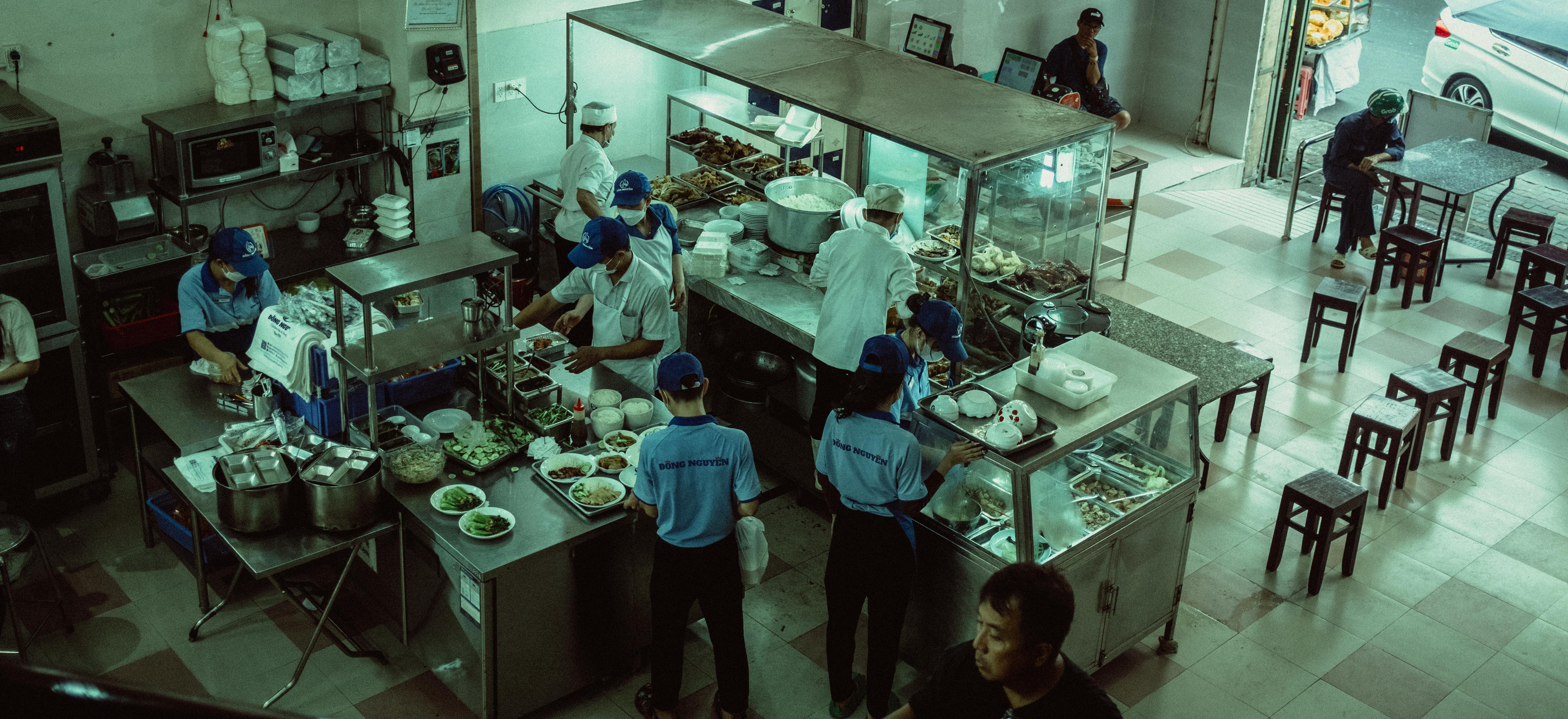
Most of the May hiring appears to have landed in restaurants, bars, hotels, entertainment venues, and seasonal attractions. Food service usually absorbs the biggest share of pre-summer hiring, and employers across the region have continued to add cooks, servers, housekeepers, front desk staff, event workers, and maintenance teams. Museums, zoos, waterfront operators, and tour businesses also tend to increase staffing in late spring as school breaks and family travel begin.
Employers say demand is strong, but staffing remains a balancing act. Wages in hospitality have risen in recent years, yet many businesses still report difficulty recruiting and retaining workers for weekend-heavy and customer-facing roles. Some operators have responded by offering flexible schedules, retention bonuses, or faster promotion tracks. Others have trimmed service hours or leaned more heavily on technology to keep up during peak periods.
Transit access and public safety remain key issues as cities try to convert one strong month into a durable trend. Tourism executives often say visitors care about basics first: clean streets, easy parking, reliable transit, and a sense that downtown areas are active and well-managed. If those conditions improve, the region has a better chance of turning event-driven travel into repeat visits and longer stays.
Local officials also see tourism jobs as an entry point into the workforce for students, immigrants, and workers changing industries. While many of these jobs are hourly and can be seasonal, they also create pathways into management, sales, culinary work, operations, and event planning. That makes the hiring surge notable not just as a summer headline, but as part of a larger labor market story in cities looking for practical sources of growth.
Why officials think the increase will continue

Industry groups and tourism officials say May is likely not the high-water mark for the year. Advance hotel bookings, summer festival schedules, and convention calendars suggest that demand should remain solid through the peak travel season, especially if fuel prices and household budgets stay manageable. Many city tourism agencies entered the year expecting moderate growth, but the pace of spring hiring has led some to sound more optimistic.
There are still risks. Consumer spending can soften quickly, severe weather can disrupt travel patterns, and international visitation has recovered unevenly in some markets. Business travel also remains below pre-2020 norms in certain downtowns, especially where office occupancy is still weak. Even so, domestic leisure travel has been resilient, and Rust Belt cities are well positioned to benefit from drive-market visitors looking for lower-cost trips.
The region’s pitch is also broadening in a way that may help sustain gains. Families can find museums, science centers, and waterfront parks. Young adults can find nightlife, sports, concerts, and brewery districts. Older travelers can find architecture tours, heritage attractions, and easier-to-manage city breaks. That mix gives destinations more than one lane for growth, which can help stabilize hiring beyond a single event cycle.
For city leaders, the bigger takeaway is that tourism is no longer treated as a side story. It is increasingly tied to downtown recovery, small business health, tax revenue, and civic reputation. Adding more than 70,000 tourism jobs in May does not solve every economic problem facing the Rust Belt, but it does show that the region’s visitor economy is expanding and, for now, heading into summer with unusual strength.