Lifesaving Things To Avoid During A Tsunami Warning
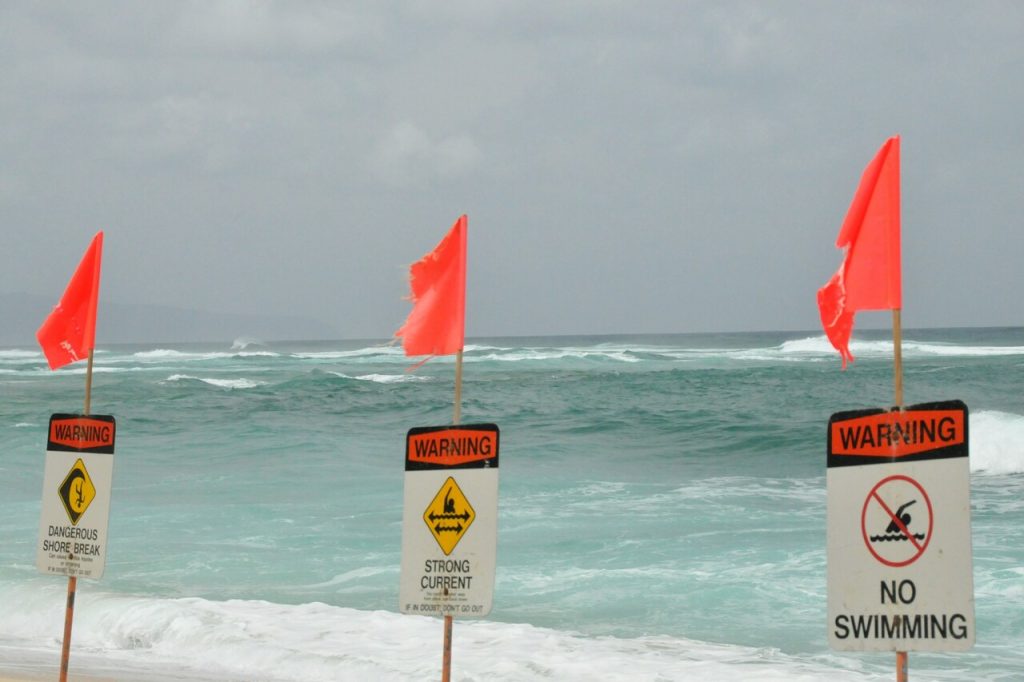
When a tsunami warning is issued, quick decisions can save your life. Many people underestimate how rapidly conditions can shift, or they react too slowly because they misunderstand early signs. Knowing what to avoid is just as important as knowing what to do. Tsunamis can strike with little warning, and the ocean’s behavior can be unpredictable even after the first wave passes. This guide highlights the most dangerous mistakes people make during a tsunami alert so you can respond with clarity, confidence, and immediate action that protects you and those around you.
1. Avoid Staying Near the Shore
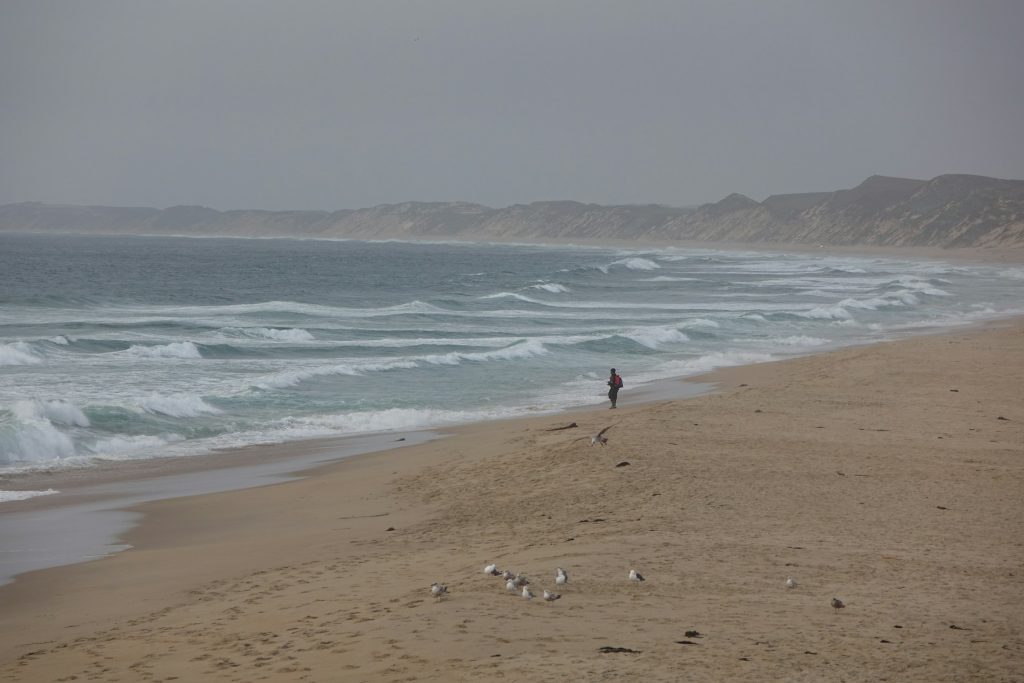
Remaining along the shoreline during a tsunami warning is extremely dangerous because the first wave can rise suddenly and sweep across low coastal areas with powerful force. Even if the sea appears calm or the water pulls back unusually, this shift signals incoming danger, not safety. People who linger near beaches, harbors, or river mouths risk being caught by fast moving surges that can arrive without a visible crest. Move immediately to higher ground, avoiding all waterfront zones until officials confirm the threat is completely over.
2. Avoid Waiting to See the Wave
Curiosity can be deadly during a tsunami warning because the ocean often behaves deceptively before a major surge. Waiting to visually confirm the wave wastes precious time and places you in the direct impact zone. Tsunamis sometimes appear as quick moving walls of water, but many arrive as sudden floods that race inland faster than you can escape. If you wait until you can see the threat, you are already in danger. Leave the area at once as soon as authorities issue the alert or natural warning signs appear.
3. Avoid Relying Only on Official Alerts
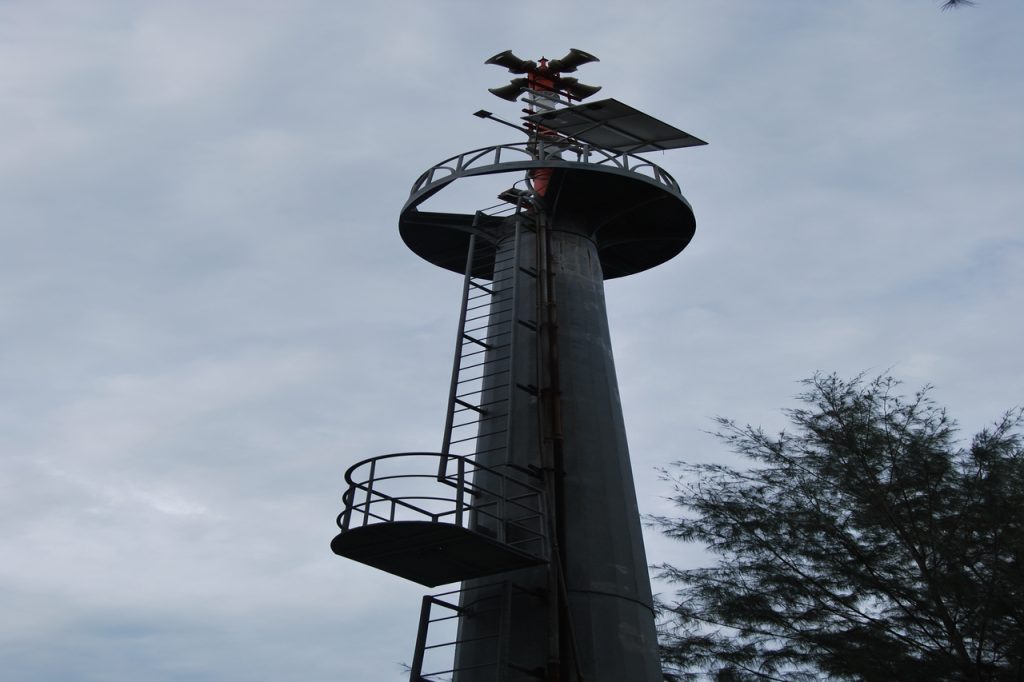
Depending solely on sirens, texts, or broadcasts can delay your response because communication systems may fail or messages may be issued too late. Natural signs such as strong ground shaking, unusual water retreat, or a sudden ocean roar are immediate warnings that require action even without official confirmation. Many survivors report acting quickly on instinct rather than waiting. Trust the signals around you and begin moving to safe, elevated areas instead of pausing to check devices or wait for an announcement that might arrive after danger begins.
4. Avoid Driving Into Traffic Jams
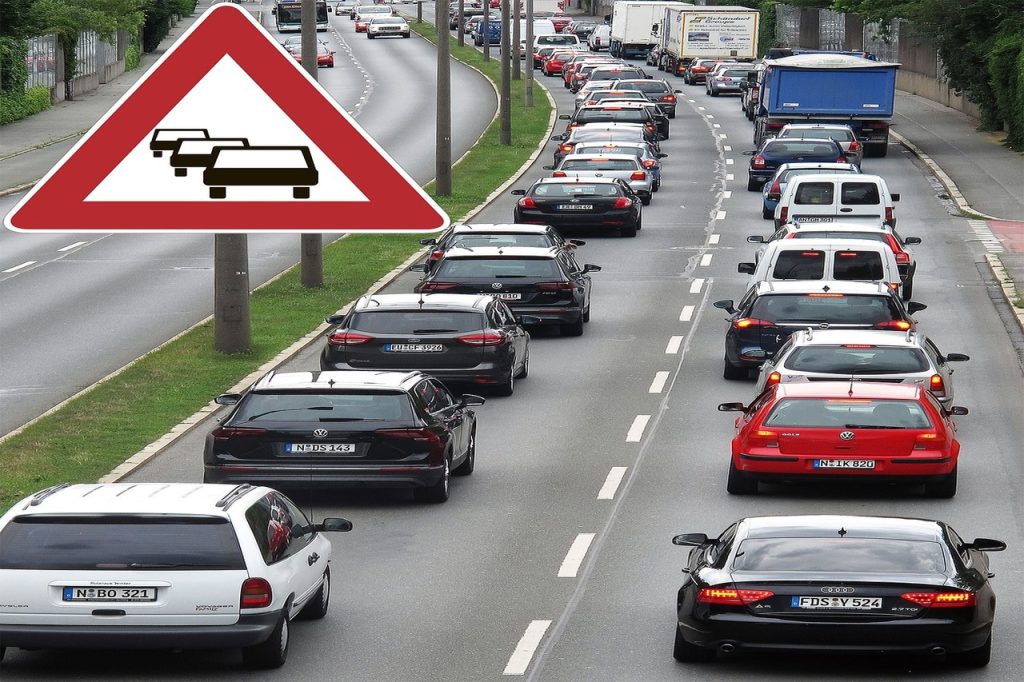
Attempting to evacuate by car during a tsunami warning can trap you in blocked roads where movement becomes impossible. Earthquakes often damage bridges, traffic lights, and streets, making vehicle travel slow and unpredictable. Crowds of people may rush to leave simultaneously, creating long delays that reduce your chances of reaching higher ground in time. When advised, evacuating on foot is often faster and safer, allowing you to move past obstacles quickly. Avoid relying on your vehicle unless you are already in a clear, unobstructed path to safety.
5. Avoid Returning After the First Wave
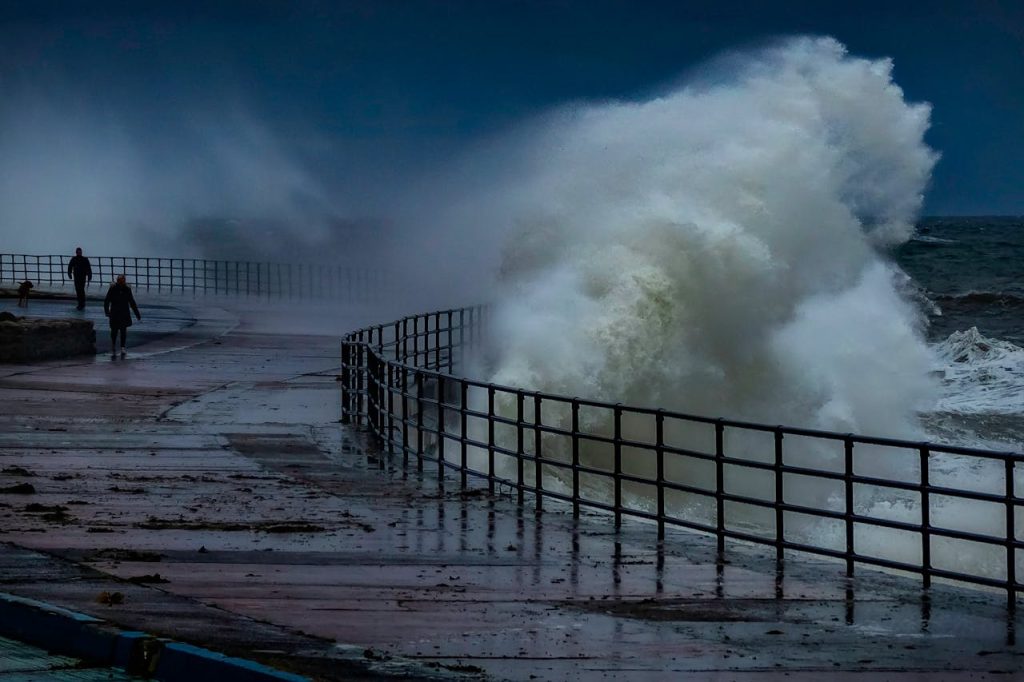
A tsunami is rarely over after the initial surge because later waves can be stronger and more destructive. Many people make the mistake of returning to the coast too soon, believing the danger has passed when the water temporarily recedes. However, this phase can signal preparation for additional waves that may hit with greater force. Staying away from all coastal areas until authorities confirm safety is essential. Remain at elevated ground and resist the urge to check damage, collect belongings, or assess the shoreline prematurely.
6. Avoid Touching Flooded Electrical Areas
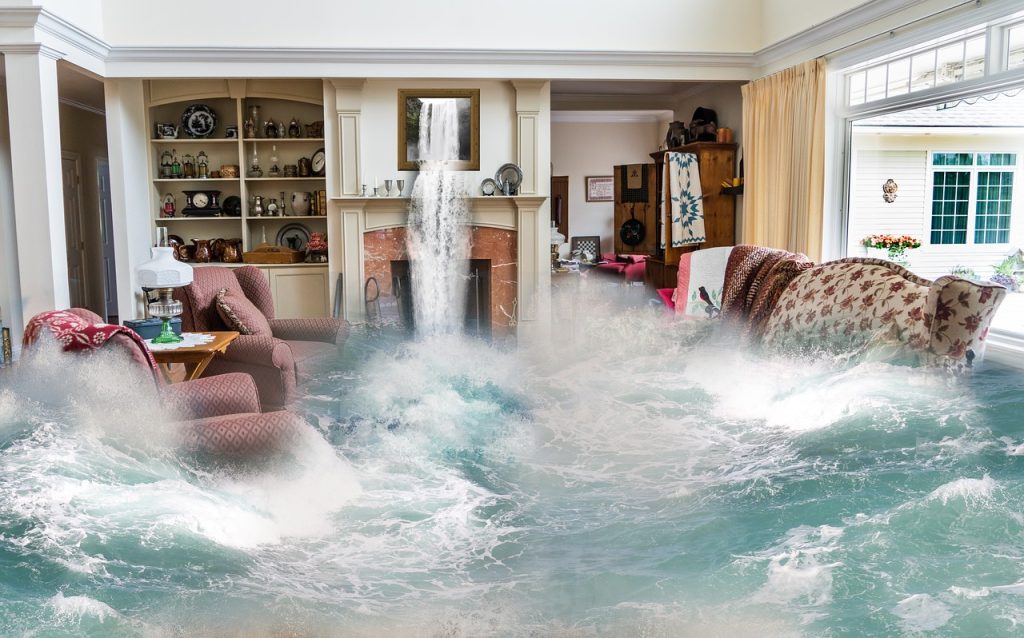
Floodwaters following a tsunami can conceal energized wires, broken electrical equipment, and damaged outlets that pose severe electrocution risks. Even shallow water can become deadly when electricity is present. Entering flooded buildings or attempting to operate appliances before professionals inspect them can lead to serious harm. Avoid wading through standing water when possible and keep children and pets away from all damp areas. Wait for emergency crews to verify that power sources have been safely shut off before returning to any structure affected by flooding.
7. Avoid Entering Damaged Buildings
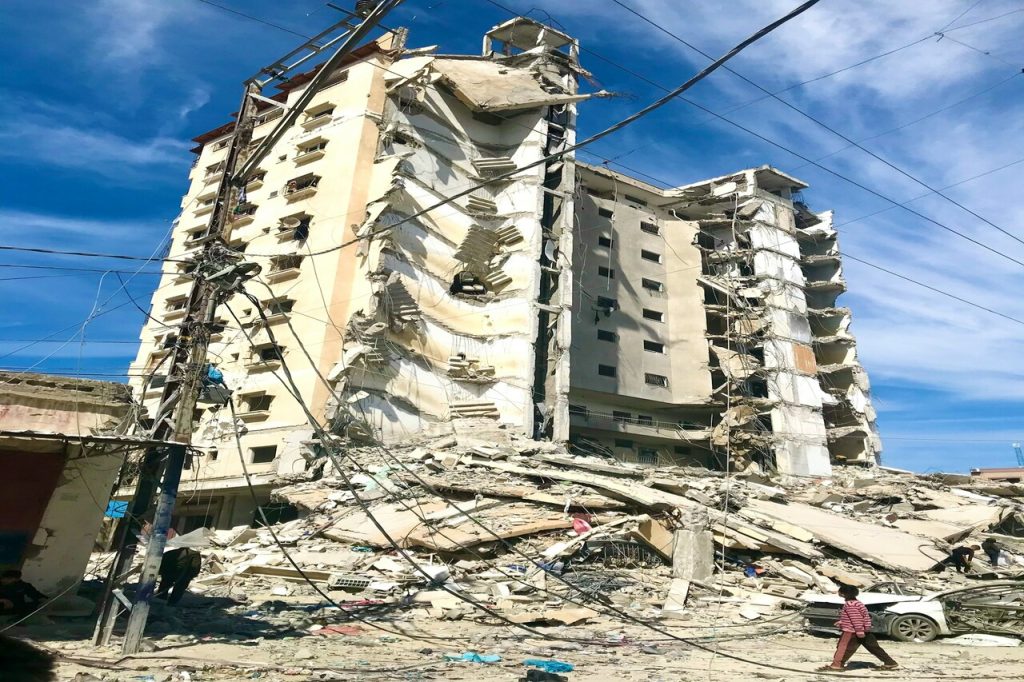
Tsunamis can weaken structures in ways that are not obvious, leaving hidden damage like cracked foundations, unstable floors, and compromised support beams. Entering these buildings too soon risks collapse or injury from falling debris. Even homes that appear intact may be unsafe until experts assess them. Avoid rushing inside to check belongings or seek shelter, and instead wait for authorities to inspect stability. Use battery powered lighting if needed and stay clear of any structure showing visible shifts, leaning walls, or unusual sounds that suggest internal strain.
8. Avoid Using Contaminated Floodwater or Supplies
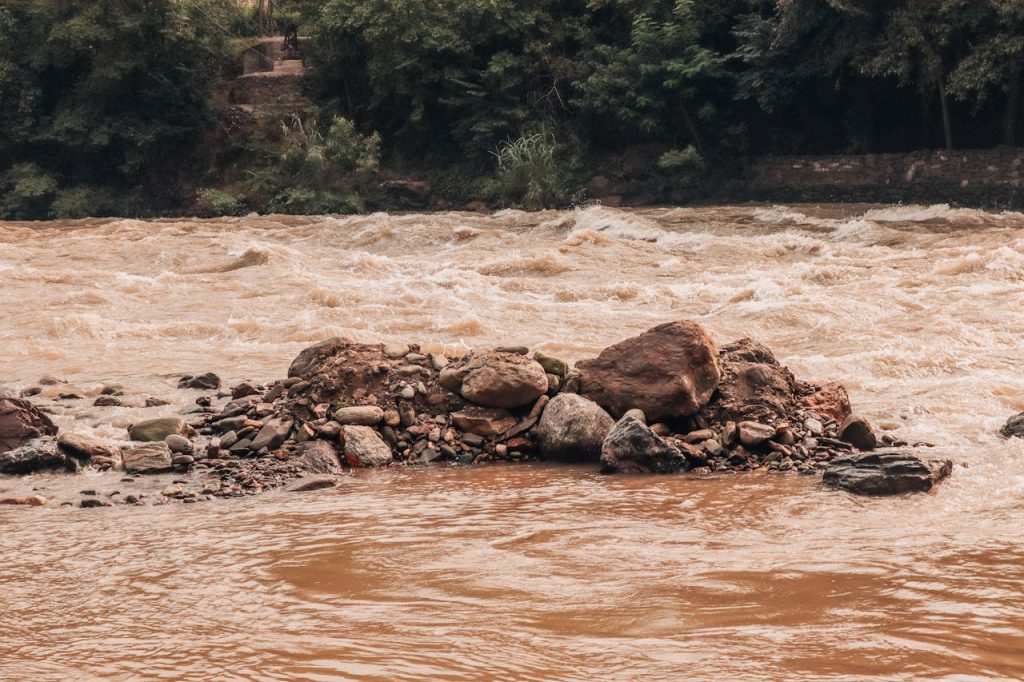
Tsunami floodwater often mixes with sewage, chemicals, debris, and bacteria, making it unsafe for drinking, cleaning, or cooking. Food soaked in floodwater should be discarded, and containers exposed to contamination require proper sanitation. Using polluted water increases the risk of illness and infection, especially when medical resources may be limited. Always rely on sealed bottled water, verified clean supplies, and protective gear like gloves and boots when handling debris. Treat all standing water as hazardous until officials confirm it is safe to use.