What We Lose When Travel Becomes a Race to Check Things Off

My original travel plan for 2025 involved a frantic sprint across five major European capitals in fourteen days. The strategy relied on booking high-speed trains, securing timed entry tickets for famous museums, and sleeping in a new hotel every third night.
The goal was maximum geographic coverage. As I reviewed the logistics for 2026, the flaws in this high-speed default plan became glaringly obvious.
Surging transit costs, the constant friction of packing, and the sheer exhaustion caused by massive crowds made the multi-city tour feel like a stressful second job.
The pressure to complete a massive itinerary meant sacrificing any real connection with the places visited. I realized that slowing down and remaining in a single, complex destination offered deeper value and far less disruption risk than the relentless blur of constant movement.
Mendoza, Argentina
Mendoza serves as a structured, slow-paced sanctuary that replaces the exhausting momentum of the traditional multi-country tour.
Economic researchers report that the inland wine region offers profound relief from the severe inflation exposure found in major global capitals.
Travelers can secure long-term rentals and high-quality dining without the astronomical housing-driven lodging pressure that defines the old default itinerary.
Tourism studies suggest that remaining stationary in this agricultural hub drastically lowers the disruption risk associated with frequent border crossings and canceled flights.
The regional economy operates on a slower rhythm, encouraging visitors to deeply explore specific vineyards rather than rushing to the next timezone.
That is the shift from geographic volume to localized depth. The city features wide, tree-lined avenues, a high-desert climate, and immediate access to the Andes mountains.
A significant tradeoff involves complex currency effects and regional price variations. Financial planners warn that navigating the parallel exchange rates requires constant vigilance and cash management.
Visitors must also adapt to the late-night dining culture and afternoon closures, which can frustrate travelers accustomed to continuous, around-the-clock service.
Fes, Morocco
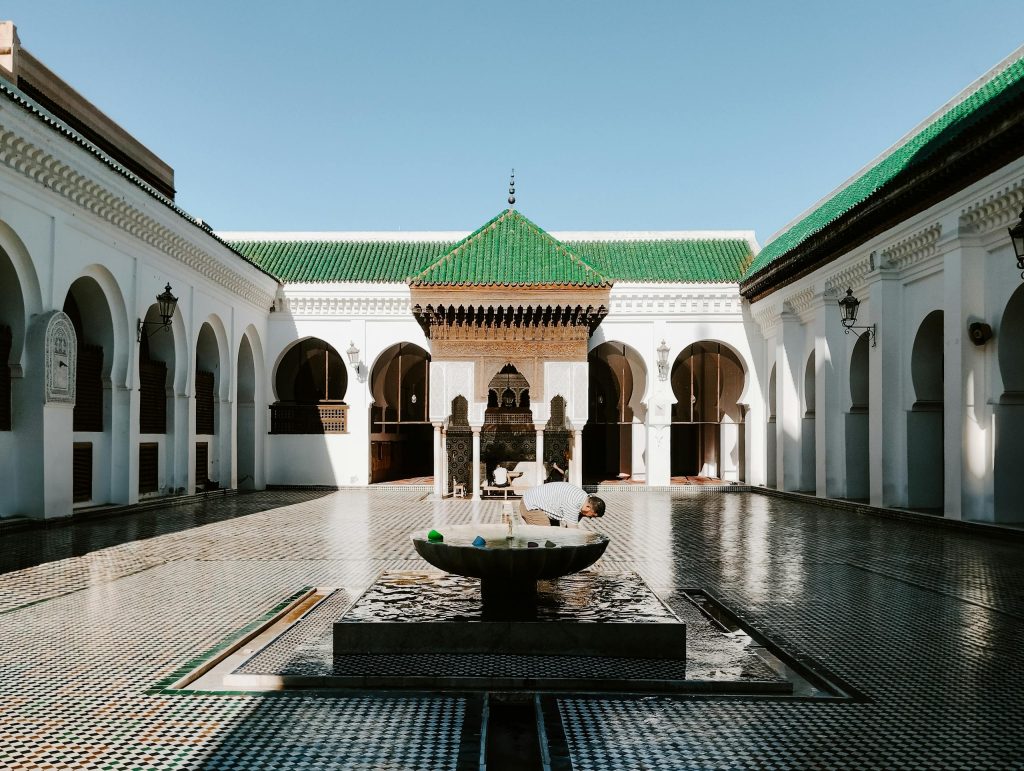
Fes provides a deep cultural immersion that stands in stark contrast to the superficial, checklist-style tourism of the standard Mediterranean cruise circuit.
According to historians, the ancient medina demands time and patience to navigate, actively punishing the rushed traveler while rewarding those who linger.
Committing to a single location allows visitors to understand the complex social fabric of the city rather than just photographing its outer gates.
Risk analysts note that avoiding the constant transit of a multi-city trip minimizes exposure to lost luggage and logistical failures.
Local economic reports highlight that traditional riad accommodations provide exceptional value, drastically improving long-term budgeting compared to the exorbitant daily rates of the old high-speed default.
That is why the math changes when movement stops. The environment is defined by labyrinthine pedestrian alleys, centuries-old artisan workshops, and the echoing call to prayer.
The primary tradeoff is the intense sensory environment and health system navigation. Travel medicine experts advise that adjusting to local food safety standards requires a cautious approach during the initial days of a stay.
Furthermore, the lack of motorized transport within the medina necessitates excellent physical mobility and a tolerance for carrying goods by hand over uneven cobblestones.
Chiang Rai, Thailand
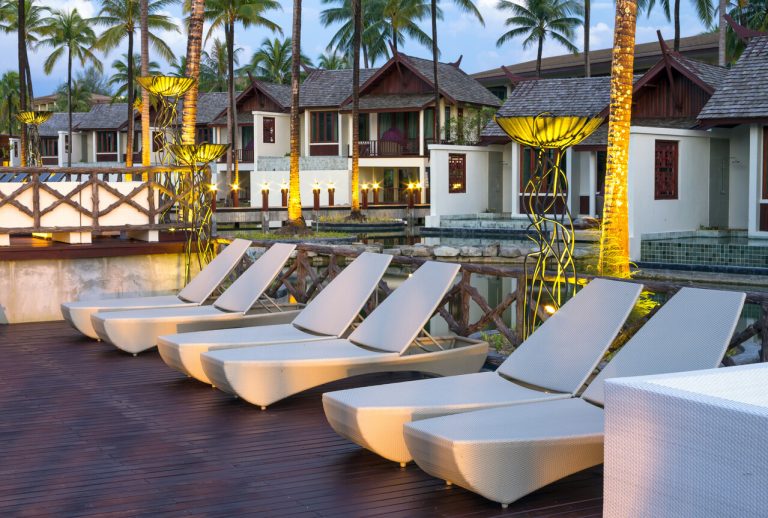
Chiang Rai offers a quiet, culturally rich alternative to the frantic, overdeveloped island-hopping routes that dominate Southeast Asian itineraries.
Tourism researchers explain that the northern province prioritizes heritage and agriculture over mass-market nightlife, making it an ideal base for a slow, deliberate stay.
Choosing this inland retreat entirely removes the disruption risk of unpredictable ferry schedules and crowded beach transfers.
Housing-driven lodging pressure remains minimal here, allowing travelers to rent comfortable, long-term villas for a fraction of the cost of a coastal resort.
Cultural anthropologists observe that remaining in the province allows for genuine interactions with local hill tribes and artists, an experience lost when travelers race through on a guided day trip.
That tradeoff matters when seeking authentic connections. The region is known for its lush green mountains, striking contemporary temples, and expansive tea plantations.
A major tradeoff involves intense climate stress and language barriers. Meteorological data shows that the annual burning season creates severe air quality issues, restricting the viable travel window to specific months.
Navigating rural areas also requires basic Thai proficiency, as English is rarely spoken outside the immediate city center.
Ljubljana, Slovenia
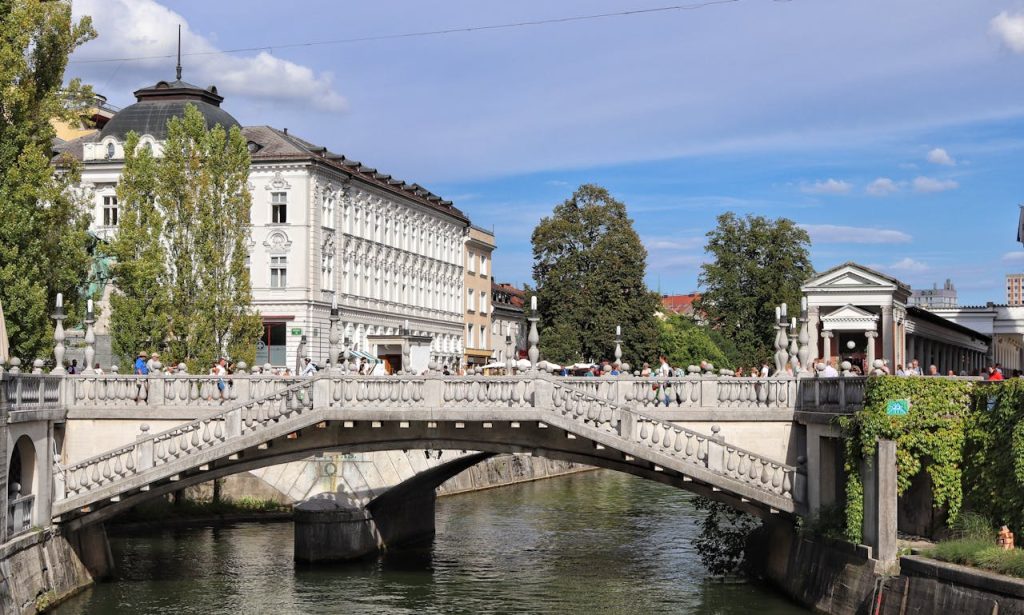
Ljubljana operates as a highly functional, centralized base that easily replaces the chaotic, multi-stop European rail adventure.
Urban planners praise the city for its pedestrianized core and abundant green spaces, creating an environment designed for lingering rather than rushing.
Travelers find that the compact size eliminates the need for daily transit logistics, reducing both cost and stress.
Economic researchers point out that the capital avoids the extreme inflation exposure currently impacting western European hubs.
The infrastructure reliability allows visitors to take slow, deliberate day trips to the Julian Alps or the coast while maintaining a stable, affordable home base.
This stability provides a massive psychological relief compared to the constant packing and unpacking of the old default plan. This city is characterized by willow-lined riverbanks, pastel baroque architecture, and a strong cafe culture.
The tradeoff is a smaller hospitality footprint and regional price variations during peak academic seasons.
Finding central accommodations requires significant advance planning, as the large university population limits available housing.
Visitors must also contend with the notoriously quiet winter months, which may lack the vibrant social energy expected in larger capitals.
Valparaíso, Chile
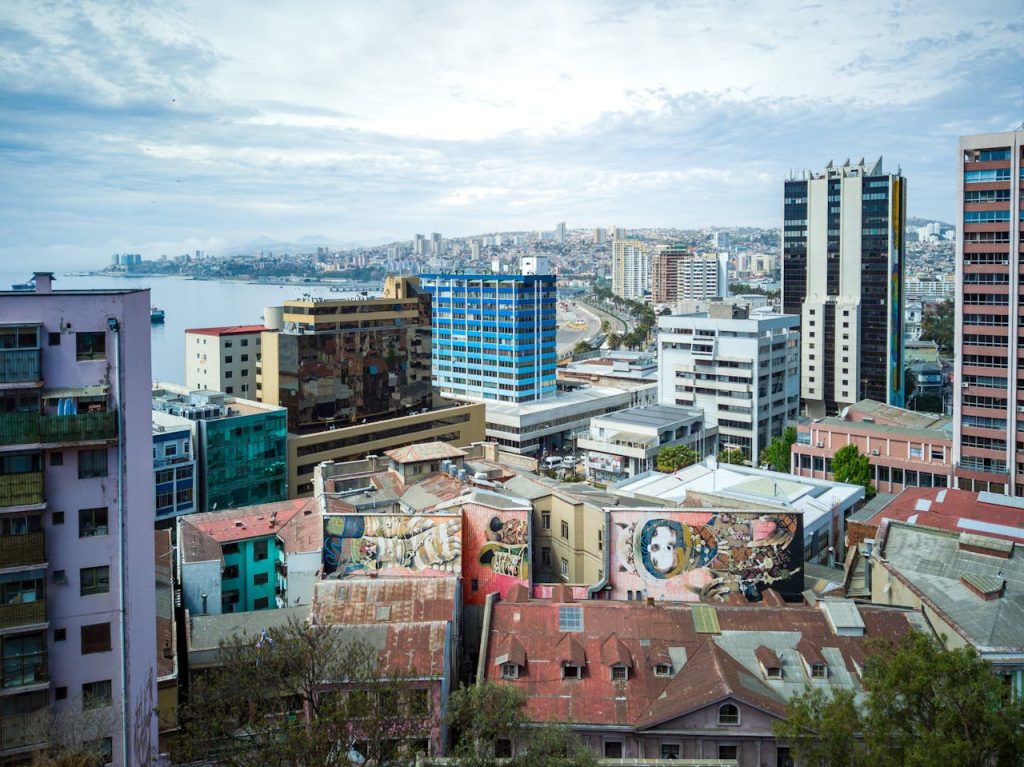
Valparaíso delivers a complex, artistic environment that perfectly counters the sterile, predictable nature of the traditional resort checklist vacation.
Heritage institutions describe the port city as an architectural marvel that requires weeks to truly understand. The steep hills and funiculars force travelers to slow down and adapt to the local topography.
Economic analysts note that the city offers a favorable currency effect for international visitors, allowing for extended stays that benefit long-term budgeting.
By rejecting the constant movement of a regional tour, travelers drastically reduce their exposure to the disruption risks of long-haul bus travel across South America.
The destination features brightly painted houses, expansive Pacific Ocean views, and an internationally renowned street art scene.
A significant tradeoff involves political stability concerns and infrastructure reliability. Urban security experts advise that petty crime requires constant situational awareness, particularly in the upper hills after dark.
The historic funiculars also suffer from frequent maintenance closures, forcing residents and visitors to navigate steep, exhausting staircases daily.