Why Many Minority Communities Are Still Fighting for Stability in America
For many Americans, stability means being able to pay rent, keep a job, find safe housing, and trust that a medical bill or missed paycheck will not cause a crisis. For many minority communities, that kind of security is still much harder to hold on to. Recent federal data, academic research, and local reporting show that the gap is not about one issue alone, but about how several long-running pressures keep stacking up.
The picture is complicated, but the pattern is clear. Black, Hispanic, Native American, and some Asian American communities continue to face higher poverty rates, lower household wealth, greater housing strain, and worse health outcomes than white households on average. That does not mean progress has not happened. It means the progress has been uneven, and for many families, fragile.
The numbers still show deep gaps in wealth and income
The most basic measure of stability is whether a household has enough income and savings to absorb a setback. According to the U.S. Census Bureau and Federal Reserve data released in recent years, median wealth for white families remains far above that of Black and Hispanic families. Economists have pointed out that wealth matters more than income alone because it helps families survive layoffs, move to stronger school districts, buy homes, and pay for college without taking on crushing debt.
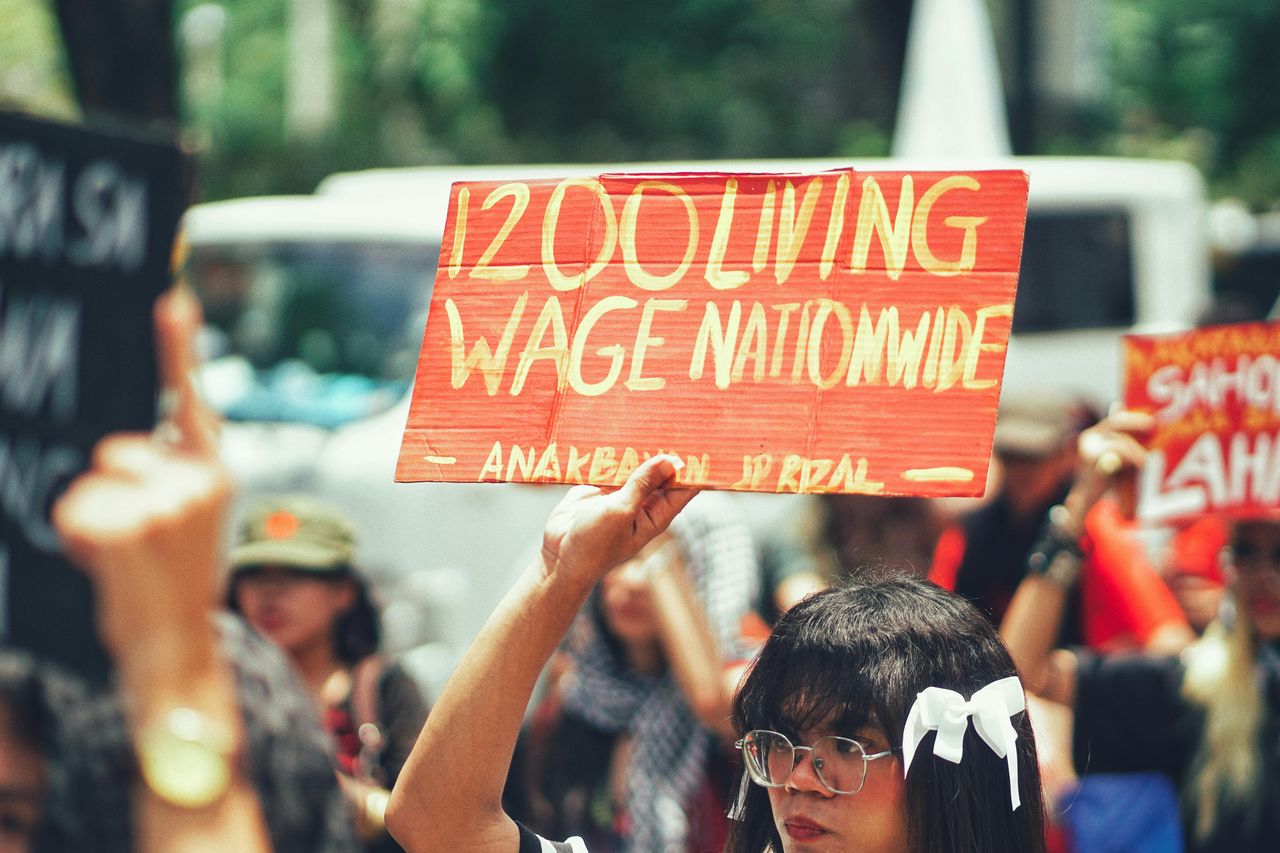
Income gains have also not erased the gap. Census figures have shown that poverty rates remain higher for Black, Hispanic, and Native American people than for non-Hispanic white Americans. Wage growth in lower-paid industries helped some workers after the pandemic, but many minority workers are still overrepresented in jobs with unstable hours, fewer benefits, and less protection during economic slowdowns. That means a raise can help, but it does not always create lasting security.
Experts say this did not happen overnight. Decades of segregation, hiring discrimination, lower access to inherited wealth, and unequal lending shaped today’s outcomes. Analysts at Brookings and other policy groups have repeatedly said that when one generation starts with fewer assets, the next one often begins behind as well.
Housing pressure keeps many families one step from crisis
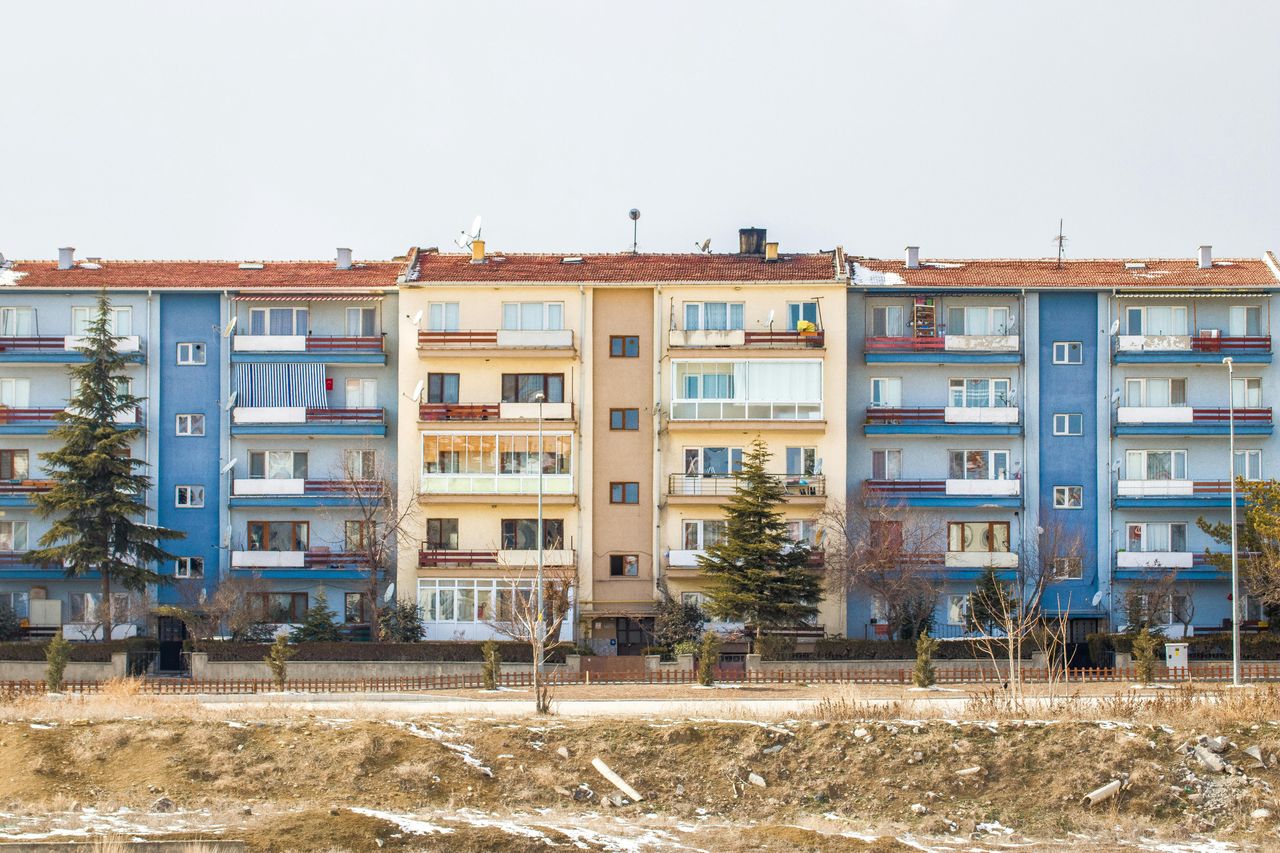
Housing is another major reason stability remains hard to secure. Across the country, rents have climbed faster than wages in many cities, and minority renters are more likely to be cost-burdened, meaning they spend more than 30% of their income on housing. According to Harvard’s Joint Center for Housing Studies, that burden is especially high among Black and Hispanic renters, leaving less money for food, transportation, health care, and savings.
Homeownership, which remains one of the biggest paths to wealth in the United States, also shows a persistent divide. The Black homeownership rate continues to trail the white rate by a wide margin, a gap that housing researchers often trace back to redlining, discriminatory appraisals, credit barriers, and uneven access to family financial support for down payments. Hispanic homeownership has grown in recent years, but affordability problems and high interest rates have made buying harder.
The housing strain can quickly spill into other parts of life. Families forced to move often face disrupted schooling, longer commutes, and weaker access to health care and child care. In some communities, eviction filings have risen again as pandemic-era protections ended, and legal aid groups have warned that renters with the fewest savings are often the first to fall behind.
Health and education outcomes still shape daily life

Stability is also tied to whether people can stay healthy and whether children can move through school without major barriers. The Centers for Disease Control and Prevention and other public health agencies have repeatedly documented higher rates of maternal mortality, chronic disease, and uninsured or underinsured care burdens in many minority communities. Black women, in particular, continue to face sharply higher maternal mortality rates than white women, a disparity that public health experts say cuts across income and education levels.
Access to care is only part of the problem. Hospitals and clinics are often harder to reach in lower-income neighborhoods, and language barriers, transportation issues, and medical debt can make treatment harder to maintain. During and after the pandemic, those weaknesses became more visible, especially in neighborhoods where frontline workers had less flexibility to work from home and more exposure to illness.
Education adds another layer. Federal data has shown that schools serving high shares of low-income students and students of color often face fewer resources, fewer advanced course offerings, and higher staff turnover. Students and parents may still push through and succeed, but the path is steeper. Researchers say those differences matter years later when it comes to earnings, homeownership, and long-term financial stability.
Public safety, discrimination, and legal barriers add pressure

For many families, instability is not just about money. It is also about whether systems feel fair and whether daily life comes with extra risk. Civil rights groups and Justice Department findings over the years have shown that minority communities often report higher exposure to discriminatory policing, harsher criminal justice outcomes, and unequal treatment in workplaces, schools, and housing markets. Those experiences can shape where people feel safe, where they apply for jobs, and whether they trust public institutions.
Native American communities face some of the sharpest examples of structural disadvantage. Tribal leaders have long called attention to underfunded health systems, limited infrastructure, and lower access to clean water, reliable housing, and public safety resources in some areas. For many Native families, stability is tied not just to economic opportunity but also to federal obligations that tribal advocates say have gone unmet for generations.
Immigrant communities face their own set of pressures. Even when households are working steadily, language access problems, fear around immigration enforcement, and confusion over eligibility for public services can keep families from seeking help. Community groups say that uncertainty alone can discourage parents from applying for housing aid, food assistance, or health coverage for children who qualify.
Communities are pushing back, but the road is still uneven
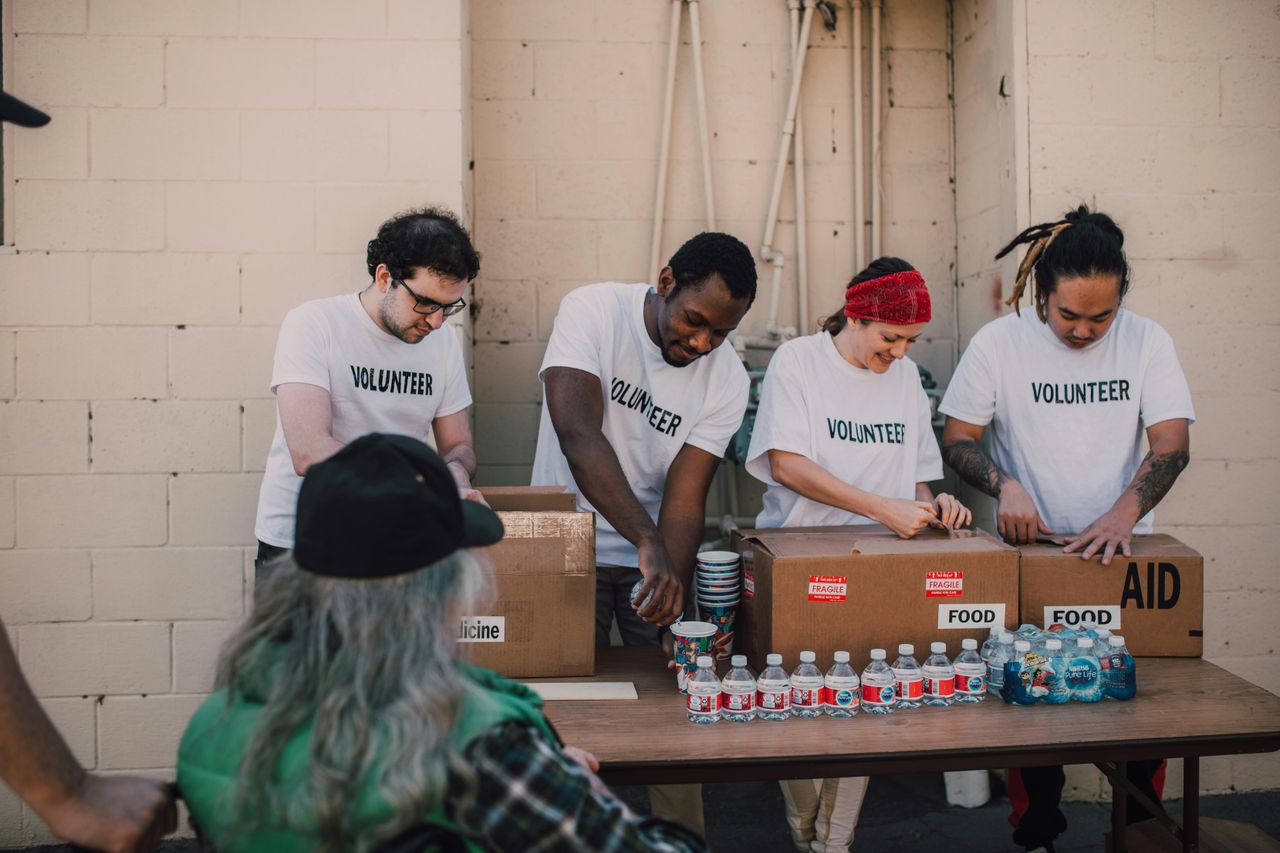
Even with those barriers, many communities are building support systems that help families stay afloat. Local nonprofits, churches, tribal organizations, mutual aid groups, and neighborhood health clinics have expanded food programs, legal aid, job training, and rent support in many cities. In some places, state and local governments have also increased first-time homebuyer aid, expanded Medicaid, raised minimum wages, or funded maternal health and violence prevention programs aimed at reducing long-standing disparities.
Still, policy experts say piecemeal progress does not always match the scale of the problem. A family that gets rental help but still lacks affordable child care, paid leave, or reliable transportation may remain one emergency away from losing ground. Economists often note that stability comes from layers of support, not from a single program or one strong jobs report.
That is why this issue continues to matter far beyond any one group. When millions of people live with less margin for error, the effects reach schools, hospitals, workplaces, and local economies. The fight for stability in minority communities is not just about catching up after a bad year. It is about whether the country can reduce long-standing gaps that still shape who gets to feel secure in everyday American life.